Skip to content
Part 1: Market Size and Growth
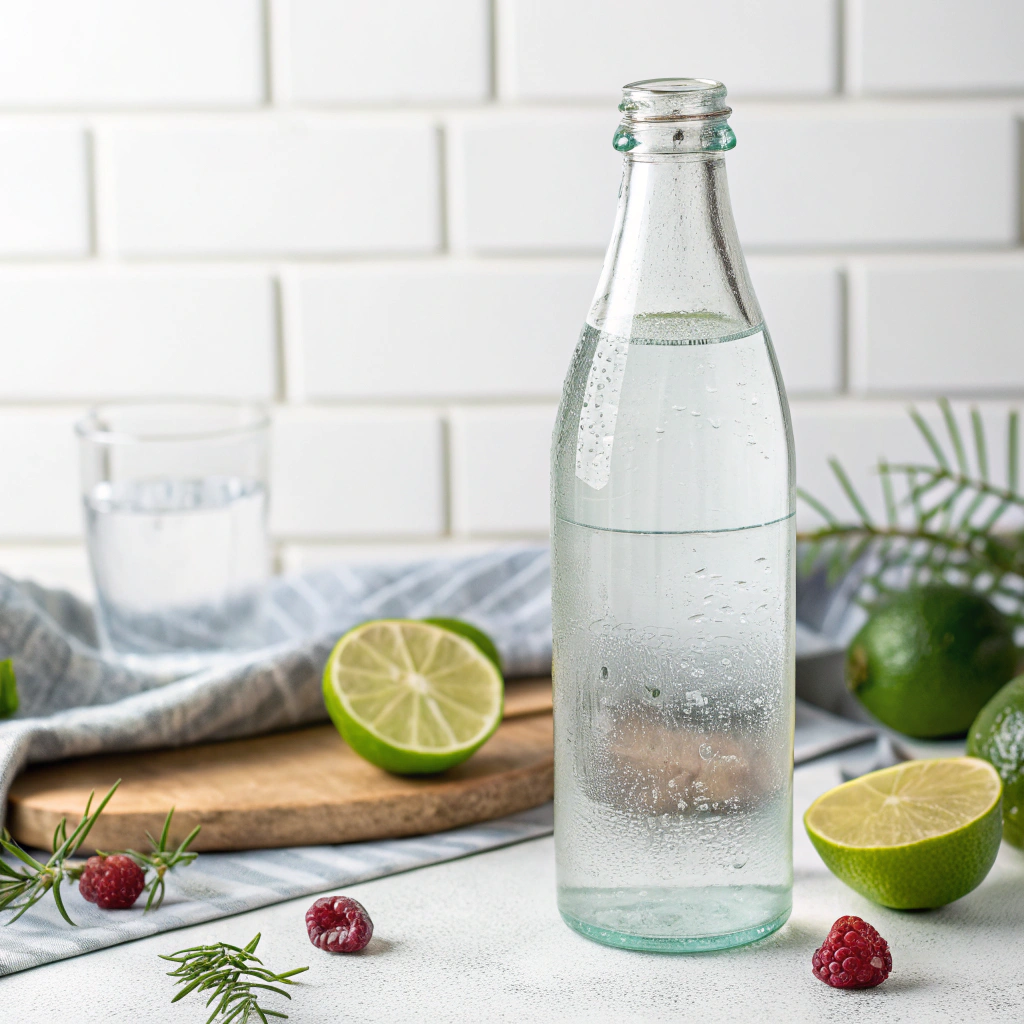
The glass bottle industry in Libya is developing, supported by demand from beverages, food, and cosmetic sectors. Local breweries, juice producers, and artisanal food companies create consistent demand. Glass bottles are favored for their durability, safety, and premium appearance.
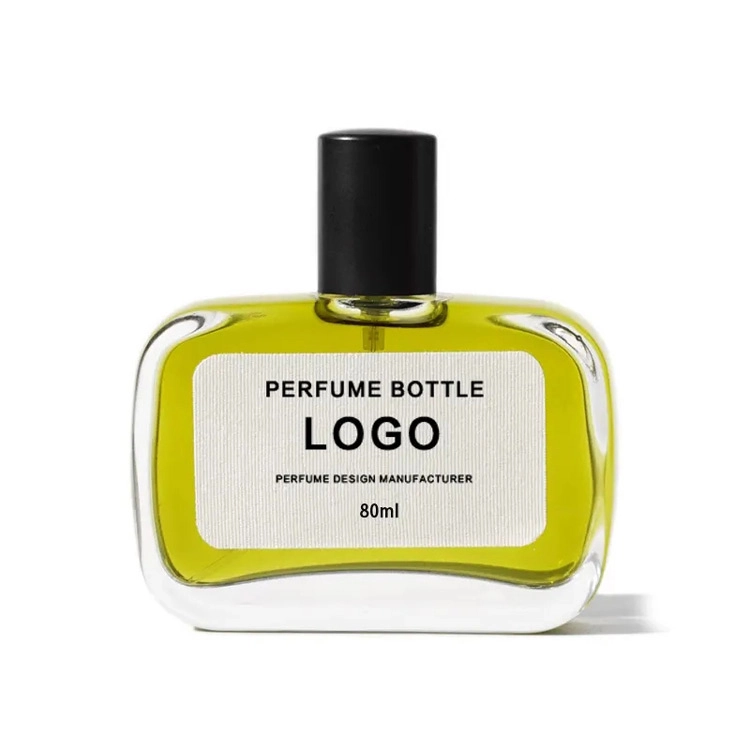
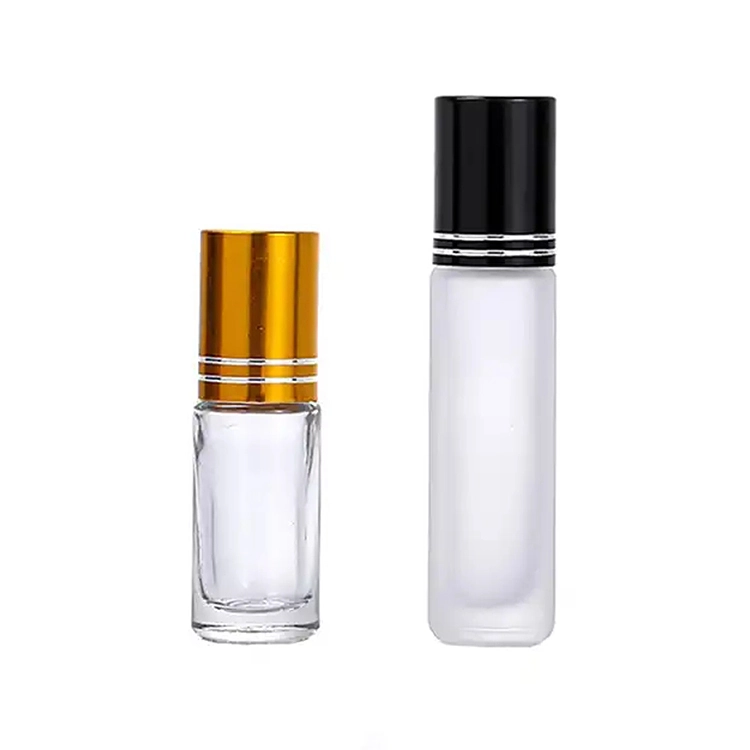
The market remains modest compared to neighboring North African countries but shows growth potential. Olive oil, honey, and specialty beverages increasingly require glass containers. Cosmetic and perfume brands are adopting high-quality bottles to enhance their products.
Government regulations, import restrictions, and regional trade agreements influence industry growth. Access to raw materials and modern machinery remains a challenge. Libya’s geographic position allows potential exports to North Africa and the Middle East, creating opportunities for local manufacturers.
Part 2: Leading Companies
Libyan Glass Industries
Libyan Glass Industries is one of the oldest manufacturers in the country, serving beverage, food, and pharmaceutical sectors.
The company produces bottles for beer, soft drinks, juices, and medicinal products. Libyan Glass Industries emphasizes quality control, flexible designs, and durable production. Certifications in product safety and quality enhance its reputation locally and regionally.
Tripoli Glass Packaging
Tripoli Glass Packaging caters to medium-sized beverage and cosmetic producers. Founded to meet local demand, it provides both standard and custom bottles.
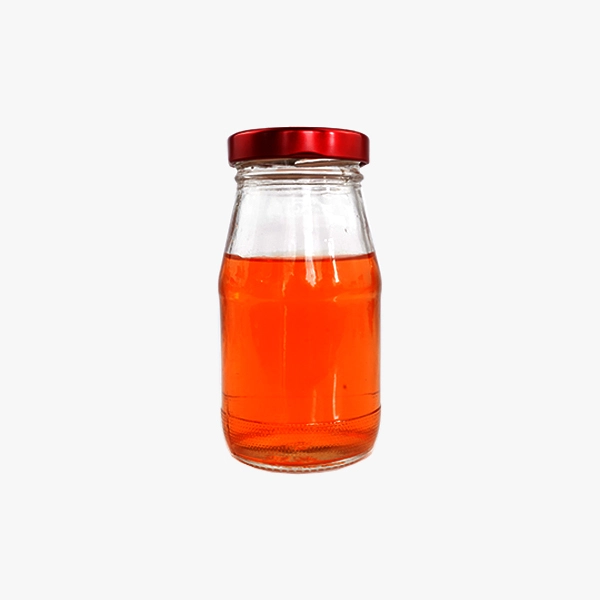
The company manufactures bottles for soft drinks, wine, and perfume products. It focuses on design innovation, small-to-medium batch production, and eco-friendly practices. Awards and certifications in quality and sustainability strengthen its credibility.
Benghazi Glass & Containers
Benghazi Glass & Containers is a newer manufacturer focusing on specialty and decorative bottles. Established in the last decade, it serves luxury beverages, perfumes, and gourmet food markets.
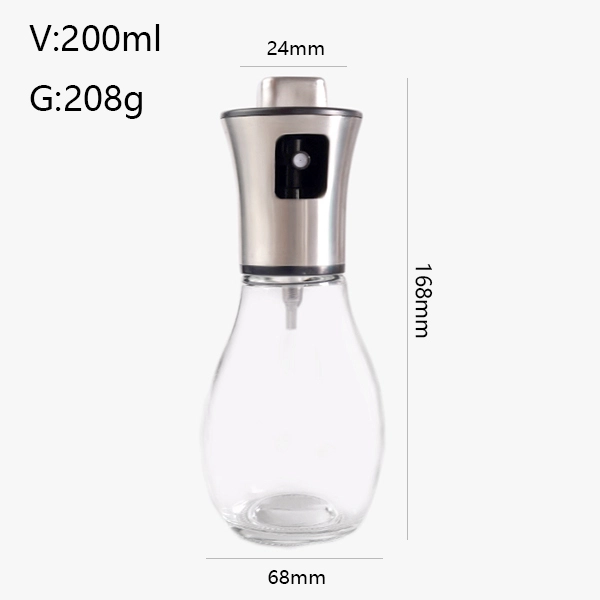
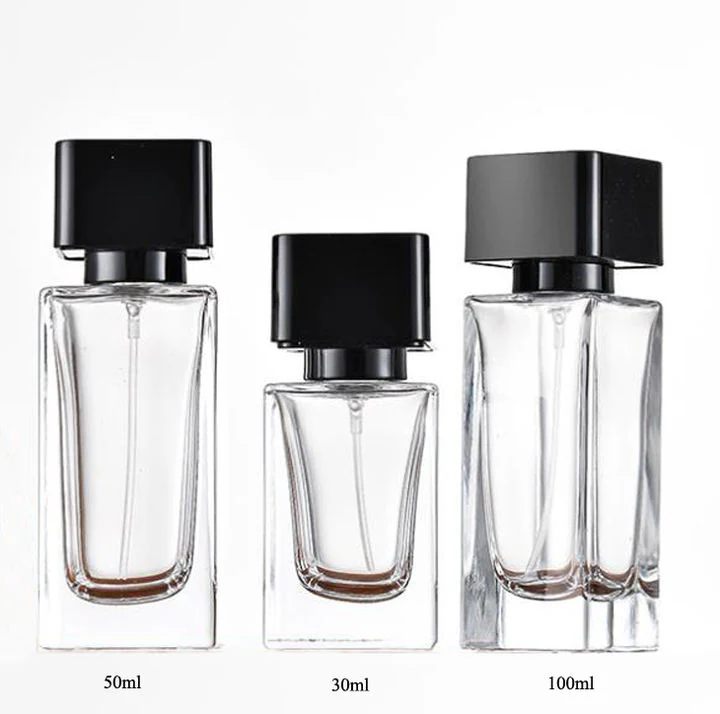
The company provides custom-designed perfume bottles, specialty wine containers, and decorative jars. Eco-friendly production and advanced finishing techniques are key selling points. Certifications in quality and sustainability help attract premium clients.
| Company | Founded | Core Products | Industries | Certifications |
|---|---|---|---|---|
| Libyan Glass Industries | 20th Century | Beer, soft drink, medicinal bottles | Beverage, Food, Pharma | Safety & Quality |
| Tripoli Glass Packaging | 21st Century | Soft drinks, wine, perfume bottles | Beverage, Cosmetics | Sustainability & Quality |
| Benghazi Glass & Containers | Recent | Perfume & gourmet bottles | Cosmetics, Gourmet, Spirits | Sustainability & Quality |
Part 3: Trade Shows and Industry Events
Libya International Trade Fair
Libya International Trade Fair provides a platform for packaging companies to showcase glass bottles to local and regional buyers.
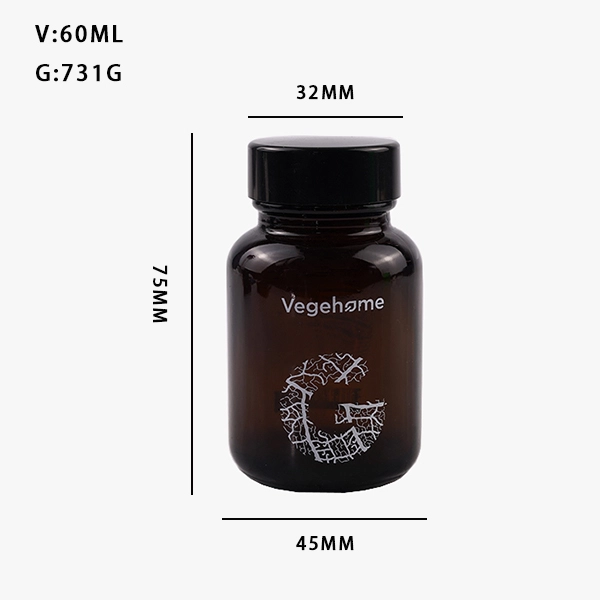
Held annually in Tripoli, it highlights innovative packaging solutions, sustainable practices, and business networking. Manufacturers use this fair to connect with distributors and expand market visibility.
North Africa Packaging Expo
A regional exhibition, North Africa Packaging Expo attracts packaging manufacturers from Libya and neighboring countries.
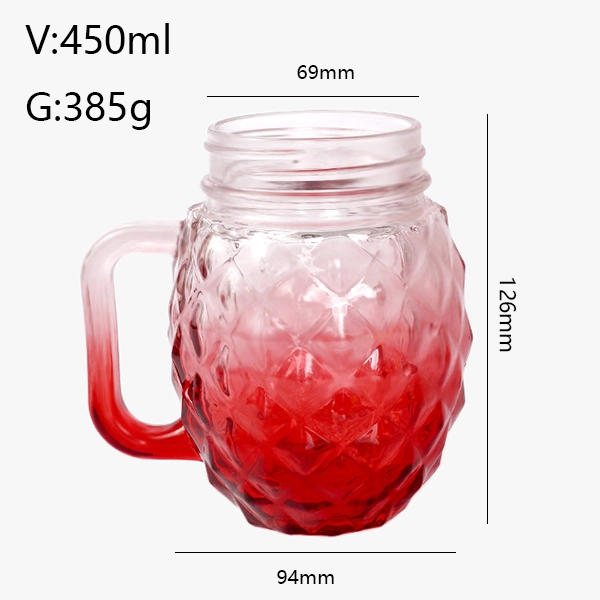
The expo focuses on glass, plastic, and metal packaging solutions. Innovation, sustainability, and export opportunities are key highlights. Libyan manufacturers attend to explore regional markets and adopt new technologies.
| Event | Date | Location | Highlights |
|---|---|---|---|
| Libya International Trade Fair | Annual | Tripoli, Libya | Product showcases, networking, sustainable practices |
| North Africa Packaging Expo | Biennial | Rotating North Africa | Innovation, eco-packaging, export opportunities |
Part 4: Impact of Global Trade Policies
Global trade policies impact Libya’s glass bottle industry by influencing import tariffs, access to machinery, and raw materials. Political instability and regional trade agreements affect competitiveness. Manufacturers often rely on recycled glass and local sourcing to manage production costs.
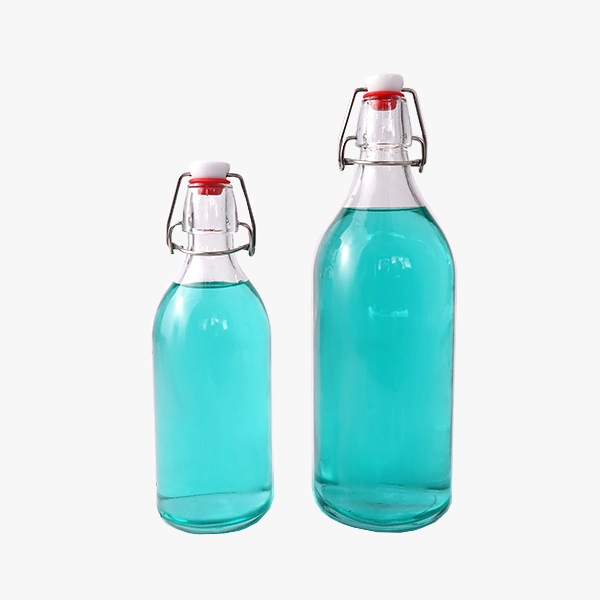
Local initiatives encourage domestic production and eco-friendly practices. Supply chain risks remain due to infrastructure challenges. Focus on quality, customization, and sustainable production helps Libyan manufacturers remain competitive regionally.
Part 5: Conclusion
Libya’s glass bottle industry serves key sectors like beverages, cosmetics, and gourmet foods. Companies that prioritize eco-friendly production, flexible design, and high-quality standards are positioned for growth.
Challenges include infrastructure limitations, supply chain disruptions, and regional competition. Success depends on innovation, sustainability, and leveraging regional trade partnerships to expand domestic and export markets.
Recommended Reading:
- Glass Bottle Manufacturers in Bolivia
- Glass Bottle Manufacturers in Kosovo
- Glass Bottle Manufacturers in Kuwait
- Glass Bottle Manufacturers in Serbia
- Glass Bottle Manufacturers in Oman
- Glass Bottle Manufacturers in Palestine
- Glass Bottle Manufacturers in Zimbabwe
- Glass Bottle Manufacturers in Zambia
1oz 2oz 4oz 6oz 9oz 11oz 15oz Glass Jam Jars with Lid
Glass Monkey Jar with Clip Cap
180ml 220ml 320ml Glass Paragon Jars Wholesale
Wholesale black round perfume bottles 100ml