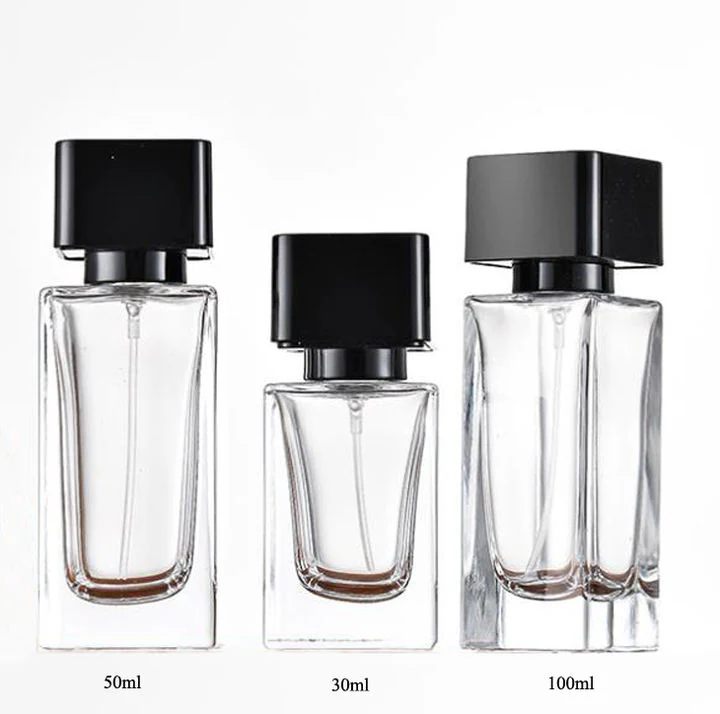

Part 1: Market Size and Growth
Argentina’s glass manufacturing industry has a long tradition rooted in craftsmanship and innovation. The market for glass cups has expanded in recent years, supported by both domestic consumption and export growth. Local demand has been fueled by the country’s strong hospitality sector, a rising café culture, and growing appreciation for artisanal tableware.

The expansion of restaurants, hotels, and boutique coffee shops has increased the need for high-quality and durable glass cups. Argentine manufacturers now offer both machine-made and hand-blown glassware that serves diverse sectors. Customization and design innovation are becoming key drivers, especially for clients in retail, corporate gifting, and the beverage industry.
Economic reforms and investment incentives have also contributed to the modernization of Argentina’s glass industry. The government encourages companies to adopt energy-efficient furnaces and recyclable materials. This push toward sustainable manufacturing aligns with global environmental trends, allowing Argentine glass cup producers to compete internationally while maintaining a distinct local design identity.
Part 2: Leading Companies
Cattorini Hermanos S.A.
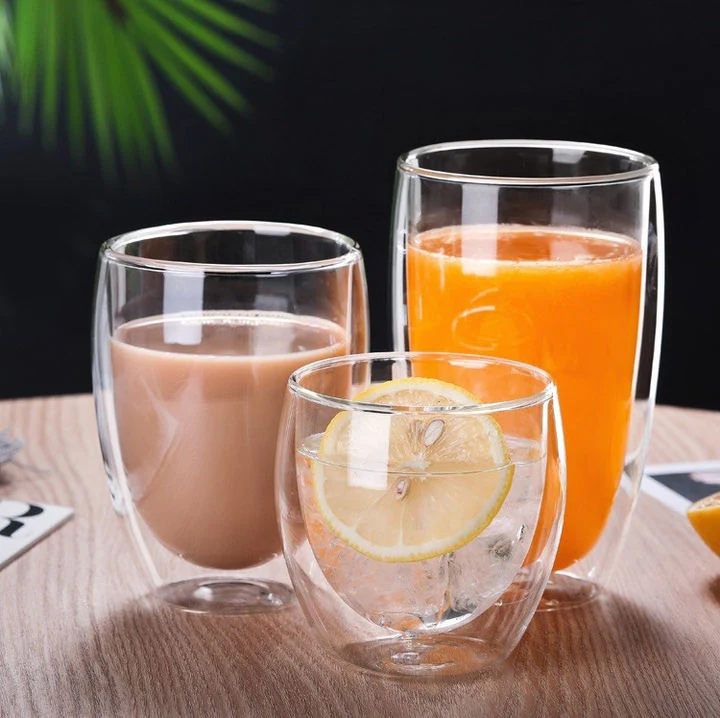
Founded in 1907 in Buenos Aires, Cattorini Hermanos S.A. is one of Argentina’s leading glass manufacturers. The company produces a wide range of glass containers, bottles, and tableware, including cups and tumblers. Its legacy spans more than a century, combining industrial capability with a commitment to innovation.
Cattorini serves multiple industries, such as beverages, hospitality, and homeware. It focuses on providing durable, elegant glass cups for restaurants and hotels while maintaining strong relationships with local wine and spirits producers. The company’s high-volume production and consistent quality have earned it a reputation for reliability.
Technological advancements include automated forming machines and precision quality control systems. The company also invests in recycling programs, reusing up to 70% of glass waste. Cattorini holds ISO 9001 certification and has been recognized for its contribution to Argentina’s sustainable industrial development.
Rigolleau S.A.

Rigolleau S.A., established in 1882, is Argentina’s largest and most well-known glass manufacturer. Located in Berazategui, Buenos Aires Province, Rigolleau operates one of the most advanced glass production facilities in South America. Its glass cups are popular across Latin America and are known for their clarity, strength, and affordable pricing.
The company’s portfolio includes drinking glasses, jars, bottles, and kitchenware. Rigolleau supplies both consumer and industrial clients, including food, beverage, and hospitality businesses. Its products are also exported to neighboring countries such as Chile, Uruguay, and Brazil.
Rigolleau’s innovation lies in its energy-efficient production systems and advanced molding technology. The firm is committed to sustainability, recycling tons of post-consumer glass annually. Rigolleau is certified under ISO 14001 and ISO 9001 and has received national awards for environmental performance and technological excellence.
Cristalería San Carlos

Cristalería San Carlos is a boutique glass manufacturer located in Santa Fe Province. Founded in 1948, it specializes in handmade glassware with a focus on design, artistry, and customization. Its glass cups are known for their vivid colors, artistic patterns, and smooth finishes that reflect the brand’s Argentine heritage.
The company mainly serves restaurants, hotels, and retail shops that value craftsmanship. Its products are also popular among collectors and gift stores, blending traditional techniques with modern design. Cristalería San Carlos exports limited-edition collections to Latin America and Europe.
Technological highlights include hand-blown production and fusion color processes that enhance product aesthetics. The company has received design awards from the Argentina Industrial Design Council and continues to represent the artistic side of Argentina’s glass manufacturing scene.
| Company | Founded | Core Products | Industries | Certifications |
|---|---|---|---|---|
| Cattorini Hermanos S.A. | 1907 | Cups, Bottles, Tableware | Hospitality, Beverage | ISO 9001 |
| Rigolleau S.A. | 1882 | Glass Cups, Jars, Bottles | Food & Beverage, Retail | ISO 9001, ISO 14001 |
| Cristalería San Carlos | 1948 | Handcrafted Glass Cups | Artisanal, Retail | Design Awards |
Part 3: Trade Shows and Industry Events
Fitecma Buenos Aires
Fitecma, held in Buenos Aires, is one of Argentina’s largest trade shows for industrial technology, materials, and design. While originally focused on wood and furniture, it now includes tableware, kitchenware, and home décor exhibitors. Glass cup manufacturers participate to showcase new production methods, sustainable materials, and creative designs.
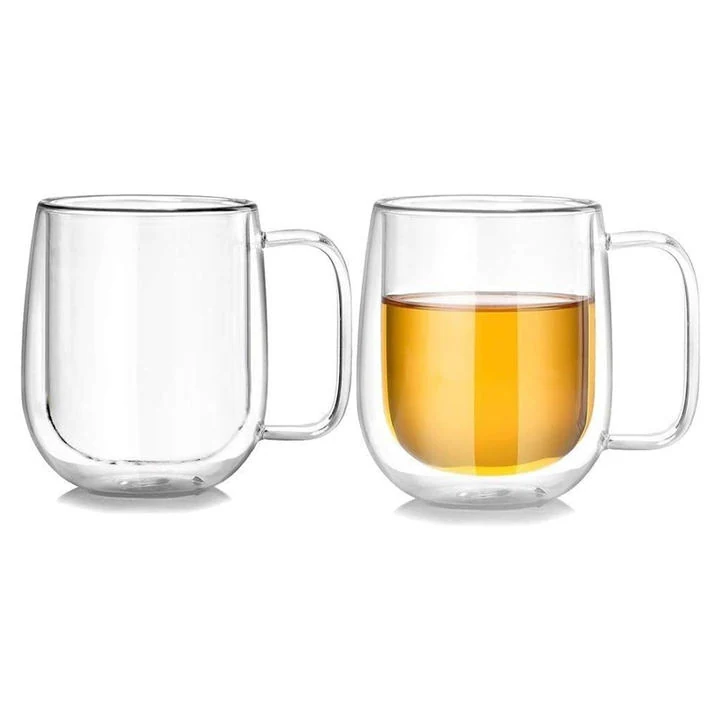
This event usually takes place in July and attracts thousands of professionals from Latin America. Exhibitors use it to network with importers, distributors, and design studios. The fair’s highlight includes live demos of modern machinery and discussions on eco-friendly manufacturing processes that are reshaping the glass industry in Argentina.
ExpoFerretera
ExpoFerretera is an international trade fair dedicated to industrial supplies, tools, and materials, but it also features a strong section on household and kitchen products. Many Argentine glass manufacturers use this platform to connect with buyers from construction, retail, and hospitality sectors. The event emphasizes industrial collaboration and export readiness.
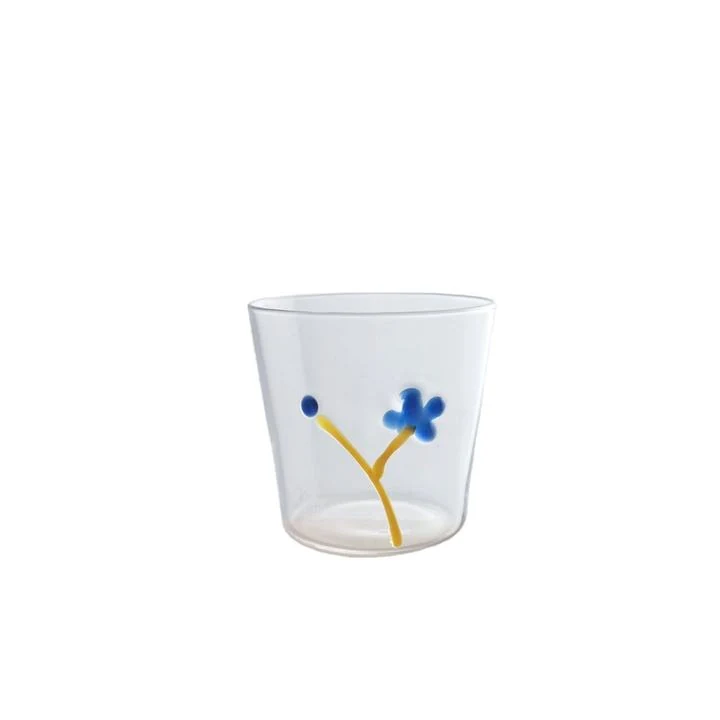
Held every two years in Buenos Aires, ExpoFerretera provides a venue for introducing new glass cup designs and forging B2B relationships. The exhibition draws both local distributors and international sourcing agents, making it a key event for expanding the global presence of Argentine manufacturers.
| Event | Date | Location | Highlights |
|---|---|---|---|
| Fitecma Buenos Aires | July (Biennial) | Buenos Aires | Design, Materials, Eco-friendly Glass |
| ExpoFerretera | Biennial | Buenos Aires | Industrial Networking, Export Expansion |
Part 4: Impact of Global Trade Policies
Argentina’s glass manufacturing industry is influenced by both global and regional trade dynamics. The country’s membership in Mercosur, the South American trade bloc, plays a vital role in shaping its export potential. Free trade agreements with neighboring countries allow glass cup manufacturers to access larger markets with minimal tariffs, especially in Brazil, Uruguay, and Paraguay.

However, international challenges such as currency fluctuations and import restrictions can impact raw material costs and production stability. Glass manufacturing depends heavily on natural gas and silica sand, and price shifts in these materials affect profitability. To mitigate risks, Argentine producers are investing in energy-efficient systems and recycling initiatives.
Global environmental policies are also reshaping the sector. Many buyers now prioritize suppliers that comply with sustainable sourcing and carbon reduction standards. Argentine glass companies have started to integrate these practices, focusing on cleaner energy, recycled inputs, and reduced emissions. This trend not only improves global competitiveness but also aligns with Argentina’s growing green manufacturing strategy.
The pandemic-era disruptions taught local manufacturers the value of supply chain independence. Today, there’s a stronger focus on developing domestic capacity for molds, packaging, and design resources. Local substitution policies are promoting the use of Argentine materials, reducing dependency on imports while supporting local jobs and innovation.
Overall, Argentina’s position in the global glassware market is one of adaptability. The combination of traditional craftsmanship, modern technology, and regional cooperation gives the industry a strong foundation for continued growth, even amid global trade shifts.
Part 5: Conclusion
Argentina’s glass cup manufacturing industry is a blend of tradition, resilience, and innovation. From century-old factories like Rigolleau and Cattorini to boutique studios such as Cristalería San Carlos, the sector showcases both industrial strength and artistic excellence. These manufacturers balance large-scale production with creative design, meeting the diverse needs of domestic and international buyers.
Looking forward, the industry faces challenges in energy costs, logistics, and global competition. Yet these very challenges are driving transformation—toward renewable energy, digital manufacturing, and sustainable materials. With continued investment, design evolution, and strong trade networks, Argentina’s glass cup manufacturers are well-prepared to shine in both regional and global markets.
Recommended Reading:
- Glass Cup Manufacturer Israel
- Glass Cup Manufacturer Norway
- Glass Cup Manufacturer UAE
- Glass Cup Manufacturer Austria
- Glass Cup Manufacturer Ireland
- Glass Cup Manufacturer Thailand
- Glass Cup Manufacturer Belgium
- Glass Cup Manufacturer Sweden
Clear Swing Top Bottles For Kombucha 520ml
12ml Glass Attar essence Oil Bottles Fancy Design Mini Small Refillable
5ml 8ml 10ml Empty Refillable Roll On Perfume Bottles With Cap
Glass Bottle Manufacturers in Algeria