Skip to content
Part 1: Market Size and Growth
Belgium has a long and elegant history in glassmaking, especially in the field of crystal and decorative glass. While the country is not as large a manufacturer of mass-market drinkware as its neighbors, it is known for premium glass craftsmanship, artistic design, and export of high-value products. The tradition dates back to the 19th century, when Belgian artisans built a reputation for refined crystal cutting and delicate transparency.
Today, the Belgian glass cup market remains niche but influential. Domestic demand focuses on tableware, hospitality, design retail, and corporate gifts. Exports target Western Europe, the Middle East, and Asian luxury retailers. The combination of artistry, European quality, and design storytelling gives Belgian manufacturers an edge in boutique and collectible glassware.
The industry faces challenges such as high energy costs, labor expenses, and competition from low-cost regions. However, Belgium’s central location, EU market access, and design-driven tradition help its glass factories stay competitive. Many are transforming from purely artisanal workshops into sustainable, technology-supported studios while maintaining the elegance of handmade craft.
Part 2: Leading Companies
Belgium’s glassware industry features a blend of historical crystal houses and modern studios focusing on innovation, sustainability, and brand customization. Below are three representative companies.
Val Saint Lambert
Founded in 1826 in Seraing, Val Saint Lambert is the most prestigious Belgian crystal manufacturer. Its craftsmanship is world-renowned, blending art, tradition, and luxury into every piece. The company has supplied royal families, embassies, and collectors for nearly two centuries.
Its core products include crystal drinking glasses, wine goblets, decanters, vases, and ornamental glass cups. Each item is hand-cut and polished by artisans, often customized for limited editions or bespoke commissions. Clients include luxury hotels, design boutiques, and corporate gift programs.
Val Saint Lambert’s strength lies in precision cutting, crystal clarity, and complex geometric patterns. It operates under strict EU standards for environmental and product quality compliance. The brand has won international awards and remains an icon of Belgian design and cultural heritage.
Ayano Europe
Ayano Europe, with operations in Belgium, offers a modern take on industrial glassware manufacturing. It specializes in producing customized drinkware, glass bottles, and decorative glass for B2B clients in the food, beverage, and hospitality sectors.
The company combines automated production with creative design. Its services include logo engraving, surface coating, color tinting, and personalized branding. Customers range from beverage brands to restaurant chains and promotional product suppliers seeking European-made, high-quality glass cups.
Ayano’s key innovation lies in digital printing on glass, high-precision molding, and integration of design with scalable production. The firm positions itself as a flexible OEM and ODM partner that merges creativity and industrial efficiency. Its operations follow ISO standards and sustainability protocols required for EU exports.
Alterglass
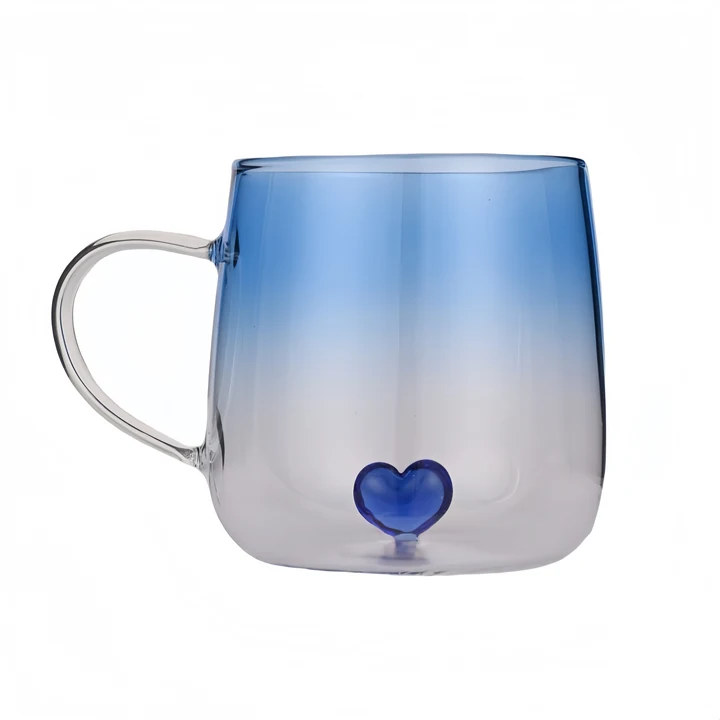
Alterglass is a newer Belgian company focused on sustainable and safe glassware. Based in Soignies, it emphasizes reusable, reinforced, and recyclable glass cups designed for long-term use in public venues, hotels, and catering environments.
Its product line includes tempered glass drinkware, stackable glasses for catering, and durable reusable cups that replace single-use plastics. Alterglass serves hospitality, events, education, and design markets, offering both functional and eco-conscious solutions.
The company’s innovation is in material engineering—using reinforced glass formulas that improve shock resistance and extend product lifespan. It promotes a sustainable production model aligned with EU recycling directives. Alterglass represents the new generation of Belgian glassmakers combining safety, function, and green innovation.
Company Comparison Table
| Company | Founded | Core Products | Industries Served | Certifications / Highlights |
|---|---|---|---|---|
| Val Saint Lambert | 1826 | Crystal drinkware, vases, art glass | Luxury, hotel, gift, design | Hand-cut crystal, EU eco-cert, heritage brand |
| Ayano Europe | 20th century | Drinkware, decorative glass, branded cups | Beverage, restaurant, B2B | ISO, surface decoration, digital printing tech |
| Alterglass | Recent | Reusable reinforced glass cups | Hospitality, public events | Eco-certified, sustainable design, durability focus |
Part 3: Trade Shows and Industry Events
Belgian Crystal & Glass Expo
This event highlights Belgium’s crystal and decorative glass tradition. It is usually held in cities such as Liège or Brussels, attracting artisans, designers, buyers, and collectors.
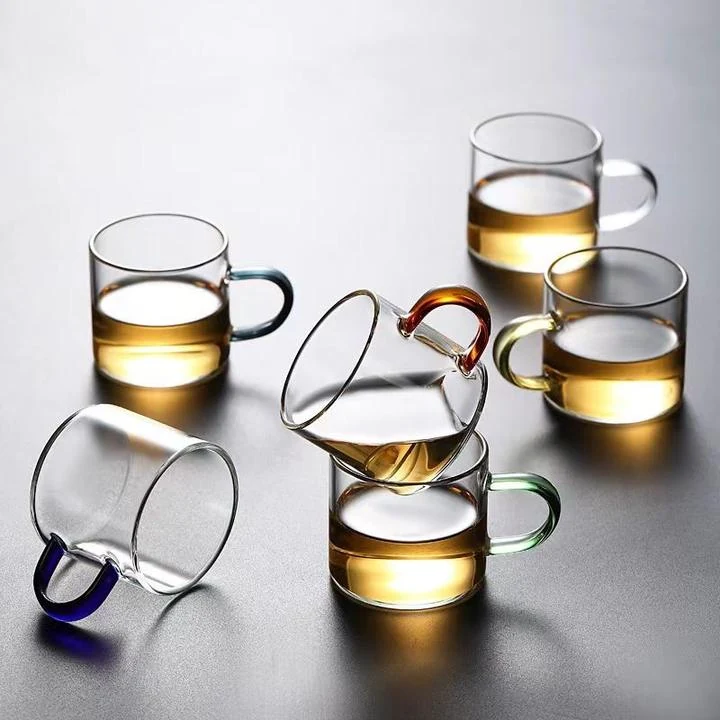
The exhibition focuses on crystal glassware, luxury drinkware, and handcrafted décor. Visitors can explore live cutting demonstrations, product design showcases, and networking sessions between manufacturers and international retailers. It celebrates both cultural heritage and modern innovation in glassmaking.
Highlights include artistic collaborations, heritage restoration projects, and eco-friendly glass presentations. The event provides a platform for Belgian manufacturers to strengthen their identity as creators of refined European glass.
Maison & Objet (Belgian Exhibitors)
Although based in Paris, the Maison & Objet international trade fair features several Belgian exhibitors every year, including glass cup and tableware producers.
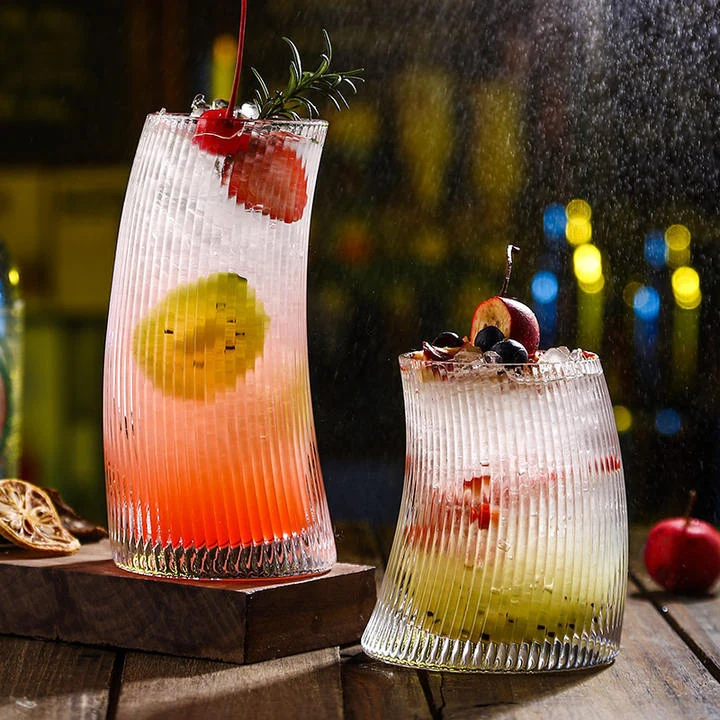
The event gathers global leaders in home décor, lifestyle design, and craftsmanship. Belgian brands use it to reach new distributors, interior designers, and luxury buyers. Many showcase both classic and contemporary collections of glass drinkware and decorative cups.
Highlights include cross-category design trends, buyer matchmaking, and sustainability awards. For Belgian glass manufacturers, participating in Maison & Objet helps connect their tradition-rich artistry with global contemporary design markets.
Event Summary Table
| Event | Date (Typical) | Location | Highlights |
|---|---|---|---|
| Belgian Crystal & Glass Expo | Annual / Biennial | Liège or Brussels | Live demos, heritage glass, design workshops |
| Maison & Objet (Belgian exhibitors) | Twice a year | Paris, France | Luxury design trends, international exposure |
Part 4: Impact of Global Trade Policies
Belgium’s glass cup industry operates under the European Union’s trade and environmental framework. Being part of the EU gives it free access to European markets and tariff advantages, but also requires strict compliance with safety, recycling, and energy standards.
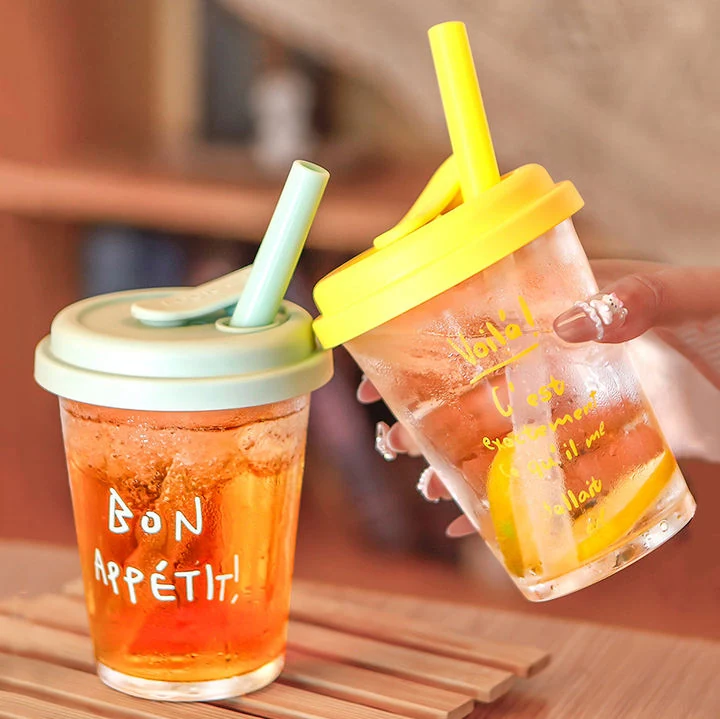
High energy prices across Europe directly affect glass production, which is energy-intensive. Belgian companies respond by investing in efficient furnaces, solar energy, and recycled materials. EU programs such as Horizon Europe and Green Deal initiatives support these modernization efforts.
Global competition, especially from Asia and Eastern Europe, continues to challenge Belgian manufacturers on price. However, they counter this by focusing on design, customization, and sustainability. Belgium’s central logistics hub position—close to France, Germany, and the Netherlands—helps in fast distribution across the continent.
Trade agreements with non-EU countries, including Canada and Japan, also open high-value export markets for Belgian glass cups. These policies encourage Belgian manufacturers to remain focused on quality differentiation rather than volume production.
Part 5: Conclusion
Belgium’s glass cup manufacturing industry represents heritage refined through innovation. From the historic precision of Val Saint Lambert to the industrial flexibility of Ayano and the eco-conscious philosophy of Alterglass, the country demonstrates that craftsmanship and modernity can coexist.
The opportunities lie in sustainability, branding, and cross-industry collaborations. By combining glass artistry with new technologies, Belgian manufacturers can maintain their status as symbols of European elegance and design excellence.
However, challenges persist—rising production costs, strict EU environmental rules, and global price competition test resilience. The future success of Belgian glass cup manufacturing depends on continuous innovation, green transformation, and maintaining the timeless appeal of Belgian craftsmanship in a globalized market.
Recommended Reading:
- Glass Cup Manufacturer Sweden
- Glass Cup Manufacturer Poland
- Glass Cup Manufacturer Iran
- Glass Cup Manufacturer Taiwan
- Glass Cup Manufacturer Switzerland
- Glass Cup Manufacturer Saudi Arabia
- Glass Cup Manufacturer Netherlands
- Glass Cup Manufacturer Turkey
50ml Clear Square Perfume Bottles Glass With Lid And Sprayer
5 oz 12 oz Glass Woozy Bottles Wholesale
Ombre Ribbed Glass Coffee Cup With Lid And Straw
Swing top glass bottles 500ml Manufacturers