Skip to content

Part 1: Market Size and Growth
Bhutan’s glass manufacturing industry is still in its early stages, but it reflects the country’s broader vision for sustainable industrial development and environmental preservation. With increasing tourism, hospitality, and consumer demand, local businesses are starting to explore opportunities in glass cup manufacturing, recycling, and artisanal glass production.

Most glassware in Bhutan is imported from India, China, and Thailand. However, local enterprises and community projects have begun producing small-scale glass products using recycled materials and traditional craftsmanship. These initiatives support Bhutan’s national philosophy of Gross National Happiness (GNH) by promoting green industry, self-reliance, and social welfare.
Government programs through the Ministry of Economic Affairs and the Cottage and Small Industry (CSI) division encourage local innovation and eco-friendly production. With rising domestic demand and access to regional markets through India and Bangladesh, Bhutan’s glass cup industry is expected to grow steadily in the coming years.
Part 2: Leading Companies
Bhutan Glass Factory
Bhutan Glass Factory, established in 2010 near Phuentsholing, is the country’s primary glass production facility. Initially focused on construction and container glass, it has expanded into tableware and glass cup manufacturing for domestic markets and hospitality clients.

The company produces drinkware, jars, and decorative glass using modern kilns and recycled materials. Its innovation lies in adopting energy-efficient furnaces and water-recycling systems, reducing both costs and environmental impact. Bhutan Glass Factory serves hotels, restaurants, and retail shops, supplying durable and eco-friendly glassware. It holds national quality certification and has received recognition for sustainable manufacturing from the Bhutan Standards Bureau.
Druk EcoGlass
Druk EcoGlass, founded in 2016 in Thimphu, is a small but innovative enterprise focused on recycled and handmade glass cups and décor. The company collects discarded glass bottles and repurposes them into drinkware and artistic pieces for hotels, cafés, and gift stores.
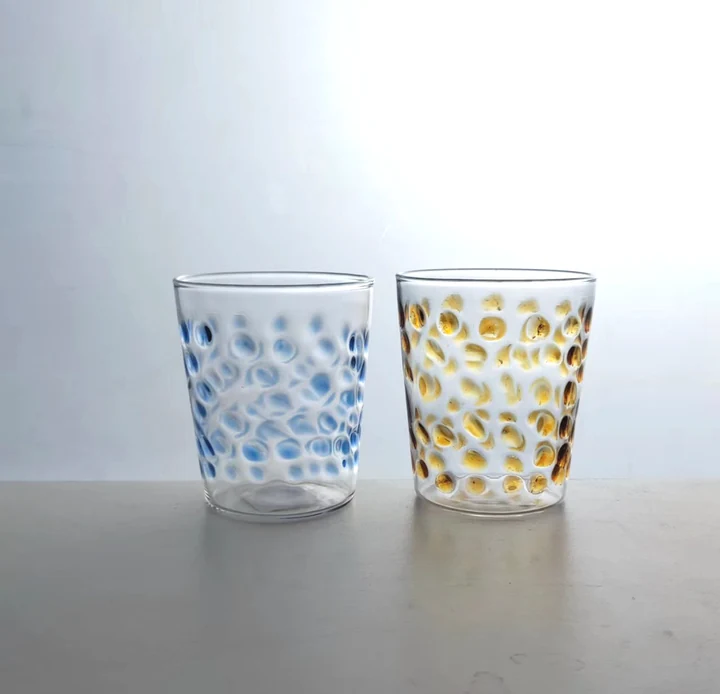
Druk EcoGlass promotes sustainability by training local artisans, especially women and youth, in glass recycling techniques. Its innovation lies in the use of low-emission furnaces powered partly by solar energy and its integration of Bhutanese cultural motifs into product design. The company collaborates with NGOs supporting green entrepreneurship and has received awards for environmental innovation from the Ministry of Labour and Human Resources.
Himalayan Art Glass Studio
Himalayan Art Glass Studio, founded in 2018 in Paro, represents the artistic and cultural side of Bhutan’s emerging glass industry. It produces handcrafted glass cups, decorative drinkware, and custom-designed art pieces that highlight Bhutanese traditions and Buddhist symbolism.

Its customers include boutique hotels, resorts, and international art collectors. Himalayan Art Glass Studio’s innovation lies in combining ancient glass-blowing techniques with locally sourced materials and eco-conscious practices. The studio also runs educational workshops on sustainable design and cultural heritage. It has been recognized by the Bhutan Chamber of Commerce and Industry for promoting creative industries and rural employment.
| Company | Founded | Core Products | Industries | Certifications |
|---|---|---|---|---|
| Bhutan Glass Factory | 2010 | Cups, jars, containers | Hospitality, Retail | National Quality Certification |
| Druk EcoGlass | 2016 | Recycled cups, décor | Eco-tourism, Retail | Environmental Innovation Award |
| Himalayan Art Glass Studio | 2018 | Handmade cups, art glass | Tourism, Gift Retail | Creative Industry Recognition |
Part 3: Trade Shows and Industry Events
Bhutan International Trade Fair (BITF)
The Bhutan International Trade Fair is the country’s largest multi-sector exhibition, held annually in Thimphu. It attracts both domestic and international participants across industries such as handicrafts, manufacturing, and hospitality. Glass cup manufacturers showcase their products, explore export partnerships, and promote sustainable craftsmanship.
The event typically takes place every April and features product exhibitions, business forums, and sustainability panels. Highlights include green technology showcases, entrepreneurship awards, and regional trade meetings. For companies like Bhutan Glass Factory and Druk EcoGlass, BITF offers exposure to investors and distributors from India, Nepal, and Bangladesh.
Mountain Artisan Craft Expo
The Mountain Artisan Craft Expo focuses on handmade and sustainable products from Bhutan and other Himalayan nations. It celebrates artisans who blend traditional skills with modern sustainable design, including glass cup producers and eco-designers.
Held every November in Paro, the expo features exhibitions, cultural performances, and artisan training workshops. Highlights include eco-product competitions, live demonstrations, and fair-trade collaborations. It supports local producers in expanding their market presence and reinforces Bhutan’s reputation for eco-conscious craftsmanship.
| Event | Date | Location | Highlights |
|---|---|---|---|
| Bhutan International Trade Fair (BITF) | April (annual) | Thimphu | Industrial showcases, business networking |
| Mountain Artisan Craft Expo | November (annual) | Paro | Handmade glass, eco-product design |
Part 4: Impact of Global Trade Policies
Bhutan’s glass cup manufacturing industry operates within a framework of sustainable economic policy and regional trade cooperation. The country benefits from preferential trade agreements with India and participation in the South Asian Association for Regional Cooperation (SAARC). These agreements simplify export processes and provide access to larger South Asian markets.
Bhutan’s strong environmental policies influence how manufacturers operate. The government encourages the use of renewable energy, waste recycling, and green materials through tax incentives and grants. For glass producers, this has created opportunities to invest in solar power, clean production technology, and eco-friendly design innovation.
Challenges include limited industrial machinery, small-scale production, and high transportation costs due to mountainous geography. However, collaborations with regional partners in India and Nepal are helping Bhutanese manufacturers access modern technology and raw materials. As global consumers increasingly prefer sustainable and handmade products, Bhutan’s reputation for eco-ethical craftsmanship gives its glassware a unique competitive edge.
Part 5: Conclusion
Bhutan’s glass cup manufacturing industry may still be small, but it represents a powerful example of how sustainability and culture can shape modern industry. Companies such as Bhutan Glass Factory, Druk EcoGlass, and Himalayan Art Glass Studio are pioneering eco-friendly production while preserving artisanal traditions. Their focus on recycling, renewable energy, and community training aligns perfectly with Bhutan’s national values.
At the same time, the sector faces challenges including limited scale, import dependency, and logistical barriers. Continued investment in technology, regional cooperation, and skill development will be key to its future growth. With its commitment to environmental protection, cultural integrity, and sustainable innovation, Bhutan is emerging as a model for eco-conscious glass cup manufacturing in the Himalayan region.
Recommended Reading:
- Glass Cup Manufacturer Benin
- Glass Cup Manufacturer Belize
- Glass Cup Manufacturer Belarus
- Glass Cup Manufacturer Barbados
- Glass Cup Manufacturer Bahrain
- Glass Cup Manufacturer Bahamas
- Glass Cup Manufacturer Azerbaijan
- Glass Cup Manufacturer Armenia
Wholesale 10Ml Flat Glass Perfume Bottle Refillable Atomizer
200ml 350ml Glass Milk bottles With screw cap
170ml Glass Grenade Bottle With Screwed Silver Metal Cap
Matte Black Airtight Glass Spice Jars 45ml 60ml