Skip to content
Part 1: Market Size and Growth
Bosnia and Herzegovina’s glass manufacturing industry is one of the oldest in the Balkans, with a long tradition of craftsmanship and industrial expertise. The country’s strategic location, skilled labor, and access to raw materials make it an important glassware producer for both local and European markets. Over the past decade, the industry has diversified from industrial glass into tableware, decorative glass, and household products such as cups and tumblers.
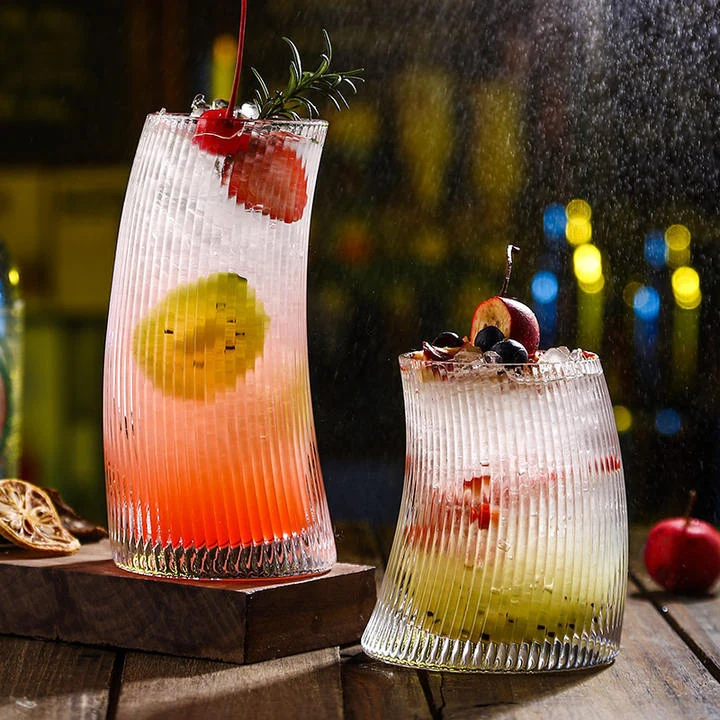
The demand for glass cups and tableware in Bosnia and Herzegovina has grown steadily due to the expansion of the hospitality and beverage sectors. Hotels, restaurants, and cafés across Sarajevo, Banja Luka, and Mostar are increasingly adopting locally made glassware that combines affordability with quality. Exports to neighboring countries such as Croatia, Serbia, and Slovenia have also increased, thanks to trade agreements within the Central European Free Trade Agreement (CEFTA) framework.
Government programs promoting small and medium-sized manufacturing enterprises have boosted innovation and production efficiency. With its blend of industrial tradition, design creativity, and competitive labor costs, Bosnia and Herzegovina’s glass cup manufacturing industry continues to strengthen its role in the regional market.
Part 2: Leading Companies
Staklo Lukavac
Staklo Lukavac, established in 1989 in the city of Lukavac, is one of the country’s leading producers of industrial and household glass. The company manufactures glass cups, bottles, and jars using modern production lines and sustainable processes. It exports to both European and Middle Eastern markets.
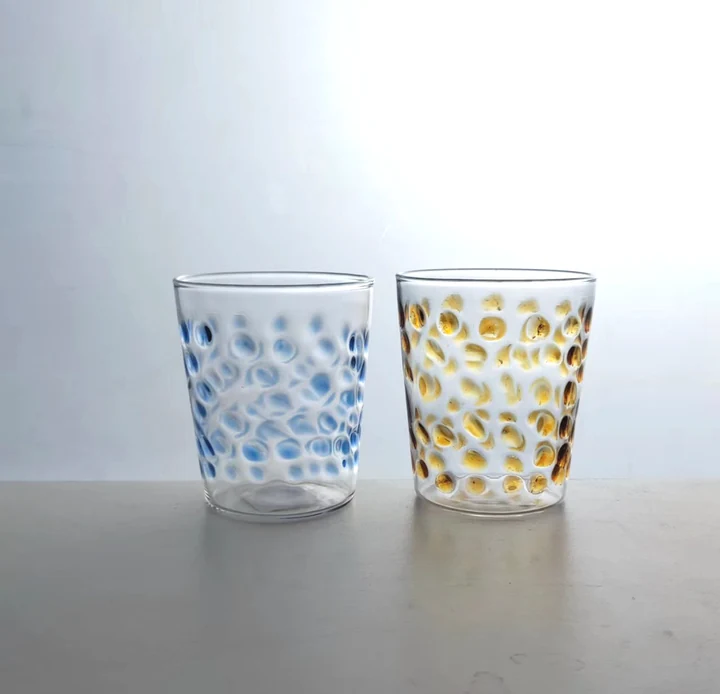
Its product line includes tumblers, drinking glasses, and storage jars. Staklo Lukavac’s innovation lies in combining automated production with energy-efficient furnaces and recycled glass materials. The company serves beverage producers, hotels, and retail chains, and it holds ISO 9001 certification. It has received national awards for industrial excellence and environmental management.
Bimal Glass Design
Bimal Glass Design, founded in 2005 in Sarajevo, is a design-oriented manufacturer specializing in decorative and customized glass cups for the hospitality industry. It caters to cafés, restaurants, and boutique hotels seeking personalized, high-end tableware solutions.
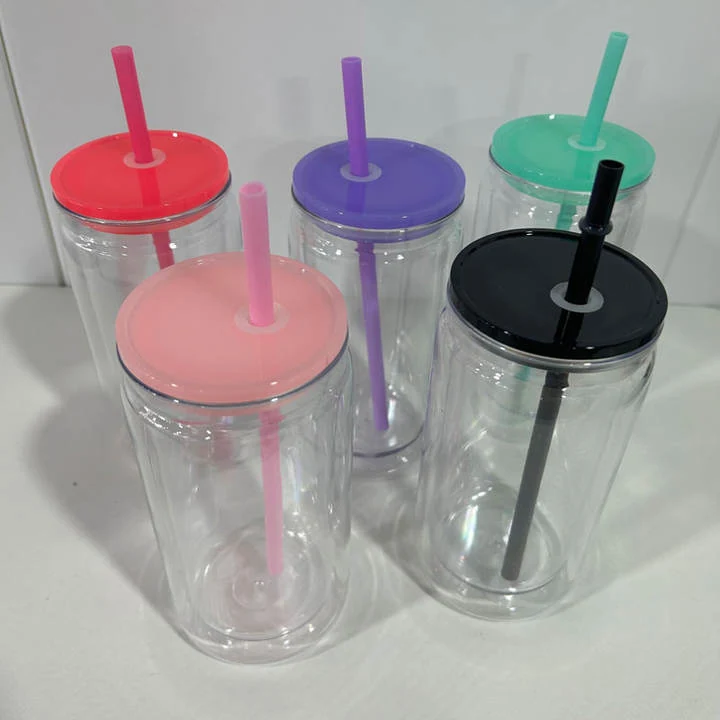
The company’s products include customized glass cups, etched tumblers, and promotional glass sets. Bimal Glass Design’s innovation lies in laser engraving and small-batch production flexibility, allowing rapid turnaround for bespoke designs. It collaborates with architects and designers to create products tailored to client needs. The company holds national quality certification and participates in European design fairs.
ArtGlass Studio Mostar
ArtGlass Studio Mostar, established in 2013, represents the artistic side of Bosnia’s glass industry. The studio produces handcrafted glass cups, art pieces, and decorative glassware inspired by Balkan and Mediterranean motifs. Its products are sold in boutique shops and exported to Western Europe.

The studio’s innovation lies in fusing traditional glass-blowing with modern design aesthetics. Each glass cup is handmade from recycled materials, emphasizing sustainability and cultural storytelling. ArtGlass Studio Mostar trains young artisans and has received recognition from the Bosnia and Herzegovina Handicraft Association for cultural preservation and creative entrepreneurship.
| Company | Founded | Core Products | Industries | Certifications |
|---|---|---|---|---|
| Staklo Lukavac | 1989 | Cups, bottles, jars | Beverage, Retail | ISO 9001 |
| Bimal Glass Design | 2005 | Custom cups, décor glass | Hospitality, Design | National Quality Certification |
| ArtGlass Studio Mostar | 2013 | Handmade cups, art glass | Tourism, Gift Retail | Handicraft Association Award |
Part 3: Trade Shows and Industry Events
Sarajevo Business Forum (SBF)
The Sarajevo Business Forum is one of the most influential business and investment events in Southeast Europe. It brings together manufacturers, investors, and entrepreneurs from across the region. Glass cup producers participate to attract investment, showcase innovation, and build export relationships.
Held annually in May, the event includes business panels, trade exhibitions, and investment networking sessions. Highlights include industrial innovation awards, regional cooperation projects, and sustainability workshops. For companies like Staklo Lukavac and Bimal Glass Design, SBF provides valuable access to foreign markets and development partners.
International Crafts and Design Fair (INTERCRAFT)
The International Crafts and Design Fair, held annually in Mostar, focuses on handmade products, creative design, and sustainable craftsmanship. Glass cup manufacturers and artisans use the event to present their handmade collections and connect with international buyers.

The fair features live workshops, exhibitions, and design awards. Highlights include eco-design showcases, artisan collaborations, and youth training sessions. For studios like ArtGlass Mostar, it’s an important venue to gain visibility and strengthen export opportunities within Europe’s creative markets.
| Event | Date | Location | Highlights |
|---|---|---|---|
| Sarajevo Business Forum (SBF) | May (annual) | Sarajevo | Investment networking, industrial showcases |
| International Crafts and Design Fair (INTERCRAFT) | September (annual) | Mostar | Handmade glass, eco-design exhibits |
Part 4: Impact of Global Trade Policies
Bosnia and Herzegovina’s glass cup manufacturing sector benefits from its participation in CEFTA and close trade relations with the European Union. These agreements simplify export procedures and provide access to regional and international markets. Glass producers enjoy reduced tariffs and logistical advantages, particularly for shipments to neighboring Balkan countries.
The government’s Industrial Policy Framework emphasizes modernization, green manufacturing, and SME development. Companies adopting energy-efficient technologies and recycling practices receive grants and low-interest loans through EU-supported programs. This has encouraged local manufacturers to invest in digital production systems and renewable energy solutions.
Challenges remain, particularly in energy costs and limited access to high-quality raw materials. However, Bosnia’s natural resources and its skilled glassworkers give it a competitive edge in the regional market. The industry’s alignment with EU environmental standards also strengthens its reputation as a sustainable producer of glassware.
Part 5: Conclusion
Bosnia and Herzegovina’s glass cup manufacturing industry stands at the intersection of tradition, technology, and sustainable innovation. From industrial leaders like Staklo Lukavac to design-focused firms like Bimal Glass and artisan workshops like ArtGlass Mostar, the country demonstrates impressive versatility and creativity in glass production.
At the same time, the sector faces challenges including energy expenses, modernization needs, and competition from imported goods. Continued investment, export diversification, and environmental innovation will be essential for maintaining momentum. With its combination of craftsmanship, modern design, and industrial efficiency, Bosnia and Herzegovina is emerging as a regional hub for high-quality and sustainably produced glass cups in the Balkans.
Recommended Reading:
- Glass Cup Manufacturer Bhutan
- Glass Cup Manufacturer Benin
- Glass Cup Manufacturer Belize
- Glass Cup Manufacturer Belarus
- Glass Cup Manufacturer Barbados
- Glass Cup Manufacturer Bahrain
- Glass Cup Manufacturer Bahamas
- Glass Cup Manufacturer Azerbaijan
Glass Bottle Manufacturers in Benin
Glass Bottle Manufacturers in Malaysia
Glass Coffee Cup Manufacturer
Ruffled Rim Double Wall Glass Coffee Mug