Skip to content
Part 1: Market Size and Growth
Burundi’s glass manufacturing sector is still in its early stages but shows growing promise thanks to rising consumer demand, hospitality expansion, and government-led industrial initiatives. With tourism, restaurants, and hotel industries expanding in Bujumbura and Gitega, the need for durable, sustainable, and locally made glass cups has grown steadily in recent years.

For decades, Burundi relied almost entirely on imported glassware from Kenya, China, and Rwanda. However, new local ventures and recycling initiatives are emerging to promote domestic glass production and reduce dependency on imports. These efforts aim to create jobs, promote sustainability, and strengthen national self-reliance.
Government initiatives under Burundi Vision 2040 and the National Industrialization Strategy encourage private investment and eco-friendly manufacturing. With its youthful workforce, regional trade partnerships, and commitment to sustainable industry, Burundi’s glass cup manufacturing sector has the potential to become an important part of the local economy.
Part 2: Leading Companies
Bujumbura Glassworks Ltd.
Bujumbura Glassworks Ltd., founded in 2012, is one of Burundi’s first commercial-scale glass manufacturers. The company began by producing glass bottles for beverages and later diversified into tableware and glass cup production for hotels, restaurants, and local retailers.
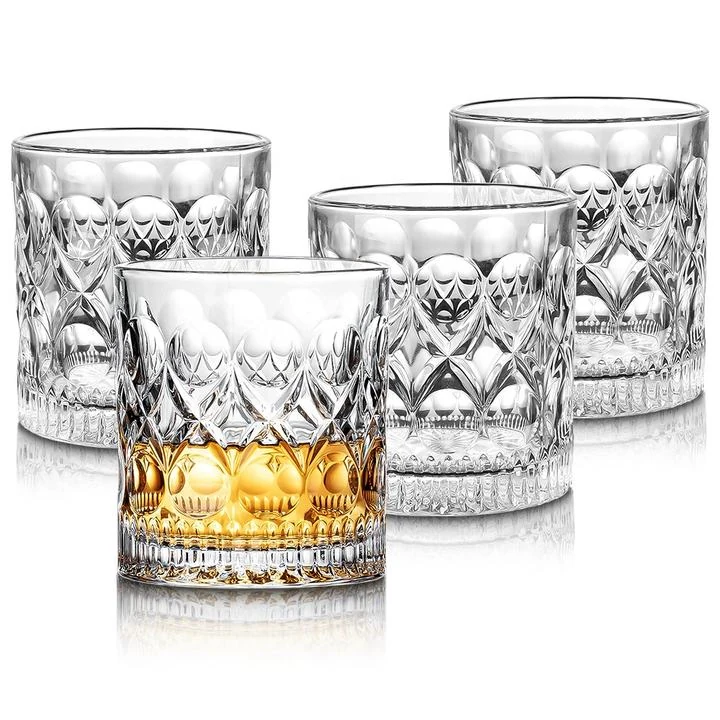
The company’s core products include tumblers, mugs, and decorative cups. Its innovation lies in using recycled glass cullet sourced from local waste management centers, combined with energy-efficient furnace systems. Bujumbura Glassworks serves both the domestic market and exports to neighboring Rwanda and the Democratic Republic of the Congo (DRC). It holds national quality certification and has been recognized for its environmental initiatives.
GreenVerre Burundi
GreenVerre Burundi, established in 2017 in Gitega, is an eco-conscious manufacturer that specializes in recycled and handmade glassware, including glass cups and jars. The company focuses on reducing waste and promoting sustainable business practices in line with the country’s environmental goals.
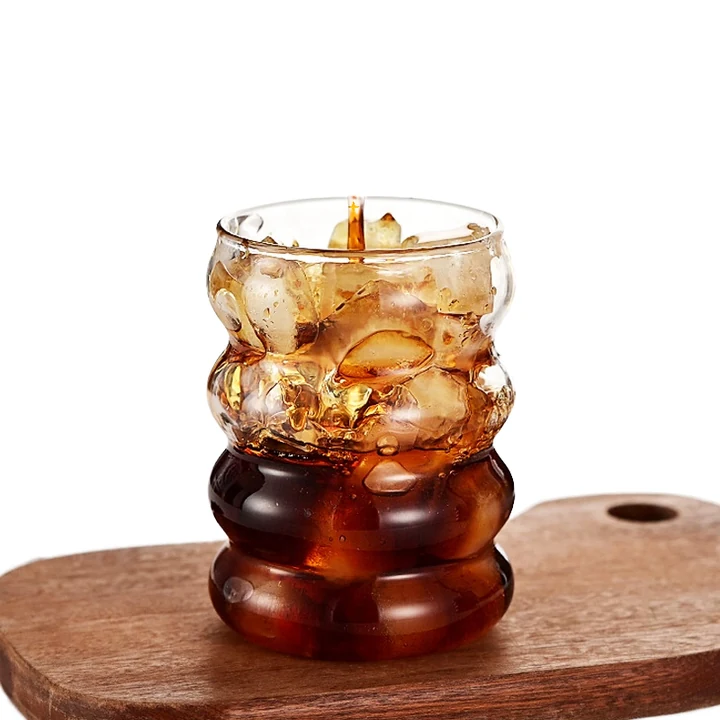
GreenVerre’s products are made from recycled bottles and glass scraps, melted using hybrid solar-electric kilns. Its innovation lies in merging artisanal techniques with clean energy production. The company works with local cooperatives to collect materials and trains artisans—especially women and youth—in glassmaking. GreenVerre Burundi has received recognition from the Ministry of Environment for advancing circular economy principles.
Lake Tanganyika Art Glass Studio
Lake Tanganyika Art Glass Studio, founded in 2018 in Bujumbura, represents the creative and artistic aspect of Burundi’s emerging glass industry. The studio produces handcrafted glass cups, art pieces, and souvenirs inspired by local culture and the beauty of Lake Tanganyika.
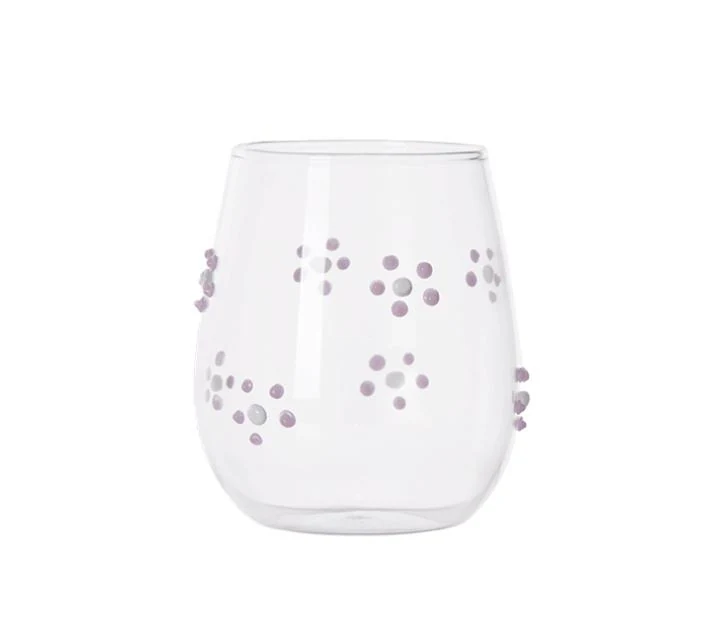
The studio’s products are popular among tourists, boutique hotels, and gift shops. Its innovation lies in transforming waste glass into colorful, high-quality decorative and functional items. The studio promotes sustainable art, community engagement, and eco-tourism. It has received the Burundi Handicraft Excellence Award for promoting local craftsmanship and green creativity.
| Company | Founded | Core Products | Industries | Certifications |
|---|---|---|---|---|
| Bujumbura Glassworks Ltd. | 2012 | Cups, tumblers, jars | Hospitality, Retail | National Quality Certification |
| GreenVerre Burundi | 2017 | Recycled cups, jars | Eco-tourism, Retail | Environmental Recognition |
| Lake Tanganyika Art Glass Studio | 2018 | Handmade cups, art glass | Tourism, Gift Retail | Handicraft Excellence Award |
Part 3: Trade Shows and Industry Events
Burundi International Trade Fair (BITF)
The Burundi International Trade Fair is the country’s leading industrial and commercial exhibition. It brings together businesses from across East Africa to showcase products and build partnerships. Glass cup manufacturers use the event to present sustainable and handmade products while connecting with regional buyers.
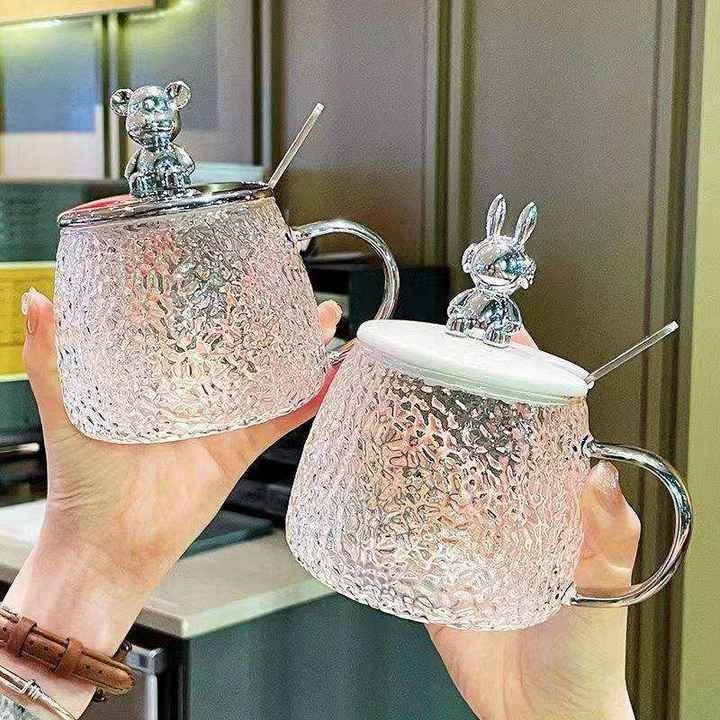
The event, held annually in Bujumbura, includes exhibitions, conferences, and B2B networking sessions. Highlights include innovation awards, SME development programs, and sustainability workshops. For companies like Bujumbura Glassworks and GreenVerre, BITF offers opportunities to expand export networks and attract investment.
Burundi Art and Craft Expo
The Burundi Art and Craft Expo celebrates local artisanship and creativity. Glass studios and handmade producers participate to display unique and eco-friendly glassware, including customized glass cups and decorative art.
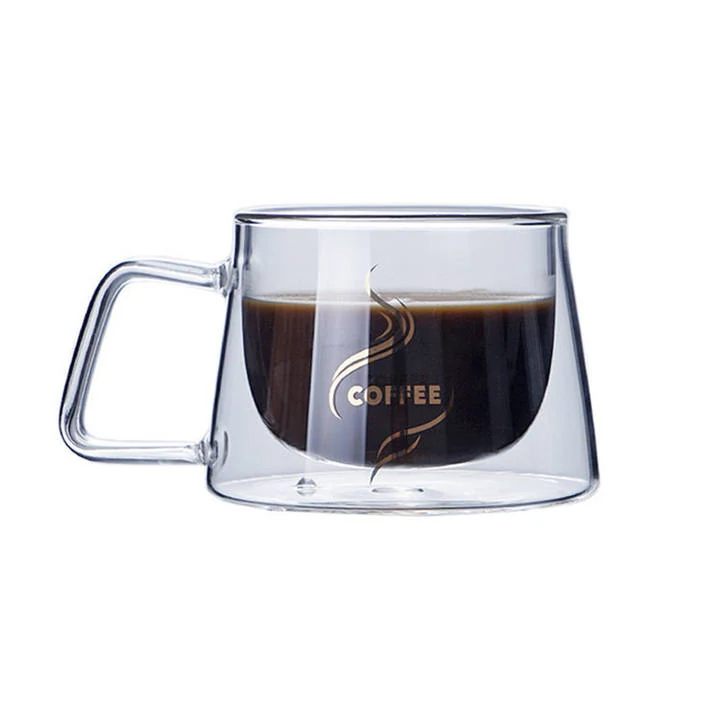
The event, held each November in Gitega, features live demonstrations, art installations, and artisan workshops. Highlights include sustainable design competitions, cultural showcases, and youth training sessions. The expo is organized by the Ministry of Culture and Tourism to support local artisans and promote eco-conscious creativity.
| Event | Date | Location | Highlights |
|---|---|---|---|
| Burundi International Trade Fair (BITF) | July (annual) | Bujumbura | Industrial showcases, export networking |
| Burundi Art and Craft Expo | November (annual) | Gitega | Handmade glass, sustainability workshops |
Part 4: Impact of Global Trade Policies
Burundi’s glass cup manufacturing sector benefits from regional cooperation through the East African Community (EAC) and trade policies under the African Continental Free Trade Area (AfCFTA). These agreements help reduce tariffs and ease export of locally made goods to markets such as Rwanda, Tanzania, Kenya, and the DRC. This regional integration supports small manufacturers and encourages investment in sustainable production.

Government policies promoting green innovation and SME development further strengthen the sector. Manufacturers using recycled materials, renewable energy, and waste management systems receive incentives through environmental programs supported by both the government and international organizations. This approach aligns with Burundi’s long-term sustainability goals and creates new business opportunities for eco-friendly manufacturers.
Challenges persist, including limited machinery, high transportation costs, and access to consistent electricity. However, partnerships with regional suppliers, NGOs, and technical training institutions are helping to overcome these barriers. As global demand for eco-conscious and handmade glass products grows, Burundi is positioning itself as a small but promising player in sustainable glass manufacturing in East Africa.
Part 5: Conclusion
Burundi’s glass cup manufacturing industry symbolizes a blend of creativity, sustainability, and industrial progress. Companies like Bujumbura Glassworks, GreenVerre Burundi, and Lake Tanganyika Art Glass Studio demonstrate how local businesses can create value through recycling, innovation, and artistic design. Their products reflect the country’s dedication to environmental protection and cultural authenticity.
At the same time, the sector faces challenges such as small-scale production, infrastructure limitations, and market competition. Continued investment, regional cooperation, and government support will be essential for its long-term development. With its commitment to green growth and craftsmanship, Burundi is emerging as a model for sustainable glass cup manufacturing in East Africa—where industry, art, and ecology meet in harmony.
Recommended Reading:
- Glass Cup Manufacturer Burkina Faso
- Glass Cup Manufacturer Brunei
- Glass Cup Manufacturer Botswana
- Glass Cup Manufacturer Bosnia and Herzegovina
- Glass Cup Manufacturer Bhutan
- Glass Cup Manufacturer Benin
- Glass Cup Manufacturer Belize
- Glass Cup Manufacturer Belarus
Glass Honey Pot Belly Jar With Screw Lid 180ml 450ml
100ml 240ml 500ml Special Brandy Bottles with Screw Cap
50ml 80ml Glass Pudding Jars with Lids
6 oz Glass Jars with Lids Bulk