Part 1: Market Size and Growth
Cambodia’s glass manufacturing industry is developing rapidly, driven by economic diversification, rising tourism, and growing demand from the hospitality sector. As the country continues to attract millions of tourists each year, the need for high-quality, reusable, and visually appealing glass cups in hotels, restaurants, and cafés has expanded significantly.
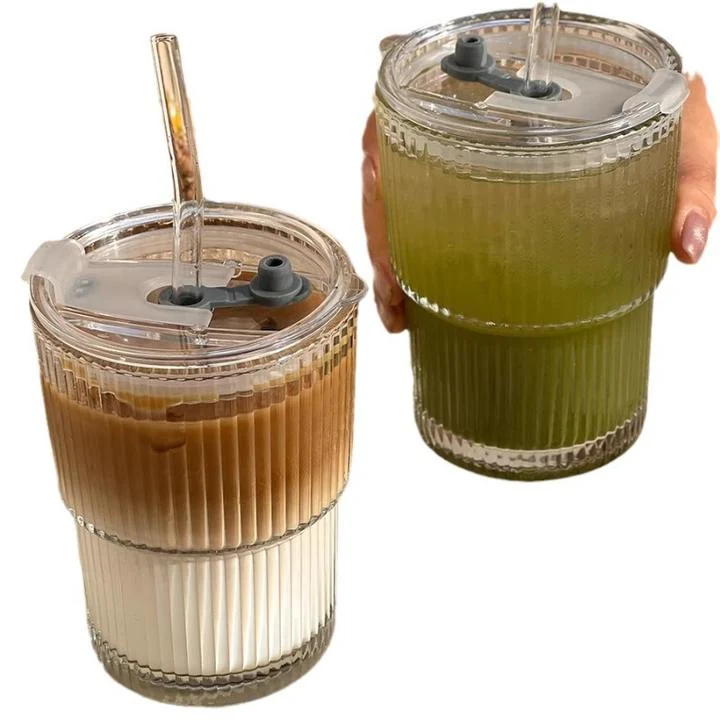
For many years, Cambodia relied on imported glassware from China, Thailand, and Vietnam. However, domestic entrepreneurs are now investing in small-scale glass production and recycling, seeking to serve the growing local and export markets. These initiatives align with the government’s sustainable manufacturing agenda and increasing consumer awareness of eco-friendly products.
The Ministry of Industry, Science, Technology, and Innovation has introduced policies encouraging industrial modernization and green business practices. With strong demand from the tourism, beverage, and retail industries, Cambodia’s emerging glass cup manufacturing sector is expected to grow consistently in the coming years.
Part 2: Leading Companies
Phnom Penh Glass Factory
Phnom Penh Glass Factory, established in 2014, is one of Cambodia’s pioneering companies in the glass production sector. Initially focused on glass containers and bottles, the company expanded into table glassware and glass cup manufacturing to meet increasing demand from local hospitality clients.
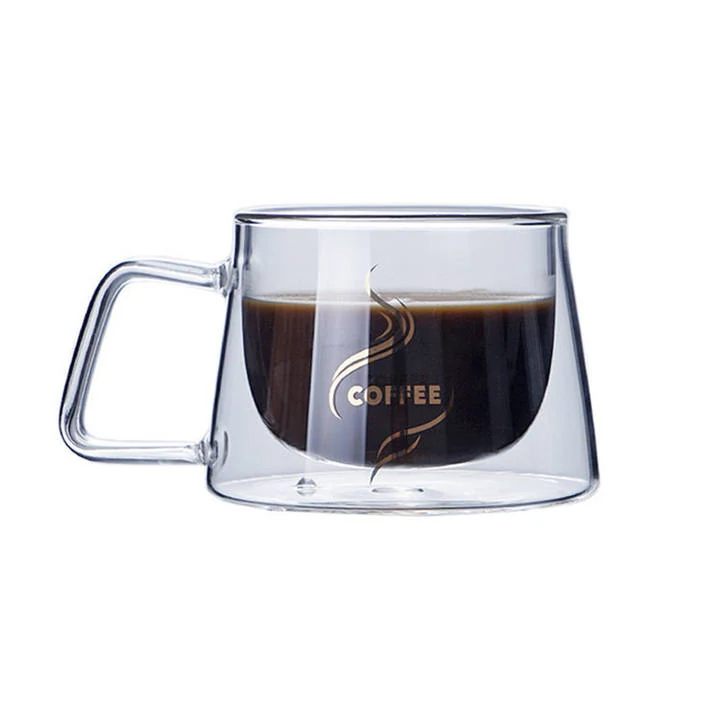
The company’s main products include tumblers, mugs, and decorative cups for hotels, beverage distributors, and retailers. Its innovation lies in combining automated production lines with recycled glass material, reducing both energy use and waste. The factory holds national quality certification and collaborates with beverage producers to supply branded glassware across Cambodia and neighboring countries.
EcoVerre Cambodia
EcoVerre Cambodia, founded in 2017 in Siem Reap, focuses on recycled and handmade glass cup production using discarded bottles and industrial glass waste. The company’s mission is to support sustainable consumption and reduce glass waste across the tourism and foodservice industries.

EcoVerre’s product line includes handcrafted glass cups, jars, and decorative tableware. Its innovation lies in solar-powered kilns and manual forming techniques that minimize emissions and enhance product uniqueness. The company partners with local hotels and NGOs to collect used bottles, transforming waste into elegant, functional products. EcoVerre has received the Cambodian Green Business Award for its commitment to eco-friendly innovation.
Angkor Art Glass Studio
Angkor Art Glass Studio, established in 2019 in Siem Reap, represents the creative side of Cambodia’s glass industry. It produces handmade glass cups, decorative drinkware, and luxury art pieces inspired by Khmer architecture and cultural motifs.

The studio’s clients include boutique hotels, galleries, and international collectors. Its innovation lies in combining traditional art with sustainable materials and modern design techniques. Angkor Art Glass trains young artisans in eco-friendly glass-making and partners with local tourism organizations to promote cultural preservation. The studio has received the ASEAN Handicraft Excellence Award for creative design and sustainable production.
| Company | Founded | Core Products | Industries | Certifications |
|---|---|---|---|---|
| Phnom Penh Glass Factory | 2014 | Cups, jars, bottles | Hospitality, Beverage | National Quality Certification |
| EcoVerre Cambodia | 2017 | Recycled cups, tableware | Eco-tourism, Retail | Green Business Award |
| Angkor Art Glass Studio | 2019 | Handmade cups, art glass | Tourism, Gift Retail | ASEAN Handicraft Excellence Award |
Part 3: Trade Shows and Industry Events
Cambodia International Manufacturing Expo (CIMEX)
The Cambodia International Manufacturing Expo (CIMEX) is the country’s largest industrial trade fair, showcasing innovations in manufacturing, packaging, and materials. Glass cup manufacturers participate to present their sustainable products and connect with investors, suppliers, and distributors.

Held annually in Phnom Penh, CIMEX brings together exhibitors from Southeast Asia and beyond. Highlights include green manufacturing exhibits, B2B networking, and technology transfer forums. For companies like Phnom Penh Glass Factory and EcoVerre, the expo serves as a key platform to strengthen export partnerships and attract regional buyers.
Cambodia Handicraft and Design Fair
The Cambodia Handicraft and Design Fair celebrates the country’s cultural and creative industries. Glass studios and eco-design producers participate to showcase their handmade glass cups, art décor, and sustainable designs.

The event takes place each December in Siem Reap and includes exhibitions, artisan training, and live demonstrations. Highlights include design competitions, sustainability panels, and export promotion sessions. For Angkor Art Glass Studio, the fair is a vital opportunity to promote Khmer-inspired glass art to both domestic and international markets.
| Event | Date | Location | Highlights |
|---|---|---|---|
| Cambodia International Manufacturing Expo (CIMEX) | October (annual) | Phnom Penh | Green manufacturing, industrial innovation |
| Cambodia Handicraft and Design Fair | December (annual) | Siem Reap | Handmade glass, sustainable design showcases |
Part 4: Impact of Global Trade Policies
Cambodia’s glass cup manufacturing industry benefits from regional integration through ASEAN and trade agreements such as the Regional Comprehensive Economic Partnership (RCEP). These frameworks provide preferential access to major markets, including China, Japan, and Australia, while encouraging technology transfer and investment in sustainable manufacturing.

The government’s focus on renewable energy, SME development, and green entrepreneurship has attracted international support from development agencies. Manufacturers using recycled materials and clean production methods receive tax incentives, training support, and funding for innovation projects. This approach aligns with Cambodia’s broader strategy for sustainable industrialization and environmental conservation.
Challenges include high electricity costs, limited local machinery, and skill shortages in glass technology. However, partnerships with Thailand, Vietnam, and Japan are helping Cambodian producers modernize production and expand export capabilities. As global markets increasingly favor sustainable and artisanal products, Cambodia’s combination of craftsmanship, cultural heritage, and green innovation positions it as a rising competitor in Southeast Asia’s eco-friendly glassware industry.
Part 5: Conclusion
Cambodia’s glass cup manufacturing industry reflects the country’s commitment to sustainability, creativity, and industrial modernization. Companies such as Phnom Penh Glass Factory, EcoVerre Cambodia, and Angkor Art Glass Studio demonstrate how innovation, recycling, and design excellence can drive both environmental and economic progress.
At the same time, the sector faces ongoing challenges like limited scale, high production costs, and import dependency. Continued investment in renewable energy, skill development, and regional trade cooperation will be essential to sustain growth. With its blend of eco-conscious production, cultural artistry, and market expansion, Cambodia is emerging as one of Southeast Asia’s most promising destinations for sustainable and artistic glass cup manufacturing.
Recommended Reading:
- Glass Cup Manufacturer Burundi
- Glass Cup Manufacturer Burkina Faso
- Glass Cup Manufacturer Brunei
- Glass Cup Manufacturer Botswana
- Glass Cup Manufacturer Bosnia and Herzegovina
- Glass Cup Manufacturer Bhutan
- Glass Cup Manufacturer Benin
- Glass Cup Manufacturer Belize
Refillable travel perfume atomiser with colored aluminum shell
Square Ribbed Glass Coffee Cup With Handle And Lid
Glass Bottle Manufacturers in China
500Ml Clear Glass Wine Bottles With Cork And Shrink Capsule