Skip to content

Part 1: Market Size and Growth
Cameroon’s glass manufacturing industry is gaining momentum as the country expands its industrial base, hospitality sector, and sustainable business practices. With growing demand from hotels, restaurants, and beverage companies, the need for durable and locally produced glass cups continues to rise in cities such as Douala, Yaoundé, and Bafoussam.
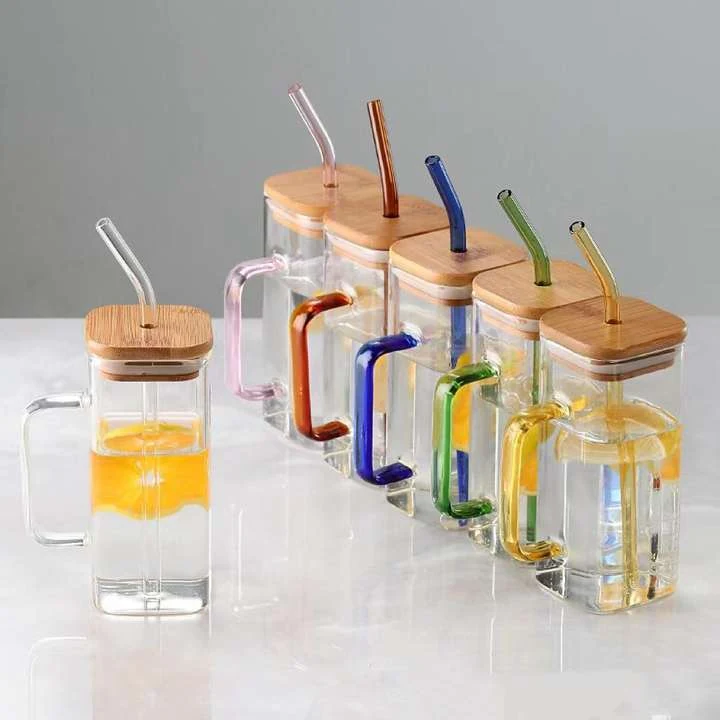
For many years, Cameroon depended on imports from Nigeria, China, and Europe for glass products. However, local entrepreneurs are now investing in recycling and semi-industrial glass production to reduce import reliance and promote domestic manufacturing. This trend aligns with the government’s push for import substitution and circular economy development.
Supported by the Ministry of Mines, Industry, and Technological Development, Cameroon is encouraging investment in eco-friendly manufacturing. With its expanding consumer base, access to regional trade networks, and commitment to sustainability, the glass cup manufacturing industry in Cameroon is positioned for steady growth.
Part 2: Leading Companies
Société Camerounaise du Verre (SOCAVER)
SOCAVER, established in 1979 in Douala, is Cameroon’s largest and oldest glass manufacturer. Initially focused on producing bottles and jars, the company has expanded its portfolio to include household glassware and glass cups for domestic and export markets.

SOCAVER’s product line includes tumblers, mugs, and glass jars. Its innovation lies in combining modern production lines with recycled glass cullet, reducing energy use and waste. The company serves beverage producers, retailers, and hospitality clients across Central Africa. SOCAVER holds ISO 9001 certification and has been recognized for industrial quality and environmental responsibility.
EcoVerre Cameroun
EcoVerre Cameroun, founded in 2016 in Yaoundé, specializes in recycled and handmade glass cup production. The company collects discarded bottles and glass waste from urban recycling programs and transforms them into functional, eco-friendly tableware.

EcoVerre’s innovation focuses on sustainable production using solar-assisted furnaces and artisanal craftsmanship. Its products combine cultural aesthetics with environmental awareness, appealing to hotels, cafés, and eco-shops. The company collaborates with NGOs and municipalities to promote recycling initiatives and local green entrepreneurship. It has received the Green Enterprise Award from the Ministry of Environment.
Douala Art Glass Studio
Douala Art Glass Studio, established in 2018, represents the creative and cultural dimension of Cameroon’s glass industry. The studio produces handcrafted glass cups, decorative art pieces, and custom-designed tableware inspired by African patterns and coastal life.
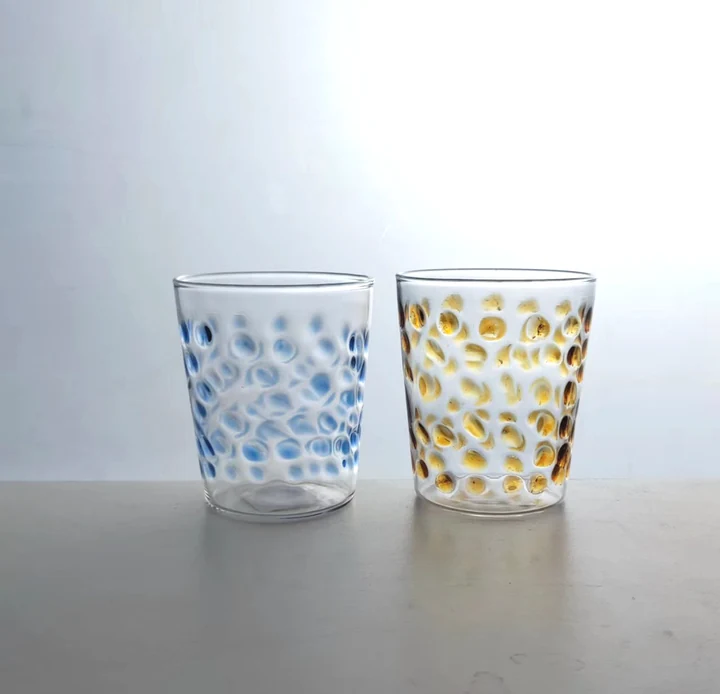
Its clients include boutique hotels, cultural centers, and export retailers. Douala Art Glass’s innovation lies in merging traditional design with recycled materials and contemporary forms. The studio also trains young artisans in glass-blowing and sustainable art production. It has received recognition from the National Handicrafts Council for promoting creative industries and environmental stewardship.
| Company | Founded | Core Products | Industries | Certifications |
|---|---|---|---|---|
| Société Camerounaise du Verre (SOCAVER) | 1979 | Cups, jars, bottles | Beverage, Retail | ISO 9001 |
| EcoVerre Cameroun | 2016 | Recycled cups, décor | Hospitality, Retail | Green Enterprise Award |
| Douala Art Glass Studio | 2018 | Handmade cups, art glass | Tourism, Gift Retail | National Handicrafts Recognition |
Part 3: Trade Shows and Industry Events
Salon International de l’Entreprise, de la PME et du Partenariat de Yaoundé (PROMOTE)
The PROMOTE exhibition is Cameroon’s largest trade fair for business, industry, and innovation. It gathers companies from across Africa and Europe to showcase products and technologies. Glass cup manufacturers participate to display their designs, meet distributors, and explore export opportunities.

The event, held biennially in Yaoundé, includes industrial showcases, investment panels, and sustainability workshops. Highlights include innovation awards, B2B networking, and green technology exhibits. For companies like SOCAVER and EcoVerre, PROMOTE serves as a critical venue for brand visibility and international partnerships.
Salon International de l’Artisanat du Cameroun (SIARC)
SIARC is Cameroon’s leading event for artisans and creative industries. Handmade glass cup producers and art studios participate to present eco-friendly and culturally inspired glass products. The fair promotes the value of local craftsmanship and design innovation.

Held every year in Yaoundé, SIARC features exhibitions, workshops, and artisan awards. Highlights include live glass-blowing demonstrations, sustainability showcases, and creative design competitions. For studios like Douala Art Glass, SIARC is a vital platform for connecting with international buyers and promoting sustainable art.
| Event | Date | Location | Highlights |
|---|---|---|---|
| Salon International de l’Entreprise (PROMOTE) | Biennial (February) | Yaoundé | Industrial showcases, trade networking |
| Salon International de l’Artisanat du Cameroun (SIARC) | Annual (June) | Yaoundé | Handmade glass, eco-design competitions |
Part 4: Impact of Global Trade Policies
Cameroon’s glass cup manufacturing sector benefits from its strategic trade position within the Economic and Monetary Community of Central Africa (CEMAC) and regional access under the African Continental Free Trade Area (AfCFTA). These agreements allow local producers to export glassware to markets such as Gabon, Chad, and the Central African Republic with minimal tariffs.
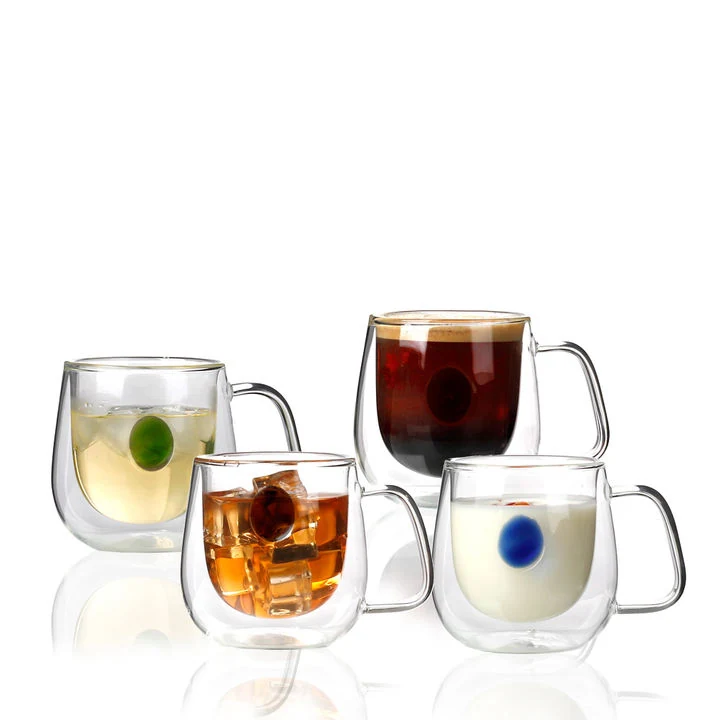
The government supports sustainable manufacturing through tax incentives, industrial zones, and partnerships with international organizations. Companies using renewable energy, recycling, and eco-friendly materials receive grants and technical training support. This policy encourages modernization and helps manufacturers remain competitive in both domestic and export markets.
Challenges remain, including high energy costs, limited access to advanced machinery, and infrastructure constraints. However, collaboration with European and Asian partners has introduced technology transfers and modern furnace systems. As global markets shift toward sustainable production, Cameroonian glassmakers are well-positioned to grow their exports, especially in eco-friendly and artisanal glassware.
Part 5: Conclusion
Cameroon’s glass cup manufacturing industry is an inspiring blend of industrial expertise, sustainable innovation, and cultural creativity. From SOCAVER’s large-scale production to EcoVerre’s green entrepreneurship and Douala Art Glass Studio’s artisanal craftsmanship, the sector showcases the diversity and dynamism of modern Cameroonian industry.
At the same time, the industry faces challenges such as limited technology, energy constraints, and competition from imported goods. Continued government support, private investment, and regional trade cooperation will be key to overcoming these barriers. With its mix of industrial tradition and eco-friendly innovation, Cameroon is emerging as a leading hub for glass cup manufacturing in Central Africa, balancing sustainability with design excellence.
Recommended Reading:
- Glass Cup Manufacturer Cambodia
- Glass Cup Manufacturer Burundi
- Glass Cup Manufacturer Burkina Faso
- Glass Cup Manufacturer Brunei
- Glass Cup Manufacturer Botswana
- Glass Cup Manufacturer Bosnia and Herzegovina
- Glass Cup Manufacturer Bhutan
- Glass Cup Manufacturer Benin
Are Glass Honey Jars The Best For Storing Honey?
30ml 500ml Unique Shaped Glass Liquor Bottles
250ml Glass Juice Bottle With Metal Cap
Glass Bottle Manufacturers in Gabon