
Part 1: Market Size and Growth
The Central African Republic’s glass manufacturing sector is still in its infancy, but growing domestic demand, regional trade, and sustainability programs are fueling gradual development. With expanding hospitality, beverage, and tourism industries in Bangui and surrounding cities, the need for locally produced, durable, and reusable glass cups has steadily increased.

For decades, the country depended almost entirely on imports from Cameroon, Nigeria, and China for glassware. However, local entrepreneurs and small cooperatives are now investing in recycling initiatives and small-scale glass production. These early ventures are helping create jobs, reduce waste, and strengthen local industries.
Government efforts under the National Economic and Social Development Plan (PNDES) and support from international organizations are encouraging investment in light manufacturing. With its growing consumer base and access to regional trade frameworks through ECCAS and CEMAC, the Central African Republic’s glass cup manufacturing potential is expanding step by step.
Part 2: Leading Companies
Bangui Glassworks Ltd.
Bangui Glassworks Ltd., founded in 2015, is one of the Central African Republic’s pioneering glass producers. The company began as a bottle recycler and later expanded into table glassware and glass cup manufacturing for domestic use and regional trade.

Its products include tumblers, jars, and custom-engraved glass cups for hotels and beverage companies. The company’s innovation lies in integrating recycled materials with modern furnaces and efficient fuel systems. Bangui Glassworks serves hospitality, beverage, and retail sectors, while exporting small quantities to Chad and the Republic of Congo. It holds national industrial certification and participates in local sustainability initiatives.
EcoVerre Centrafrique
EcoVerre Centrafrique, established in 2018 in Bangui, focuses on recycled and handmade glass cup production. The company collects discarded glass bottles and reprocesses them into drinkware and decorative items for cafés, restaurants, and retailers.

EcoVerre’s innovation lies in using solar-assisted furnaces and small-batch artisanal techniques. Its mission is to combine environmental protection with economic empowerment, especially for women and youth artisans. The company collaborates with environmental NGOs and the Ministry of Environment to promote green business practices and waste reduction. It has received the National Green Industry Award for sustainable entrepreneurship.
Artisan Glass Studio of Bangui
The Artisan Glass Studio of Bangui, founded in 2019, represents the creative and cultural side of the Central African Republic’s glass sector. The studio produces handcrafted glass cups, decorative art, and souvenir pieces inspired by African design and local traditions.
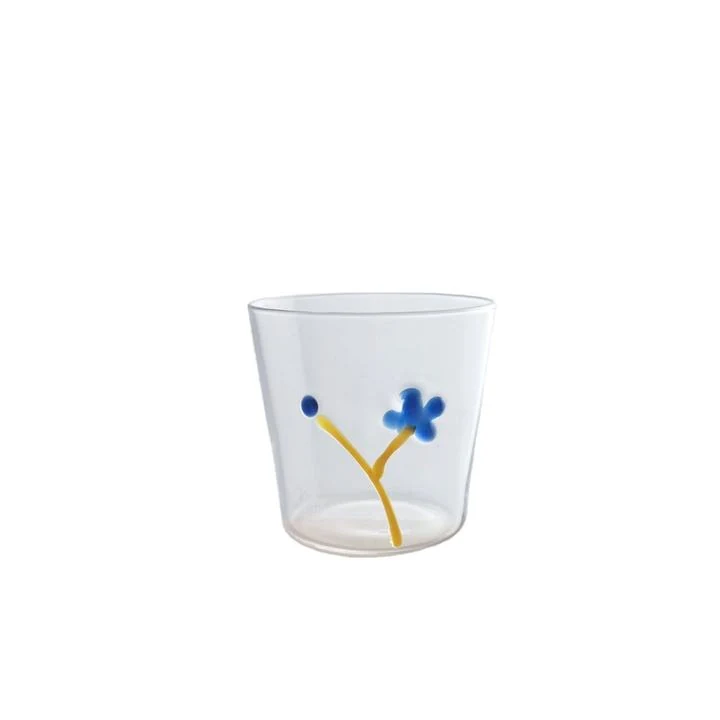
Its clients include boutique hotels, cultural centers, and tourists seeking authentic, handmade glass products. The studio’s innovation lies in its creative reuse of recycled glass, local pigments, and minimalist designs reflecting Central African heritage. It also runs community workshops that train young artisans and promote sustainable art. The studio has received recognition from the National Handicraft Council for its role in cultural preservation.
| Company | Founded | Core Products | Industries | Certifications |
|---|---|---|---|---|
| Bangui Glassworks Ltd. | 2015 | Cups, jars, tumblers | Hospitality, Retail | Industrial Quality Certification |
| EcoVerre Centrafrique | 2018 | Recycled cups, décor | Eco-tourism, Retail | Green Industry Award |
| Artisan Glass Studio of Bangui | 2019 | Handmade cups, art glass | Tourism, Gift Retail | National Handicraft Recognition |
Part 3: Trade Shows and Industry Events
Salon International de l’Artisanat et de l’Industrie du Centrafrique (SAICA)
The Salon International de l’Artisanat et de l’Industrie du Centrafrique (SAICA) is the country’s leading event promoting small industries and creative craftsmanship. Glass cup manufacturers participate to showcase eco-friendly and locally designed products while connecting with investors and regional partners.

Held annually in Bangui, SAICA features exhibitions, networking sessions, and innovation awards. Highlights include sustainability panels, green manufacturing showcases, and SME development workshops. For companies like EcoVerre Centrafrique and Bangui Glassworks, it provides visibility and access to regional export markets.
Central African Arts and Crafts Fair (FICA)
The Central African Arts and Crafts Fair (FICA) celebrates creativity, sustainability, and traditional art. Glass cup producers and artisans exhibit their handmade glassware and decorative items inspired by local culture and environmental awareness.

The event takes place each November in Bangui and attracts participants from across Central Africa. Highlights include artisan competitions, cultural performances, and eco-design awards. For small studios like the Artisan Glass Studio of Bangui, FICA is an essential platform to engage tourists, art collectors, and regional distributors.
| Event | Date | Location | Highlights |
|---|---|---|---|
| Salon International de l’Artisanat et de l’Industrie du Centrafrique (SAICA) | May (annual) | Bangui | Industrial showcases, sustainability forums |
| Central African Arts and Crafts Fair (FICA) | November (annual) | Bangui | Handmade glass, cultural design exhibits |
Part 4: Impact of Global Trade Policies
The Central African Republic’s glass cup manufacturing sector benefits from regional trade agreements through CEMAC (Economic and Monetary Community of Central Africa) and the African Continental Free Trade Area (AfCFTA). These frameworks facilitate free trade across Central Africa, reducing tariffs and promoting regional collaboration in manufacturing.

Government policies encourage industrial modernization, renewable energy adoption, and waste recycling. Companies that use clean energy and sustainable raw materials receive tax incentives and access to development funding. This support aligns with global sustainability standards and helps attract international partnerships.
Despite opportunities, challenges such as limited electricity access, infrastructure gaps, and machinery shortages continue to affect the sector’s growth. However, collaboration with European and African development organizations is improving technical training and industrial capacity. As global demand for sustainable, artisanal products grows, the Central African Republic’s eco-friendly glassware sector is gaining recognition for its innovation and social impact.
Part 5: Conclusion
The Central African Republic’s glass cup manufacturing industry symbolizes resilience, creativity, and sustainable progress in a developing economy. Companies like Bangui Glassworks, EcoVerre Centrafrique, and the Artisan Glass Studio of Bangui are leading examples of how recycling and local craftsmanship can build a foundation for green industrial growth.
At the same time, the industry faces challenges such as limited infrastructure, energy constraints, and small production capacity. Continued investment in renewable energy, skills development, and trade integration will be crucial for its future expansion. With its focus on sustainability, artisanal creativity, and regional collaboration, the Central African Republic is emerging as a promising hub for eco-conscious glass cup manufacturing in Central Africa.
Recommended Reading:
- Glass Cup Manufacturer Cape Verde
- Glass Cup Manufacturer Cameroon
- Glass Cup Manufacturer Cambodia
- Glass Cup Manufacturer Burundi
- Glass Cup Manufacturer Burkina Faso
- Glass Cup Manufacturer Brunei
- Glass Cup Manufacturer Botswana
- Glass Cup Manufacturer Bosnia and Herzegovina
8oz 10oz 14oz Overnight Oats Mason Jars with Different Colors Sealed Lid
Glass Bottle Manufacturers in Algeria
Colorful Frosted Cylinder Perfume Bottle 100ml
Glass Bottle Manufacturers in Monaco