Part 1: Market Size and Growth
Colombia’s glass manufacturing industry has grown into one of Latin America’s most promising sectors, driven by increased domestic demand, sustainable production practices, and expanding exports. The market for glass cups, tumblers, and tableware is experiencing steady growth thanks to the country’s strong beverage, hospitality, and retail industries. Colombia’s mix of industrial capability and creative design has positioned it as a regional leader in quality glassware production.
In major cities like Bogotá, Medellín, and Cali, rising consumer spending and a booming café and restaurant culture have created consistent demand for premium glassware. The shift toward eco-friendly and reusable materials is further encouraging both manufacturers and retailers to prioritize durable, sustainable glass cups over disposable alternatives.
Government programs under Colombia’s “Plan Nacional de Desarrollo Industrial” have supported modernization in the glass sector. Investments in energy-efficient technology, recycling infrastructure, and skilled labor training are helping local manufacturers compete globally. The country’s access to natural resources, including silica sand, also provides a strategic advantage in raw material supply.
Part 2: Leading Companies
O-I Peldar (Owens-Illinois Colombia)
O-I Peldar, established in 1943, is Colombia’s largest and most well-known glass manufacturer. As part of Owens-Illinois (O-I) Group, a global leader in glass packaging, the company operates advanced production facilities in Medellín and Zipaquirá. It produces a wide range of glass products including bottles, jars, and high-quality glass cups for both commercial and domestic use.
The company serves industries such as hospitality, beverages, and food packaging. O-I Peldar’s glass cups are known for their strength, clarity, and elegant designs. The firm exports to more than 15 countries in Latin America and beyond, contributing significantly to Colombia’s industrial exports.
Technological highlights include energy-efficient furnaces, automated forming systems, and cullet recycling operations. O-I Peldar holds ISO 9001 and ISO 14001 certifications and has received sustainability awards for reducing CO? emissions and waste. Its focus on circular economy principles makes it a regional leader in green glass production.
Vidrio Andino S.A.S.
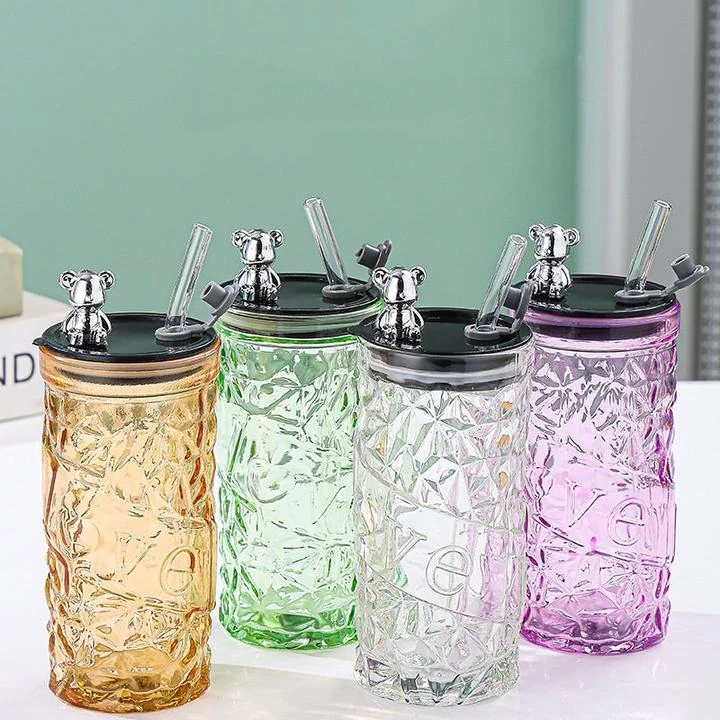
Vidrio Andino S.A.S., founded in 1981 as a joint venture between Saint-Gobain and local investors, is another major glass producer in Colombia. While best known for float and architectural glass, the company has expanded its portfolio to include tableware and customized glass cups through its design and innovation division. Its focus on precision and sustainability makes it a trusted supplier across multiple sectors.
Vidrio Andino serves hospitality, retail, and industrial markets, supplying both standard and custom-made glass cups. The company’s design team collaborates with local artists to develop creative collections that reflect Colombian culture and craftsmanship.
Its advanced production lines feature modern annealing and polishing systems, and the company follows strict environmental protocols. Vidrio Andino is ISO 9001 certified and participates in Saint-Gobain’s global sustainability programs, emphasizing energy conservation and material reuse.
Cristalería La Paz S.A.

Cristalería La Paz, based in Bogotá and founded in 1978, specializes in artisanal and small-batch glass cup manufacturing. Known for combining traditional craftsmanship with modern aesthetics, the company caters to boutique cafés, restaurants, and retail shops across Colombia. Its handmade glass cups feature vibrant colors and organic textures, representing the artistic side of Colombian glassmaking.
The company’s clients include interior designers, hospitality groups, and souvenir retailers. Its customizable glassware is also popular among corporate clients seeking branded or personalized designs. By blending hand-blown techniques with sustainable practices, La Paz provides unique products that stand out in both domestic and export markets.
Technological highlights include manual forming, recycled glass use, and efficient gas furnaces. The company has received local awards for artisanal excellence and environmental responsibility from Colombia’s Ministry of Commerce, Industry, and Tourism.
| Company | Founded | Core Products | Industries | Certifications |
|---|---|---|---|---|
| O-I Peldar | 1943 | Cups, Bottles, Containers | Beverage, Hospitality | ISO 9001, ISO 14001 |
| Vidrio Andino S.A.S. | 1981 | Cups, Decorative Glass | Retail, Hospitality | ISO 9001 |
| Cristalería La Paz S.A. | 1978 | Hand-blown Glass Cups | Artisanal, Retail | Local Craft & Sustainability Awards |
Part 3: Trade Shows and Industry Events
Feria del Hogar (Home Fair Bogotá)
Feria del Hogar is Colombia’s largest consumer and household goods exhibition, held annually in Bogotá. Glass cup manufacturers participate to display new designs, sustainable materials, and artisanal collections for domestic and international buyers.

The fair attracts thousands of visitors each September, including retailers, hospitality buyers, and consumers. Exhibitors from across Latin America use the event to launch innovative tableware products and promote eco-friendly glass solutions. The event’s highlights include design showcases, business networking, and sustainability forums.
Expoartesanías Bogotá
Expoartesanías is Colombia’s most prestigious trade fair for artisanal and handcrafted products. It celebrates local craftsmanship and sustainable production across various materials, including glass. Artisan glass cup producers showcase handmade collections that merge design, tradition, and environmental awareness.
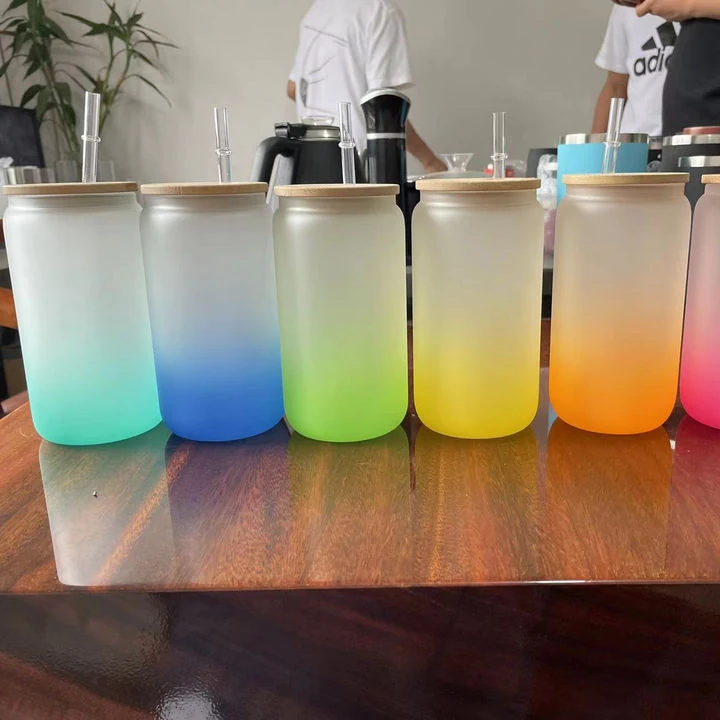
Held annually in December, the event gathers artisans, designers, and buyers from around the world. It provides a platform for small and medium-sized enterprises to gain visibility and connect with export partners. Glassware exhibitors often highlight recycled glass, hand-blown techniques, and cultural motifs unique to Colombian design.
| Event | Date | Location | Highlights |
|---|---|---|---|
| Feria del Hogar | September (Annual) | Bogotá | Homeware, Eco Design, Retail Buyers |
| Expoartesanías | December (Annual) | Bogotá | Artisanal Craft, Sustainable Materials |
Part 4: Impact of Global Trade Policies
Colombia’s glass manufacturing sector operates within a supportive trade and regulatory framework. The country’s participation in the Pacific Alliance and free trade agreements with the United States, Canada, and the European Union has expanded export opportunities for glassware producers. Reduced tariffs and improved logistics efficiency have made Colombian glass cups more competitive in global markets.
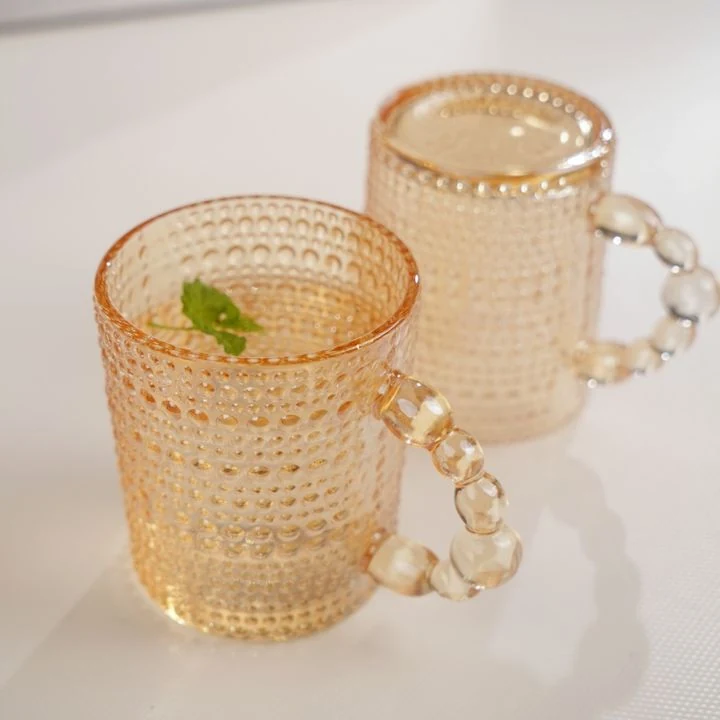
However, challenges remain in managing energy costs and supply chain volatility. Glassmaking is an energy-intensive process, and fluctuations in natural gas and fuel prices can impact production. In response, companies like O-I Peldar and Vidrio Andino are investing in renewable energy, cogeneration systems, and advanced heat recovery technologies to stabilize costs and reduce emissions.
Environmental regulations have also influenced industry practices. The Colombian government’s Circular Economy Strategy 2030 encourages the recycling of industrial waste and the use of renewable raw materials. Glass manufacturers now incorporate recycled glass (cullet) into production, cutting energy consumption by up to 25%. This has strengthened their global competitiveness and environmental credentials.
Sustainability certifications are increasingly essential for export-oriented manufacturers. International buyers often require compliance with ISO 14001, carbon reporting, or life-cycle analysis. Colombian companies have adapted by integrating ESG (Environmental, Social, and Governance) standards into operations and supply chains.
Trade integration with neighboring countries through the Andean Community (CAN) has also facilitated smoother regional commerce. By aligning customs and quality standards, Colombian glass cup manufacturers can access markets in Peru, Ecuador, and Bolivia with fewer barriers. This regional cooperation reinforces Colombia’s position as a glassware hub in Latin America.
Part 5: Conclusion
Colombia’s glass cup manufacturing industry is a vibrant mix of industrial precision, artisanal heritage, and sustainable innovation. Companies like O-I Peldar and Vidrio Andino lead with scale and technology, while Cristalería La Paz showcases the country’s artistic and cultural craftsmanship. Together, they reflect Colombia’s capacity to produce world-class glassware that combines quality, design, and environmental responsibility.
The future of the industry looks bright. Investment in green technology, automation, and renewable energy will continue to strengthen competitiveness and efficiency. Meanwhile, growing domestic demand and export opportunities across Latin America and North America offer strong momentum for expansion.
Challenges such as energy costs and logistics remain, but these are offset by government support, trade advantages, and a commitment to sustainable growth. Colombian glass cup manufacturers are poised to become global benchmarks for responsible production, combining technical excellence with creativity inspired by the country’s rich cultural diversity.
As global consumers increasingly seek products that are both beautiful and sustainable, Colombia’s glass industry stands ready to meet that demand—offering glass cups that reflect not only transparency and elegance, but also a deep respect for craftsmanship, people, and the planet.
Recommended Reading:
- Glass Cup Manufacturer Hong Kong
- Glass Cup Manufacturer Malaysia
- Glass Cup Manufacturer Philippines
- Glass Cup Manufacturer Bangladesh
- Glass Cup Manufacturer South Africa
- Glass Cup Manufacturer Nigeria
- Glass Cup Manufacturer Argentina
- Glass Cup Manufacturer Israel
Clear Borosilicate Iced Coffee Glass Tumbler
Glass Tumbler With Straw Wholesale 400ml
Amber glass bottles 500ml Manufacturers
Double Wall Borosilicate Glass Cup With Lid