Skip to content

Part 1: Market Size and Growth
Djibouti’s glass manufacturing industry is still in the early stages of development, but growing demand from hospitality, trade, and eco-friendly sectors is driving momentum. As hotels, cafés, and restaurants expand across Djibouti City and port areas, the need for durable, reusable, and locally produced glass cups continues to increase.

Historically, Djibouti has imported nearly all its glassware from China, India, and the United Arab Emirates. However, local entrepreneurs and small manufacturers are beginning to establish recycling-based glass production ventures to meet the country’s growing consumption. These initiatives also align with Djibouti’s sustainability goals and regional green economy policies.
Supported by government strategies under Vision 2035, the nation is promoting industrial diversification and renewable energy use. With its strategic position on the Red Sea, access to major shipping routes, and increasing eco-consciousness, Djibouti’s emerging glass cup manufacturing sector has strong potential for future growth.
Part 2: Leading Companies
Djibouti Glass Industries
Djibouti Glass Industries, founded in 2014, is one of the country’s first companies to focus on industrial glass recycling and production. Initially established to produce bottles and jars, the company has expanded into the manufacture of glass cups and tableware for hotels, restaurants, and retailers.
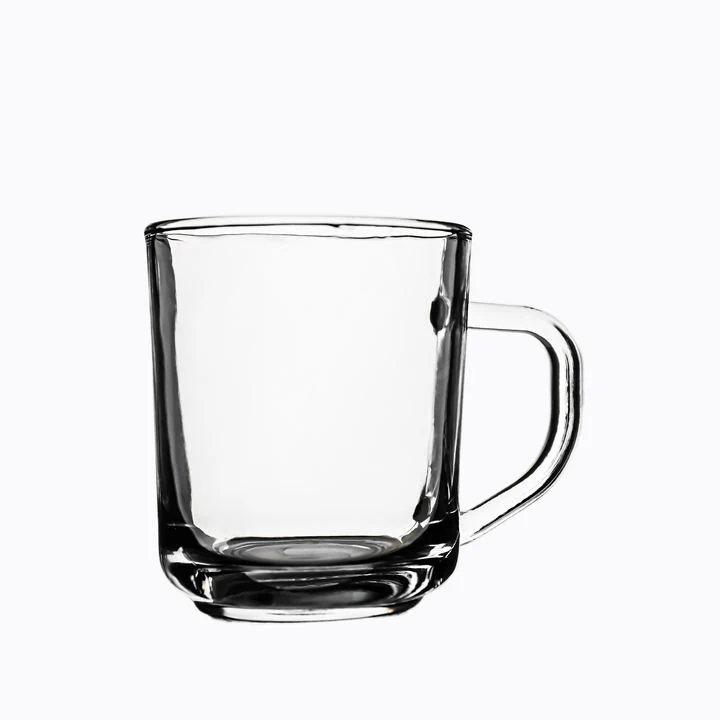
Its core products include tumblers, mugs, and decorative drinkware. The company’s innovation lies in integrating recycled glass cullet with energy-efficient furnaces powered partly by solar energy. Djibouti Glass Industries collaborates with local beverage companies to collect and recycle used bottles. It holds national quality certification and is recognized for its contribution to waste reduction and sustainable industry.
EcoVerre Djibouti
EcoVerre Djibouti, founded in 2017, is a small enterprise focused on handcrafted and recycled glass cup production. The company collects post-consumer glass waste and transforms it into elegant and functional glass cups designed for eco-tourism and home décor.

EcoVerre’s innovation lies in using solar-assisted melting technology and manual glass shaping, producing unique handmade pieces. The company partners with environmental NGOs and youth training centers to promote green entrepreneurship. It has received the National Green Business Award for its commitment to sustainability and social inclusion.
Horn of Africa Art Glass Studio
Horn of Africa Art Glass Studio, established in 2019 in Djibouti City, represents the artistic dimension of the country’s growing glass sector. The studio specializes in handmade glass cups, decorative art, and customized tableware inspired by local culture and coastal themes.

Its clients include boutique hotels, art galleries, and gift retailers. The studio’s innovation lies in merging recycled materials with traditional glass-blowing and East African artistic motifs. Horn of Africa Art Glass Studio trains young artisans in sustainable design and creative manufacturing. It has been honored by the Ministry of Culture for its contribution to eco-friendly craftsmanship.
| Company | Founded | Core Products | Industries | Certifications |
|---|---|---|---|---|
| Djibouti Glass Industries | 2014 | Cups, jars, bottles | Hospitality, Retail | National Quality Certification |
| EcoVerre Djibouti | 2017 | Recycled cups, décor | Eco-tourism, Retail | Green Business Award |
| Horn of Africa Art Glass Studio | 2019 | Handmade cups, art glass | Tourism, Gift Retail | Ministry of Culture Recognition |
Part 3: Trade Shows and Industry Events
Djibouti International Fair
The Djibouti International Fair is one of the country’s largest events dedicated to trade, innovation, and entrepreneurship. Glass cup manufacturers and recyclers use the fair to exhibit their eco-friendly products and connect with investors and distributors.
Held annually in Djibouti City, the event includes business forums, exhibitions, and product showcases. Highlights include sustainability workshops, SME training sessions, and innovation awards. For companies like Djibouti Glass Industries and EcoVerre Djibouti, this fair provides a vital platform to network with regional partners from Ethiopia, Kenya, and the UAE.
Horn of Africa Artisan Expo
The Horn of Africa Artisan Expo is a regional event promoting local craftsmanship and sustainable design. Glass cup producers, artists, and eco-enterprises participate to display handmade glass products inspired by regional culture and environmental responsibility.
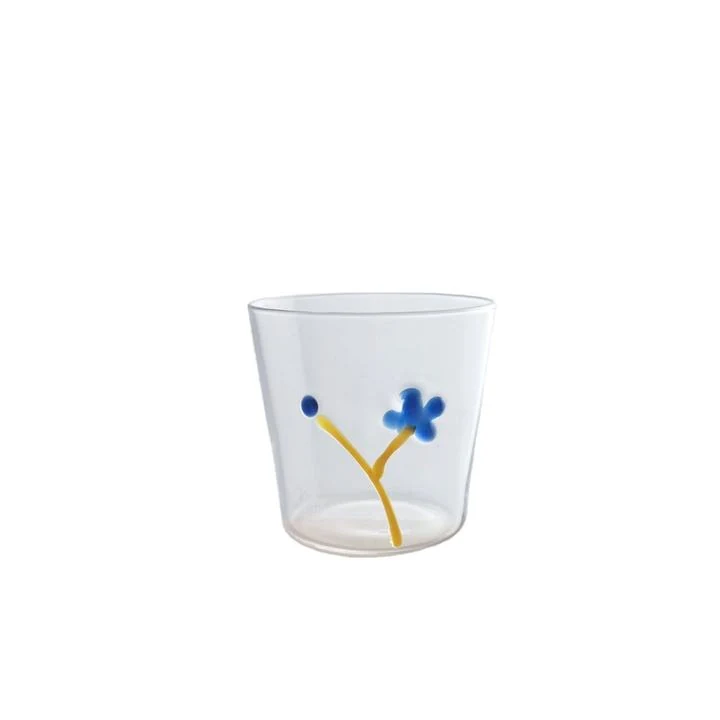
The expo takes place every December and attracts artisans and buyers from across East Africa. Highlights include live glass-blowing demonstrations, artisan training workshops, and design competitions. For studios like Horn of Africa Art Glass, the event is essential for visibility, collaboration, and cross-border trade growth.
| Event | Date | Location | Highlights |
|---|---|---|---|
| Djibouti International Fair | June (annual) | Djibouti City | Industrial showcases, trade networking |
| Horn of Africa Artisan Expo | December (annual) | Djibouti City | Handmade glass, sustainability workshops |
Part 4: Impact of Global Trade Policies
Djibouti’s glass cup manufacturing sector benefits from its strategic location and trade integration through COMESA (Common Market for Eastern and Southern Africa) and the African Continental Free Trade Area (AfCFTA). These frameworks facilitate tariff-free trade and access to markets in East and Central Africa, boosting export opportunities for local producers.

Government policies promoting renewable energy, recycling, and small-scale industry development have attracted support from international organizations such as the United Nations Industrial Development Organization (UNIDO). Companies that use green energy and recycled raw materials receive grants, training, and tax incentives. This has encouraged innovation in both industrial and artisanal glass manufacturing.
Challenges include limited production capacity, high energy costs, and dependence on imported machinery. However, Djibouti’s growing renewable energy infrastructure and its role as a logistics hub provide long-term advantages. As global markets increasingly favor sustainable and artisanal glassware, Djiboutian producers are positioning themselves as suppliers of eco-friendly, culturally inspired designs.
Part 5: Conclusion
Djibouti’s glass cup manufacturing industry represents a blend of innovation, sustainability, and entrepreneurship. Companies such as Djibouti Glass Industries, EcoVerre Djibouti, and Horn of Africa Art Glass Studio demonstrate how recycling and design innovation can build a foundation for green industrial growth in a small but strategic market.
At the same time, the sector faces challenges including small-scale capacity, equipment limitations, and logistics costs. Continued investment in renewable energy, technical training, and regional trade partnerships will be key to future success. With its growing eco-conscious economy, creative talent, and trade connectivity, Djibouti is emerging as a promising hub for sustainable glass cup manufacturing in the Horn of Africa.
Recommended Reading:
- Glass Cup Manufacturer Cyprus
- Glass Cup Manufacturer Cuba
- Glass Cup Manufacturer Croatia
- Glass Cup Manufacturer Costa Rica
- Glass Cup Manufacturer Comoros
- Glass Cup Manufacturer Chad
- Glass Cup Manufacturer Central African Republic
- Glass Cup Manufacturer Cape Verde
25ml Perfume Bottle With Box
Glass Pickle Jars with Metal Lid 1.5L 2L
Glass Bottle Manufacturers in Sri Lanka
12Oz 16Oz Frosted Beer Can Glass With Bamboo Lid