Part 1: Market Size and Growth
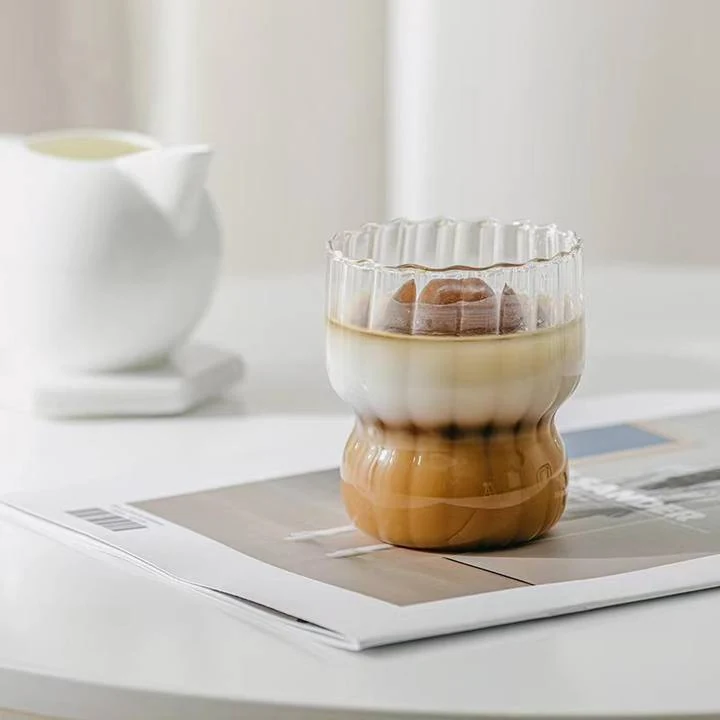
Egypt’s glass manufacturing industry is one of the oldest and most diverse in the Middle East and North Africa (MENA) region. The market for glass cups, tumblers, and tableware has grown steadily due to increased domestic consumption, export expansion, and tourism-driven demand. Egypt’s strategic location between Africa, Asia, and Europe gives its manufacturers a strong advantage in international trade.
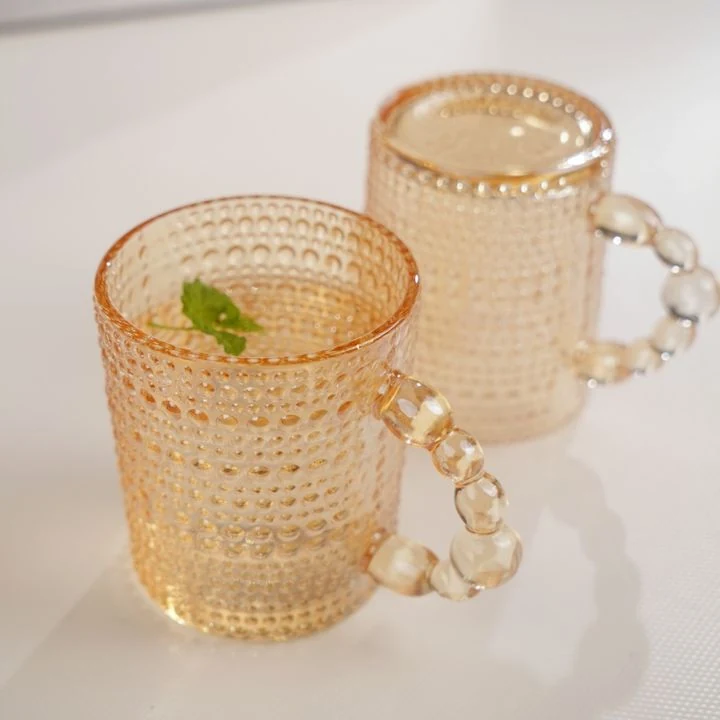
With a large population and a rapidly developing hospitality sector, Egypt’s demand for durable, affordable, and beautifully designed glassware is rising. Restaurants, cafés, and hotels in Cairo, Alexandria, and Sharm El-Sheikh have driven consistent growth in local glass cup consumption. Growing export markets in Africa and Europe have also made Egypt an emerging hub for glassware production.
The Egyptian government has introduced initiatives under Vision 2030 to promote manufacturing modernization and green industry. Policies encouraging energy-efficient furnaces, recycling programs, and local raw material sourcing have strengthened competitiveness. These changes are positioning Egypt’s glass cup manufacturers to expand further into global markets while meeting international sustainability standards.
Part 2: Leading Companies
Misr Glass Manufacturing (MGM)
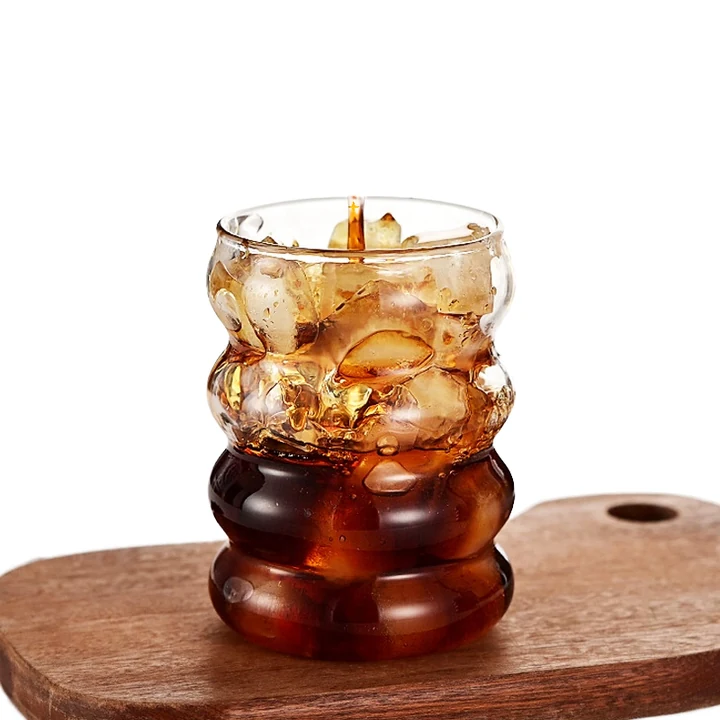
Misr Glass Manufacturing (MGM), founded in 1981, is Egypt’s largest glassware producer. Headquartered in Cairo, MGM manufactures glass cups, tumblers, bottles, and jars for both local and international markets. It operates advanced production facilities with an annual capacity exceeding 200,000 tons, serving clients across the Middle East, Africa, and Europe.
MGM caters to the beverage, hospitality, and homeware industries. Its glass cups are known for their clarity, durability, and elegant designs, meeting both commercial and retail demands. The company’s export operations reach more than 30 countries, solidifying its reputation for reliability and quality.
Technological highlights include fully automated forming lines, modern furnaces, and recycling programs for cullet (recycled glass). MGM holds ISO 9001 and ISO 14001 certifications and has received multiple awards for excellence in manufacturing and export performance.
Suez Glass Company
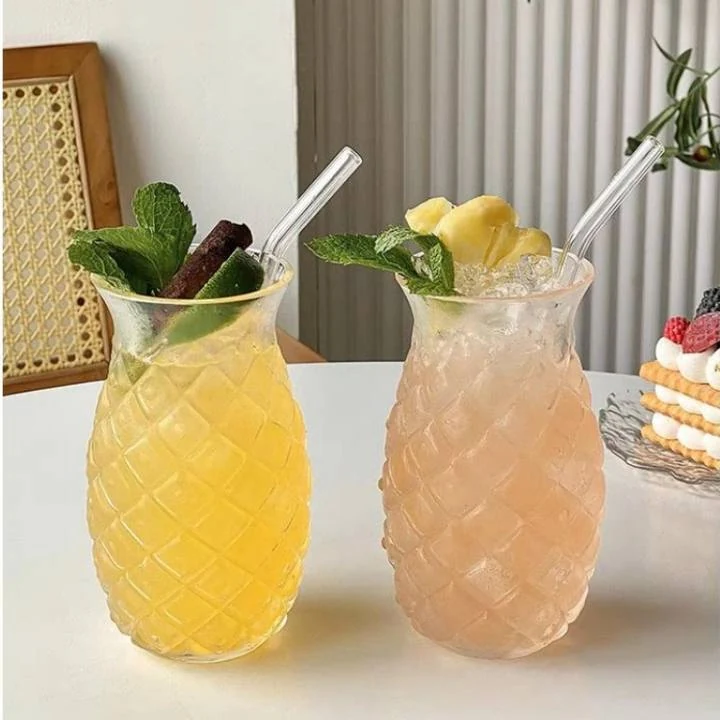
Suez Glass Company, established in 2009 as part of the Middle East Glass Manufacturing Group, is one of Egypt’s most modern glass producers. Located in Suez, the company manufactures high-quality glass cups, bottles, and tableware using advanced European technology. Its production is guided by precision engineering, energy efficiency, and environmental sustainability.
The company serves local markets and exports extensively to the Gulf region, Europe, and Africa. Its product portfolio includes table glassware for hospitality clients, including hotels, cafés, and restaurants. Suez Glass is recognized for consistent product quality, contemporary design, and fast delivery.
Technological strengths include automatic forming, computerized annealing systems, and low-emission furnaces. The company holds ISO 22000 (Food Safety) and ISO 14001 certifications. Suez Glass’s focus on sustainability and innovation positions it as a key player in Egypt’s glassware modernization.
Cleopatra Glassware
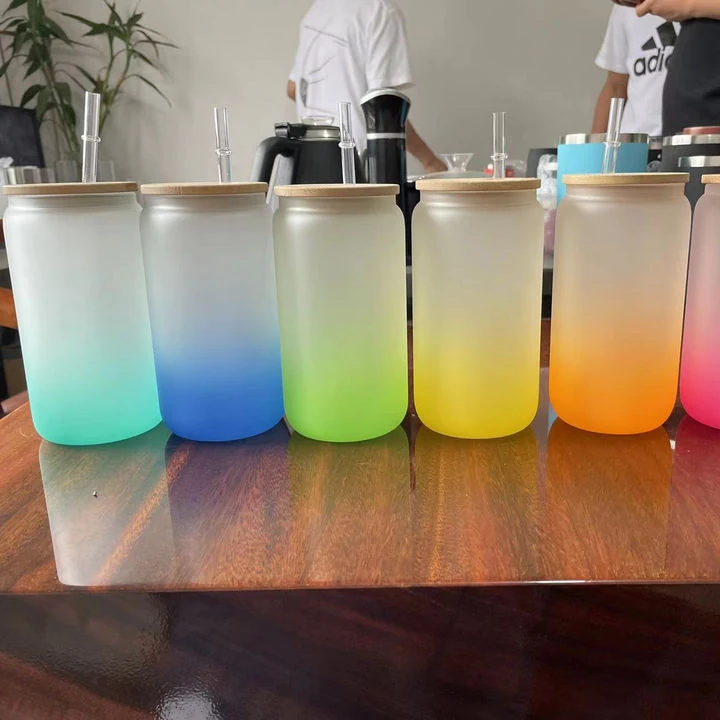
Cleopatra Glassware, part of the Cleopatra Group, was founded in 1983 and is renowned for luxury and decorative glass products, including drinkware and crystal cups. Based in the 10th of Ramadan City, the company combines artistry with technology, offering handcrafted and machine-made collections. Its glass cups are popular in both luxury retail and hospitality sectors.
Cleopatra Glassware serves premium hotels, interior designers, and export clients in Europe and the Middle East. Its designs feature unique cuts, patterns, and finishes inspired by Egyptian heritage and modern aesthetics. The company is also a major exhibitor at international design and home décor fairs.
Technological highlights include crystal molding, precision engraving, and design customization. The company follows strict quality controls and is recognized for its craftsmanship, environmental responsibility, and contribution to Egypt’s industrial heritage.
| Company | Founded | Core Products | Industries | Certifications |
|---|---|---|---|---|
| Misr Glass Manufacturing (MGM) | 1981 | Cups, Bottles, Tableware | Beverage, Hospitality | ISO 9001, ISO 14001 |
| Suez Glass Company | 2009 | Cups, Bottles, Glassware | Hospitality, Retail | ISO 22000, ISO 14001 |
| Cleopatra Glassware | 1983 | Luxury Cups, Decorative Glass | Retail, Interior Design | Local & Export Awards |
Part 3: Trade Shows and Industry Events
Cairo International Fair (CIF)
The Cairo International Fair is Egypt’s largest and most recognized multi-sector trade event. It features local and international exhibitors from manufacturing, construction, consumer goods, and homeware industries. Glass cup manufacturers participate to showcase new designs, production technologies, and export collections.

Held annually at the Cairo International Conference Center, CIF attracts over 1,000 exhibitors and tens of thousands of visitors from Africa, Europe, and the Middle East. For glass manufacturers, it provides opportunities to meet buyers, distributors, and business partners across different markets. The fair highlights sustainable production and digital manufacturing trends.
Egypt Home & Kitchen Expo
The Egypt Home & Kitchen Expo, held in Cairo, focuses on home décor, kitchenware, and lifestyle products. It serves as a platform for glass cup manufacturers and suppliers to connect with interior designers, retailers, and international importers.
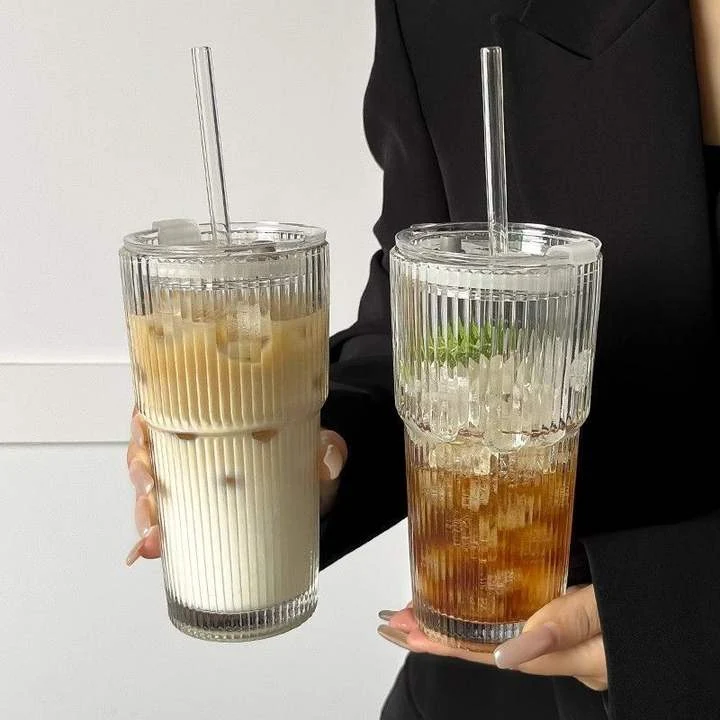
The event usually takes place in October and features hundreds of exhibitors from Egypt and neighboring countries. Highlights include live demonstrations of tableware design, discussions on sustainable production, and showcases of eco-friendly household materials. Egyptian glass cup producers use this fair to promote new collections and expand export visibility.
| Event | Date | Location | Highlights |
|---|---|---|---|
| Cairo International Fair (CIF) | March (Annual) | Cairo | Industrial Showcase, Export Opportunities |
| Egypt Home & Kitchen Expo | October (Annual) | Cairo | Homeware, Design, Sustainability |
Part 4: Impact of Global Trade Policies
Egypt’s glass manufacturing industry benefits from its strategic geographic location and participation in multiple regional trade agreements. The country is a member of COMESA (Common Market for Eastern and Southern Africa) and has trade partnerships with the European Union and Arab League countries. These agreements provide tariff advantages and facilitate glass exports to Africa, Europe, and the Middle East.
However, rising energy costs and logistics challenges have affected production expenses. Glassmaking is energy-intensive, and fluctuations in natural gas prices impact competitiveness. To address this, Egyptian companies are investing in energy-efficient furnaces, alternative fuels, and waste-heat recovery systems to improve operational sustainability.
Environmental policies have also shaped the sector’s direction. Egypt’s National Solid Waste Management Program (NSWMP) promotes recycling initiatives and sustainable material sourcing. Glass manufacturers are increasingly integrating recycled glass (cullet) into production, reducing emissions and raw material costs. This aligns with global consumer trends favoring environmentally responsible products.
The Egyptian government’s industrial modernization plan supports companies adopting green technology through tax incentives and financial aid. Export-oriented firms benefit from subsidies under the Export Development Fund, which helps offset logistics and compliance costs. These programs have made Egyptian glass cup manufacturers more competitive globally.
Additionally, the global shift toward ESG (Environmental, Social, and Governance) standards has encouraged transparency and traceability in supply chains. Egyptian manufacturers are responding with environmental reporting and certification efforts to attract European and North American buyers.
Despite global economic fluctuations, Egypt’s favorable trade location—between the Suez Canal, Africa, and Europe—provides unmatched export advantages. With continued modernization and focus on sustainability, Egyptian glassware manufacturers are well-positioned to strengthen their role in international markets.
Part 5: Conclusion
Egypt’s glass cup manufacturing industry combines heritage, innovation, and strategic opportunity. From large-scale producers like Misr Glass and Suez Glass to artistic leaders like Cleopatra Glassware, the sector demonstrates Egypt’s ability to balance industrial efficiency with creative excellence.
Looking ahead, the industry’s success will depend on continuous investment in green technologies, automation, and design innovation. Manufacturers that embrace energy efficiency and circular production models will enjoy stronger competitiveness in both domestic and export markets.
With its skilled workforce, abundant raw materials, and favorable trade links, Egypt stands at the crossroads of global glass manufacturing. Despite challenges such as energy costs and logistics, the country’s strong industrial base and government support ensure sustainable growth.
Egypt’s glass cup manufacturers are poised to become key players in the global market, offering products that reflect the best of Egyptian craftsmanship—clear, durable, beautifully designed, and made with a growing respect for the environment.
Recommended Reading:
- Glass Cup Manufacturer Denmark
- Glass Cup Manufacturer Colombia
- Glass Cup Manufacturer Hong Kong
- Glass Cup Manufacturer Malaysia
- Glass Cup Manufacturer Philippines
- Glass Cup Manufacturer Bangladesh
- Glass Cup Manufacturer South Africa
- Glass Cup Manufacturer Nigeria
Glass beer bottles 500ml Manufacturers
Large Glass Mason Jar with Tinplate Lid
Glass Bottle Manufacturers in San Marino
Glass Water Cup With Handle And Lid For Office Use