Part 1: Market Size and Growth
The glass cup manufacturing industry in Eritrea is still young but gaining traction as part of the country’s broader effort to expand local production. For decades, the market relied almost entirely on imported glassware from China, Italy, and neighboring Sudan. Today, a small yet growing number of Eritrean entrepreneurs are entering the glass sector, encouraged by government incentives for small and medium-sized enterprises (SMEs) and import substitution programs.
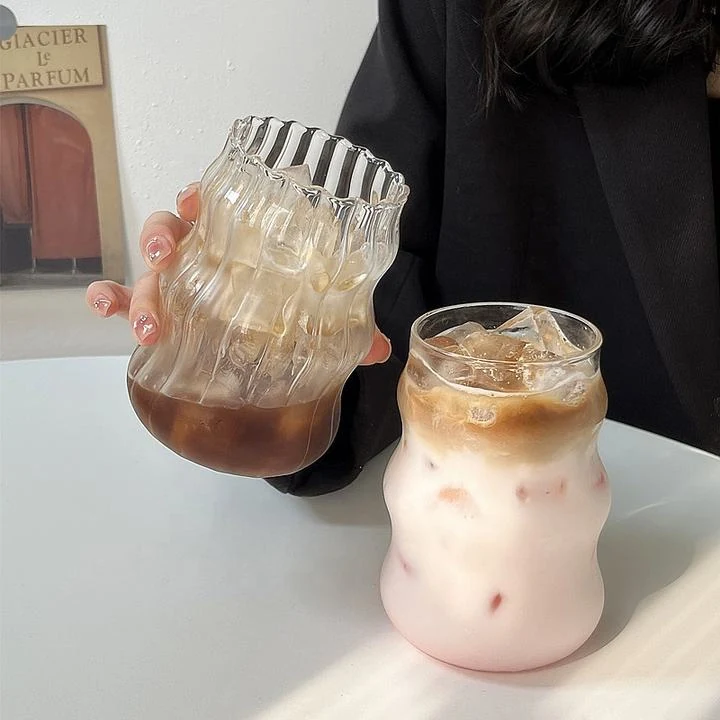
The increasing demand for glass products comes mainly from the hospitality and beverage industries. With Asmara’s rise as a regional business hub and a tourism revival following years of isolation, restaurants, hotels, and coffee shops are driving new market opportunities. The growing consumer preference for reusable and environmentally friendly tableware is also supporting demand for glass cups and drinkware.
Government policies that promote industrialization, along with partnerships from international development agencies, are beginning to support domestic manufacturing. Eritrea’s abundant supply of silica sand and skilled artisans provide a foundation for a sustainable local glass industry. If these efforts continue, Eritrea could reduce its dependency on imports and build a competitive niche in East African manufacturing.
Part 2: Leading Companies
Asmara Glassworks

Asmara Glassworks was founded in 2010 in the capital city, Asmara. It began as a small workshop supplying glass bottles to local beverage producers but gradually expanded into glass cups, jars, and other household products. The company’s focus is on crafting reliable, affordable, and visually appealing glassware for both domestic and regional markets.
Asmara Glassworks serves the hospitality, retail, and beverage industries. Its products are known for their clarity and durability. By combining semi-automated production with traditional glass-blowing techniques, the company maintains both quality and artistry.
The company has received recognition from the Eritrean Ministry of Trade and Industry for promoting local production. It is now exploring solar-powered furnaces to reduce fuel costs and environmental impact. Asmara Glassworks represents Eritrea’s move toward sustainable and self-reliant manufacturing.
Red Sea EcoGlass

Red Sea EcoGlass, established in 2016 near Massawa, focuses on recycled glass production. It collects discarded bottles and glass waste from coastal cities and converts them into reusable glass cups, jugs, and decorative products. Its goal is to merge environmental responsibility with local craftsmanship.
The company’s key markets include restaurants, eco-hotels, and souvenir retailers. Each glass piece is handmade, giving it a distinctive texture that appeals to design-conscious customers. The company also runs educational programs promoting waste recycling and sustainable entrepreneurship.
Red Sea EcoGlass has received international support from green business initiatives. It holds an Environmental Sustainability Certificate and collaborates with NGOs to expand community recycling projects. This focus on eco-friendly innovation makes it a leader in Eritrea’s sustainable manufacturing movement.
Horn of Africa Glass Industries

Horn of Africa Glass Industries (HAGI) is a regional manufacturing firm established in 2008, with operations in both Eritrea and Ethiopia. The Eritrean branch, located outside Keren, specializes in industrial and commercial glass production, including glass cups, bottles, and jars. The company uses automated forming machines and advanced furnaces imported from Turkey.
Its clients include beverage bottlers, supermarkets, and wholesalers across the Horn of Africa. The firm’s strength lies in its efficient production capacity and ability to meet export standards. It offers both OEM and private-label manufacturing services, allowing clients to customize designs and packaging.
HAGI holds ISO 9001 certification and follows strict quality control standards. Its ongoing investment in energy efficiency and workforce training has helped modernize Eritrea’s glass production capabilities and strengthen regional trade connections.
| Company | Founded | Core Products | Industries | Certifications |
|---|---|---|---|---|
| Asmara Glassworks | 2010 | Glass cups, jars, bottles | Hospitality, retail | Local Industry Recognition |
| Red Sea EcoGlass | 2016 | Recycled glass cups, art pieces | Hospitality, eco-retail | Environmental Sustainability Certificate |
| Horn of Africa Glass Industries | 2008 | Cups, bottles, jars | Beverage, industrial | ISO 9001 |
Part 3: Trade Shows and Industry Events
Eritrea Industrial and Trade Expo
The Eritrea Industrial and Trade Expo, held annually in Asmara, is one of the country’s most important business events. It showcases local manufacturing, construction, and export industries. For emerging glass manufacturers, this expo serves as a key opportunity to present products and attract buyers from across East Africa.

The event usually takes place in June and includes exhibitions, technical seminars, and investment forums. Asmara Glassworks and Red Sea EcoGlass are frequent participants, using the event to demonstrate new product lines and sustainable initiatives. The expo’s strong focus on local innovation supports the growth of domestic producers who aim to expand beyond Eritrea’s borders.
East Africa Green Industry Forum
The East Africa Green Industry Forum is a regional sustainability event that rotates among participating countries. When hosted in Eritrea, it draws entrepreneurs, policy leaders, and NGOs to discuss environmental manufacturing practices. Red Sea EcoGlass often showcases its recycling methods and glassware design innovations.

The forum emphasizes clean production, renewable energy, and circular economy principles. It includes workshops on eco-certifications and investment opportunities in green sectors. For Eritrea’s manufacturing industry, this event highlights the growing importance of sustainability and environmental accountability as part of industrial development.
| Event | Date | Location | Highlights |
|---|---|---|---|
| Eritrea Industrial and Trade Expo | June | Asmara | Local manufacturing showcase, export networking |
| East Africa Green Industry Forum | Rotating (varies) | Asmara (occasionally) | Sustainable manufacturing, eco-certifications |
Part 4: Impact of Global Trade Policies
Global trade policies and regional cooperation play a major role in shaping Eritrea’s manufacturing outlook. As a member of the African Continental Free Trade Area (AfCFTA), Eritrea is gaining access to regional markets with reduced tariffs and better logistics. This agreement allows local glass producers to export to neighboring countries more efficiently.

At the same time, international price fluctuations in raw materials like silica and energy costs remain a challenge. Many Eritrean manufacturers are responding by adopting recycled materials and renewable energy to offset expenses. These changes align with international sustainability goals and attract potential investors who value responsible production.
Global environmental standards are influencing export strategies as well. To compete internationally, local producers must meet quality certifications such as ISO 9001 and eco-labeling requirements. Although achieving these standards requires investment, they offer long-term benefits by improving credibility and opening new trade opportunities for Eritrean glass manufacturers.
Part 5: Conclusion
Eritrea’s glass cup manufacturing industry is small but growing with determination and purpose. Driven by sustainability, innovation, and regional cooperation, the sector is beginning to establish a foundation for long-term industrial success. Local companies are learning to combine traditional craftsmanship with modern technology to meet the needs of both domestic and regional markets.
Still, the journey is not without obstacles. Limited infrastructure, high transportation costs, and the need for advanced machinery continue to slow expansion. Yet, Eritrean manufacturers are proving resilient, creative, and committed to local value creation. If government support and regional partnerships continue, Eritrea has the potential to become a recognized producer of eco-friendly glassware in East Africa, turning its natural resources and artisanal skills into a symbol of sustainable progress.
Recommended Reading:
- Glass Cup Manufacturer Equatorial Guinea
- Glass Cup Manufacturer El Salvador
- Glass Cup Manufacturer Dominican Republic
- Glass Cup Manufacturer Dominica
- Glass Cup Manufacturer Djibouti
- Glass Cup Manufacturer Cyprus
- Glass Cup Manufacturer Cuba
- Glass Cup Manufacturer Croatia
Creative Bear Shape Borosilicate Glass Mug – Transparent Ins Style Drinkware
Empty Low Price Wholesale Black Amber Color 187ml 375ml 750ml 1500ml Manufacturer Bulk Glass Burgundy Wine Bottle
450Ml Double Wall Borosilicate Glass Coffee Mug Durable Drinking Cup
250ml Luxury Glass Perfume Bottle with Lids