Skip to content

Part 1: Market Size and Growth
The glass manufacturing industry in The Gambia is small but developing, reflecting the country’s broader shift toward self-sufficiency and sustainable production. While most glassware has historically been imported from Europe and Asia, recent years have seen growing local interest in recycling and small-scale glassmaking. This shift is supported by the tourism, hospitality, and beverage sectors, which create consistent demand for high-quality glass cups, bottles, and tableware.

Hotels, restaurants, and beach resorts along the Atlantic coast—especially in Banjul, Kololi, and Serekunda—rely heavily on durable glass products for daily operations. As tourism expands and local businesses seek to reduce import dependence, there’s increasing motivation to invest in domestic production.
The Gambian government’s “Green Recovery Focus” strategy encourages sustainable industries through recycling programs and small business support. This has led to the rise of eco-friendly glass startups that blend artistry and environmental responsibility. While large-scale production remains limited, the market’s growth trajectory is promising, with more local artisans entering the space.
Part 2: Leading Companies
Gambia Glassworks

Gambia Glassworks, founded in 2011 in Banjul, is one of the first companies to explore local glass production. It began by recycling beverage bottles into hand-blown glass cups and decorative items. Today, it produces tableware for hotels, cafés, and local retailers, focusing on sustainability and traditional craftsmanship.
The company serves the hospitality, retail, and tourism sectors. Its product catalog includes simple, elegant designs suited for both modern and traditional settings. Gambia Glassworks is known for its commitment to recycling, using glass waste collected from restaurants and bars.
The firm works with local artisans and has received national recognition for supporting job creation and environmental awareness. It aims to expand production capacity by introducing semi-automated furnaces powered by solar energy—a move aligned with Gambia’s renewable energy goals.
EcoVerre Gambia
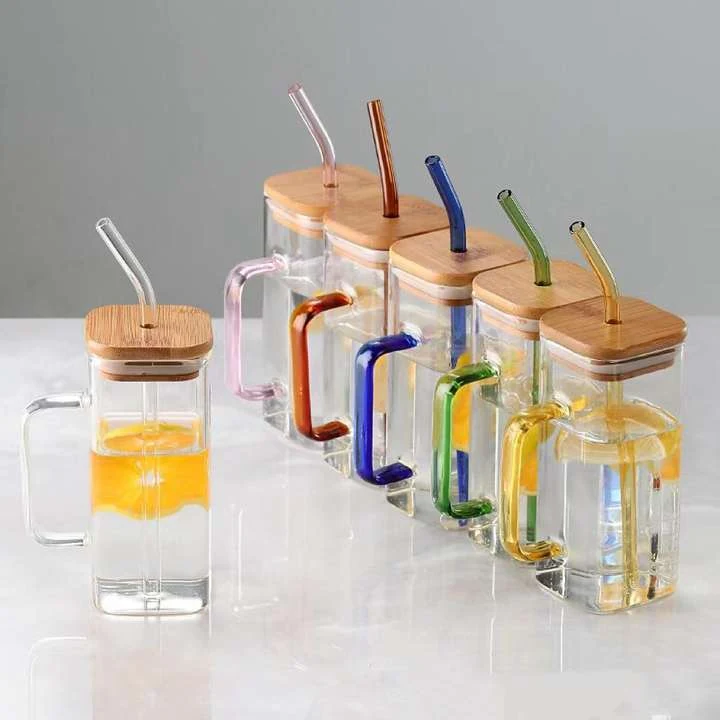
EcoVerre Gambia was established in 2017 in Serekunda. It focuses on eco-friendly glass cup production using 100% recycled materials. The company collects discarded bottles from hotels and recycling centers, transforming them into unique, handmade glassware. Each item is crafted to highlight the natural color and texture of recycled glass.
Its core industries include hospitality, retail, and giftware. EcoVerre’s signature line of hand-blown cups is popular among eco-lodges and sustainable tourism brands seeking locally sourced products. The company also runs community education programs about waste reduction and sustainable entrepreneurship.
EcoVerre has earned several awards from local NGOs for environmental innovation. It continues to collaborate with international partners to introduce advanced techniques in low-emission glass melting and design.
West Africa Glass Industries

West Africa Glass Industries (WAGI), founded in 2009, operates across several West African countries, including a plant near Banjul. Its Gambian facility focuses on producing glass cups, bottles, and jars for beverages and household use. WAGI serves as the region’s link between artisanal craftsmanship and industrial-scale glass production.
Its clients include beverage producers, supermarkets, and hotels. The company uses automated molding and quality-control systems imported from Turkey and Italy to maintain consistent production standards. Its advantage lies in volume capacity and regional trade reach, enabling it to supply neighboring countries like Senegal and Guinea-Bissau.
WAGI holds ISO 9001 and ISO 14001 certifications and invests heavily in sustainable technologies. By supporting local raw material sourcing and training programs, the company contributes to industrial skill development in The Gambia.
| Company | Founded | Core Products | Industries | Certifications |
|---|---|---|---|---|
| Gambia Glassworks | 2011 | Recycled glass cups, tableware | Hospitality, retail | Local Sustainability Recognition |
| EcoVerre Gambia | 2017 | Hand-blown recycled glass cups | Hospitality, eco-tourism | Environmental Innovation Award |
| West Africa Glass Industries | 2009 | Glass cups, bottles, jars | Beverage, retail | ISO 9001, ISO 14001 |
Part 3: Trade Shows and Industry Events
Gambia International Trade Fair
The Gambia International Trade Fair, held annually in Banjul, is one of the country’s largest business exhibitions. It showcases industries ranging from manufacturing and agriculture to crafts and technology. For glass producers, this event offers a crucial platform to present eco-friendly products and attract both local and regional buyers.
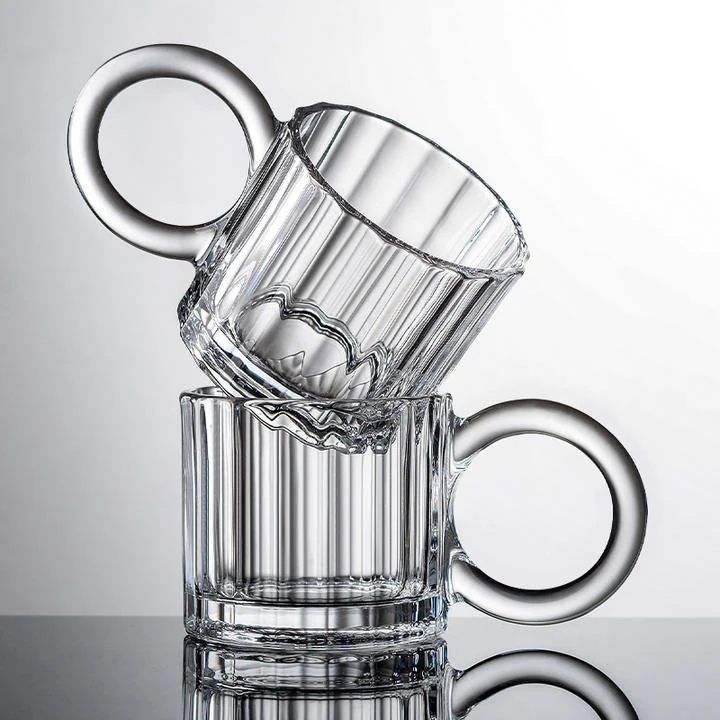
The fair usually takes place in February and attracts exhibitors from across West Africa. Companies like EcoVerre Gambia and Gambia Glassworks often participate, highlighting their recycling initiatives and product innovations. The event also features workshops on business development, sustainability, and export promotion, supporting manufacturers looking to expand regionally.
West Africa Green Industry Forum
The West Africa Green Industry Forum, held alternately in Gambia and Senegal, is a regional sustainability event focusing on renewable energy, recycling, and green entrepreneurship. When hosted in Banjul, it attracts both policymakers and eco-manufacturers. EcoVerre Gambia frequently showcases its work here, emphasizing waste transformation and community-based sustainability.
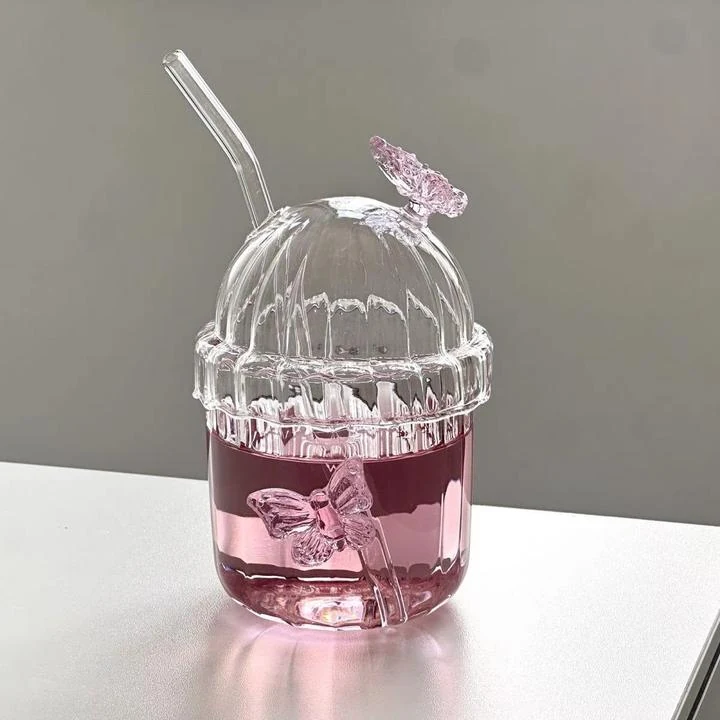
The forum includes panel discussions, startup exhibitions, and collaboration sessions with environmental NGOs. It helps local manufacturers connect with investors and technology partners focused on eco-friendly solutions. This event is critical for positioning The Gambia as a hub for sustainable business innovation in West Africa.
| Event | Date | Location | Highlights |
|---|---|---|---|
| Gambia International Trade Fair | February | Banjul, Gambia | Business networking, sustainable product showcases |
| West Africa Green Industry Forum | Varies | Banjul or Dakar | Recycling innovation, renewable energy collaboration |
Part 4: Impact of Global Trade Policies
Global trade and regional integration have a major impact on The Gambia’s manufacturing potential. As a member of the Economic Community of West African States (ECOWAS), Gambia benefits from reduced tariffs and simplified export processes within the region. This allows local glass manufacturers to reach nearby markets more efficiently.
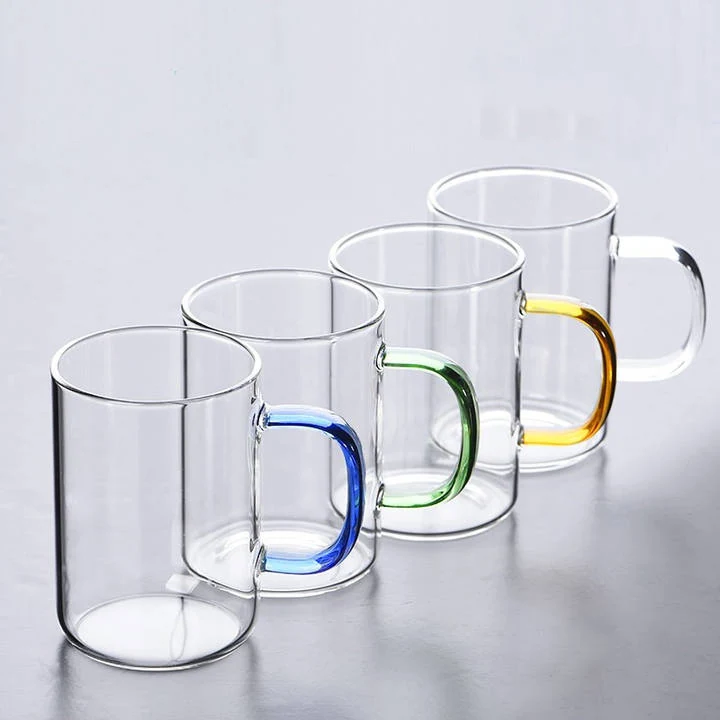
However, global fluctuations in fuel prices and shipping costs affect the availability of raw materials like soda ash and silica. To manage this, companies are turning toward recycled materials as primary production inputs. This shift not only reduces costs but also aligns with the growing global preference for sustainable products.
Trade agreements such as the African Continental Free Trade Area (AfCFTA) further open doors for Gambian producers to expand exports. Compliance with international environmental and quality standards remains a challenge but also an opportunity. By focusing on sustainable manufacturing and fair trade principles, Gambia’s glass industry can strengthen its reputation as an ethical and innovative market player.
Part 5: Conclusion
The glass cup manufacturing industry in The Gambia is modest in scale but rich in creativity and sustainability. From small artisan workshops to emerging industrial players, local producers are embracing the principles of recycling, innovation, and green growth. The blend of tourism-driven demand and environmental awareness gives the industry a strong foundation for future development.
Challenges persist, including limited access to advanced equipment, high energy costs, and small production capacity. Yet, these are offset by the country’s commitment to eco-friendly practices and regional trade cooperation. With continued investment in technology, training, and sustainable production, The Gambia can position itself as a West African model for responsible glass manufacturing. Its story reflects how small nations can turn environmental challenges into opportunities for growth and creativity.
Recommended Reading:
- Glass Cup Manufacturer Gabon
- Glass Cup Manufacturer Fiji
- Glass Cup Manufacturer Eswatini
- Glass Cup Manufacturer Eritrea
- Glass Cup Manufacturer Equatorial Guinea
- Glass Cup Manufacturer El Salvador
- Glass Cup Manufacturer Dominican Republic
- Glass Cup Manufacturer Dominica
Glass Bottle Manufacturers in Jordan
Custom Glass Tumbler With Lid And Straw For Coffee
Clear Pepsi Glass Soda Bottles Wholesale 350ml
Glass Bottle Manufacturers in South Sudan