
Part 1: Market Size and Growth
Haiti’s glass manufacturing industry is small but evolving, driven by a growing interest in sustainability, local craftsmanship, and economic diversification. For decades, Haiti has relied on imported glassware from the Dominican Republic, China, and the United States. However, in recent years, local entrepreneurs and artisans have begun creating small-scale glass manufacturing operations using recycled materials.

Tourism, hospitality, and beverage packaging are the main sectors fueling demand for glass cups, bottles, and tableware. With hotels, restaurants, and resorts expanding in Port-au-Prince, Cap-Ha?tien, and Jacmel, the need for durable, locally sourced glass products has increased. Environmental awareness and recycling initiatives have also played a major role, as more Haitians recognize the economic potential of transforming waste into reusable goods.
Haiti’s government, along with international development partners, has launched programs to support green entrepreneurship. This has led to the rise of eco-friendly glass producers and artisans who blend creativity with sustainability. While the industry remains small, it represents an important step toward industrial growth and environmental innovation.
Part 2: Leading Companies
Verre Ayiti
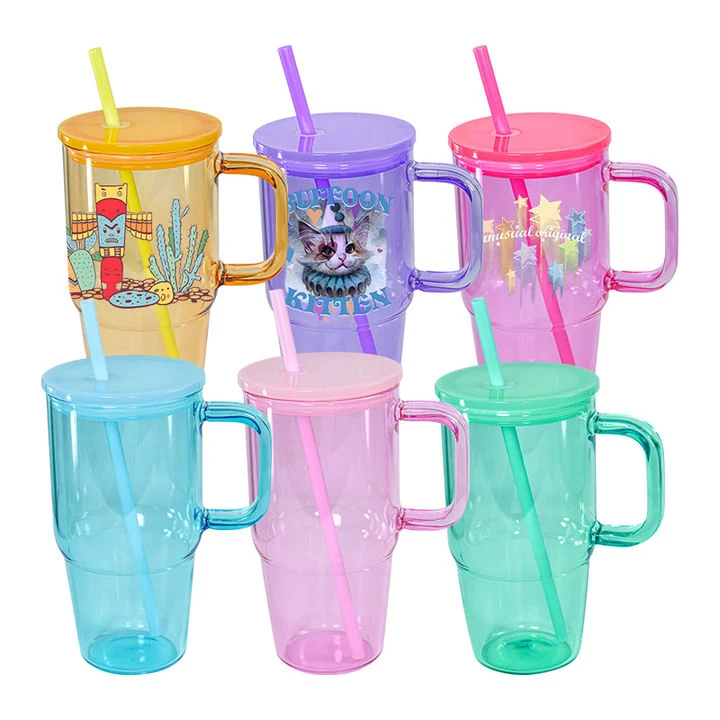
Verre Ayiti, founded in 2014 in Port-au-Prince, is Haiti’s leading recycled glass manufacturer. The company collects glass waste from urban areas and transforms it into high-quality cups, tumblers, and bottles for the hospitality and retail sectors.
Its main clients include restaurants, eco-hotels, and beverage producers. Verre Ayiti’s focus on recycled materials and creative design has made it a pioneer in sustainable manufacturing. Each product is handmade by local artisans trained through community workshops, ensuring both social and environmental impact.
The company has received recognition from Haiti’s Ministry of Commerce and several international NGOs for its contribution to green entrepreneurship. Verre Ayiti’s products are now distributed in Haiti, the Dominican Republic, and parts of the Caribbean through fair-trade partnerships.
Haiti Glass Recyclers

Haiti Glass Recyclers (HGR), established in 2017 in Cap-Ha?tien, operates as a recycling and manufacturing hybrid company. It collects glass waste from local beverage producers and turns it into new products, including glass cups and tableware. The company’s mission is to reduce landfill waste while providing affordable glass products to the domestic market.
Its primary clients are hotels, restaurants, and catering companies. HGR employs semi-automated glass-cutting and molding systems to improve efficiency while maintaining handcrafted finishing. The company collaborates with local communities for waste collection and youth employment initiatives.
Haiti Glass Recyclers has been recognized by the Inter-American Development Bank for its innovation in circular economy practices. It continues to expand production capacity and aims to export to the wider Caribbean within the next few years.
Caribbean Glass Industries Haiti

Caribbean Glass Industries Haiti (CGI-Haiti), established in 2011, is a regional branch of a Caribbean manufacturing network. Based near Port-au-Prince, CGI-Haiti focuses on industrial-scale glass production for beverage and food packaging, while also manufacturing glass cups for the hospitality sector.
The company’s clients include major beverage brands, supermarkets, and export distributors. CGI-Haiti stands out for its high production capacity and advanced European machinery, ensuring consistent quality across large orders. The company has helped reduce the country’s reliance on imported glassware and provided technical training to local workers.
CGI-Haiti holds ISO 9001 and ISO 14001 certifications and is a strong advocate for sustainable industrial growth. Its long-term plan includes transitioning to solar-powered furnaces and expanding exports within the CARICOM region.
| Company | Founded | Core Products | Industries | Certifications |
|---|---|---|---|---|
| Verre Ayiti | 2014 | Recycled glass cups, bottles | Hospitality, retail | Green Entrepreneurship Award |
| Haiti Glass Recyclers (HGR) | 2017 | Glass cups, tableware | Hospitality, eco-retail | Circular Economy Award |
| Caribbean Glass Industries Haiti (CGI-Haiti) | 2011 | Cups, bottles, jars | Beverage, industrial | ISO 9001, ISO 14001 |
Part 3: Trade Shows and Industry Events
Haiti International Trade Fair
The Haiti International Trade Fair, held annually in Port-au-Prince, is the country’s largest exhibition for manufacturing, trade, and innovation. It provides a vital platform for glass producers to connect with local buyers, distributors, and international investors.

The event usually takes place in October and showcases sectors such as manufacturing, construction, energy, and sustainable development. Companies like Verre Ayiti and HGR participate regularly, presenting their recycled glassware collections and sharing insights on sustainable manufacturing. The fair is organized by the Ministry of Commerce and supported by various regional business chambers.
Caribbean Green Business Forum
The Caribbean Green Business Forum is a regional event promoting sustainability, renewable energy, and circular economy initiatives. When hosted in Port-au-Prince, it attracts entrepreneurs, policymakers, and NGOs committed to green industry development. Verre Ayiti often represents Haiti, showcasing its recycled glass products and sharing case studies on community-based manufacturing.
The event features workshops, exhibitions, and investment sessions aimed at supporting sustainable enterprises. It helps connect Haitian manufacturers with partners from across the Caribbean and Latin America, fostering collaboration in eco-friendly trade and technology transfer.
| Event | Date | Location | Highlights |
|---|---|---|---|
| Haiti International Trade Fair | October | Port-au-Prince, Haiti | Manufacturing showcase, export partnerships |
| Caribbean Green Business Forum | Varies | Port-au-Prince or regional cities | Sustainable innovation, circular economy discussions |
Part 4: Impact of Global Trade Policies
Haiti’s glass manufacturing sector is influenced by regional trade agreements and global sustainability trends. As a member of the Caribbean Community (CARICOM), Haiti enjoys trade preferences across the Caribbean, allowing local producers to export glassware with reduced tariffs. These regional partnerships are crucial for expanding market access and attracting foreign investment.

Global movements toward eco-friendly production are also shaping Haiti’s manufacturing strategy. International demand for recycled and ethically produced goods encourages Haitian companies to adopt greener processes. Development agencies and NGOs are providing technical and financial support to help local manufacturers modernize their equipment and meet global quality standards.
Challenges remain, such as limited infrastructure and high energy costs. However, innovative companies like CGI-Haiti and Verre Ayiti are mitigating these issues through renewable energy projects and local raw material use. By aligning with global sustainability frameworks such as the UN Sustainable Development Goals (SDGs), Haiti’s glass industry is positioning itself as a responsible and forward-looking player in the Caribbean market.
Part 5: Conclusion
Haiti’s glass cup manufacturing industry may still be young, but it reflects the country’s growing commitment to sustainability, creativity, and self-reliance. From artisanal workshops like Verre Ayiti to larger industrial operations such as CGI-Haiti, local manufacturers are showing that innovation can thrive even in challenging environments.
The combination of recycling, craftsmanship, and environmental awareness gives Haiti’s glass industry a unique identity. Although challenges like limited technology and infrastructure remain, ongoing investments in renewable energy and workforce training are paving the way for progress. With continued government support, regional trade integration, and international collaboration, Haiti can become a model for sustainable glass production in the Caribbean. Its manufacturers are proving that transparency—both in glass and in purpose—can lead to a more resilient and eco-conscious future.
Recommended Reading:
- Glass Cup Manufacturer Guyana
- Glass Cup Manufacturer Guinea-Bissau
- Glass Cup Manufacturer Guinea
- Glass Cup Manufacturer Guatemala
- Glass Cup Manufacturer Grenada
- Glass Cup Manufacturer Georgia
- Glass Cup Manufacturer Gambia
- Glass Cup Manufacturer Gabon
250ml glass milk bottles
180ml 220ml 320ml Glass Paragon Jars Wholesale
Glass Bottle Manufacturers in Lithuania
Glass Bottle Manufacturers in Eswatini