Skip to content

Part 1: Market Size and Growth
Iraq’s glass manufacturing industry is undergoing a slow but steady transformation, driven by reconstruction efforts, economic diversification, and growing consumer demand. The market for glass cups, tumblers, and tableware is expanding, particularly as urban development and hospitality investments increase across Baghdad, Basra, and Erbil. Local producers and traders are beginning to fill the gap left by decades of import dependency.

The hospitality and homeware sectors in Iraq have shown consistent growth since 2018. Rising demand from restaurants, hotels, and retail outlets has created opportunities for both local manufacturers and importers. Domestic production remains limited but is improving, with new facilities being established to serve local and regional needs.
Government programs under the Iraq National Development Plan 2030 and the Reconstruction and Investment Initiative are supporting manufacturing revival. These include incentives for local production, import substitution, and infrastructure modernization. With better access to energy, raw materials, and regional markets, Iraq’s glass industry is slowly building its foundation for long-term sustainability.
Part 2: Leading Companies
State Company for Glass and Refractories (SCGR)

The State Company for Glass and Refractories (SCGR), headquartered in Ramadi, is Iraq’s largest and oldest glass producer. Established in 1970, SCGR manufactures glass cups, bottles, jars, and flat glass for both industrial and consumer applications. After years of disruption, the company has restarted production under modernization projects supported by the Ministry of Industry and Minerals.
SCGR serves multiple sectors including hospitality, beverages, and construction. Its tableware and glass cups are supplied mainly to local markets but are gradually re-entering export channels in neighboring countries. The company is working toward improving product quality and expanding its portfolio to include decorative glass items.
Technological improvements include furnace rehabilitation, energy recovery systems, and semi-automated forming lines. SCGR operates under ISO 9001 standards and has implemented recycling programs to minimize waste. It remains central to Iraq’s industrial recovery and employment generation in the glass sector.
Basra Glass Factory

Basra Glass Factory, located in southern Iraq, was founded in the late 1980s to produce glass cups, containers, and tableware for the domestic market. Following reconstruction efforts, the plant has resumed limited operations with plans for expansion and modernization. It focuses on serving local hospitality and retail sectors.
The company’s products are designed for both household and commercial use, offering affordable and durable glass cups that meet everyday needs. Basra Glass Factory also partners with regional distributors to supply products to southern Iraq and parts of Kuwait.
Recent upgrades include improved gas furnaces, semi-automated molding systems, and better quality control. The factory has adopted a sustainability plan aimed at reducing energy consumption and increasing the use of recycled glass. It continues to receive technical and financial support under Iraq’s industrial development programs.
Erbil Glass and Design Co.
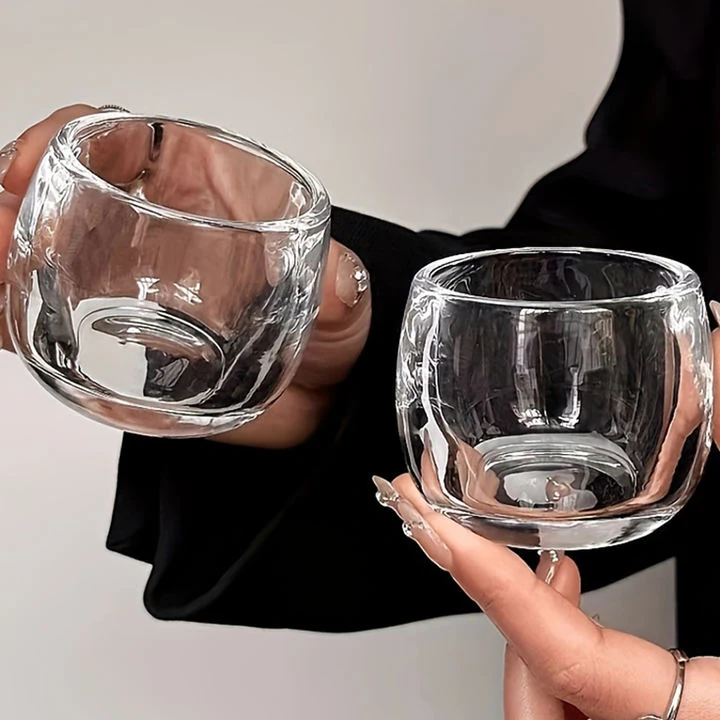
Erbil Glass and Design Co., founded in 2010 in the Kurdistan Region, is a private enterprise specializing in decorative glassware and modern tableware, including customized glass cups and tumblers. The company blends design creativity with modern machinery to serve both hospitality and retail markets.
Its clients include hotels, restaurants, interior design firms, and retailers across northern Iraq. The company also collaborates with local artisans to produce hand-decorated glassware that highlights Kurdish cultural motifs. Its glass cups are sold through both wholesale and e-commerce channels.
Erbil Glass has invested in energy-efficient kilns, laser engraving systems, and eco-friendly packaging. It has received recognition from local trade authorities for promoting sustainable and creative manufacturing in Iraq’s private sector.
| Company | Founded | Core Products | Industries | Certifications |
|---|---|---|---|---|
| State Company for Glass and Refractories (SCGR) | 1970 | Cups, Bottles, Flat Glass | Industrial, Hospitality | ISO 9001 |
| Basra Glass Factory | 1980s | Cups, Containers, Tableware | Retail, Hospitality | Local Quality Certification |
| Erbil Glass and Design Co. | 2010 | Decorative Cups, Tableware | Artisanal, Retail | Regional Design Recognition |
Part 3: Trade Shows and Industry Events
Baghdad International Fair
The Baghdad International Fair is Iraq’s largest and most established multi-sector exhibition, bringing together manufacturers, importers, and investors from across the country and abroad. Glass cup producers participate to promote local production capacity and attract business partners for joint ventures.
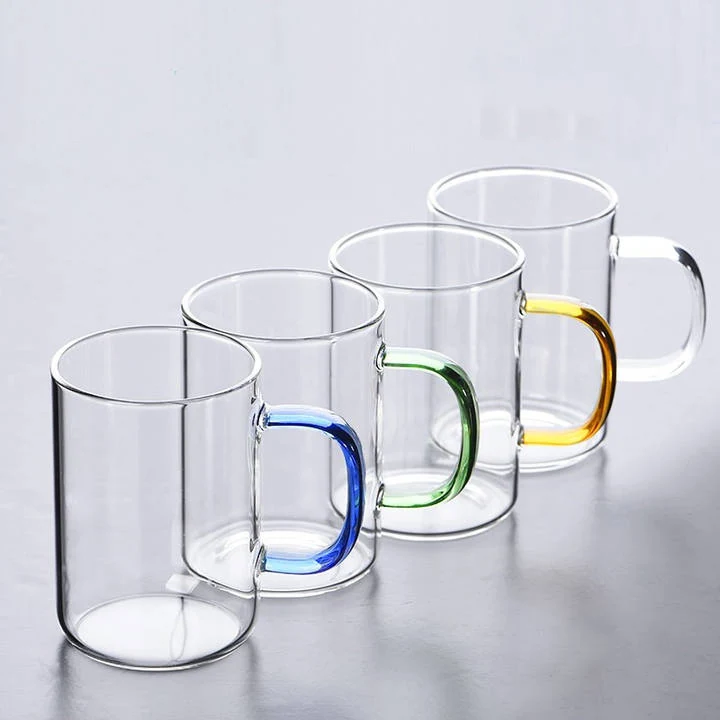
The fair is held annually and covers industries including manufacturing, construction, and consumer goods. It provides Iraqi companies with opportunities to meet distributors, hospitality buyers, and investors. For glass manufacturers, it’s a vital venue to showcase their progress in modernization and sustainability.
Basra International Industry & Trade Expo
The Basra International Industry & Trade Expo is a key event for southern Iraq’s industrial and commercial sectors. Glass cup manufacturers and suppliers use the exhibition to display new designs, explore export markets, and network with partners from the Gulf region.
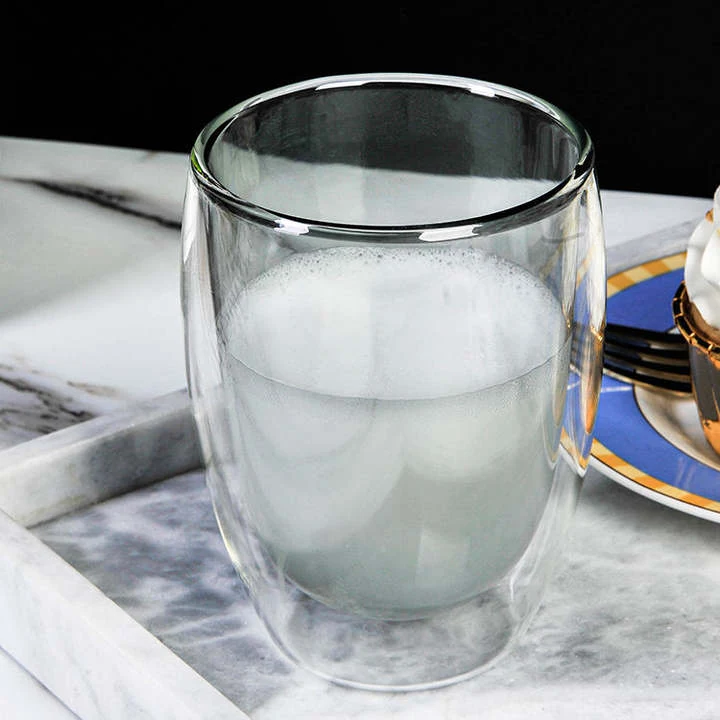
The expo features industrial products, machinery, and household goods, attracting companies from Turkey, Iran, Jordan, and Kuwait. It serves as a major platform for Iraqi manufacturers to build regional connections and strengthen supply chains.
| Event | Date | Location | Highlights |
|---|---|---|---|
| Baghdad International Fair | November (Annual) | Baghdad | Industrial Development, Trade Partnerships |
| Basra Industry & Trade Expo | March (Annual) | Basra | Regional Networking, Export Promotion |
Part 4: Impact of Global Trade Policies
Iraq’s trade environment is evolving as the government seeks to reintegrate the country into global supply chains. The Iraq Reconstruction and Investment Law provides tax exemptions and customs relief for manufacturing projects, including glass production. These policies encourage foreign and domestic investment in the glass industry, particularly for energy-efficient and export-oriented factories.

However, Iraq’s dependence on imported machinery and raw materials continues to affect cost structures. To reduce this, the government is supporting the development of local mining operations for silica sand and limestone—key materials in glassmaking. Investments in logistics infrastructure, such as the Basra Port expansion, are also improving export potential.
Trade relationships with neighboring countries like Turkey, Iran, and Jordan play a crucial role in supplying materials and machinery. Free trade zones in Basra and Erbil offer manufacturers customs advantages, enabling them to source equipment and export finished goods more efficiently. These partnerships are vital for rebuilding Iraq’s industrial base.
Energy policy reforms are another major factor. The availability of natural gas and electricity at stable rates has encouraged factories to restart operations. Iraq’s participation in regional sustainability discussions, particularly within the Arab League, is also influencing policies on recycling and emission control. New regulations encourage manufacturers to use recycled glass and adopt cleaner production technologies.
International development organizations, including the UN Industrial Development Organization (UNIDO) and USAID, are supporting Iraq’s industrial renewal through training programs, technology transfer, and investment facilitation. These initiatives help modernize factories and improve compliance with international standards, making Iraqi products more competitive.
Despite challenges such as political instability and logistics costs, Iraq’s potential for industrial self-sufficiency remains strong. With continued reforms and investment, the glass manufacturing sector can become a symbol of resilience and progress in the country’s broader economic recovery.
Part 5: Conclusion
Iraq’s glass cup manufacturing industry is re-emerging as a promising industrial sector, combining heritage, innovation, and resilience. From the state-run SCGR to private ventures like Erbil Glass and Basra Glass Factory, each player contributes to rebuilding a sustainable manufacturing base.
The sector’s success will depend on modernization, foreign partnerships, and energy efficiency. Manufacturers that invest in cleaner technologies, design innovation, and skilled labor will position themselves strongly in the domestic and regional markets. Iraq’s access to raw materials, low-cost energy, and growing local demand provide a strong foundation for expansion.
Challenges remain—particularly in logistics, technology, and market competitiveness—but these are being addressed through public and private collaboration. With the government’s focus on reconstruction and diversification, Iraq’s glass cup industry has the potential to evolve into a regional hub for high-quality glassware.
As Iraq continues its journey of renewal, its glass manufacturing sector stands as a reflection of that transformation—clear, resilient, and full of potential. Each glass cup produced in Iraq tells a story of recovery, craftsmanship, and the country’s determination to build a brighter, more sustainable future.
Recommended Reading:
- Glass Cup Manufacturer Romania
- Glass Cup Manufacturer Czechia
- Glass Cup Manufacturer Finland
- Glass Cup Manufacturer Chile
- Glass Cup Manufacturer Pakistan
- Glass Cup Manufacturer Egypt
- Glass Cup Manufacturer Denmark
- Glass Cup Manufacturer Colombia
Glass Bottle Manufacturers in Serbia
Black Flat Fluted Brandy Bottle 550ml
Glass Bottle Manufacturers in Russia
Glass Bottle Manufacturers in Antigua and Barbuda