Skip to content

Part 1: Market Size and Growth
Israel’s glass manufacturing industry has grown steadily in recent years, driven by both domestic consumption and export demand. The country has developed a strong foundation in specialty glass products, supported by local craftsmanship and advanced production technology. As eco-friendly materials and sustainable packaging trends rise, glassware has become a preferred choice for both home and professional use.
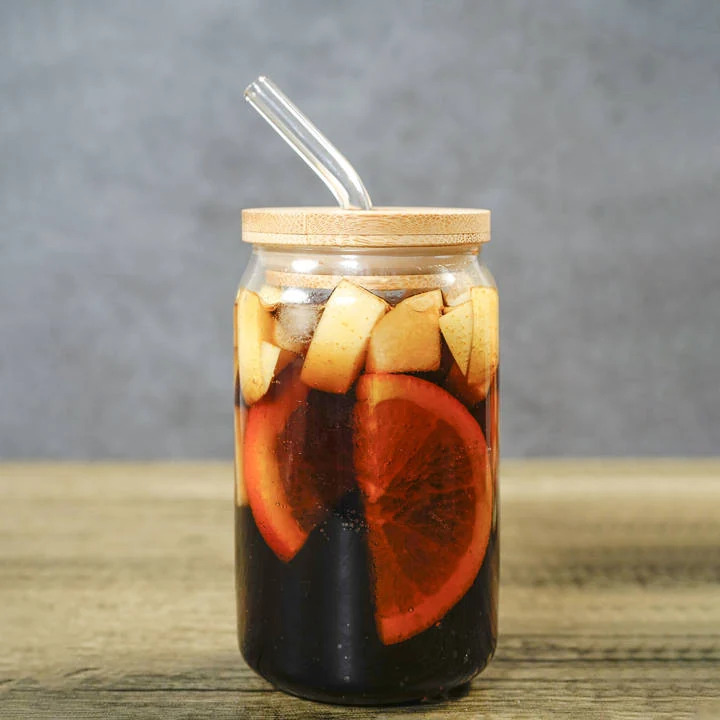
The market for glass cups in Israel covers diverse sectors—from hospitality and restaurants to household and corporate gifting. Many local producers focus on handmade or design-driven items, which gives them an edge in niche markets. Growing interest in artisanal dining experiences has also boosted demand for customized and elegant glass cups, particularly from boutique hotels and cafes that emphasize presentation.
Government support for innovation and environmental standards has also shaped this industry. Israel’s Ministry of Economy encourages local manufacturers to upgrade production efficiency, adopt recyclable materials, and improve export readiness. Investment incentives and industry clusters in areas like Haifa and Tel Aviv have further accelerated the modernization of glass production lines, making Israeli firms more competitive in the global market.
Part 2: Leading Companies
Phoenicia Glass Works Ltd.

Phoenicia Glass Works Ltd., founded in 1934 in Yeruham, is one of Israel’s oldest and most respected glass manufacturers. The company produces a wide range of glassware, including tableware, beverage glasses, and specialty containers for beverages. Its products are known for high clarity, durability, and eco-friendly materials.
Phoenicia serves industries such as hospitality, homeware, and food packaging. Its main clients include beverage companies, hotels, and international retailers. The company continuously invests in green production lines that reduce energy use and recycle up to 80% of its raw materials.
Phoenicia’s technological innovation lies in its energy-efficient furnaces and lightweight glass design. These features help reduce carbon emissions while maintaining product strength. The company holds ISO 14001 environmental certification and has been recognized for its contribution to sustainable manufacturing in the Middle East.
Ardagh Group Israel
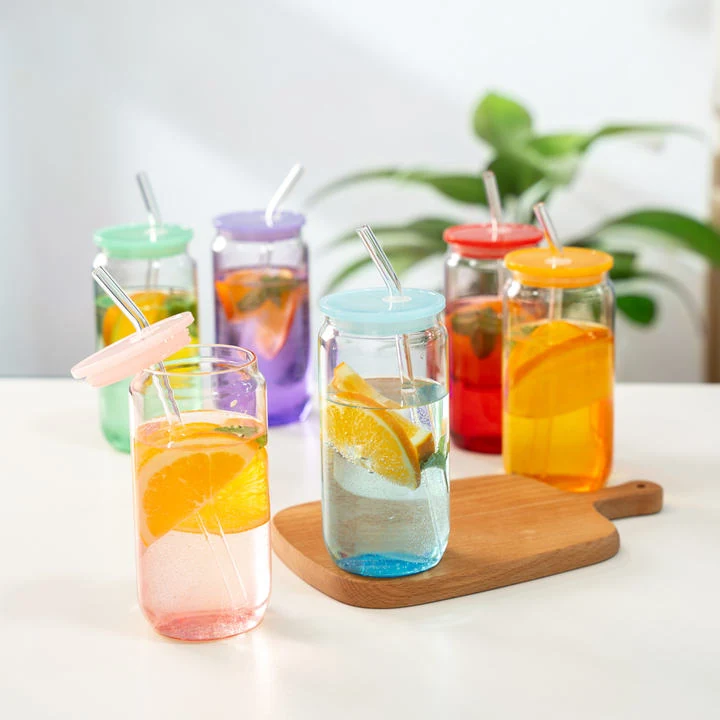
Ardagh Group operates a key glass production facility in Israel that specializes in beverage packaging and tableware. Founded as part of the global Ardagh Group, it combines international technology with local expertise to serve the domestic and export markets. Its production site integrates automation and digital quality control systems.
The company’s product line includes drinking glasses, jars, and glass cups for everyday and commercial use. Ardagh Israel serves industries like food, beverage, and hospitality, with an emphasis on safety and sustainability. It also provides custom design services for brands seeking exclusive cup shapes or branded glassware.
Technological highlights include automated molding, temperature control, and advanced annealing systems that improve strength and consistency. Ardagh Group Israel holds multiple certifications including ISO 9001 and ISO 45001, showcasing its high production standards and workplace safety culture.
SAGA Glass Design Studio
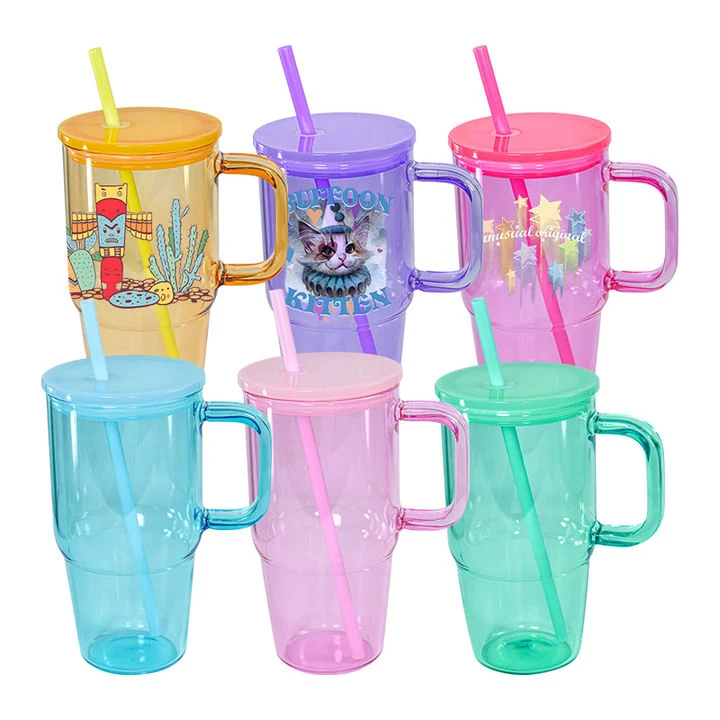
SAGA Glass Design Studio, based in Tel Aviv, is a boutique manufacturer known for creative, hand-blown glassware. Founded in 2008 by a group of local designers, it blends art and functionality in each collection. Its glass cups often feature contemporary shapes, unique textures, and color gradients that appeal to premium markets.
The company’s main clients are restaurants, art galleries, and retail boutiques across Israel and Europe. Its products are also popular as corporate gifts and home décor items. SAGA combines traditional glassblowing with modern aesthetics, offering a distinctive identity among industrial manufacturers.
Technically, SAGA emphasizes craftsmanship and innovation through manual production and artistic control. It has received several design awards and recognition from the Israel Export Institute for promoting Israeli art-based manufacturing globally.
| Company | Founded | Core Products | Industries | Certifications |
|---|---|---|---|---|
| Phoenicia Glass Works Ltd. | 1934 | Tableware, Beverage Glasses | Hospitality, Packaging | ISO 14001 |
| Ardagh Group Israel | 2000s | Cups, Jars, Bottles | Food & Beverage, Retail | ISO 9001, ISO 45001 |
| SAGA Glass Design Studio | 2008 | Hand-blown Glass Cups | Artisanal, Hospitality | Design Awards, Local Certifications |
Part 3: Trade Shows and Industry Events
Israel Design Week
Israel Design Week is one of the most dynamic events showcasing the intersection of art, craftsmanship, and innovation. Hosted annually in Jerusalem, it features local and international exhibitors from diverse creative fields, including glass design. Glass cup manufacturers present new shapes, eco-friendly materials, and artisanal collections.
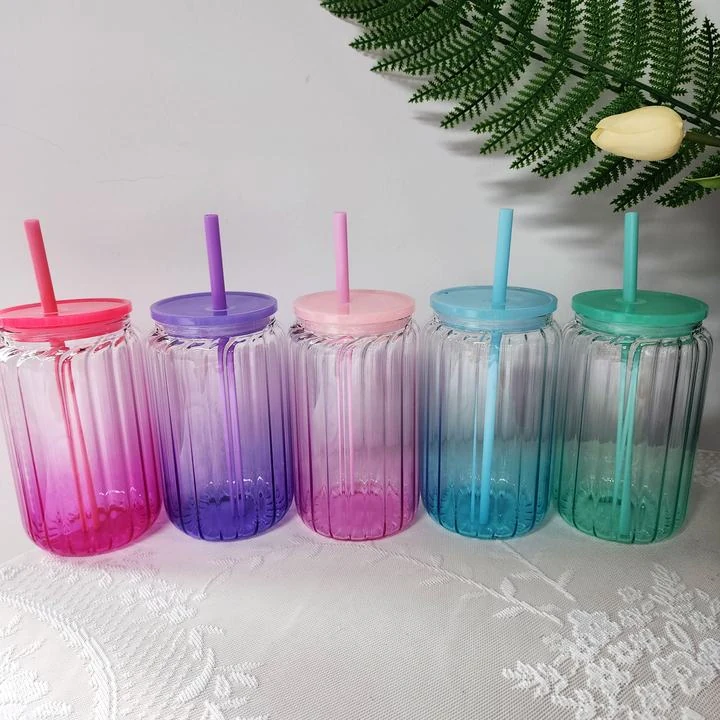
The event typically takes place in June, attracting more than 10,000 visitors from design schools, retail chains, and hospitality brands. Exhibitors use this platform to launch new collections and collaborate with architects and interior designers. The exhibition’s highlight is its “Material Innovation Pavilion,” which often includes workshops on sustainable glass production.
The Israeli International Home & Kitchen Expo
This annual event in Tel Aviv focuses on home, dining, and lifestyle products. It gathers both domestic and international suppliers of kitchenware, tableware, and home décor. Glass cup manufacturers display their latest lines for restaurants, hotels, and wholesalers.

The show usually runs in March and attracts distributors, retail buyers, and procurement managers. The event is known for its product showcases, live demonstrations, and networking sessions that connect manufacturers with importers from Europe and Asia. Many Israeli glass producers use this expo to explore export opportunities and partnership deals.
| Event | Date | Location | Highlights |
|---|---|---|---|
| Israel Design Week | June (Annual) | Jerusalem | Art, Design, and Sustainable Glass Innovations |
| Israeli International Home & Kitchen Expo | March (Annual) | Tel Aviv | Tableware, Glassware, and B2B Sourcing |
Part 4: Impact of Global Trade Policies
The Israeli glass industry operates in a global network shaped by trade agreements, energy costs, and logistics routes. Israel maintains free trade agreements with the European Union, the United States, and several Asian countries, which support its export of glassware and kitchen products. These agreements reduce tariffs and make Israeli glass cups more competitive in overseas markets.

However, rising energy prices and shipping costs pose challenges for local manufacturers. Since glass production is energy-intensive, any fluctuation in fuel prices directly affects production costs. To offset this, Israeli companies have increasingly turned to renewable energy sources and modernized their furnaces for efficiency.
Another important factor is the global shift toward sustainability and carbon-neutral production. Many importers now require environmental certifications or life-cycle assessments. This has encouraged Israeli manufacturers to develop recyclable packaging, improve raw material sourcing, and strengthen supply chain transparency.
Local substitution policies have also emerged as a response to global uncertainties, encouraging domestic consumption and strengthening local production capabilities. As a result, Israel’s glass sector is less dependent on imported raw materials, creating more resilience and long-term growth opportunities.
In global competition, Israeli manufacturers focus on quality, design, and niche production rather than mass manufacturing. This positioning helps them stand out in export markets, especially in Europe, where buyers value craftsmanship and eco-conscious design.
Part 5: Conclusion
The glass cup manufacturing industry in Israel continues to evolve with a mix of tradition and technology. Local producers are expanding their global reach while maintaining high artistic and environmental standards. From industrial giants like Phoenicia to boutique studios like SAGA, the ecosystem reflects both innovation and authenticity. As sustainability becomes a key selling point, Israeli manufacturers are investing more in green production and design collaborations to meet changing consumer expectations.
Despite its progress, the industry still faces challenges such as energy dependency, production costs, and export logistics. However, these obstacles also push companies to modernize and explore smarter, cleaner methods of production. With continued innovation, collaboration, and focus on quality, Israel’s glass cup manufacturing sector is well-positioned to thrive in the global market.
Recommended Reading:
- Glass Cup Manufacturer Norway
- Glass Cup Manufacturer UAE
- Glass Cup Manufacturer Austria
- Glass Cup Manufacturer Ireland
- Glass Cup Manufacturer Thailand
- Glass Cup Manufacturer Belgium
- Glass Cup Manufacturer Sweden
- Glass Cup Manufacturer Poland
Glass Bottle Manufacturers in Barbados
170Ml Borosilicate Glass Coffee Tea Cup
Glass Bottle Manufacturers in Djibouti
Glass Bottle Manufacturers in Equatorial Guinea