Part 1: Market Size and Growth
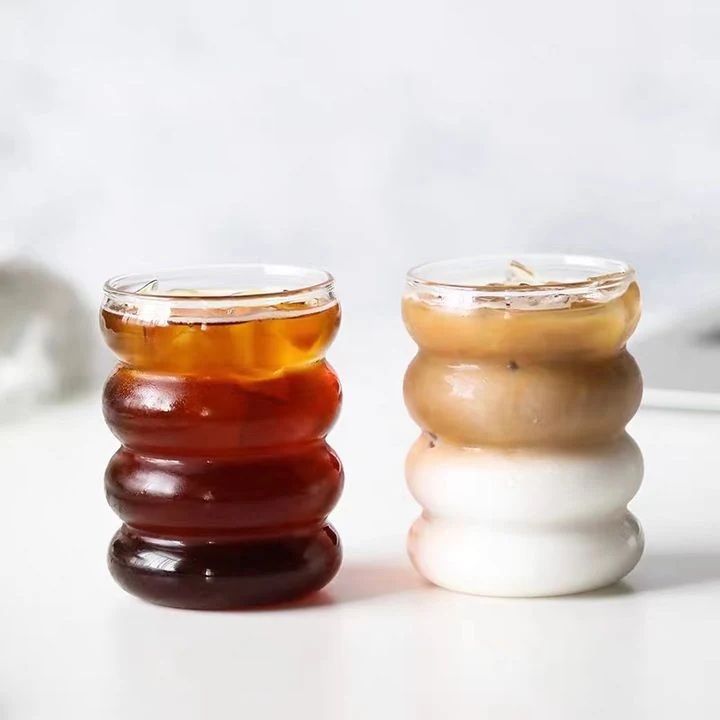
Kuwait’s glass manufacturing industry is steadily expanding, driven by growing demand in the hospitality, retail, and construction sectors. The market for glass cups, tumblers, and tableware has flourished alongside the nation’s thriving café culture and upscale dining scene. With rising consumer interest in sustainable and reusable materials, local and regional producers are investing in eco-friendly glass production technologies.
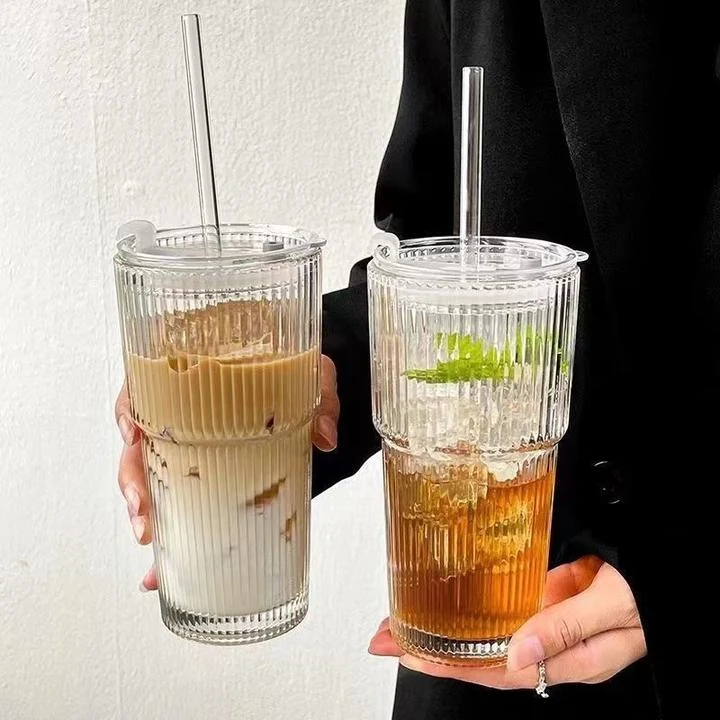
In recent years, Kuwait’s economic diversification plan—outlined in Kuwait Vision 2035—has spurred development in non-oil sectors, including manufacturing and design industries. This shift has encouraged local companies to expand into glassware production, catering to restaurants, hotels, and retail outlets that increasingly prefer locally sourced, durable glass cups.
Imports from Europe and neighboring Gulf countries still dominate the market, but domestic manufacturing capacity is growing, supported by government initiatives to promote small and medium-sized enterprises (SMEs) and industrial innovation. The combination of modern technology, energy availability, and strategic regional trade access makes Kuwait an emerging hub for specialized glassware production in the Gulf region.
Part 2: Leading Companies
Gulf Glass Manufacturing Company (GGMC)

Founded in 1981, Gulf Glass Manufacturing Company (GGMC) is Kuwait’s largest and most established glass producer. Located in Shuaiba Industrial Area, GGMC manufactures a wide range of glass products, including glass cups, bottles, jars, and tableware for both domestic and international markets. The company is known for its precision engineering and consistent product quality.
GGMC serves multiple sectors—beverage, hospitality, and retail—supplying customized glass cups to hotels, restaurants, and branded distributors. It exports extensively across the Middle East and North Africa, particularly to Saudi Arabia, Oman, and Egypt.
Technological strengths include automated forming machines, energy-efficient furnaces, and advanced quality control systems. GGMC is ISO 9001 and ISO 14001 certified and maintains high environmental standards through its in-house recycling and waste reduction programs.
Al Wazzan Glass Factory
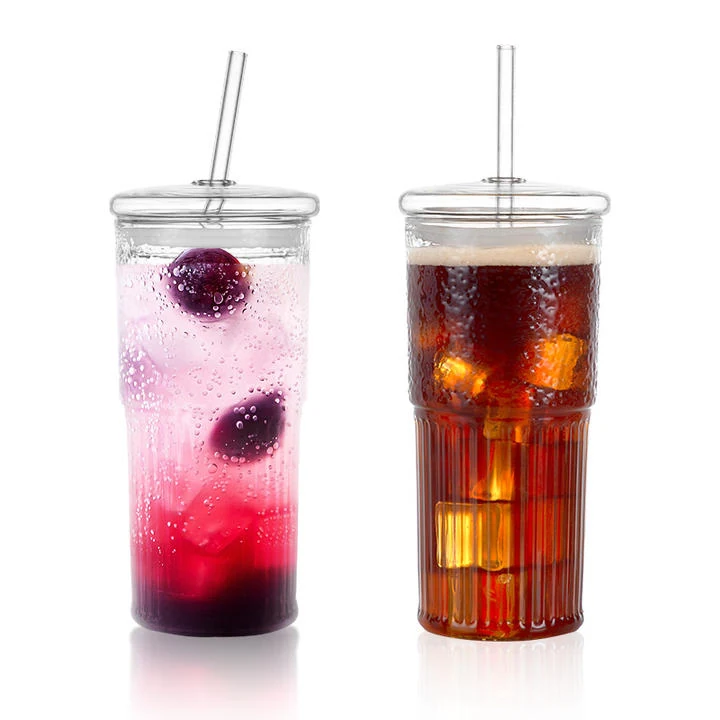
Al Wazzan Glass Factory, established in 2005, is a leading Kuwaiti company specializing in glass cups, tumblers, and decorative tableware. The company combines industrial-scale production with design versatility, offering both standard and custom-made glassware for hotels, retailers, and event suppliers.
Its product portfolio includes transparent and tinted glass cups, catering to diverse market preferences. Al Wazzan is also known for its decorative and promotional glass items, used in corporate branding and gifting.
The company’s facilities feature semi-automated forming lines, engraving equipment, and packaging systems. Al Wazzan prioritizes sustainability, using recycled glass and adopting energy-efficient production methods. It holds quality and safety certifications recognized by the Kuwait Public Authority for Industry (PAI).
Crystal House Kuwait
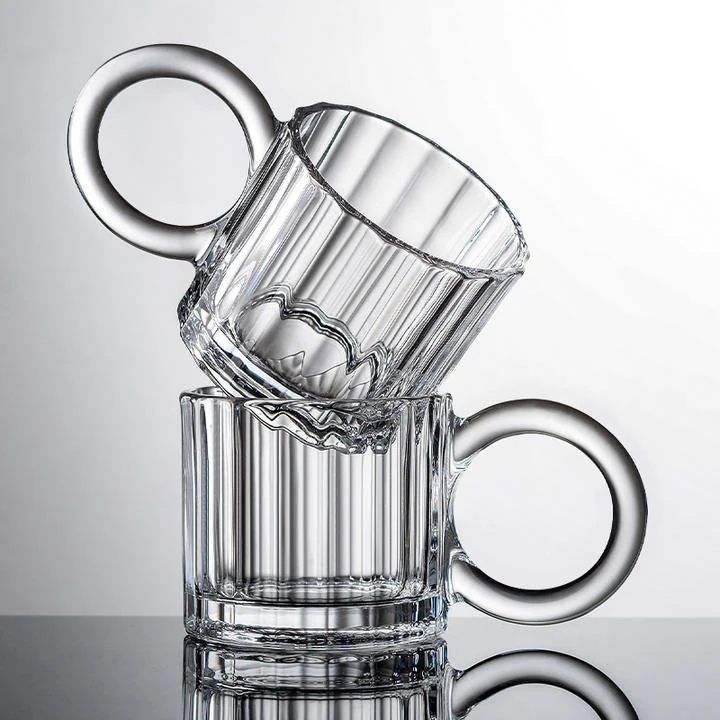
Crystal House Kuwait, founded in 2010, is an artisanal glassware and home décor studio specializing in handcrafted glass cups, crystal tableware, and decorative accessories. It caters to luxury retail, hospitality, and interior design sectors, producing limited-edition collections that emphasize craftsmanship and artistic expression.
The company works with regional designers to create contemporary and traditional styles that appeal to Kuwait’s high-end market. Its glass cups often feature intricate etching, gold accents, and hand-polished finishes. Crystal House products are showcased in luxury stores and boutique hotels throughout the Gulf.
The studio emphasizes environmentally responsible production, using recycled materials and lead-free crystal alternatives. It has been recognized by the Kuwait Design Council for promoting local craftsmanship and sustainable artistry in home décor manufacturing.
| Company | Founded | Core Products | Industries | Certifications |
|---|---|---|---|---|
| Gulf Glass Manufacturing Co. (GGMC) | 1981 | Cups, Bottles, Tableware | Beverage, Hospitality | ISO 9001, ISO 14001 |
| Al Wazzan Glass Factory | 2005 | Cups, Tumblers, Custom Glass | Retail, Hospitality | PAI Quality Certification |
| Crystal House Kuwait | 2010 | Handcrafted Cups, Crystalware | Luxury, Design | Kuwait Design Council Recognition |
Part 3: Trade Shows and Industry Events
Kuwait Build Exhibition
Kuwait Build is one of the country’s leading exhibitions for construction, design, and industrial products. Glass cup and tableware manufacturers participate to showcase new designs, sustainable materials, and innovative production technologies.
Held annually at the Kuwait International Fairgrounds, the event attracts regional distributors, architects, and hospitality buyers. It highlights innovations in materials and manufacturing efficiency. Companies like GGMC and Al Wazzan Glass use the platform to promote their product lines and engage with industry professionals from the GCC region.
Horeca Kuwait
Horeca Kuwait is the country’s premier exhibition for the hotel, restaurant, and catering industry. Glass cup producers and distributors use the event to display high-end tableware, hospitality solutions, and eco-friendly dining products.
The fair features suppliers from foodservice, hospitality, and kitchen equipment sectors, with growing participation from glassware brands. Exhibitors present innovations in glass design and sustainability, meeting the needs of Kuwait’s expanding hospitality market.
| Event | Date | Location | Highlights |
|---|---|---|---|
| Kuwait Build Exhibition | March (Annual) | Kuwait International Fairgrounds | Design, Sustainability, Manufacturing |
| Horeca Kuwait | January (Annual) | Kuwait International Fairgrounds | Hospitality, Tableware, Foodservice |
Part 4: Impact of Global Trade Policies
Kuwait’s glass manufacturing sector benefits from its integration into the Gulf Cooperation Council (GCC), which facilitates tariff-free trade and harmonized industrial regulations across member states. This allows local producers to easily export glass cups and tableware to major markets like Saudi Arabia, Bahrain, and the UAE.

The government’s industrial policy emphasizes economic diversification and support for small and medium enterprises, including those in glass manufacturing. Financial incentives such as low-interest loans, land grants, and reduced energy costs encourage investment in local production. These programs align with Kuwait Vision 2035’s goal of establishing a sustainable, innovation-driven economy.
Environmental regulations under the Kuwait Environment Public Authority (KEPA) are pushing industries toward cleaner production. Manufacturers are now required to reduce emissions, recycle waste, and improve energy efficiency. Companies like GGMC have implemented waste-glass recycling systems, cutting down on raw material use while improving sustainability.
Trade relationships beyond the GCC are also expanding. Kuwait maintains strong partnerships with the European Union, China, and Japan, ensuring steady access to raw materials, machinery, and design technology. The country’s strategic location and modern logistics infrastructure—including Shuwaikh and Shuaiba ports—facilitate regional exports and imports with minimal transit time.
To meet global market expectations, many Kuwaiti manufacturers are adopting ISO standards, green certifications, and automation technologies. This alignment enhances competitiveness, especially in high-demand markets where sustainable production and product quality are top priorities.
Despite regional competition, Kuwait’s high energy efficiency, stable economy, and commitment to sustainability make it an attractive destination for glass manufacturing investment. Government-backed innovation programs and partnerships with universities are further strengthening the local industry’s technological foundation.
Part 5: Conclusion
Kuwait’s glass cup manufacturing industry is a blend of modern industrial capability, sustainability, and artistic craftsmanship. From industrial producers like Gulf Glass Manufacturing Company to creative studios like Crystal House, the sector demonstrates both scalability and attention to design.
With growing demand from hospitality and retail sectors, Kuwaiti manufacturers are investing in eco-friendly technology, product innovation, and export readiness. The government’s strong industrial support and favorable trade environment further enhance competitiveness in regional and global markets.
The country’s focus on renewable energy, recycling, and Industry 4.0 technology will continue to shape the future of manufacturing. Companies that integrate design excellence with sustainable production will lead the next phase of growth, meeting both environmental goals and consumer expectations.
As Kuwait advances toward its Vision 2035 objectives, its glass industry symbolizes transformation—clear, resilient, and forward-looking. Each glass cup produced locally represents not only functionality but also Kuwait’s evolving commitment to innovation and sustainability.
Recommended Reading:
- Glass Cup Manufacturer Qatar
- Glass Cup Manufacturer New Zealand
- Glass Cup Manufacturer Peru
- Glass Cup Manufacturer Portugal
- Glass Cup Manufacturer Vietnam
- Glass Cup Manufacturer Iraq
- Glass Cup Manufacturer Romania
- Glass Cup Manufacturer Czechia
Glass Bottle Manufacturers in Ireland
4oz Jam Jar with Lids Bulk
Glass Bottle Manufacturers in Chile
50ml maple syrup bottle with cap