Skip to content
Part 1: Market Size and Growth
Lithuania’s glass manufacturing industry is steadily growing, supported by strong industrial infrastructure, skilled craftsmanship, and increasing export demand across the Baltic and Nordic regions. The market for glass cups, tumblers, and tableware is expanding as consumers and businesses embrace sustainable, locally produced products that replace plastics and imported goods.
Lithuania’s hospitality and retail sectors—especially in Vilnius, Kaunas, and Klaip?da—have driven domestic demand for high-quality glassware. Hotels, cafés, and restaurants now favor reusable and durable glass cups, aligning with the country’s sustainability targets and EU environmental goals. At the same time, Lithuania’s strategic trade position and modern logistics infrastructure support growing exports to Scandinavia, Germany, and Poland.
Under the Lithuanian Industrial Development Strategy 2030, the government prioritizes sustainable manufacturing and circular economy practices. Financial incentives for recycling, clean energy, and industrial innovation have encouraged glass producers to modernize equipment and adopt eco-friendly processes. The result is a dynamic and competitive glass industry with increasing international recognition.
Part 2: Leading Companies
Panev??io Stiklas
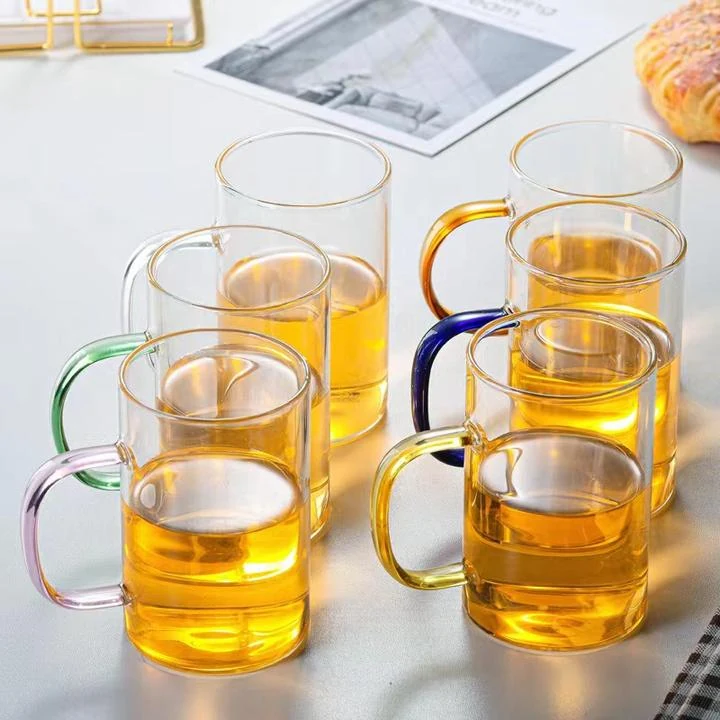
Panev??io Stiklas, founded in 1963 and based in Panev??ys, is one of Lithuania’s oldest and largest glass manufacturing companies. It produces a wide range of glass products, including glass cups, bottles, and tableware, serving domestic and export markets. The company is renowned for its durable quality, technological innovation, and sustainability programs.
Panev??io Stiklas supplies the beverage, hospitality, and household sectors throughout the Baltic region. Its glass cups and tumblers are appreciated for their clarity and consistency, manufactured using modern automated forming and finishing systems.
Technological highlights include high-efficiency furnaces, automated packaging, and in-house recycling systems. Panev??io Stiklas holds ISO 9001 and ISO 14001 certifications and actively participates in Lithuania’s Green Industry Initiative. It exports to more than 20 countries, maintaining strong partnerships with distributors in Northern and Central Europe.
Stiklo Pasaka (The Glass Fairy)
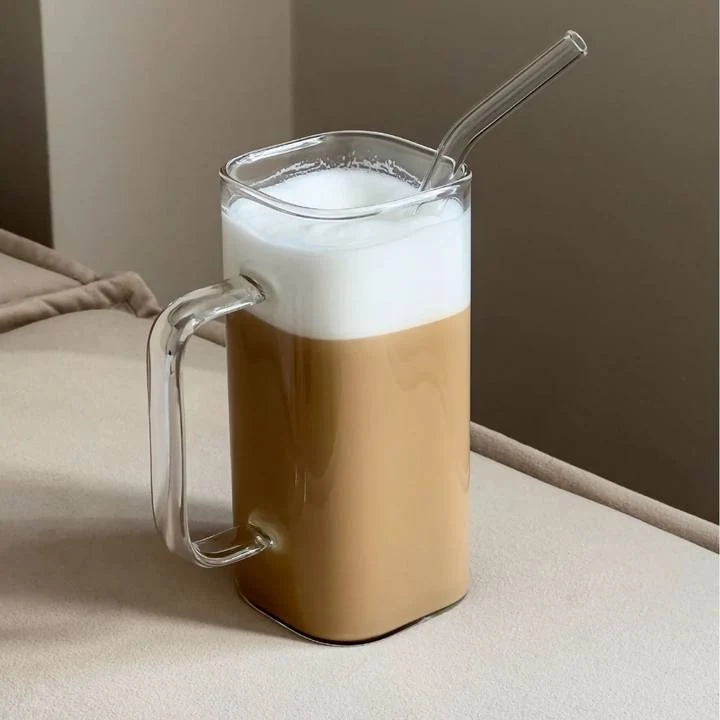
Stiklo Pasaka, meaning “The Glass Fairy,” is an artisanal glass studio founded in 2008 in Vilnius. It specializes in handcrafted glass cups, barware, and decorative art pieces, blending traditional Lithuanian craftsmanship with modern minimalist design. The studio has become a well-known name among boutique hotels, interior designers, and collectors.
Its glass cups and tumblers are made from recycled materials and hand-blown using energy-efficient furnaces. Each piece showcases subtle textures and natural color tones inspired by Baltic nature. Stiklo Pasaka’s designs are featured in galleries and concept stores across Europe.
The studio emphasizes sustainable production, using locally sourced cullet glass and renewable energy. It has received awards from the Lithuanian Design Forum and the European Craft Council for excellence in sustainable design. Stiklo Pasaka represents the artisanal heart of Lithuania’s modern glassmaking industry.
Baltic Glass Factory
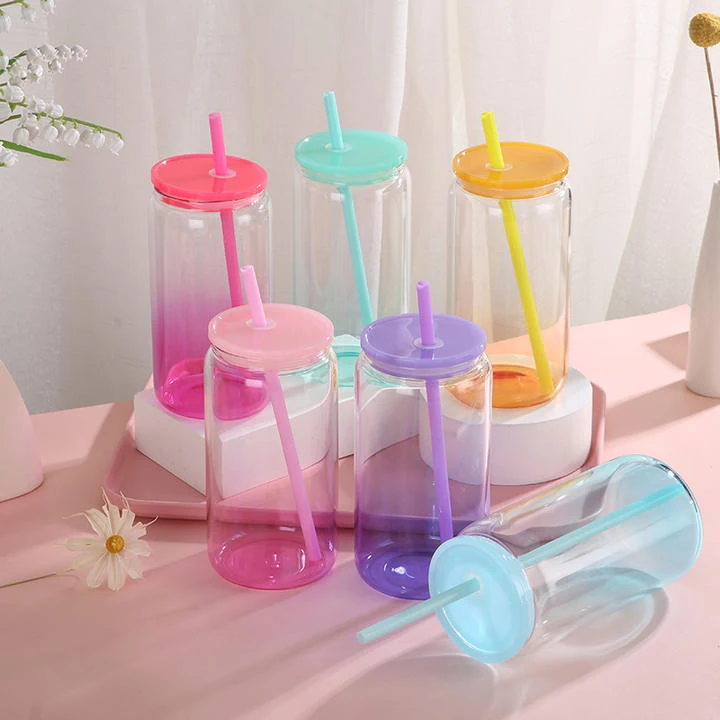
Baltic Glass Factory, established in 2002 in Klaip?da, is a leading industrial producer of glass cups, jars, and industrial containers for domestic and international clients. The company focuses on mass production with high precision, combining innovation with energy efficiency.
Its production lines serve clients in the hospitality, beverage, and food packaging sectors. Baltic Glass Factory’s tableware and cups are widely distributed in the Baltic States and exported to Sweden, Finland, and Poland. The company is known for its affordable, reliable, and eco-friendly glassware.
Technological strengths include energy-efficient melting furnaces, automated inspection systems, and advanced forming machinery. Baltic Glass Factory holds CE and ISO certifications and has received support from the Lithuanian Innovation Center for its energy optimization projects. The company’s focus on sustainability makes it a regional leader in industrial glass production.
| Company | Founded | Core Products | Industries | Certifications |
|---|---|---|---|---|
| Panev??io Stiklas | 1963 | Cups, Bottles, Tableware | Beverage, Hospitality | ISO 9001, ISO 14001 |
| Stiklo Pasaka | 2008 | Handcrafted Cups, Art Glass | Artisanal, Design | Lithuanian Design Award |
| Baltic Glass Factory | 2002 | Cups, Jars, Containers | Hospitality, Retail | CE, ISO Certified |
Part 3: Trade Shows and Industry Events
Balttechnika
Balttechnika is Lithuania’s leading industrial and technology exhibition, focusing on manufacturing innovation and sustainable production. Glass manufacturers participate to showcase advancements in materials, recycling systems, and production efficiency.
Held annually in Vilnius, the event attracts professionals from across the Baltic and Nordic regions. Companies like Panev??io Stiklas and Baltic Glass Factory use Balttechnika to demonstrate their glassware solutions and connect with distributors. The exhibition also features sessions on green industry practices and industrial automation.
Design Week Lithuania
Design Week Lithuania is a national festival celebrating creativity, innovation, and design excellence. Glass cup artisans such as Stiklo Pasaka participate to present their handcrafted collections and promote sustainable design.
Held every spring in multiple cities including Vilnius, Kaunas, and Klaip?da, the festival draws designers, architects, and global buyers. It promotes eco-conscious craftsmanship and highlights Lithuania’s role in Europe’s design community. The event serves as a bridge between artisans and manufacturers, fostering collaboration across the creative sector.
| Event | Date | Location | Highlights |
|---|---|---|---|
| Balttechnika | May (Annual) | Vilnius | Industrial Innovation, Sustainability |
| Design Week Lithuania | May (Annual) | Nationwide | Creative Design, Eco-Friendly Craftsmanship |
Part 4: Impact of Global Trade Policies
Lithuania’s glass manufacturing industry benefits significantly from its integration into the European Union’s single market, which allows for free trade, unified quality standards, and access to funding for innovation and sustainability.
EU membership gives Lithuanian glass producers tariff-free access to major European markets. Companies such as Panev??io Stiklas and Baltic Glass Factory export easily within the EU and also enjoy logistical advantages through Lithuania’s modern transport infrastructure, including Klaip?da Port and rail connections to Central Europe.
Environmental policies under the EU Green Deal and the Circular Economy Action Plan have shaped the industry’s modernization. Lithuanian manufacturers are adopting recycling systems, renewable energy, and waste reduction programs to meet EU sustainability requirements. Stiklo Pasaka and Panev??io Stiklas have both received EU funding for green technology upgrades, supporting innovation and compliance with climate goals.
Trade agreements beyond the EU, including partnerships with Norway, Switzerland, and the UK, expand market reach for Lithuanian glassware. The government’s Innovation Promotion Fund (Inovacij? Skatinimo Fondas) provides grants for R&D, automation, and clean technology adoption, further enhancing competitiveness.
Lithuania’s export-driven economy also benefits from a favorable geographic location, acting as a logistics bridge between Northern and Central Europe. The combination of digital infrastructure, skilled labor, and transparent regulations makes Lithuania an attractive base for both industrial and artisanal glass producers.
Challenges remain, particularly in energy costs and workforce availability. However, the growing use of renewable energy and the rise of training programs under the Lithuanian Industry 4.0 initiative are mitigating these issues. These programs focus on digitalization, advanced manufacturing, and sustainability, preparing the sector for long-term competitiveness.
As global demand for sustainable, high-quality glassware grows, Lithuania’s commitment to clean production and European design excellence positions its manufacturers among the most innovative in the region.
Part 5: Conclusion
Lithuania’s glass cup manufacturing industry reflects a perfect synergy between tradition, technology, and sustainability. From industrial leaders like Panev??io Stiklas to creative studios like Stiklo Pasaka, the country’s producers represent the balance between precision engineering and artistic craftsmanship.
The future of the industry lies in continued investment in automation, renewable energy, and design innovation. By focusing on sustainable materials and efficient production, Lithuanian manufacturers are meeting both environmental and market demands. Their ability to combine functionality with elegance gives them a competitive advantage in European and global markets.
Despite challenges such as high energy costs and competition from larger EU producers, Lithuania’s skilled workforce, strategic location, and strong design culture ensure long-term growth. The integration of Industry 4.0 technologies and government-backed sustainability initiatives further strengthen the sector’s resilience.
As the world transitions toward sustainable consumer goods, Lithuania’s glass cup manufacturers are emerging as clear symbols of Baltic innovation and environmental responsibility. Each glass produced in Lithuania reflects transparency, craftsmanship, and vision—a true representation of a nation that values both beauty and sustainability in every detail.
Recommended Reading:
- Glass Cup Manufacturer Bulgaria
- Glass Cup Manufacturer Ghana
- Glass Cup Manufacturer Kenya
- Glass Cup Manufacturer Puerto Rico
- Glass Cup Manufacturer Ecuador
- Glass Cup Manufacturer Morocco
- Glass Cup Manufacturer Hungary
- Glass Cup Manufacturer Algeria
Glass Essential Oil Roller Bottle 10ml 20ml 30ml 50ml 100ml
480Ml Can Shaped Iced Coffee Glass Cup With Straw
Glass Bottle Manufacturers in Thailand
Cylinder Borosilicate Glass Storage Jar and Bamboo lid