Skip to content
Part 1: Market Size and Growth
I begin by examining the glassware sector in Maldives. The Maldives is a small island nation with limited local glass manufacturing, so much of the demand for glass cups comes via imports. The hospitality industry—hotels, resorts, restaurants—is a major driver of glassware use in Maldives. As tourism continues to recover and expand, demand for quality glass cups is rising.
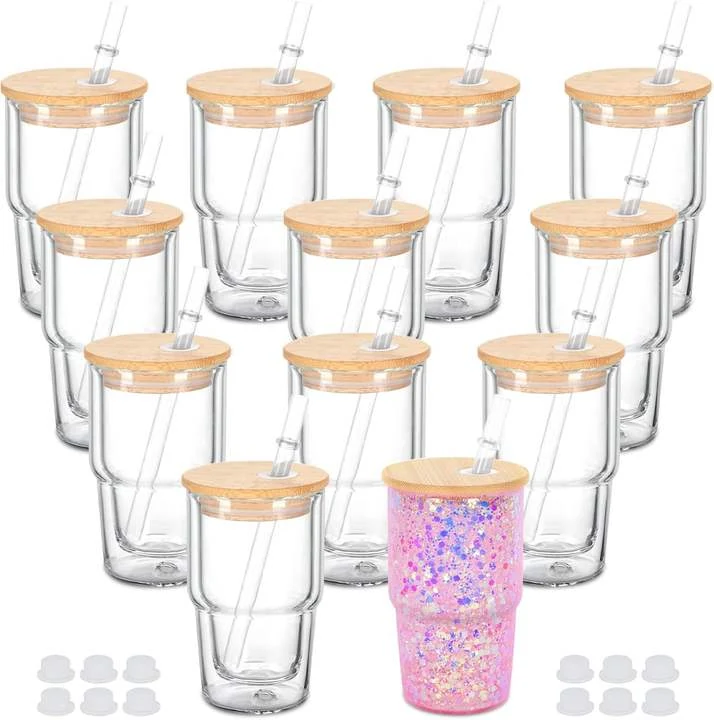
In recent years, Maldives has seen growth in high-end resorts and boutique hotels. These businesses often require custom glassware for branding and guest experience. This demand supports opportunities for specialized glass cup manufacturers abroad that can ship and supply. The global glassware market also shows steady growth, with increasing consumer preference for durable, elegant, and eco-friendly glass products.
Trade policies, shipping costs, import duties, and regional logistics all influence which manufacturers are viable suppliers to Maldives. Investment in efficient sea freight and local warehousing plays a role in making a manufacturer’s offer competitive. In addition, resorts forming purchasing groups or clusters can benefit from scale in procurement.
Part 2: Leading Companies
Below I introduce three prominent glass cup manufacturers (or glassware firms) that are relevant in supplying to regions like the Maldives. I describe their backgrounds, strengths, product offerings, and competitive edges.
Arc International
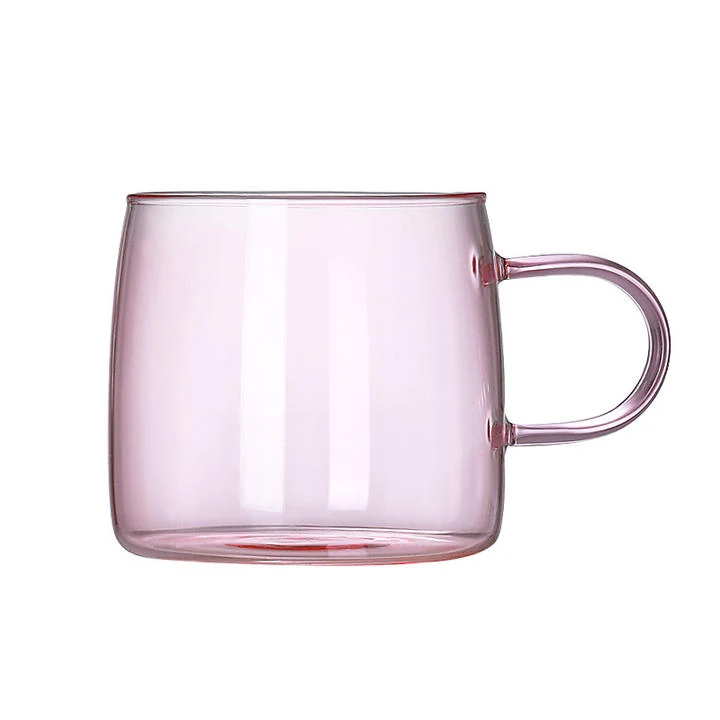
Arc International is a French company founded in 1825, headquartered in Arques, France. Over time it has grown into a global glassware leader, with multiple production sites around the world.
Arc produces a wide range of glass products including drinking glasses, stemware, tableware, decanters, and decorative glass. Their approach combines scale manufacturing and design innovation.
They serve markets in hospitality, retail, food service, and branded merchandise. Many hotels, restaurants, and retailers use their glassware lines.
Arc emphasizes design collaboration, sustainability (recycling, energy efficiency), and consistent quality. They often work with designers to launch glass collections.
The company holds certifications such as ISO 9001 and certifications related to food contact safety. They have won awards in design and innovation.
Libbey

Libbey is an American glassware company with roots going back to the 19th century. It is known for mass production of drinkware and tableware with strong presence in North America and abroad.
They provide glass cups, tumblers, wine glasses, shot glasses, and specialized promotional glassware. Their capacity and supply chain allow them to serve bulk orders.
Libbey’s customers include restaurant chains, cruise lines, and retail brands. They often supply to large hospitality chains that demand uniform glassware across locations.
The company invests in production automation, coating technologies (to reduce scratching), and sustainability in raw materials.
Libbey holds industry certifications for quality, safety, and often environmental compliance, such as ISO standards and third-party food safety approvals.
Bormioli Rocco

Bormioli Rocco is an Italian glass company founded in 1825, based in Parma, Italy. Over generations, it has specialized in elegant design, combining artisanal and industrial methods.
They manufacture drinking glasses, wine glasses, beakers, jars, and decorative glassware. They also work on custom designs for hotels, brands, and retail lines.
Their client base includes upscale hotels, luxury restaurants, design brands, and premium retail stores in Europe and globally.
They emphasize design aesthetics, material clarity, and customization. They offer collaborative design services for clients seeking unique glassware.
Bormioli Rocco holds certifications in quality management, food safety, and has recognition in design awards in Europe and globally.
| Company | Founded | Core Products | Industries | Certifications / Recognition |
|---|---|---|---|---|
| Arc International | 1825 | Drinking glasses, stemware, decanters | Hospitality, retail, food service | ISO 9001, design awards, sustainability certifications |
| Libbey | 19th c. | Tumblers, wine glasses, promotional glassware | Restaurants, retail, hospitality | ISO standards, food safety certifications |
| Bormioli Rocco | 1825 | Glass cups, jars, decorative glassware | High-end hotels, premium retail, design | Quality management, design awards |
Part 3: Trade Shows and Industry Events
To connect with glassware manufacturers suitable for supplying Maldives, these trade shows are noteworthy.
Maldives International Hospitality Trade Fair
This event is held in Maldives (Malé or resort venues) and focuses on hospitality equipment, tableware, and guest amenities. It brings together hotel procurement managers and suppliers.
The fair covers topics like sustainable hospitality, local sourcing, and design innovations. Suppliers of tableware, glassware, kitchen equipment exhibit.
This fair is smaller and more regionally focused, but it offers a chance for direct contact with Maldives buyers. Many participants are local buyers from resorts, who seek new supplier relationships.
Highlights include live product showcases, networking with resort procurement teams, and panel sessions on sustainable sourcing.
Ambiente (Frankfurt)
Ambiente is one of the world’s leading trade fairs for consumer goods, including tableware, glassware, kitchenware, and gifts. It is held annually in Frankfurt, Germany.
The fair attracts thousands of exhibitors and buyers from around the globe. Glassware manufacturers often launch new collections there.
Ambiente gives buyers in remote markets (like Maldives) direct access to suppliers, designs, and trends. It’s a key arena for making sourcing contacts and negotiating deals.
Highlights include themed pavilions (e.g. “Dining”, “Living”), trend forums, design awards, and matchmaking services.

| Event | Date | Location | Highlights |
|---|---|---|---|
| Maldives International Hospitality Trade Fair | varies annually | Maldives (Malé) | Direct contact with resort buyers, tableware showcase |
| Ambiente | every Feb | Frankfurt, Germany | Global glassware showcase, trend forums, networking |
Part 4: Impact of Global Trade Policies
Global trade policies, tariffs, and shipping costs heavily affect glassware sourcing for Maldives. Because Maldives is island-based, shipping cost and import duty impose substantial margins on glass cups. Sourcing from countries with favorable trade agreements or lower freight rates is essential.
Trade agreements like free trade zones (if Maldives signs with manufacturer’s country) can reduce tariffs. Manufacturers from countries with reduced duties can gain competitive edge.
There is also risk in supply chain disruptions (container shortages, port delays). Glassware is fragile, so damage during transit is a key concern. Suppliers must pack robustly and insure properly.
In addition, global raw material prices (silica, soda ash) or energy costs influence glass manufacturers’ cost structures. Fluctuations affect pricing.
International competition is fierce. Manufacturers in China, India, Turkey, and Eastern Europe all compete to supply to distant markets. Yet there is also opportunity: a niche supplier offering custom, high-quality glassware (especially for resorts) can differentiate.
Local alternatives within the Maldives are lacking, so reliance on imports remains. Any move toward local assembly or glass finishing in Maldives could mitigate some risks.
In summary, global policy, shipping logistics, supply chain reliability, and differential tariffs all play roles in which manufacturers succeed in supplying to Maldives.
Part 5: Conclusion
The Maldives represents a unique niche for glass cup manufacturers. Because local production is minimal, supply must come from abroad. The growth of resorts and the tourism rebound create demand for elegant, customized glassware. For any manufacturer aiming to serve Maldives, strengths in logistics, quality, design, and cost control are key.
However, challenges remain. Shipping costs and fragility pose risk. Import duties and customs delays can erode margins. Currency fluctuation and raw‐material cost swings also affect competitiveness. But if a supplier addresses these effectively—with good packaging, reliable transit, custom design ability, and competitive pricing—there is opportunity to build long-term relationships in the Maldives market.
Recommended Reading:
- Glass Cup Manufacturer Malawi
- Glass Cup Manufacturer Luxembourg
- Glass Cup Manufacturer Liechtenstein
- Glass Cup Manufacturer Liberia
- Glass Cup Manufacturer Laos
- Glass Cup Manufacturer Kyrgyzstan
- Glass Cup Manufacturer Kazakhstan
- Glass Cup Manufacturer Iceland
140ml Small Glass Liquor Bottles Wholesale
4oz Square Spice Jars Wholesale
Glass Bottle Manufacturers in Turkey
Glass Spice Jars with Shaker Lids