
Part 1: Market Size and Growth
Mali, a landlocked country in West Africa, has limited industrial glass production, yet the demand for glass cups continues to grow. Most of the glassware used in Mali today is imported from neighboring countries or overseas suppliers. The growing urban population, hospitality development, and lifestyle change are shaping the need for quality drinking glassware.

In recent years, Mali’s capital, Bamako, has seen new hotels, cafés, and restaurants opening at a steady pace. These establishments are fueling a new appreciation for modern tableware, including durable glass cups and tumblers. Imported glass products from China, Turkey, and Europe dominate the market because local manufacturing capacity remains small. This creates opportunities for foreign suppliers to establish long-term relationships with local distributors and hospitality chains.
Government programs aimed at supporting light industries also play a role. Mali encourages investments in recycling and sustainable materials, and some small workshops now recycle glass bottles into usable glass products. However, the lack of advanced production lines and raw material processing limits large-scale glass manufacturing. Policies focusing on energy supply and trade facilitation could change that landscape in the future.
Part 2: Leading Companies
Though Mali has no large domestic manufacturers, several international glassware companies supply the region effectively. Below are three major players with potential relevance to the Mali market.
Arc International
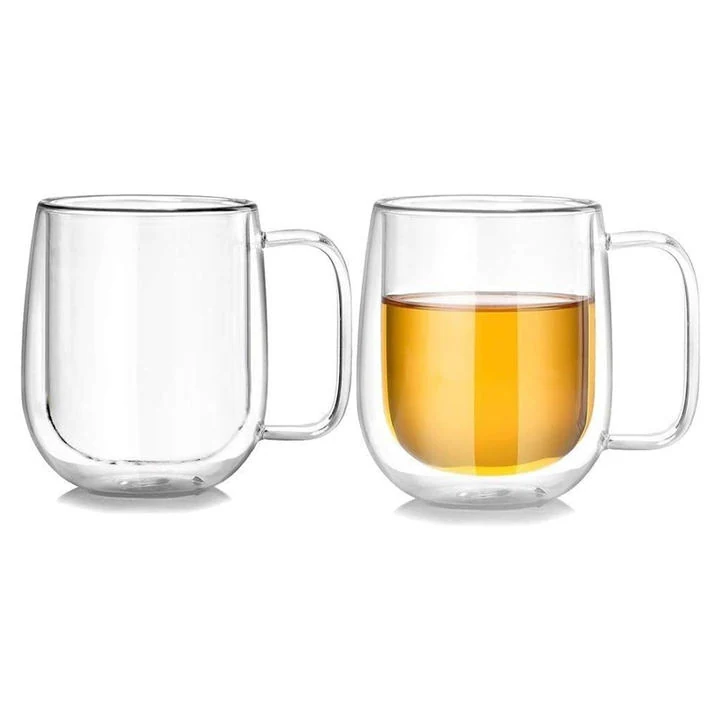
Arc International, founded in 1825 in France, is one of the largest global producers of glassware. Its heritage and wide product catalog make it a preferred supplier for hotels, restaurants, and distributors across Africa.
Arc’s range includes tumblers, wine glasses, mugs, and table glass products. The company offers private labeling and custom branding for hospitality clients.
Its core markets include hospitality, catering, and retail. Arc International works closely with distributors in West Africa to ensure product availability.
Arc focuses heavily on sustainability—recycling cullet glass and reducing carbon emissions in production. Their commitment to quality and eco-friendly practices aligns with the needs of international hotels operating in Mali.
Certifications include ISO 9001, food safety compliance, and recognition in design excellence.
Libbey Glass

Libbey, headquartered in the United States and with roots in the 19th century, is a global glassware leader. It serves the restaurant, retail, and hospitality sectors through a robust distribution network.
Its glass cups and tumblers are used by large hotel groups, cruise operators, and beverage brands worldwide. Libbey is known for combining functionality with design and durability.
Libbey’s services include product customization, etching, and branding options. The company has adopted innovative coating technologies that extend the lifespan of glassware in heavy-use environments.
Its major markets include North America, Europe, and emerging regions like Africa. Libbey also promotes sustainable production practices and recyclable packaging.
Libbey holds ISO certifications and compliance with major food safety and quality management standards.
Bormioli Rocco
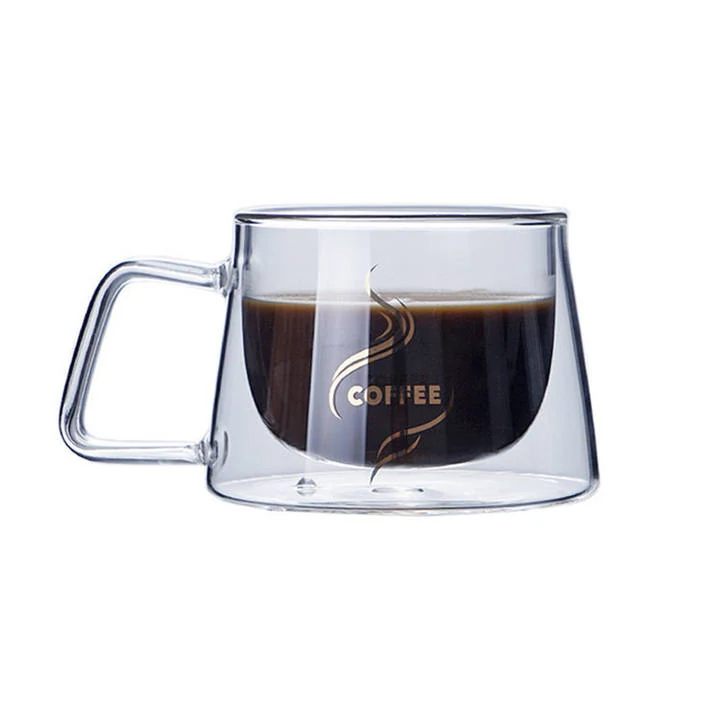
Bormioli Rocco, founded in Italy in 1825, is celebrated for its craftsmanship and design. Its elegant tableware and glass drinkware are widely recognized in hotels and retail chains.
The company offers glass cups, jars, decanters, and specialty items designed for both everyday and luxury use. For African buyers, its durable soda-lime glass provides a balance between quality and affordability.
Bormioli Rocco serves multiple sectors—hospitality, catering, and home décor. It also supports OEM and ODM services for international clients.
Its innovation focuses on aesthetic design, scratch resistance, and heat durability. Bormioli Rocco’s reputation for Italian artistry adds a premium feel to its products.
It holds ISO certifications, European design awards, and sustainable production credentials.
| Company | Founded | Core Products | Industries | Certifications |
|---|---|---|---|---|
| Arc International | 1825 | Drinkware, tableware, custom glass | Hospitality, catering, retail | ISO 9001, design awards |
| Libbey | 19th century | Tumblers, mugs, glass sets | Restaurants, hotels, retail | ISO, food safety |
| Bormioli Rocco | 1825 | Glass cups, jars, decanters | High-end hospitality, retail | Quality, design excellence |
Part 3: Trade Shows and Industry Events
For manufacturers and buyers targeting Mali and West Africa, several international trade shows offer exposure and networking opportunities.
West Africa Trade & Investment Forum
The West Africa Trade & Investment Forum gathers regional distributors, manufacturers, and policymakers. It covers consumer goods, packaging, and light industry equipment.
The event focuses on sustainable sourcing, cross-border logistics, and investment in regional manufacturing. Attendees include importers and retailers from Mali, Senegal, Ghana, and Nigeria.
For glass cup suppliers, it’s a strong entry point to meet distributors and wholesalers serving the Malian hospitality industry.

Ambiente Frankfurt
Ambiente, held annually in Germany, is one of the largest global trade fairs for home and consumer goods. Thousands of brands display glassware, ceramics, and décor products.
Malian importers and West African distributors often attend to source goods and form partnerships. This event allows African buyers to access global glass cup suppliers under one roof.
The exhibition includes product showcases, live demonstrations, and design trend forums that guide future purchasing decisions for African markets.
For small importers from Mali, attending Ambiente provides insight into packaging, branding, and global design trends relevant to West African consumers.

| Event | Date | Location | Highlights |
|---|---|---|---|
| West Africa Trade & Investment Forum | Annual | Varies (West Africa) | Regional sourcing and networking |
| Ambiente Frankfurt | February (yearly) | Frankfurt, Germany | Global glassware showcase, trend insights |
Part 4: Impact of Global Trade Policies
Trade and import policies significantly influence Mali’s access to glassware. Because Mali is landlocked, shipping routes rely on ports in Senegal or C?te d’Ivoire. This dependence increases transit time and cost.
Import duties and value-added taxes affect the final retail price of glass cups. Manufacturers working with reliable logistics partners can reduce these challenges through optimized shipping and bulk delivery.
Regional trade agreements under ECOWAS support lower tariffs for goods entering from member states. However, glassware still faces competition from lower-cost Asian imports, mainly from China.

Internationally, rising energy costs and raw material price fluctuations also shape production costs. As glass manufacturing is energy-intensive, manufacturers must balance pricing strategies to remain competitive.
The opportunity lies in building strong local partnerships—either through warehousing in Bamako or regional hubs in Abidjan or Dakar—to cut delivery time. A strong after-sales service and consistent supply can strengthen a manufacturer’s position in Mali.
Global sustainability policies are another factor. Eco-friendly and recyclable glassware is increasingly valued. Brands aligning with green standards will likely perform better among hotels and eco-lodges in Mali and West Africa.
Part 5: Conclusion
Mali’s market for glass cups is small but developing. Imports remain the primary supply source, and growth in tourism, cafés, and hospitality continues to drive demand. For manufacturers abroad, the key is affordable logistics, flexible MOQ policies, and durable product quality.
Malian distributors value reliability and packaging strength, as fragile goods face high transport risks. Suppliers that offer robust packaging and after-sales support can differentiate themselves quickly.
The biggest challenges include long shipping routes, customs clearance, and fragile product handling. Yet, these can be offset by partnerships with established distributors and participation in regional trade shows. For foreign manufacturers, Mali presents a modest but steady opportunity—especially for those offering custom branding, small-batch flexibility, and sustainable designs.
Recommended Reading:
- Glass Cup Manufacturer Maldives
- Glass Cup Manufacturer Malawi
- Glass Cup Manufacturer Luxembourg
- Glass Cup Manufacturer Liechtenstein
- Glass Cup Manufacturer Liberia
- Glass Cup Manufacturer Laos
- Glass Cup Manufacturer Kyrgyzstan
- Glass Cup Manufacturer Kazakhstan
Glass Bottle Manufacturers in Togo
64 oz Clear Amber Glass Growler Wholesale
Glass Bottle Manufacturers in Papua New Guinea
12oz 16oz 32oz Swing Top Glass Bottles wholesale