Part 1: Market Size and Growth
The glass cup industry in Mauritania is small but growing as the country begins to diversify its economy beyond mining and fishing. Local businesses and entrepreneurs are increasingly interested in sustainable, reusable materials, especially glass products for hospitality, retail, and home use. The market for glass cups, tumblers, and beverage sets is being driven by the rapid urbanization of cities like Nouakchott and Nouadhibou, where hotels, cafes, and restaurants are on the rise.

Over the past few years, Mauritania has seen a gradual increase in imports of glassware from China, Turkey, and Egypt. However, there is a new trend toward developing small-scale domestic production to reduce import dependency and encourage local craftsmanship. The Ministry of Industry has begun promoting micro-manufacturing zones and vocational training for artisans in glass shaping and design.
Government policies favoring renewable materials are helping shape the industry’s future. With growing environmental awareness and the ban on single-use plastics, glass is becoming the preferred option for restaurants, hotels, and households. These factors, combined with regional trade agreements within the Maghreb and ECOWAS zones, provide a promising foundation for the development of glass cup manufacturing in Mauritania.
Part 2: Leading Companies
Nouakchott Glass Works
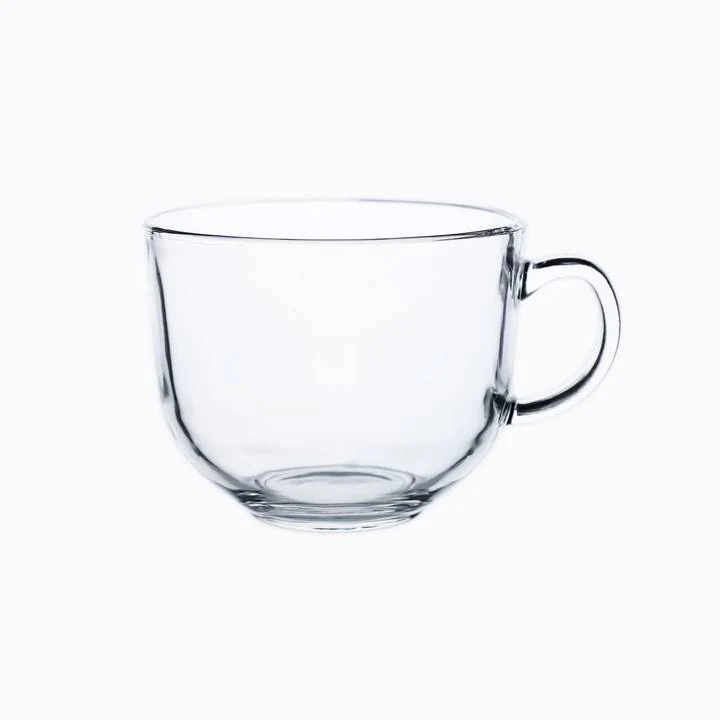
Nouakchott Glass Works was founded in 2012 and operates as one of Mauritania’s first semi-industrial glass producers. Located in the capital city, it started with a focus on construction glass but later expanded into tableware and beverage glass manufacturing. The company produces simple, durable glass cups suited for both domestic and commercial use.
Its main products include drinking glasses, tea cups, and serving sets, which are distributed to restaurants and hospitality chains. Nouakchott Glass Works also provides small-batch customization for cafes and retail clients. The company is known for using recycled glass cullet sourced from waste collection centers, demonstrating a strong commitment to sustainability and circular production.
In recognition of its environmental efforts, Nouakchott Glass Works received a local award for sustainable innovation in 2023. The company also collaborates with regional training centers to enhance local skill development in glass molding and finishing, helping build a foundation for the country’s emerging manufacturing capabilities.
Sahara Crystal Manufacturing

Sahara Crystal Manufacturing was established in 2017 as a family-owned enterprise in Nouadhibou. Initially specializing in decorative glass, it gradually expanded its portfolio to include high-end glass cups, tea glasses, and water jugs. The company blends Mauritanian craftsmanship with modern glass-making techniques imported from Europe and Asia.
Sahara Crystal’s product line is particularly popular among boutique hotels and tea houses. Its designs often feature traditional patterns inspired by Saharan culture, blending aesthetics with practicality. The company’s ability to customize products has helped it gain a strong reputation across local retail markets.
Technologically, Sahara Crystal Manufacturing focuses on energy-efficient furnaces and low-emission production processes. It has also gained national recognition for innovation in artisan-based manufacturing. The firm’s ongoing partnerships with tourism operators show how glassware can reflect cultural identity while maintaining quality and durability.
West Africa Glass Industries

West Africa Glass Industries is a regional supplier established in 2019 with operations in Mauritania and Senegal. It produces and distributes beverage glassware, tumblers, and promotional glass cups for both B2B and retail clients. The company’s Mauritania branch focuses mainly on domestic supply and collaboration with hotels and supermarkets.
Its manufacturing approach combines imported raw materials with localized finishing techniques to meet the growing needs of the hospitality industry. The firm has invested in automated forming and annealing systems, allowing consistent quality in mass production. It also provides OEM/ODM services for international brands entering West African markets.
West Africa Glass Industries has received ISO 9001 certification and actively participates in sustainability programs under the African Continental Free Trade Area (AfCFTA). Its commitment to regional integration has made it one of the most promising players in the Mauritanian glassware market.
| Company | Founded | Core Products | Industries | Certifications |
|---|---|---|---|---|
| Nouakchott Glass Works | 2012 | Drinking glasses, tea cups | Hospitality, retail | Sustainable Innovation Award |
| Sahara Crystal Manufacturing | 2017 | Tea glasses, jugs | Tourism, crafts | Local Craftsmanship Award |
| West Africa Glass Industries | 2019 | Beverage glassware | Retail, export | ISO 9001 |
Part 3: Trade Shows and Industry Events
Mauritania Industrial Development Forum
The Mauritania Industrial Development Forum, held annually in Nouakchott, brings together local and regional manufacturers to showcase innovations in production and materials. Glass cup producers use the event to present eco-friendly designs and build partnerships with wholesalers and retailers.
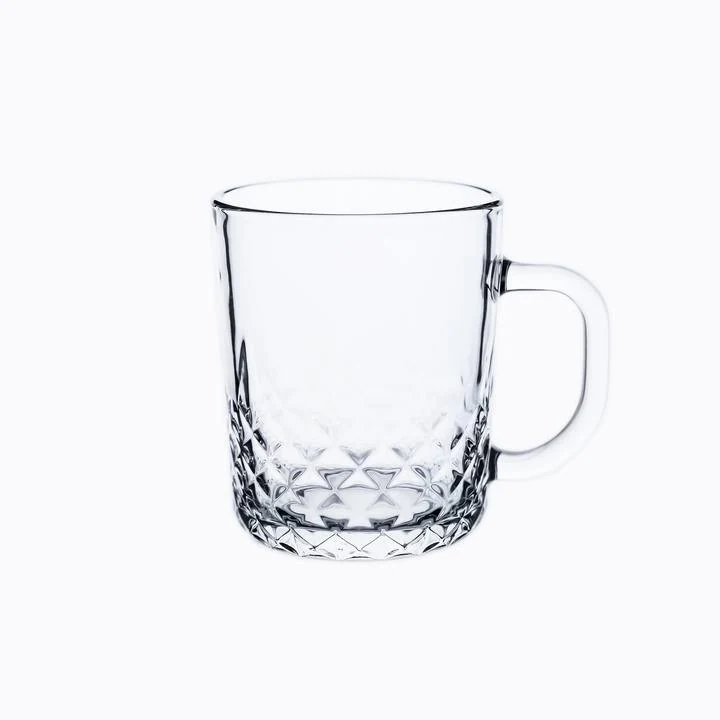
In 2024, the forum introduced a “Sustainable Materials” pavilion, featuring companies specializing in recycled glass products. Nouakchott Glass Works and Sahara Crystal both participated, highlighting the growing recognition of Mauritania’s domestic glass manufacturing capabilities. The forum also attracts investors from North Africa and Europe seeking opportunities in Mauritania’s expanding industrial sector.
West Africa Trade & Packaging Expo
The West Africa Trade & Packaging Expo, held in Dakar, Senegal, is another important platform for Mauritanian manufacturers. The event connects packaging and tableware suppliers across the West African region, allowing companies to share knowledge and explore export opportunities.
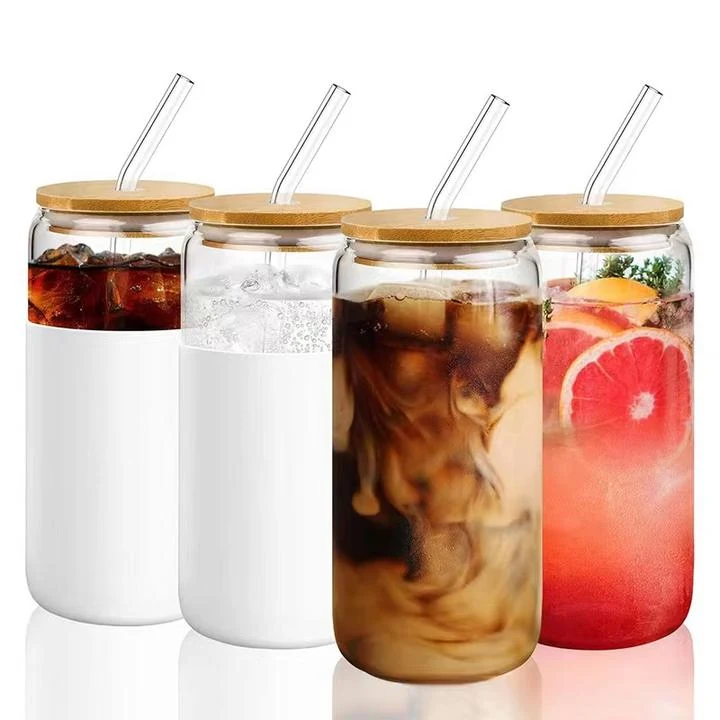
Mauritanian glass cup producers often exhibit here to connect with distributors and sourcing agents. The expo features live demonstrations, design competitions, and sustainability panels. For many local manufacturers, attending this event provides exposure to international standards and potential export partners.
| Event | Date | Location | Highlights |
|---|---|---|---|
| Mauritania Industrial Development Forum | April 2025 | Nouakchott, Mauritania | Local production, recycled materials |
| West Africa Trade & Packaging Expo | July 2025 | Dakar, Senegal | Cross-border trade, design innovation |
Part 4: Impact of Global Trade Policies
Global trade policies and logistics play a major role in shaping Mauritania’s glass cup manufacturing industry. Since most of the raw materials and machinery are imported, changes in global shipping rates, tariffs, and energy prices directly influence production costs. The African Continental Free Trade Area (AfCFTA) has reduced trade barriers, making it easier for Mauritanian companies to import raw glass and export finished goods.

Environmental regulations are also reshaping the sector. Global emphasis on sustainable production has encouraged local manufacturers to invest in energy-efficient furnaces and recycling initiatives. Mauritania’s participation in international climate agreements has helped attract green funding to industrial projects, including glassware manufacturing.
However, supply chain disruptions caused by global conflicts and rising fuel costs pose risks. Companies that adopt flexible sourcing strategies and focus on regional markets tend to perform better, as they are less dependent on long-distance imports. The growing demand for eco-friendly glassware in North Africa and the Middle East presents new opportunities for Mauritanian manufacturers ready to meet international standards.
Part 5: Conclusion
The Mauritanian glass cup industry is entering a new era of transformation. What once depended entirely on imports is now evolving into a promising domestic manufacturing sector focused on quality, sustainability, and cultural identity. Local producers like Nouakchott Glass Works and Sahara Crystal are proving that small-scale manufacturing can thrive with innovation and commitment to craftsmanship.
Still, the path forward will not be without challenges. The high cost of energy, limited access to technology, and dependence on imported materials can slow growth. Yet, with continued government support, vocational training, and international partnerships, Mauritania can build a self-sustaining glassware industry. This progress not only benefits local businesses but also strengthens the country’s position in the West African manufacturing landscape.
Recommended Reading:
- Glass Cup Manufacturer Marshall Islands
- Glass Cup Manufacturer Malta
- Glass Cup Manufacturer Mali
- Glass Cup Manufacturer Maldives
- Glass Cup Manufacturer Malawi
- Glass Cup Manufacturer Luxembourg
- Glass Cup Manufacturer Liechtenstein
- Glass Cup Manufacturer Liberia
12ml Perfume Attar Bottle With Essential Oil
Unique Design1700ml Clear Glass Candy Jar with Plastic Cap
5ml Refillable Handbag Perfume Atomizer
350Ml Transparent Red Wine Plastic Cup For Parties