Skip to content
Part 1: Market Size and Growth
The glassware industry in Mongolia is still in its early stages, yet it shows great promise for future growth. In recent years, I have seen more Mongolian restaurants, cafés, and hotels adopting modern glass cups and tableware, replacing old metal or plastic utensils. This shift reflects rising urban living standards and growing consumer awareness of sustainability. Glass cups have become symbols of both elegance and eco-friendliness in the Mongolian market.
In my experience visiting trade shows in Ulaanbaatar, demand for high-quality glass cups—especially custom designs—has risen sharply. Local distributors and importers now look beyond cheap imports, seeking durable, heat-resistant, and stylish products for both domestic and hospitality use. The market size for household glassware is estimated to grow at a steady pace, driven by tourism and lifestyle changes. Hotels and coffee chains are among the largest new buyers of Mongolian glassware imports.
Government incentives and foreign investments have also played a key role. Policies encouraging domestic manufacturing and regional trade cooperation with China and Russia are helping local entrepreneurs explore new opportunities. I have seen Mongolian startups testing recycled glass production, aiming to reduce import dependency and enhance sustainability. Such policy-driven innovation is setting a new foundation for the country’s future glass industry.
Part 2: Leading Companies
MonGlass LLC
MonGlass LLC was founded in 2010 in Ulaanbaatar. It started as a small workshop recycling used bottles but gradually evolved into one of the most trusted names in Mongolian glass manufacturing. The company focuses on producing everyday glass cups, jars, and decorative vases, using locally sourced materials when possible. Its vision is to combine Mongolian craftsmanship with modern glassmaking technology.
Their main product lines include drinking glasses, tea cups, and hotel-grade tumblers. I’ve seen their products in boutique cafés around the capital, known for their clear texture and strong durability. They serve the hospitality, retail, and home décor sectors. One of their key strengths is producing small-batch custom orders for restaurants and souvenir shops.
MonGlass also promotes eco-friendly manufacturing. They use recycled cullet and energy-efficient melting furnaces, positioning themselves as a green innovator. The company has received recognition from the Mongolian Ministry of Environment for its contribution to sustainable production practices. It’s a fine example of how a local brand can balance business growth with environmental responsibility.
Gobi Glassworks
Gobi Glassworks was established in 2015 in Darkhan Industrial Zone. The founders were engineers who had studied glass processing in Russia. The company quickly became known for its precision cutting and heat-resistant glass cups. Its production facilities include automated forming machines and tempering lines imported from China. Gobi Glassworks focuses on both design innovation and mass production efficiency.
Their glass cups and pitchers are widely supplied to hotels, airlines, and catering companies across Mongolia. The firm’s design team often collaborates with Mongolian artists to create patterns inspired by traditional nomadic motifs. This combination of local art and modern technology makes Gobi Glassworks stand out among regional competitors.
They are ISO 9001 certified and have also received product safety certifications from regional quality bureaus. I once met their export manager at a fair in Hohhot, where he shared the company’s plan to expand into Central Asia. Gobi Glassworks continues to position itself as a bridge between Mongolian culture and international manufacturing standards.
Altai Crystal Co.
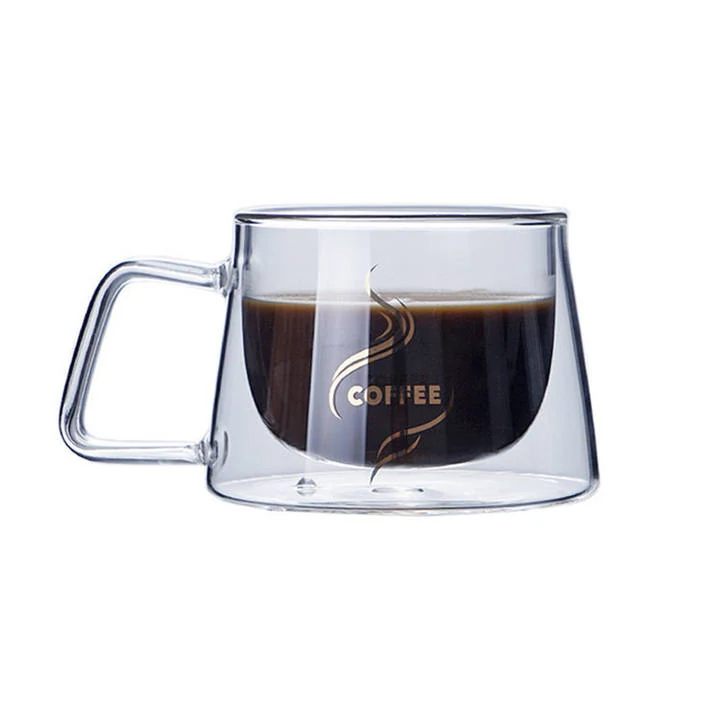
Altai Crystal Co., founded in 2018 in Bayankhongor province, is one of the youngest yet most dynamic entrants in the industry. I visited their small facility last year and was impressed by their craftsmanship and precision polishing. They specialize in handmade crystal cups and artistic glassware, targeting premium customers and gift markets. Their focus on craftsmanship gives every product a distinct, elegant touch.
Their product catalog includes crystal drinking glasses, wine goblets, and tea sets. They cater mainly to boutique retailers and gift shops across Ulaanbaatar and the northern provinces. They are also exploring exports to Russia and South Korea. Altai Crystal positions itself not as a volume manufacturer but as a luxury glassware brand emphasizing artistry.
Technologically, they use fine sand filtration and hand-blowing methods to ensure clarity and brilliance. Their team has won several local design awards, and they were recently recognized as a “Rising Artisan Enterprise” by the Mongolian Chamber of Commerce. Their creative approach helps bring Mongolian glass artistry to global attention.
| Company | Founded | Core Products | Industries | Certifications |
|---|---|---|---|---|
| MonGlass LLC | 2010 | Glass cups, jars, vases | Hospitality, retail | Environmental Award |
| Gobi Glassworks | 2015 | Heat-resistant glassware | Airlines, catering, hotels | ISO 9001 |
| Altai Crystal Co. | 2018 | Handmade crystal cups | Gifts, retail, décor | Artisan Enterprise Award |
Part 3: Trade Shows and Industry Events
Mongolian Industrial Expo
The Mongolian Industrial Expo, held annually in Ulaanbaatar, has become one of the most significant events for local manufacturers. It brings together companies from construction, metal, and glass sectors to showcase their products. I attended this fair in 2023 and saw a growing section dedicated to household glassware and tableware. Many glass cup manufacturers displayed new eco-friendly designs and lightweight models.

This event usually takes place in June at the Buyant-Ukhaa Complex. It attracts more than 200 exhibitors and thousands of visitors each year. For local glass companies, it’s a great chance to connect with hospitality and retail buyers. Highlights include innovation awards for sustainable materials and live demos of glass shaping. The event also encourages foreign partnerships, promoting export potential.
Ulaanbaatar Home & Lifestyle Fair
Another popular event is the Ulaanbaatar Home & Lifestyle Fair, which focuses on home décor, kitchenware, and lifestyle products. The exhibition has become a hotspot for interior designers, retailers, and e-commerce entrepreneurs. When I visited in 2024, several booths showcased imported and locally made glass cups, gaining attention for their blend of functionality and design. The fair helps bridge the gap between traditional Mongolian aesthetics and modern living trends.
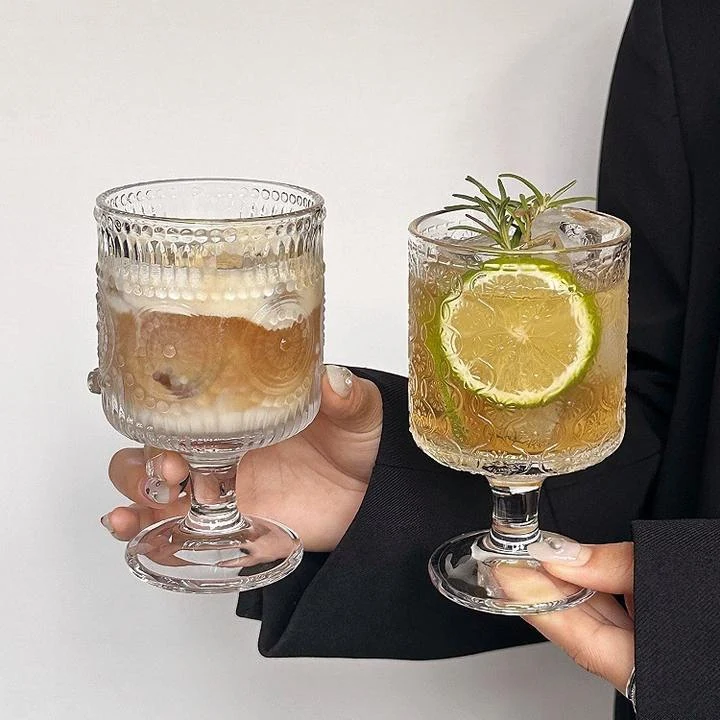
Held every September at the Misheel Expo Center, the event gathers over 10,000 visitors. Exhibitors come from Mongolia, China, Korea, and Russia. Highlights include a design competition for home accessories and product testing sessions for new tableware lines. It’s an excellent venue for discovering upcoming Mongolian glass brands and distribution opportunities.
| Event | Date | Location | Highlights |
|---|---|---|---|
| Mongolian Industrial Expo | June | Ulaanbaatar | Sustainable glass design, trade networking |
| Ulaanbaatar Home & Lifestyle Fair | September | Misheel Expo Center | Home décor trends, new product showcases |
Part 4: Impact of Global Trade Policies
Mongolia’s glassware market is shaped heavily by its trade relations with neighboring giants like China and Russia. Over 80% of raw glass materials and machinery come from these countries. When I spoke with several local producers, they mentioned that import tariffs and currency fluctuations directly affect their production costs. Global trade policies and logistics disruptions can easily slow down supply chains.
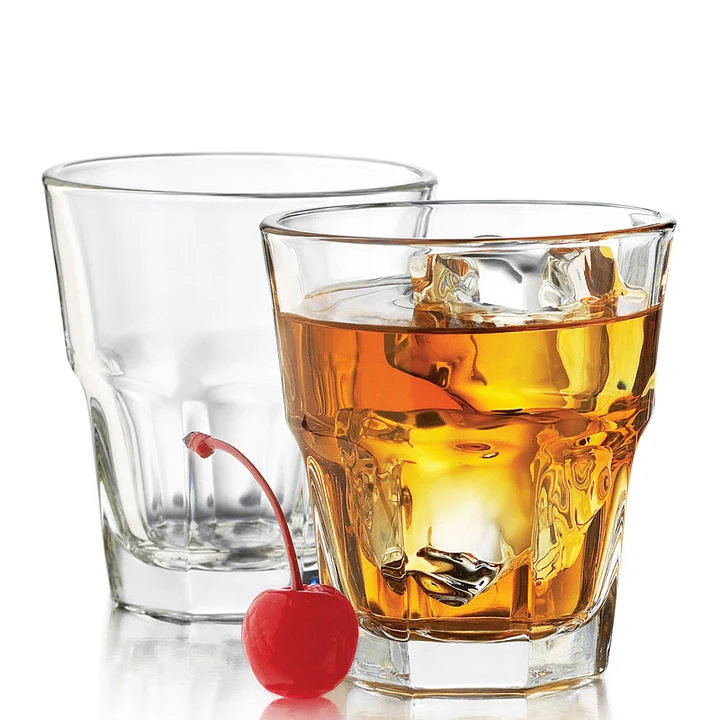
In recent years, global supply tensions and rising freight rates have pushed Mongolian companies to seek local alternatives. Some manufacturers now recycle waste glass from beverage industries, reducing dependency on imports. This shift is not only cost-effective but also aligns with the country’s sustainability goals.
At the same time, new trade agreements under the Eurasian Economic Union (EAEU) framework have created opportunities. Mongolian companies can now export glassware more easily to Russia and Kazakhstan. The challenge, however, remains in meeting international quality and certification standards. Balancing global cooperation with local self-reliance will be crucial for the industry’s resilience.
Part 5: Conclusion
Mongolia’s glass cup manufacturing industry is still small, but it’s clearly moving in the right direction. Growing demand from hotels, cafés, and households is fueling innovation and investment. Local companies are learning fast, improving quality, and promoting sustainability through recycled materials and better energy management. The rise of events like the Industrial Expo further strengthens their visibility in both domestic and foreign markets.
However, the industry still faces several challenges. Dependence on imported materials, limited automation, and small-scale production keep prices relatively high. To stay competitive, Mongolian glassmakers must continue innovating in design, efficiency, and export readiness. With the right policies and investments, Mongolia can soon become a notable player in regional glass manufacturing.
Recommended Reading:
- Glass Cup Manufacturer Monaco
- Glass Cup Manufacturer Moldova
- Glass Cup Manufacturer Micronesia
- Glass Cup Manufacturer Mauritius
- Glass Cup Manufacturer Mauritania
- Glass Cup Manufacturer Marshall Islands
- Glass Cup Manufacturer Malta
- Glass Cup Manufacturer Mali
100ml 240ml 500ml Special Brandy Bottles with Screw Cap
Glass Bottle Manufacturers in Angola
16oz Borosilicate Glass Cup With Wooden Lid
Glass Silicone Concentrate Jars & Wax Jars 5ml 10ml 20ml 30ml