
Part 1: Market Size and Growth
Mozambique’s glass cup industry is still developing, yet the potential for growth is undeniable. As urbanization accelerates and hospitality businesses multiply, the demand for tableware, including durable and affordable glass cups, has increased. I have seen more local restaurants, cafés, and hotels shifting from plastic or metal utensils to reusable glass options, reflecting a rising awareness of quality and sustainability.
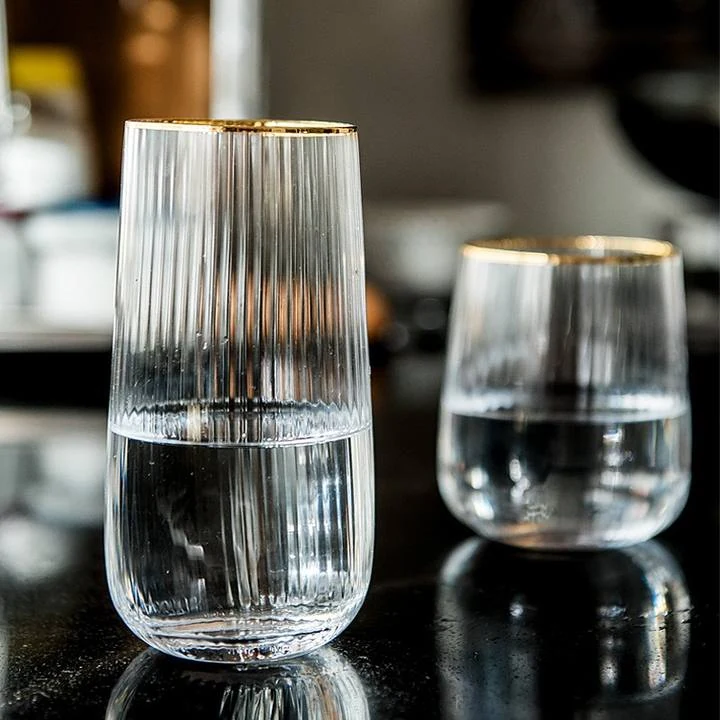
The country’s glassware market has traditionally depended on imports from China, South Africa, and Portugal. However, over the last five years, small domestic enterprises have started experimenting with recycling initiatives and basic glass molding technologies. These efforts, though small-scale, represent the beginning of Mozambique’s transition toward local manufacturing capacity. Tourism development, especially in coastal cities like Maputo and Pemba, has also boosted the need for stylish tableware in hotels and resorts.
Government initiatives promoting industrialization and recycling have further accelerated interest in glass manufacturing. Incentives for investors in waste management and local production have attracted both domestic entrepreneurs and foreign partners. As sustainability gains importance, Mozambique’s glass cup market is moving toward a model that combines social responsibility with industrial opportunity.
Part 2: Leading Companies
VidroMoz Lda
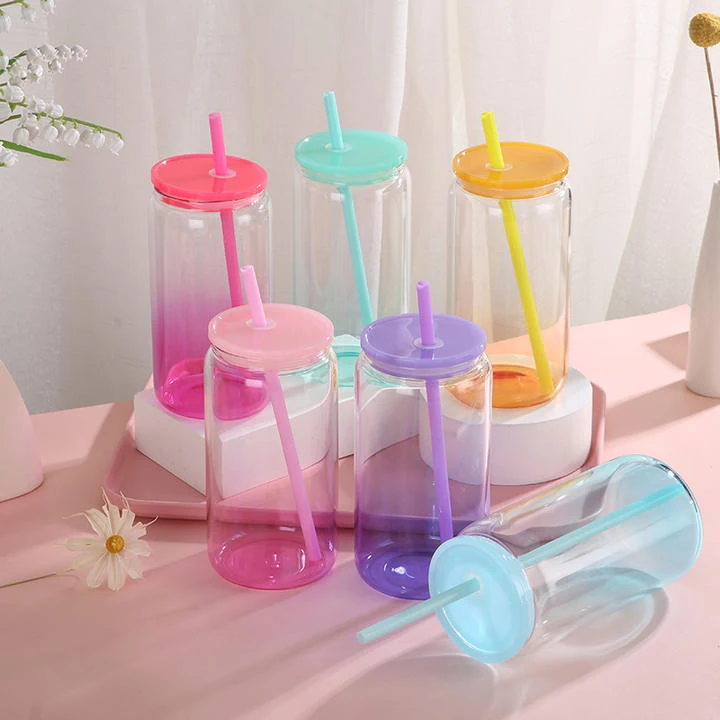
VidroMoz Lda, founded in 2011 in Maputo, is the first modern glass manufacturing company in Mozambique. I visited their production site during an industrial tour in 2023, and their operation left a lasting impression. Originally focused on bottle recycling, VidroMoz gradually expanded into household glassware, including cups, jars, and pitchers. Their journey from recycling to production symbolizes Mozambique’s progress in circular economy practices.
Their main products include transparent drinking glasses, tea cups, and juice tumblers designed for home and hospitality use. They serve supermarkets, hotels, and catering companies. VidroMoz emphasizes durability, clarity, and eco-friendly production, using locally collected waste glass as raw material.
The company has partnered with several NGOs and the Ministry of Environment to promote sustainable waste collection. Technically, they use semi-automatic molding machines and electric furnaces to minimize emissions. VidroMoz received recognition at the “Made in Mozambique” Awards in 2022 for promoting local industry. Their success story shows how green entrepreneurship can create real industrial growth in a developing economy.
Maputo Glass Artisans Cooperative
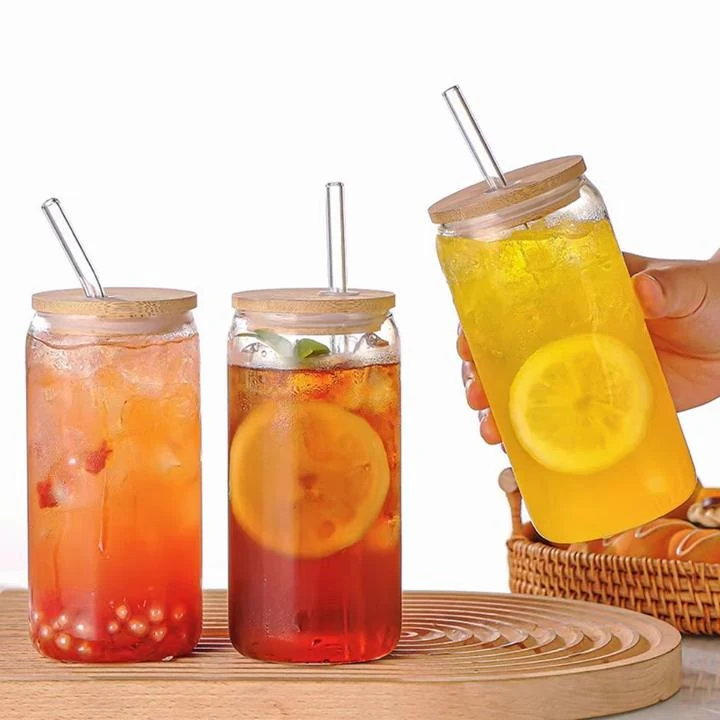
The Maputo Glass Artisans Cooperative, established in 2016, represents a community-driven approach to glass production. I met some of their members at a local crafts fair and was inspired by their commitment to turning recycled glass into beautiful, functional tableware. Their model focuses on art, sustainability, and local empowerment rather than mass production.
Their catalog includes hand-blown glass cups, small bowls, and decorative vases. Each product is unique, often featuring colorful patterns made from mixed recycled glass. They primarily supply souvenir shops, boutique cafés, and eco-resorts. Their glass cups, while artisanal, meet practical use standards and appeal to eco-conscious consumers.
The cooperative trains young artisans in glassblowing and sustainable design, helping to preserve traditional craftsmanship. Supported by international NGOs, they have participated in several design competitions and sustainability programs. Their products were featured at the “Green Economy Expo” in Johannesburg in 2023. Their impact goes beyond business—it’s about culture, creativity, and responsible production.
Sofala Glass Industries
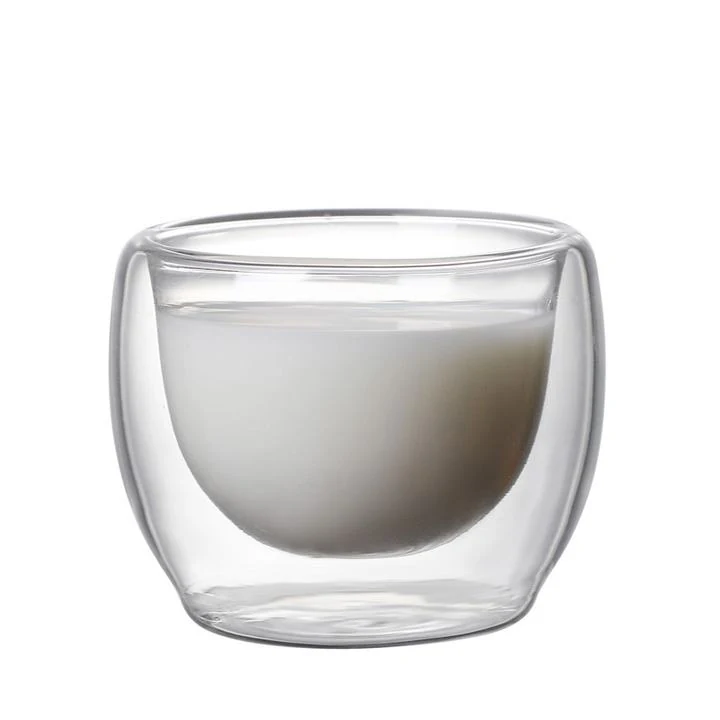
Sofala Glass Industries, founded in 2018 in Beira, is one of Mozambique’s most ambitious new manufacturing enterprises. The company was established by a group of engineers who returned from studying industrial design abroad. When I visited Beira’s industrial park, I saw their team’s dedication to creating affordable, high-quality tableware for domestic and regional markets. Their focus is on combining automation with local employment.
Their production line includes glass cups, jars, and kitchen containers for retail and hotel use. They supply wholesalers, restaurants, and beverage brands looking for packaging alternatives. Sofala Glass Industries also offers custom engraving and branding, catering to promotional and hospitality clients.
They use high-efficiency gas furnaces and have installed solar panels to reduce energy costs. Sofala Glass is ISO 9001 and ISO 14001 certified, demonstrating their commitment to both quality and sustainability. The company has started exporting to neighboring Malawi and Zimbabwe, marking Mozambique’s first steps into regional glassware trade. Their vision is to make Mozambique self-sufficient in glass manufacturing.
| Company | Founded | Core Products | Industries | Certifications |
|---|---|---|---|---|
| VidroMoz Lda | 2011 | Glass cups, jars, pitchers | Retail, hospitality | Made in Mozambique Award |
| Maputo Glass Artisans Cooperative | 2016 | Hand-blown glass cups | Souvenirs, eco-resorts | Sustainability Program Recognition |
| Sofala Glass Industries | 2018 | Cups, jars, containers | Hotels, catering, export | ISO 9001, ISO 14001 |
Part 3: Trade Shows and Industry Events
Mozambique International Trade Fair (FACIM)
FACIM, the Feira Internacional de Mo?ambique, is the largest trade exhibition in the country and one I have attended multiple times. It’s held annually in Marracuene near Maputo and attracts exhibitors from across Africa, Europe, and Asia. In recent years, the fair has showcased more glassware and home product companies, highlighting Mozambique’s evolving manufacturing sector.

The fair usually takes place in late August, bringing together over 2,000 exhibitors from more than 30 countries. Glass cup manufacturers, including VidroMoz and Sofala Glass, often use the event to present their new product lines. Highlights include workshops on recycling technologies, sustainable packaging, and green manufacturing practices. FACIM has become a vital networking hub for Mozambique’s growing glass industry.
Maputo Home & Hospitality Expo
The Maputo Home & Hospitality Expo is a newer event that focuses on household products, interior design, and hotel supplies. When I attended in 2024, I noticed a clear rise in local participation from artisans and small manufacturers. It’s an exciting sign of Mozambique’s emerging identity in home décor and tableware.
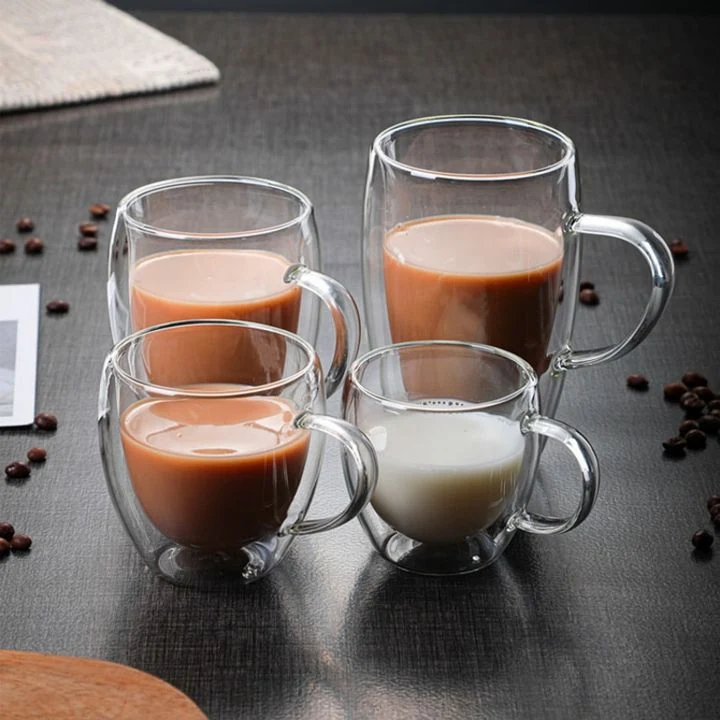
Held every April at the Joaquim Chissano Conference Center, the event features about 150 exhibitors. Highlights include live product demonstrations, interior design competitions, and eco-friendly design awards. For glass manufacturers, this fair provides direct contact with retailers, hotel buyers, and export agents. The expo serves as a platform for Mozambique to showcase creativity and craftsmanship to the wider Southern African market.
| Event | Date | Location | Highlights |
|---|---|---|---|
| Mozambique International Trade Fair (FACIM) | August | Marracuene, Maputo | Green manufacturing, export partnerships |
| Maputo Home & Hospitality Expo | April | Joaquim Chissano Center | Home décor trends, artisanal design showcases |
Part 4: Impact of Global Trade Policies
Mozambique’s glass cup industry is heavily influenced by international trade dynamics. Most raw materials, such as silica sand, soda ash, and machinery, are imported from South Africa, China, and India. During my discussions with local manufacturers, they often mentioned how global freight costs and customs delays affect their pricing. Trade fluctuations can quickly impact production schedules and competitiveness.
However, Mozambique’s membership in the Southern African Development Community (SADC) offers advantages. Through this regional trade framework, Mozambican products enjoy tariff reductions when exported to neighboring countries. This has helped companies like Sofala Glass reach new customers in Zimbabwe, Zambia, and Malawi.
On the policy front, the government’s push for import substitution and local value addition supports the growth of domestic glassmaking. International aid and EU partnerships have also introduced grants for sustainable manufacturing. Global trade agreements and environmental programs are giving Mozambique’s glass industry a chance to modernize while staying eco-conscious.
Part 5: Conclusion
Mozambique’s glass cup manufacturing industry may be young, but its foundation is strong and full of promise. With rising domestic demand, a growing tourism sector, and government support for sustainability, the industry is gaining momentum. Companies like VidroMoz, Sofala Glass, and the Maputo Glass Artisans Cooperative are paving the way toward a self-sufficient and innovative market.
Still, challenges remain. The industry faces high logistics costs, limited automation, and dependence on imported materials. Yet the passion of local entrepreneurs and the creativity of Mozambican artisans provide hope. If Mozambique continues to invest in technology, recycling, and design innovation, it could become a key regional supplier of eco-friendly glass cups within the next decade.
Recommended Reading:
- Glass Cup Manufacturer Montenegro
- Glass Cup Manufacturer Mongolia
- Glass Cup Manufacturer Monaco
- Glass Cup Manufacturer Moldova
- Glass Cup Manufacturer Micronesia
- Glass Cup Manufacturer Mauritius
- Glass Cup Manufacturer Mauritania
- Glass Cup Manufacturer Marshall Islands
Glass Bottle Manufacturers in Israel
Glass Bottle Manufacturers in USA
Cylinder Shape Perfume Bottle With Box
Glass Bottle Manufacturers in Cameroon