Part 1: Market Size and Growth
Myanmar’s glass cup manufacturing industry is still in its early development phase but shows steady progress driven by urbanization, hospitality growth, and rising local consumption. Over the past few years, I have observed how cafés, hotels, and restaurants across Yangon and Mandalay have started investing in better-quality glassware to elevate their service standards. Glass cups are no longer seen as luxury items but as essential products for modern living.
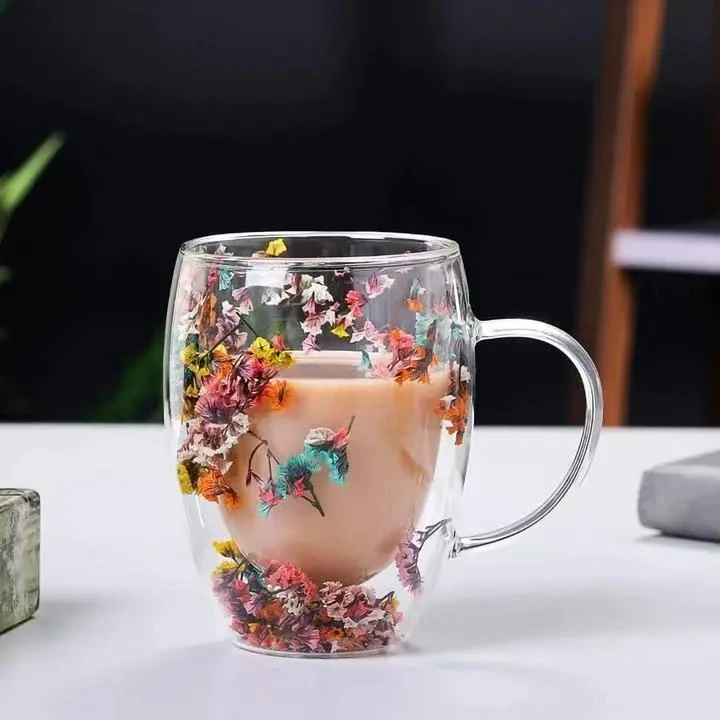
The country’s market has long relied on imports from China, Thailand, and Malaysia. However, the shift toward local production began as domestic entrepreneurs recognized the opportunity to reduce dependence on imports and promote job creation. Small-scale manufacturers and recycling ventures have started emerging, signaling the beginning of a new industrial phase for Myanmar. The growing middle class and the steady rise of the café culture have also contributed to increasing demand for affordable yet stylish glass cups.
Supportive government policies and investment incentives under the Myanmar Sustainable Industrial Policy (MSIP) are encouraging local glass producers. With the ongoing modernization of the manufacturing sector and infrastructure improvements, new players are entering the market. This evolving environment makes glassware production one of Myanmar’s promising light manufacturing opportunities.
Part 2: Leading Companies
Yangon Glassworks Co., Ltd.
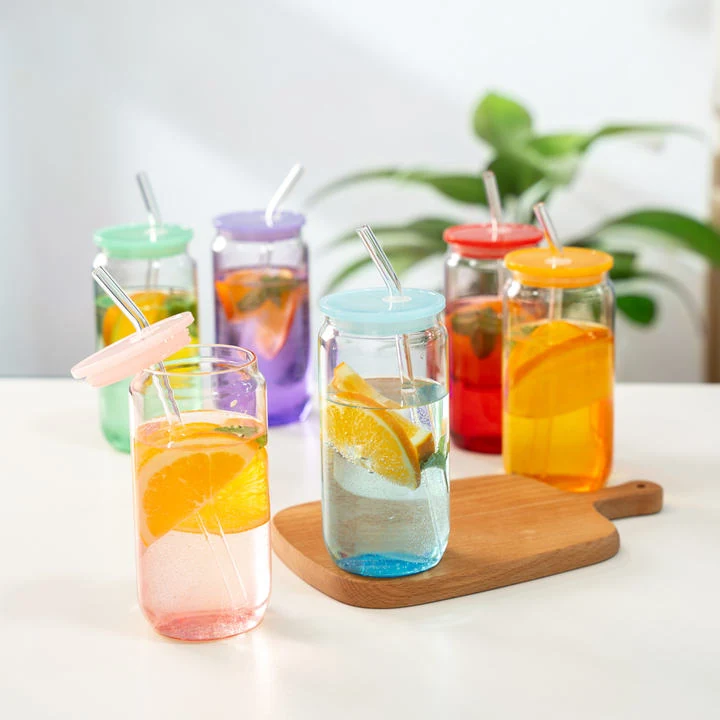
Yangon Glassworks Co., Ltd., established in 2012, is one of the leading glass producers in Myanmar. I first came across their products at a hotel trade show in Yangon, where their clear, heat-resistant glass cups caught my attention. Originally focused on glass bottles, the company later expanded into household and hospitality glassware production. Their commitment to quality and functionality has helped them build a strong local presence.
Their main product range includes everyday drinking glasses, tea cups, and tumblers for restaurants and hotels. They supply major hospitality chains and retailers across Yangon, Mandalay, and Naypyidaw. Their advantage lies in their wide product range and reliable quality, meeting both commercial and domestic needs.
Technically, Yangon Glassworks operates with semi-automated forming and tempering machines. They use locally sourced raw materials when possible and invest in recycling systems for glass cullet. The company has earned ISO 9001 certification and won recognition from the Ministry of Industry for energy efficiency. Their approach blends traditional glassmaking with sustainable production practices.
Mandalay Crystal Craft
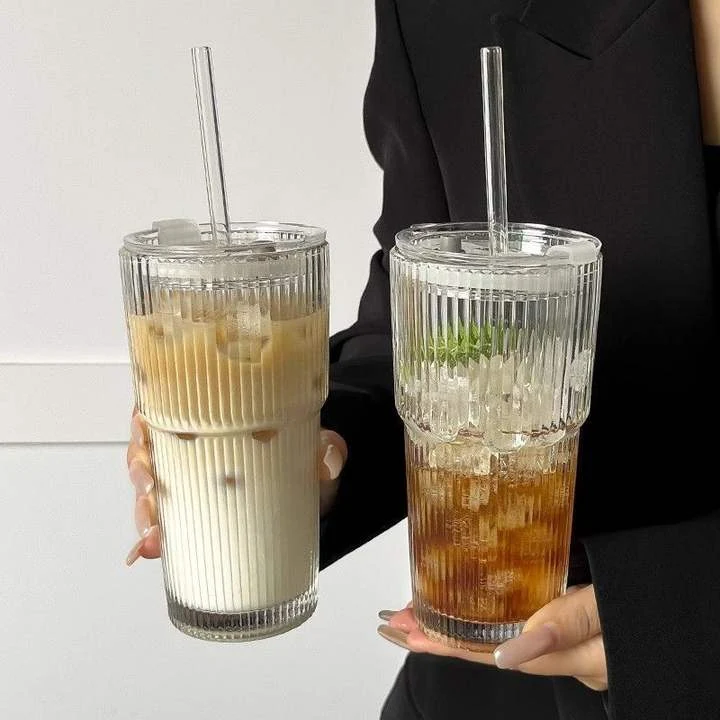
Mandalay Crystal Craft, founded in 2015, represents the artistic side of Myanmar’s glass manufacturing. Based in Mandalay, the company specializes in handmade crystal cups and decorative glassware. I once visited their studio and was impressed by their delicate craftsmanship and artistic flair. Their pieces often combine Burmese traditional motifs with modern design aesthetics.
Their product portfolio includes high-end wine glasses, decorative cups, and tea sets aimed at boutique retailers and export clients. They primarily serve gift shops, hotels, and luxury retailers. Each product is hand-finished, giving it a unique charm that appeals to both local and international buyers.
They use lead-free crystal and advanced polishing techniques to achieve clarity and brilliance. Mandalay Crystal Craft has been featured in the Myanmar Design Week exhibition and has received multiple awards for innovation and artistry. Their craftsmanship reflects the beauty of Myanmar’s cultural heritage adapted to global tastes.
Delta Glass Industries
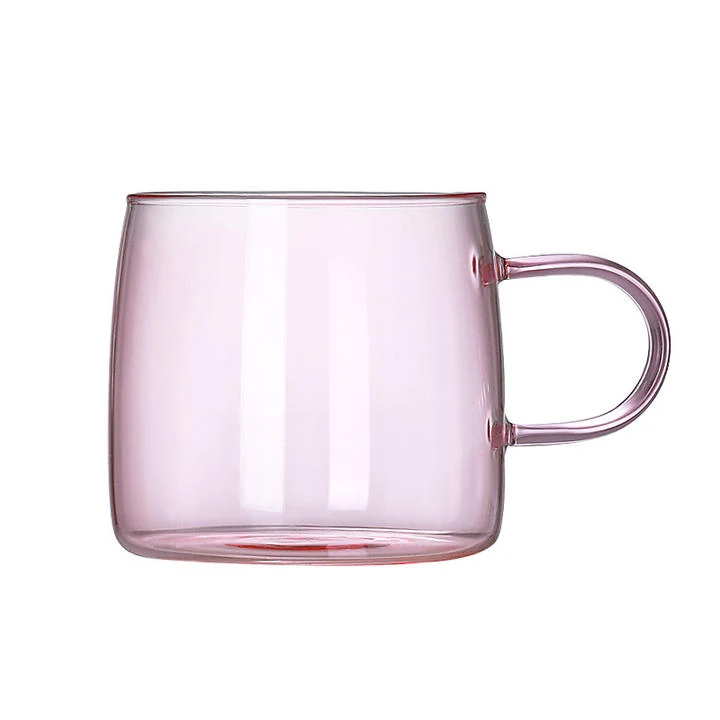
Delta Glass Industries, founded in 2018 in Bago, is one of the few modern factories in Myanmar focused on mass-producing glassware. The founders, trained in industrial engineering, aimed to fill the gap between small artisanal workshops and imported products. I toured their facility in 2023 and noticed their efficient layout and advanced forming equipment. Their vision is to make Myanmar self-sufficient in basic glassware manufacturing.
Their production includes glass cups, jars, jugs, and containers for the food service and packaging sectors. They serve hotels, restaurants, beverage companies, and wholesalers. Delta Glass emphasizes consistency and customization, offering OEM services for local brands.
Technologically, the company uses high-temperature furnaces, annealing tunnels, and quality inspection systems. They have received HACCP and ISO 14001 certifications, ensuring both product safety and environmental compliance. They also collaborate with the Myanmar Engineering Society to train technicians. Delta Glass demonstrates how industrial innovation can drive sustainable local production.
| Company | Founded | Core Products | Industries | Certifications |
|---|---|---|---|---|
| Yangon Glassworks Co., Ltd. | 2012 | Drinking glasses, tumblers | Hotels, retail, catering | ISO 9001 |
| Mandalay Crystal Craft | 2015 | Handmade crystal cups | Gifts, luxury, export | Design Innovation Award |
| Delta Glass Industries | 2018 | Cups, jars, jugs | Food service, packaging | HACCP, ISO 14001 |
Part 3: Trade Shows and Industry Events
Myanmar International Trade Fair (MITF)
The Myanmar International Trade Fair is one of the country’s largest exhibitions for industrial and consumer goods. I attended this fair in Yangon in 2023 and saw several local and foreign companies showcasing their latest glassware products. The fair reflects Myanmar’s growing appetite for manufacturing innovation and business partnerships.
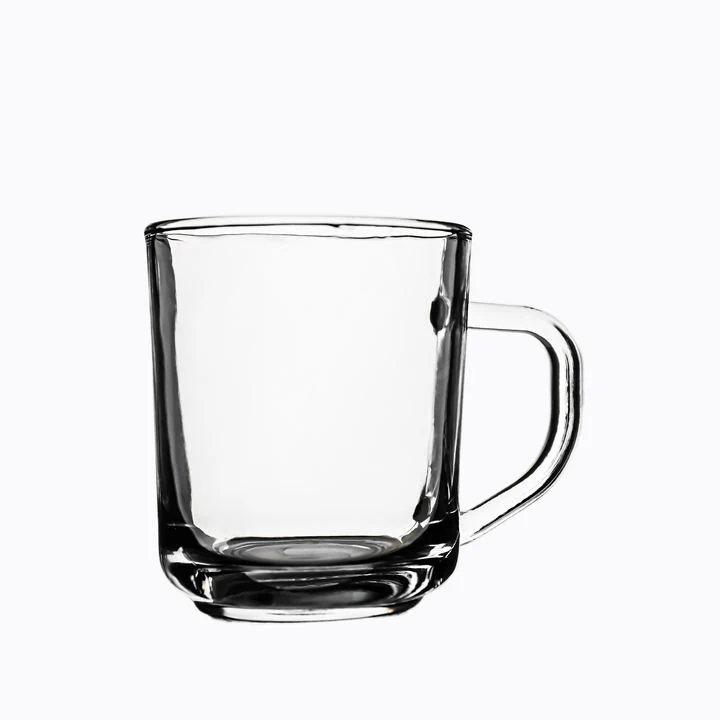
The event usually takes place every March at the Yangon Convention Center, hosting more than 300 exhibitors. It covers a wide range of sectors including home goods, construction materials, and packaging. Glass cup manufacturers often use this platform to connect with distributors and hotel suppliers. One highlight is the sustainability showcase, where companies present recycling technologies and eco-friendly materials.
Yangon Home & Hospitality Expo
Another important event is the Yangon Home & Hospitality Expo, focused on interior décor, kitchenware, and hotel supplies. When I visited in 2024, I was impressed by how many Myanmar-based startups participated for the first time. The fair has become a great place for buyers and suppliers in the tableware industry to meet and collaborate.
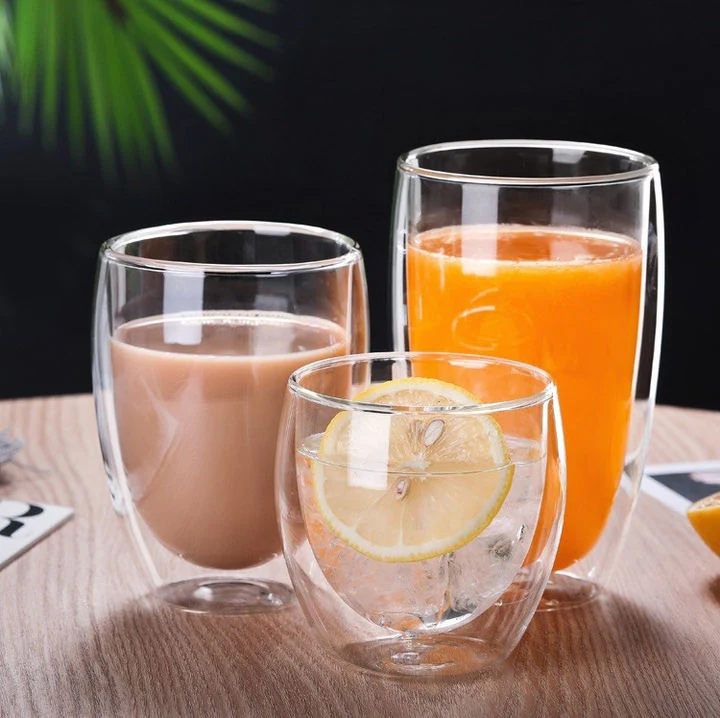
This event takes place in September at the Novotel Yangon Max Hotel. It attracts hotels, restaurants, and retailers from across Southeast Asia. Highlights include product design contests, supplier-buyer meetings, and talks on sustainable hospitality trends. For Myanmar’s glassware producers, the expo opens doors to regional buyers and joint venture opportunities.
| Event | Date | Location | Highlights |
|---|---|---|---|
| Myanmar International Trade Fair (MITF) | March | Yangon Convention Center | Industrial innovation, recycling showcase |
| Yangon Home & Hospitality Expo | September | Novotel Yangon Max Hotel | Tableware trends, hotel supply networking |
Part 4: Impact of Global Trade Policies
Myanmar’s glass manufacturing sector is deeply affected by international trade dynamics and regional economic cooperation. Most of the raw materials and machinery are imported from China, Thailand, and India. As I’ve heard from local manufacturers, shipping costs and currency fluctuations can quickly change profit margins. Trade instability often challenges consistency in production and pricing.
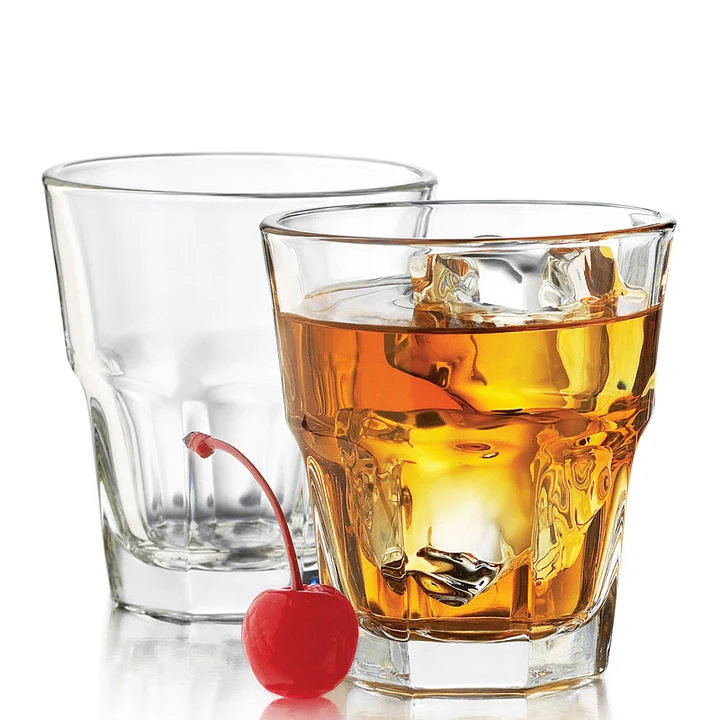
However, participation in ASEAN trade frameworks offers opportunities for tariff reduction and regional integration. Under the ASEAN Free Trade Area (AFTA), Myanmar benefits from lower import duties and easier market access. This encourages foreign investment and technology transfer into the country’s light manufacturing sector.
At the same time, global sustainability policies are shaping production behavior. International buyers increasingly request recycled glass and eco-friendly packaging. In response, Myanmar companies are exploring local recycling networks and cleaner technologies. The balance between globalization and local development is shaping the country’s glassware future.
Part 5: Conclusion
The glass cup manufacturing industry in Myanmar is small but full of potential. Driven by urban growth, rising consumer expectations, and supportive government policies, local producers are slowly establishing their place in the market. From large factories like Delta Glass Industries to creative studios like Mandalay Crystal Craft, the country’s glassmakers are blending industrial capability with artistic tradition.
Still, challenges remain—limited infrastructure, high import dependence, and the need for more technical expertise. Yet the steady progress seen in trade fairs, eco-friendly initiatives, and new investment signals hope. If Myanmar continues to modernize its glass manufacturing technology and build stronger trade partnerships, it could soon become a key regional hub for affordable and sustainable glassware.
Recommended Reading:
- Glass Cup Manufacturer Mozambique
- Glass Cup Manufacturer Montenegro
- Glass Cup Manufacturer Mongolia
- Glass Cup Manufacturer Monaco
- Glass Cup Manufacturer Moldova
- Glass Cup Manufacturer Micronesia
- Glass Cup Manufacturer Mauritius
- Glass Cup Manufacturer Mauritania
square glass dropper bottles wholesale 30ml 50ml 100ml
How big is 1 liter bottle?
Glass Bottle Manufacturers in Hong Kong
10ml Refillable Perfume Atomizer With Aluminum Shell