Part 1: Market Size and Growth
Namibia’s glass cup manufacturing industry is still in a developing stage, but the outlook is promising. The combination of a growing hospitality market, increasing sustainability awareness, and a rising middle class has begun to shape demand for glassware. I’ve seen cafés, eco-lodges, and boutique hotels in Windhoek and Swakopmund making deliberate choices to replace disposable products with durable glass cups.
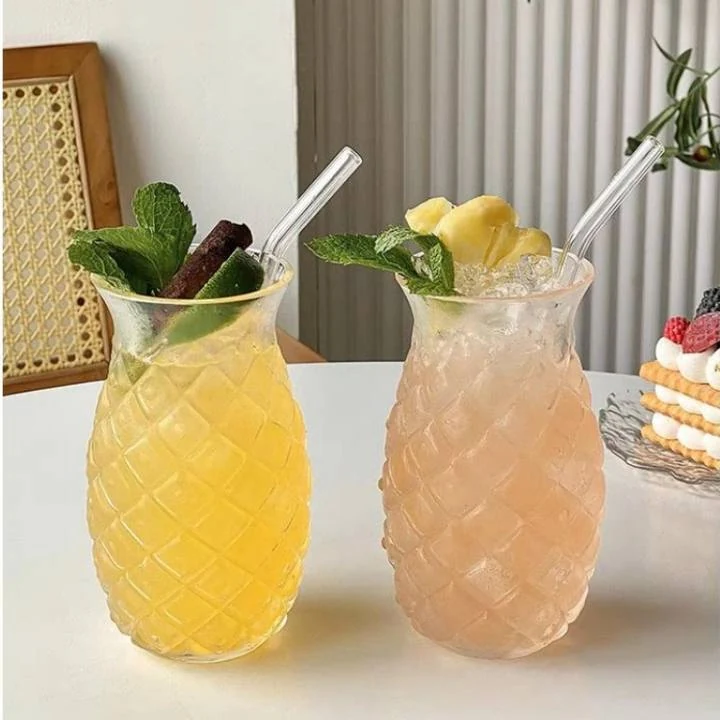
Historically, Namibia has depended heavily on imported glassware from South Africa and Europe. However, the rising transportation costs and a new focus on self-sufficiency have sparked interest in local production. Several small glass-recycling startups and artisanal studios are experimenting with domestic production, offering a mix of functional and decorative glass cups. The tourism industry’s growth is fueling this trend, especially in coastal and safari destinations.
The government’s “Growth at Home” policy, which promotes local value addition, is also helping smaller manufacturers gain momentum. Industrial parks in Windhoek and Walvis Bay are encouraging small businesses to enter light manufacturing. The combination of policy support, sustainability initiatives, and private investment is setting the foundation for Namibia’s emerging glass cup market.
Part 2: Leading Companies
NamGlass Industries
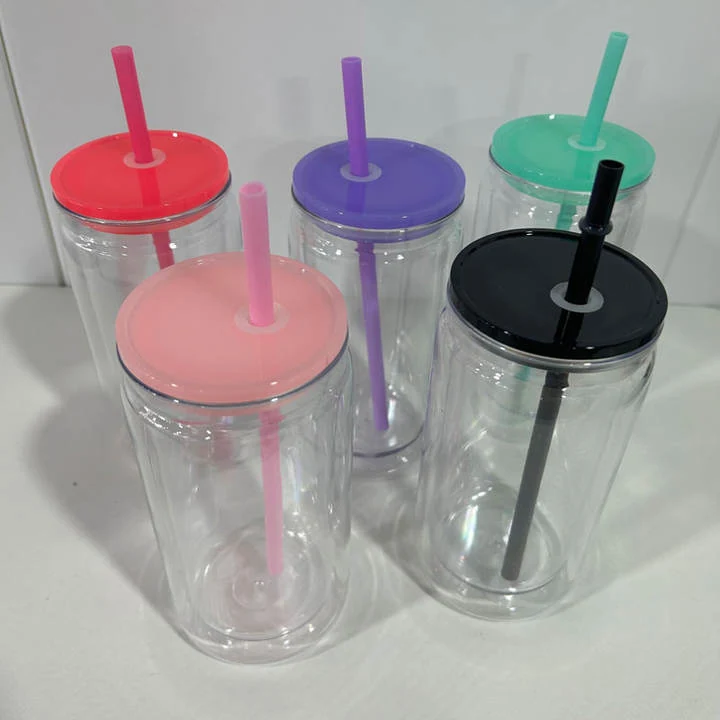
NamGlass Industries, founded in 2014 in Windhoek, is Namibia’s first semi-industrial glass manufacturer focused on consumer products. I first encountered their products at a local trade fair in 2023, and their clear glass tumblers immediately stood out for their quality and minimalist design. The company started as a recycling business and evolved into a full-scale glass cup producer.
Their main products include drinking glasses, tea cups, and barware for hotels, restaurants, and home users. They also offer customized branding for corporate clients and promotional events. Their ability to merge industrial production with design flexibility has made them one of the most trusted names in Namibian glassware.
NamGlass uses recycled glass collected from beverage industries and households, reducing waste and import dependency. Their production facility employs energy-efficient furnaces powered partly by solar energy. They have received certification from the Namibian Standards Institution for quality and safety. Their sustainable approach positions them as a leader in green manufacturing.
Windhoek Glass Studio
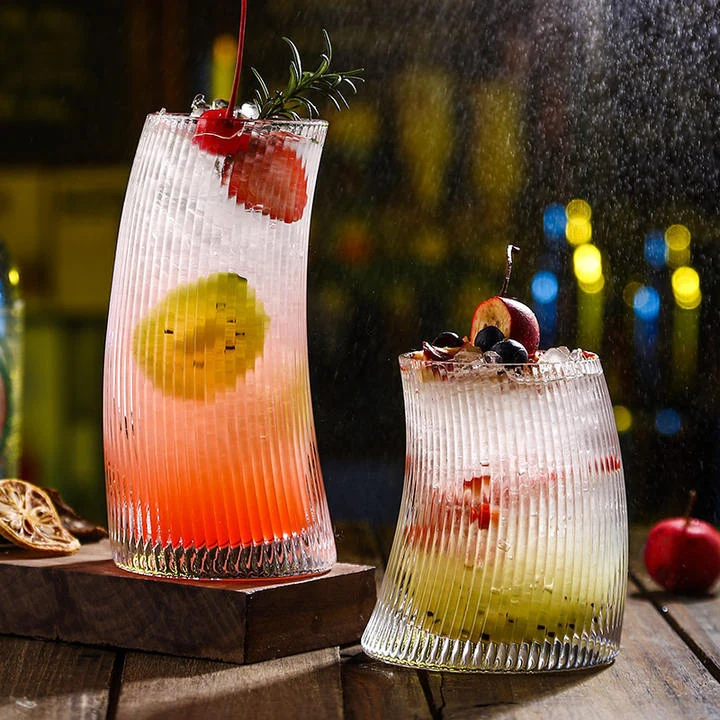
Windhoek Glass Studio, established in 2016, focuses on handmade and decorative glassware. When I visited their studio near Eros Park, I was fascinated by how traditional glassblowing techniques are used to create artistic yet functional glass cups. Each item is unique, carrying both aesthetic value and practical usability.
Their catalog includes hand-blown cups, glass tumblers, and decorative drinking sets made primarily from recycled materials. They cater to luxury hotels, souvenir shops, and interior designers. Their signature pieces feature colorful textures inspired by Namibia’s desert landscapes and wildlife.
Windhoek Glass Studio collaborates with local artists and designers to create limited-edition collections. They have been featured in the “Namibia Craft Centre Showcase” and have won awards for innovation in sustainable art. Their model blends craftsmanship, environmental responsibility, and cultural storytelling. Their products demonstrate how design can elevate everyday items into meaningful art.
Coastal Glass & Packaging
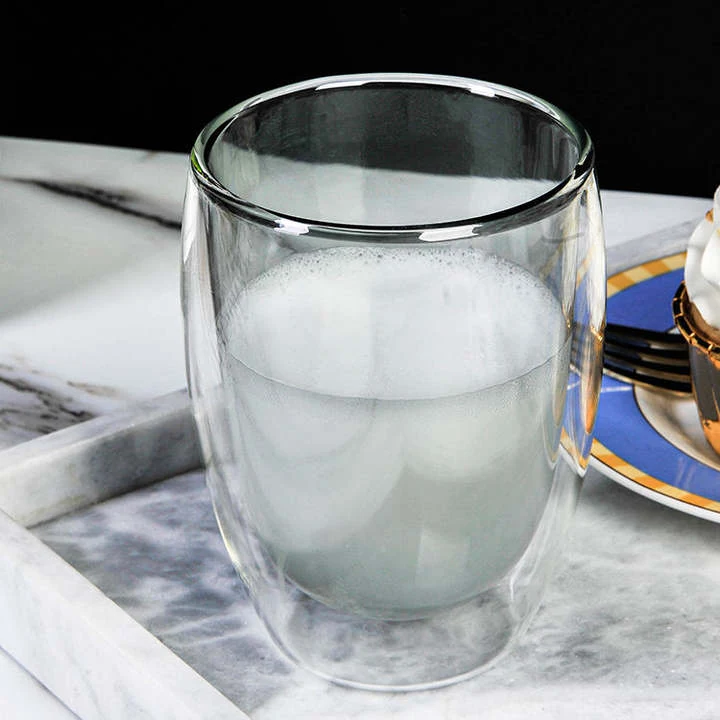
Coastal Glass & Packaging, founded in 2019 in Walvis Bay, represents Namibia’s effort to build a regional supply hub for glassware. The company started by serving the beverage and packaging industries but has expanded into household glass cup production. I met their sales manager at the 2024 Namibia Industrial Expo, and he explained their goal of combining volume production with export readiness. Their location near the port gives them a strategic logistical advantage.
Their product range includes glass cups, jars, and containers for both household and commercial use. They supply supermarkets, restaurants, and beverage companies looking for eco-friendly packaging. They emphasize reliability, large-scale capacity, and customer-specific customization.
The company operates modern furnaces and automated forming machines, supported by a recycling partnership with local municipalities. Coastal Glass & Packaging holds ISO 9001 certification and has initiated collaborations with South African distributors for regional expansion. Their investment in modern equipment and green logistics puts them among the most forward-looking manufacturers in Namibia.
| Company | Founded | Core Products | Industries | Certifications |
|---|---|---|---|---|
| NamGlass Industries | 2014 | Drinking glasses, tea cups | Hospitality, retail | Namibian Standards Certification |
| Windhoek Glass Studio | 2016 | Hand-blown cups, décor glassware | Luxury, souvenir, retail | Sustainable Art Award |
| Coastal Glass & Packaging | 2019 | Glass cups, jars, containers | Hotels, beverage, export | ISO 9001 |
Part 3: Trade Shows and Industry Events
Namibia International Trade Fair (NITF)
The Namibia International Trade Fair, held annually in Windhoek, is the country’s largest exhibition for local and international businesses. When I attended in 2023, I noticed a growing presence of glass and packaging companies. The event has become a key platform for introducing Namibian-made products to regional markets.

The fair usually takes place in late August at the Windhoek Showgrounds. It attracts more than 400 exhibitors from across Africa. Glass cup manufacturers like NamGlass and Coastal Glass often use the fair to showcase their eco-friendly and locally made glassware. Highlights include sustainability awards, industrial networking, and technology demonstrations.
Windhoek Home & Lifestyle Expo
The Windhoek Home & Lifestyle Expo, launched in 2018, focuses on furniture, décor, kitchenware, and home products. I visited in 2024 and found that local artisans and manufacturers are increasingly represented. It’s the best place to see how Namibian craftsmanship blends with modern design trends.
The event takes place in October at the Windhoek Country Club Resort. Exhibitors include homeware suppliers, interior designers, and hospitality service providers. For glass cup manufacturers, it’s an opportunity to meet buyers from hotels, restaurants, and retail chains. The expo emphasizes sustainable living, handmade products, and innovative design solutions.
| Event | Date | Location | Highlights |
|---|---|---|---|
| Namibia International Trade Fair (NITF) | August | Windhoek Showgrounds | Sustainability awards, business networking |
| Windhoek Home & Lifestyle Expo | October | Windhoek Country Club | Home décor trends, eco-friendly products |
Part 4: Impact of Global Trade Policies
Namibia’s glass industry is influenced by its trade relationships within the Southern African Customs Union (SACU) and the Southern African Development Community (SADC). Most raw materials, machinery, and packaging supplies come from South Africa. During my discussions with local manufacturers, they often mentioned how cross-border logistics and import tariffs directly affect production costs. Global shipping delays and fuel price fluctuations can quickly change the economics of manufacturing.
However, Namibia’s participation in regional trade agreements allows duty-free export to neighboring countries like Botswana, Zambia, and Angola. This regional integration supports the growth of export-oriented industries, including glassware. Local producers also benefit from EU-supported trade programs promoting sustainable manufacturing in Africa.
The global shift toward circular economy policies has positively affected Namibia’s glass producers. Recycling incentives and international funding for waste management projects are driving investments in sustainable glass production. Balancing trade opportunities with environmental commitments is now at the heart of Namibia’s manufacturing strategy.
Part 5: Conclusion
Namibia’s glass cup manufacturing industry is young but full of determination and creativity. With its strong tourism sector, growing domestic demand, and increasing focus on sustainability, the industry is on a clear path to expansion. Companies like NamGlass, Windhoek Glass Studio, and Coastal Glass are shaping a modern and responsible glassware identity for the country.
Still, challenges remain. The sector must overcome high transport costs, limited industrial infrastructure, and dependence on imported raw materials. Yet the progress achieved so far is inspiring. If Namibia continues to invest in technology, local talent, and regional collaboration, it will soon establish itself as one of Southern Africa’s most promising glass cup manufacturing hubs.
Recommended Reading:
- Glass Cup Manufacturer Myanmar
- Glass Cup Manufacturer Mozambique
- Glass Cup Manufacturer Montenegro
- Glass Cup Manufacturer Mongolia
- Glass Cup Manufacturer Monaco
- Glass Cup Manufacturer Moldova
- Glass Cup Manufacturer Micronesia
- Glass Cup Manufacturer Mauritius
Glass Bottle Manufacturers in Paraguay
Amy Sun kitchen 2oz 2.5oz 3.5oz 4oz 6oz glass spice jar with stainless steel lid
Glass Bottle Manufacturers in Spain
Glass Perfume Sample Vials 3ml 5ml 10ml