Part 1: Market Size and Growth
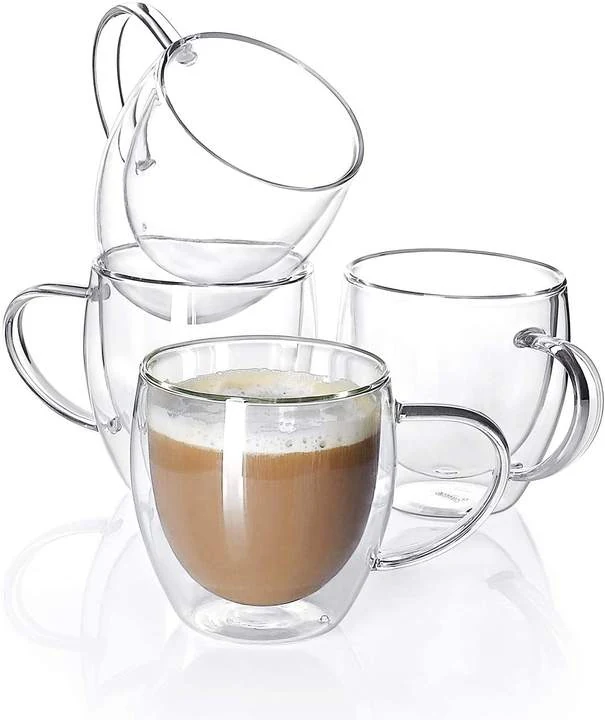
Nicaragua’s glass cup manufacturing industry is small but gaining traction as local businesses and artisans respond to growing domestic and regional demand. In recent years, I’ve noticed a remarkable shift in the hospitality and retail sectors—cafés, hotels, and restaurants in Managua and Granada are replacing plastic tableware with durable, eco-friendly glass cups. This shift reflects a broader movement toward sustainability and aesthetic quality in Nicaraguan consumer markets.

The Nicaraguan glassware market has traditionally relied on imports from Mexico, the United States, and China. However, increased import costs and supply chain delays have encouraged small entrepreneurs to explore local production and recycling initiatives. Several workshops and cooperatives are now producing artisanal glass cups from recycled materials, reducing dependency on imports while creating jobs. The growth of eco-lodges and boutique hotels is further driving demand for locally made, customizable tableware.
Government initiatives promoting green manufacturing and circular economy models are also helping small producers expand. Supported by programs from the Ministry of Development, Industry, and Trade, Nicaraguan manufacturers now have access to grants and technical assistance for sustainable production. These combined economic, environmental, and cultural trends are forming a solid foundation for the country’s emerging glass cup industry.
Part 2: Leading Companies
VidrioNica S.A.

VidrioNica S.A., founded in 2012 in Managua, is the country’s leading name in glass product manufacturing. I visited their production site in 2023 and was impressed by their balance between industrial efficiency and environmental responsibility. Originally a recycling facility, VidrioNica evolved into a full-fledged glass manufacturer producing cups, bottles, and tableware. Their focus on reusing waste glass has made them a model for sustainable manufacturing in Nicaragua.
Their product range includes drinking glasses, tea cups, and hotel-grade tumblers. They serve supermarkets, restaurants, and export clients across Central America. VidrioNica’s strength lies in its combination of mass production capacity and eco-friendly operations, helping it compete with imported brands.
Technologically, VidrioNica uses semi-automated forming machines and electric furnaces powered partly by renewable energy. They hold ISO 9001 and ISO 14001 certifications and are part of Nicaragua’s “EcoIndustria” green initiative. In 2024, they won the National Innovation Award for their recycled glass cup line. Their success illustrates how industrial-scale sustainability can thrive in a developing economy.
Masaya Glass Collective
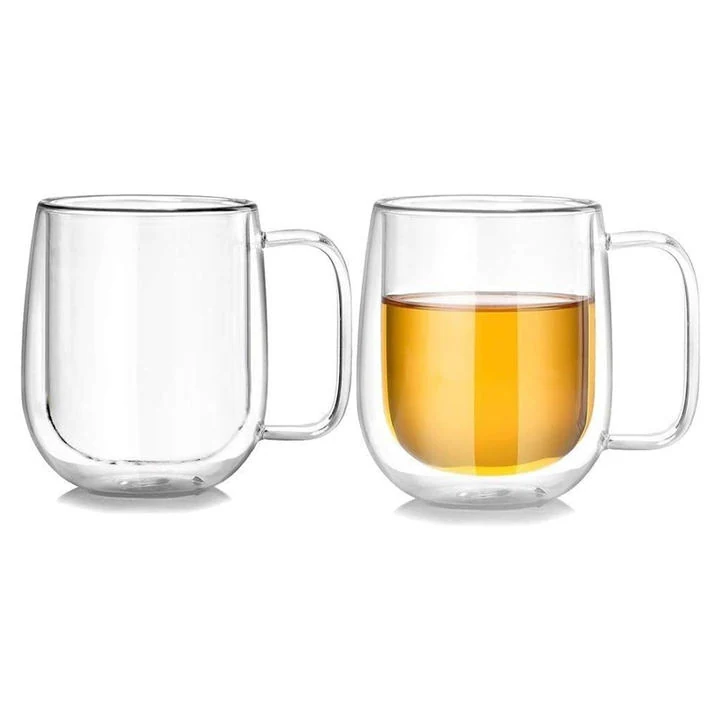
Masaya Glass Collective, founded in 2015, represents the artistic side of Nicaragua’s glass industry. Based in the cultural hub of Masaya, the collective gathers artisans who specialize in hand-blown glass cups, vases, and decorative tableware. When I visited their studio, I saw each artisan transform recycled bottles into colorful, uniquely patterned glass cups. Their craftsmanship combines tradition, creativity, and environmental awareness.
Their catalog includes hand-blown drinking glasses, artistic tea sets, and decorative cups for boutique hotels and souvenir shops. They cater primarily to tourists and eco-conscious retailers. Their signature products use vibrant colors and organic shapes that reflect Nicaragua’s tropical landscapes and artistic heritage.
The collective partners with local NGOs to train young artisans in glassmaking techniques. Their work has been showcased at the “Nicaragua Creative Economy Expo” and several Central American design fairs. Masaya Glass Collective not only produces beautiful glass cups but also empowers local communities through skill development and sustainable livelihoods.
León Glassworks
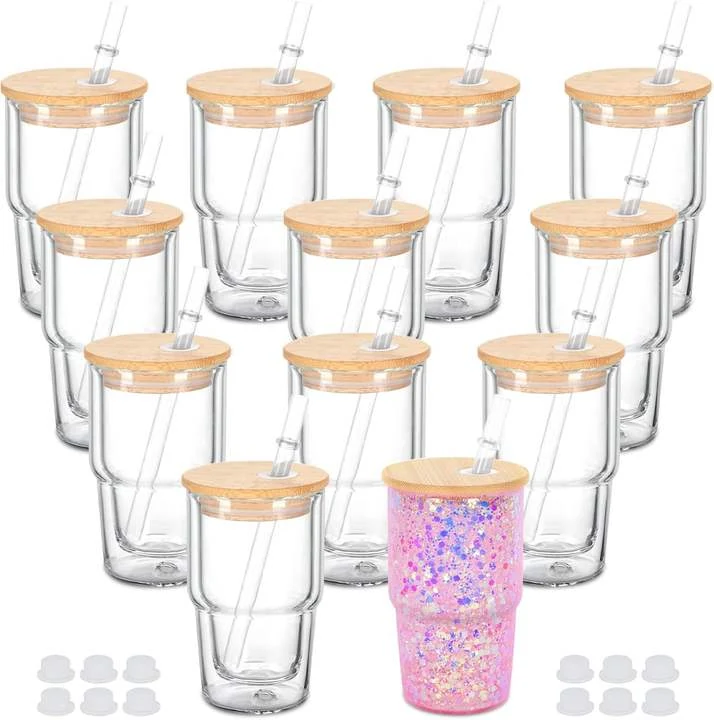
León Glassworks was founded in 2018 in León, one of Nicaragua’s oldest and most culturally rich cities. I met their founders during a business forum in 2022, where they shared their mission to produce high-quality, affordable glass cups for local cafés and households. Their approach blends modern technology with a deep respect for Nicaraguan design traditions.
Their products include heat-resistant cups, tumblers, and glass pitchers for home and restaurant use. They supply hospitality businesses, catering companies, and local retailers. León Glassworks is known for its consistent quality and efficient delivery times, which have helped it build trust among domestic buyers.
The company uses advanced annealing and tempering systems to ensure durability. They have received HACCP certification for food safety and participate in the “Made in Nicaragua” export promotion program. León Glassworks’ steady growth shows how small manufacturers can compete with imports through innovation, quality, and service.
| Company | Founded | Core Products | Industries | Certifications |
|---|---|---|---|---|
| VidrioNica S.A. | 2012 | Glass cups, bottles, tableware | Retail, hospitality | ISO 9001, ISO 14001 |
| Masaya Glass Collective | 2015 | Hand-blown cups, art glass | Tourism, gift, retail | Creative Economy Award |
| León Glassworks | 2018 | Cups, tumblers, pitchers | Restaurants, catering | HACCP, Made in Nicaragua |
Part 3: Trade Shows and Industry Events
Nicaragua International Trade Fair (EXPO NICARAGUA)
EXPO NICARAGUA, held annually in Managua, is the country’s largest trade and investment event. When I attended the 2023 edition, I noticed growing participation from small and medium manufacturers showcasing locally made home and décor products. Glass cup producers, in particular, have used this fair to connect with buyers from hospitality and retail sectors across Central America.

The event usually takes place every June at the Olof Palme Convention Center. It attracts over 400 exhibitors from more than 20 countries. Exhibitors display everything from industrial machinery to consumer goods. For glassware companies, EXPO NICARAGUA is a vital platform to promote eco-friendly manufacturing and explore export partnerships.
Managua Home & Hospitality Expo
The Managua Home & Hospitality Expo is a more specialized event that focuses on household products, tableware, and hotel supplies. I attended this fair in 2024, and it clearly demonstrated Nicaragua’s growing capacity for creative manufacturing. Many local artisans and factories showcased innovative designs combining function, beauty, and sustainability.
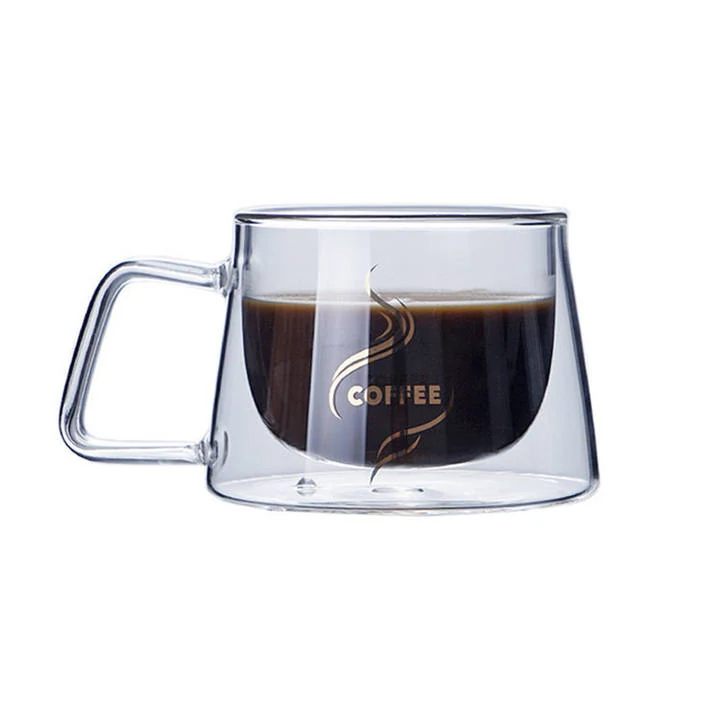
This event takes place in September at the Crowne Plaza Convention Center in Managua. It gathers interior designers, hotel owners, and suppliers from Nicaragua and neighboring countries. Highlights include design competitions, workshops on sustainable materials, and hospitality innovation awards. For glass cup manufacturers, it’s the best venue to meet buyers seeking high-quality, locally sourced tableware.
| Event | Date | Location | Highlights |
|---|---|---|---|
| Nicaragua International Trade Fair (EXPO NICARAGUA) | June | Olof Palme Convention Center, Managua | Green manufacturing, export partnerships |
| Managua Home & Hospitality Expo | September | Crowne Plaza Convention Center | Sustainable tableware, design innovation |
Part 4: Impact of Global Trade Policies
Nicaragua’s glass industry is closely tied to global trade movements and regional agreements. Most raw materials, such as silica sand, soda ash, and specialized machinery, are imported from Mexico and the United States. When I spoke with local manufacturers, many shared how international logistics and import tariffs directly influence production costs. Trade disruptions or material shortages can quickly affect pricing and competitiveness.
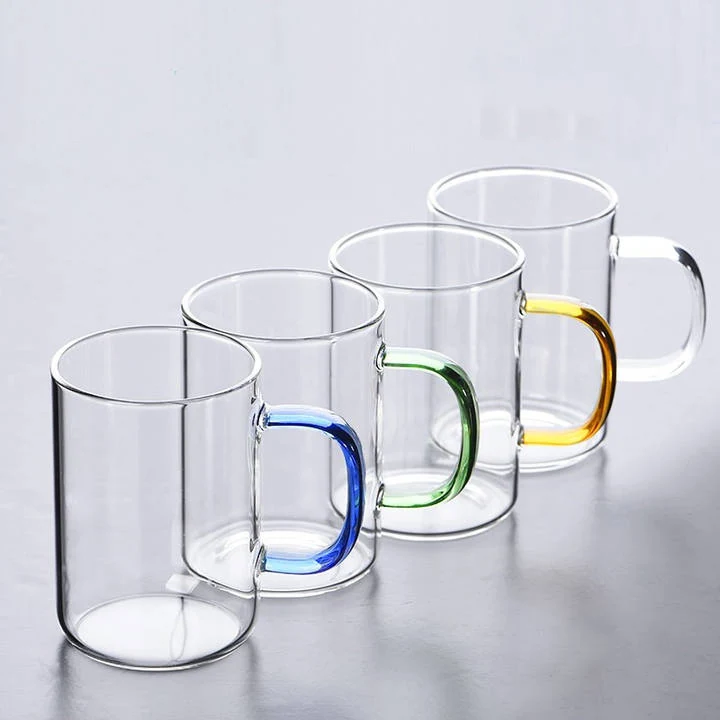
On the positive side, Nicaragua benefits from regional cooperation under the Central American Integration System (SICA) and the Dominican Republic–Central America Free Trade Agreement (CAFTA-DR). These frameworks allow duty-free exports to the U.S. and other Central American countries, encouraging investment in local production and export growth.
Global sustainability regulations are also shaping Nicaragua’s manufacturing practices. The growing demand for recycled and eco-certified products aligns with national policies promoting a circular economy. Many glass companies now collect post-consumer glass waste and repurpose it into new products. This adaptation not only meets global environmental standards but also strengthens Nicaragua’s reputation as a responsible manufacturing hub.
Part 5: Conclusion
Nicaragua’s glass cup manufacturing industry is still emerging, but its trajectory is clear and promising. Driven by sustainability, tourism, and creative entrepreneurship, local manufacturers are steadily building a new identity for Nicaraguan glassware. From large-scale recyclers like VidrioNica to artisanal studios like the Masaya Glass Collective, the country’s producers are proving that eco-friendly manufacturing can be both beautiful and practical.
The road ahead is not without challenges. Dependence on imported machinery, energy costs, and limited financing remain key obstacles. Yet, with ongoing policy support, growing domestic demand, and regional trade advantages, the industry’s foundation is solid. If Nicaragua continues to invest in technology, design, and circular production, it could soon become a Central American leader in sustainable glass cup manufacturing.
Recommended Reading:
- Glass Cup Manufacturer Namibia
- Glass Cup Manufacturer Myanmar
- Glass Cup Manufacturer Mozambique
- Glass Cup Manufacturer Montenegro
- Glass Cup Manufacturer Mongolia
- Glass Cup Manufacturer Monaco
- Glass Cup Manufacturer Moldova
- Glass Cup Manufacturer Micronesia
320ml Glass Oil Dispenser Bottle with Stainless Steel Casing
Glass Bottle Manufacturers in Tonga
Glass Bottle Manufacturers in Uzbekistan
Glass Bottle Manufacturers in Mozambique