Part 1: Market Size and Growth
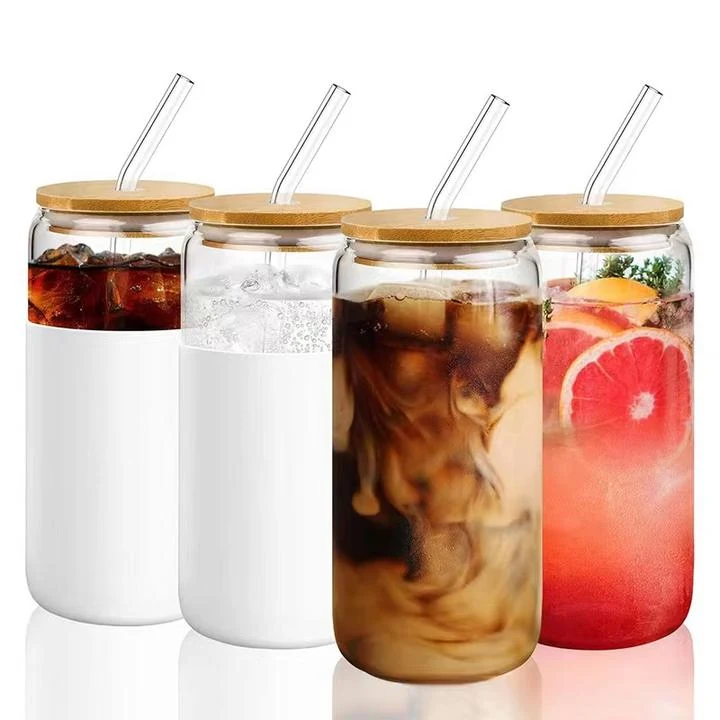
Nigeria’s glass manufacturing industry has been growing steadily, supported by strong domestic consumption and expanding industrial capabilities. The demand for glass cups and drinkware is driven by the hospitality sector, urbanization, and lifestyle changes. As hotels, restaurants, and cafés multiply across major cities like Lagos and Abuja, glass cup production has become an essential part of the country’s consumer goods sector.
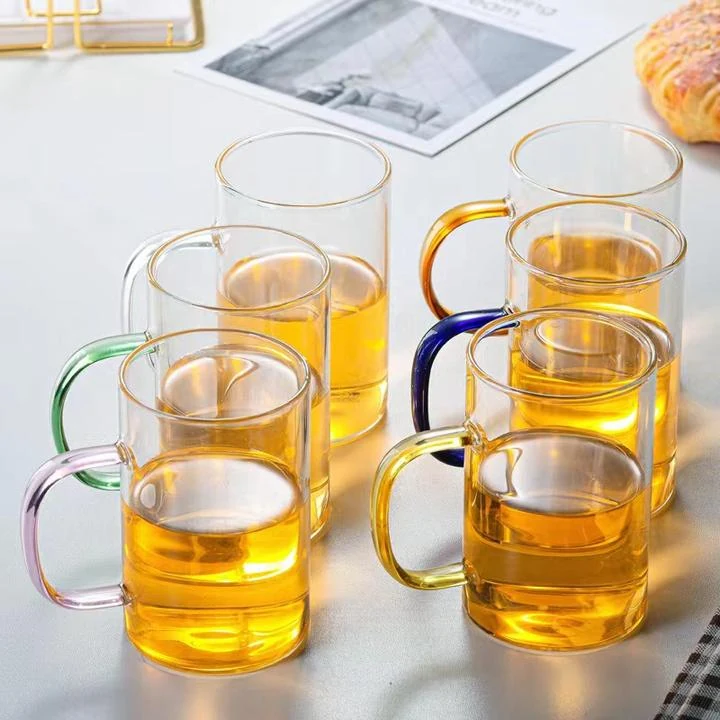
The Nigerian market benefits from a young population and a rising middle class. With more people seeking stylish and durable household products, local manufacturers are investing in affordable yet high-quality glassware. The growth of modern retail chains and online marketplaces such as Jumia and Konga has also expanded distribution, allowing both local and imported brands to reach a broader audience.
Government initiatives promoting local manufacturing under the “Made in Nigeria” campaign have further boosted the sector. Policies encouraging import substitution and industrial self-sufficiency are leading more companies to establish glass factories and modernize existing ones. This shift has attracted investment in energy-efficient furnaces and recycling programs, aligning Nigeria’s glass industry with global sustainability trends.
Part 2: Leading Companies
Beta Glass PLC

Beta Glass PLC, founded in 1974 and headquartered in Lagos, is Nigeria’s largest glass container and tableware manufacturer. The company produces a wide variety of glass products, including bottles, tumblers, and cups. It operates two major plants in Agbara (Ogun State) and Delta State, with a production capacity that serves both domestic and regional markets.
The company serves industries such as hospitality, beverage, and household goods. Its products are trusted by leading beverage companies and restaurants across West Africa. Beta Glass is known for its consistent quality, durability, and eco-friendly production practices.
Technological highlights include advanced molding systems and continuous glass melting furnaces. The company recycles significant amounts of cullet (recycled glass), reducing energy use. Beta Glass holds ISO 9001 and ISO 14001 certifications, underscoring its commitment to quality and environmental management.
Frigoglass Industries Nigeria Ltd.
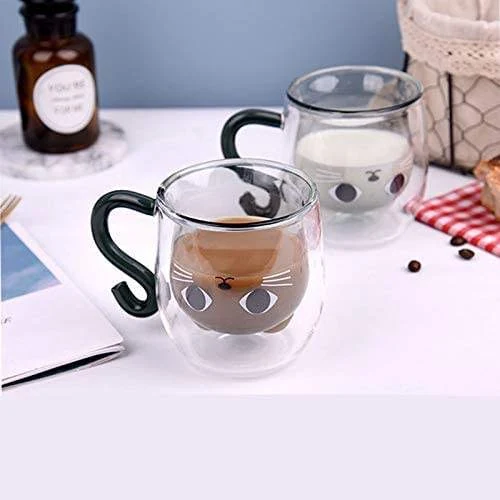
Frigoglass Industries Nigeria Ltd., a subsidiary of Frigoglass Group, operates one of West Africa’s most sophisticated glass manufacturing facilities. Established in 1957, it focuses on beverage packaging and tableware products, including glass cups and drinkware. The company combines global expertise with local production strength to serve clients such as Coca-Cola, Heineken, and Guinness Nigeria.
Frigoglass caters mainly to the food and beverage industry but also produces glassware suitable for restaurants, hotels, and retail distribution. Its local operations provide thousands of jobs and contribute significantly to Nigeria’s manufacturing GDP.
Its technology includes high-efficiency furnaces, automated inspection systems, and energy recovery systems. Frigoglass Nigeria is ISO 9001 certified and has received multiple awards for innovation and sustainable practices, including recognition from the Manufacturers Association of Nigeria (MAN).
Daystar Glass Nigeria Ltd.

Daystar Glass Nigeria Ltd., based in Ogun State, is a growing manufacturer specializing in architectural and household glassware. Founded in 2006, it has expanded into the production of tableware and drinking glasses for hotels and home use. The company focuses on producing stylish yet cost-effective glass cups that cater to the needs of local retailers and hospitality clients.
Daystar serves industries such as catering, home décor, and retail distribution. Its diverse catalog includes tumblers, mugs, and custom-branded glass cups. By offering design flexibility, it appeals to businesses seeking personalized drinkware.
Its key innovation lies in semi-automated production lines that blend efficiency with handcrafted finishes. The company follows strict quality control and environmental safety standards, and it continues to invest in recycling and raw material sourcing to promote sustainability.
| Company | Founded | Core Products | Industries | Certifications |
|---|---|---|---|---|
| Beta Glass PLC | 1974 | Cups, Bottles, Containers | Beverage, Hospitality | ISO 9001, ISO 14001 |
| Frigoglass Industries Nigeria Ltd. | 1957 | Glass Cups, Drinkware, Packaging | Beverage, Retail | ISO 9001 |
| Daystar Glass Nigeria Ltd. | 2006 | Cups, Tumblers, Custom Glassware | Retail, Hospitality | Local Standards Certifications |
Part 3: Trade Shows and Industry Events
Nigeria Manufacturing & Equipment Expo (NME Expo)
The Nigeria Manufacturing & Equipment Expo, held annually in Lagos, is the largest industrial event in West Africa. It focuses on promoting local manufacturing, including materials, machinery, and finished products. Glass cup manufacturers use this platform to present new technologies and connect with distributors, hospitality buyers, and industrial partners.
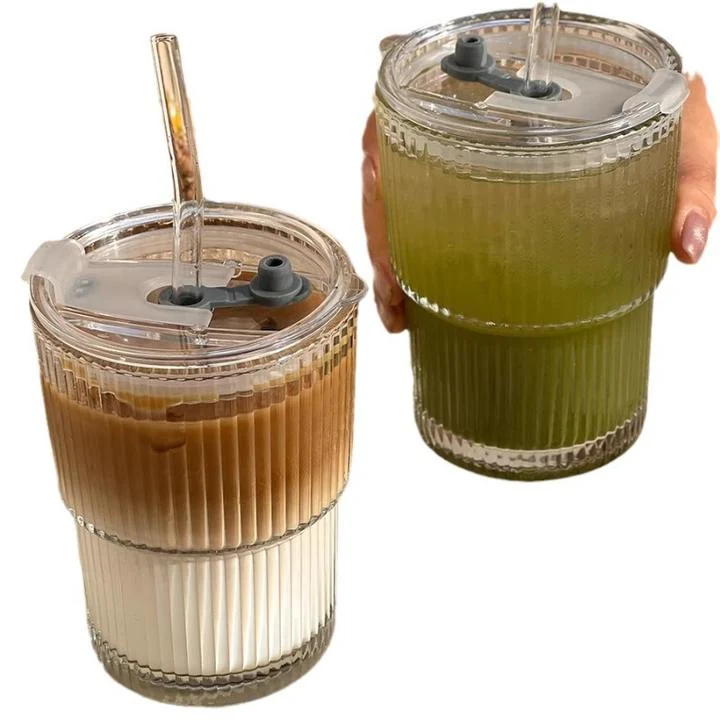
The event typically takes place in March and attracts over 5,000 professionals. Exhibitors showcase their products and innovations in automation, sustainability, and glass production. Key highlights include workshops on energy efficiency and recycling in manufacturing, which are crucial for the glass industry.
Lagos International Trade Fair
The Lagos International Trade Fair, organized by the Lagos Chamber of Commerce and Industry (LCCI), is one of Nigeria’s most recognized commercial events. It brings together thousands of exhibitors from local and international markets, covering sectors from consumer goods to industrial equipment. Glass cup manufacturers participate to introduce new designs and explore export opportunities within Africa.
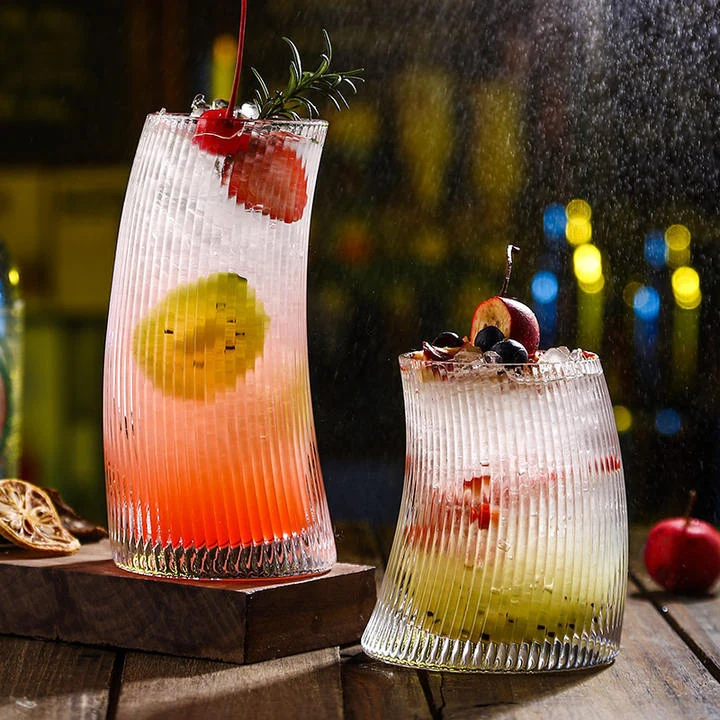
The fair usually runs in November and serves as a key meeting point for importers, exporters, wholesalers, and retail chains. It also provides a platform for networking, brand exposure, and building partnerships with regional distributors. For glass cup producers, it’s an opportunity to demonstrate craftsmanship, design flexibility, and quality assurance.
| Event | Date | Location | Highlights |
|---|---|---|---|
| Nigeria Manufacturing & Equipment Expo | March (Annual) | Lagos | Industry Technology, Sustainable Manufacturing |
| Lagos International Trade Fair | November (Annual) | Lagos | B2B Networking, Consumer & Export Markets |
Part 4: Impact of Global Trade Policies
Nigeria’s glass manufacturing sector operates within a complex framework of global trade and local policy. Import tariffs on finished glass products have been raised to encourage domestic production. This protectionist approach helps local manufacturers grow but also demands continuous improvement in efficiency and quality to remain competitive.

Nigeria’s participation in the African Continental Free Trade Area (AfCFTA) agreement has opened new opportunities for exports to neighboring countries. Manufacturers now enjoy easier access to markets in Ghana, C?te d’Ivoire, and Cameroon. However, competition from cheaper imports from Asia still poses challenges for local producers.
Global supply chain disruptions and currency fluctuations have influenced raw material costs. Since glass production requires silica sand, soda ash, and energy, any changes in these prices directly affect profitability. Nigerian companies are adapting by sourcing local raw materials and investing in renewable energy to stabilize costs and reduce dependence on imports.
Environmental standards are also shaping trade opportunities. Many global buyers now require certifications for sustainability and energy efficiency. This has encouraged Nigerian manufacturers to adopt eco-friendly furnaces, recycling programs, and energy recovery systems, aligning with global ESG (Environmental, Social, and Governance) expectations.
The Nigerian government continues to provide incentives for industries investing in cleaner technologies. As part of the “Green Manufacturing Policy,” companies that demonstrate energy efficiency or recycling initiatives receive tax benefits. This policy framework not only strengthens local industry but also makes Nigerian glass products more appealing to eco-conscious importers.
Part 5: Conclusion
Nigeria’s glass cup manufacturing industry is evolving rapidly, blending tradition with modern technology. From large-scale producers like Beta Glass and Frigoglass to growing firms like Daystar Glass, the sector reflects the country’s broader industrial transformation. Local manufacturers are increasingly adopting global standards in design, sustainability, and production efficiency.
The road ahead includes both opportunities and challenges. Rising energy costs, infrastructure gaps, and import competition remain key issues. Yet, these same pressures drive innovation and investment in renewable energy and recycling. With continued government support and private sector initiative, Nigeria is positioned to become a regional hub for high-quality glass cup production.
As consumer lifestyles modernize and regional trade integration deepens, demand for locally produced, eco-friendly, and customizable glassware will continue to grow. For both domestic and international markets, Nigerian glass cup manufacturers are proving that quality and sustainability can go hand in hand—shaping a bright future for the nation’s glass industry.
Recommended Reading:
- Glass Cup Manufacturer Argentina
- Glass Cup Manufacturer Israel
- Glass Cup Manufacturer Norway
- Glass Cup Manufacturer UAE
- Glass Cup Manufacturer Austria
- Glass Cup Manufacturer Ireland
- Glass Cup Manufacturer Thailand
- Glass Cup Manufacturer Belgium
50ml Mini Champagne Bottles Wholesale
Glass Bottle Manufacturers in Latvia
100ml 200ml Glass Yogurt Pudding Jar With Cork Lid Spoon
Glass Bottle Manufacturers in Indonesia