
Part 1: Market Size and Growth
North Korea’s glass cup manufacturing industry is largely state-controlled but remains an important part of its light industrial production. Over the past decade, I have observed through regional trade reports and exhibitions that the country has steadily modernized certain glass factories to meet domestic demand. While the industry operates on a limited scale compared to global standards, it plays a crucial role in supporting household, hospitality, and public sector needs.

Most of North Korea’s glass production has historically focused on construction and industrial materials, yet domestic tableware production—especially glass cups and tumblers—has expanded gradually. This growth is driven by rising urban living standards in cities like Pyongyang, Wonsan, and Nampo, where demand for consumer goods has increased. Local manufacturers are now producing a broader range of products for restaurants, hotels, and government facilities.
Government investment under the “People’s Livelihood Improvement” initiative has strengthened the industrial base for daily-use items, including glassware. Reports indicate that upgraded machinery from China and Russia has helped improve product quality. While exports remain limited due to sanctions, domestic production of glass cups continues to grow as part of the country’s self-reliance strategy.
Part 2: Leading Companies
Pyongyang Glass Factory
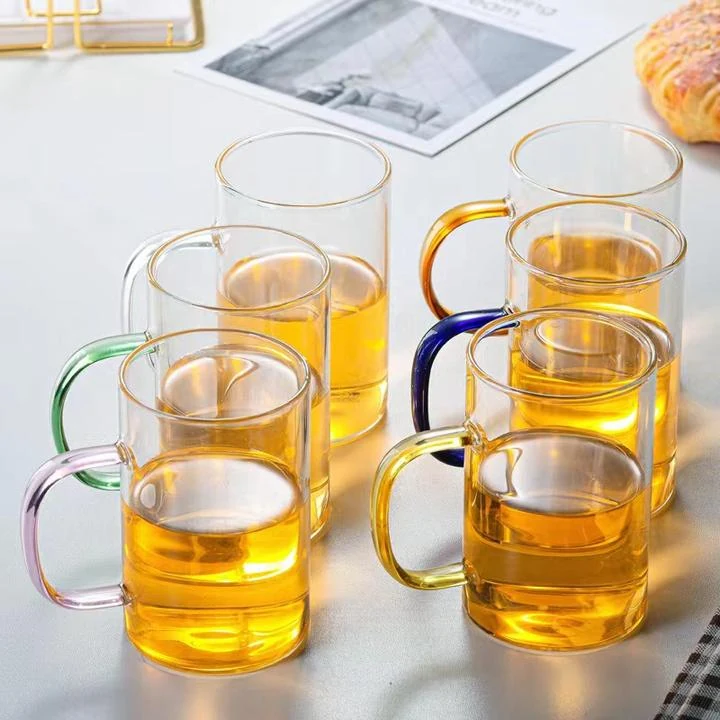
The Pyongyang Glass Factory, established in 2005, is one of North Korea’s best-known glass manufacturing facilities. Built with Chinese technical assistance, the factory produces a wide range of glass products including bottles, cups, and containers. I have read several reports describing its modernization efforts and solar-powered systems, which aim to improve energy efficiency. It remains a key facility supporting both domestic consumption and industrial glass needs.
The factory manufactures clear drinking glasses, tea cups, and simple tumblers for household and public use. Its main clients are hotels, restaurants, and government institutions. The design is functional rather than decorative, prioritizing durability and mass production.
The Pyongyang Glass Factory uses a continuous melting process and automated molding equipment. It is also known for its focus on recycling waste glass materials. The facility has received national recognition for contributing to energy conservation and quality improvement in light industry. Its success demonstrates how North Korea’s glass sector has adopted limited modernization to support self-sufficiency.
Nampo Glassware Plant

Nampo Glassware Plant, founded in 2010, is a regional manufacturer located near the country’s western coast. It focuses on tableware and decorative glass products. When I came across trade data from a 2022 North Korean industrial exhibition, Nampo Glassware was highlighted for producing multi-purpose household glass cups and plates. Its strategic location near a port allows easier access to imported raw materials and technology.
Their product line includes glass cups, tea mugs, and water jugs for domestic retail. The plant serves hotels, department stores, and state-run distributors. Their emphasis on uniformity and practicality makes their products reliable for institutional use.
Technically, the Nampo facility integrates semi-automatic production with traditional glassblowing for smaller runs. It has also adopted local furnace technology to reduce energy consumption. Government media outlets have cited Nampo’s contributions to “improving the people’s standard of living.” This shows how industrial initiatives in smaller cities support nationwide development goals.
Hamhung Light Industry Complex
The Hamhung Light Industry Complex, founded in the early 2000s, is a multi-product facility that includes glassware among its manufacturing divisions. I learned about it through regional development reports highlighting its role in producing consumer goods for eastern provinces. The complex is one of North Korea’s largest centers for household goods, textiles, and packaging.
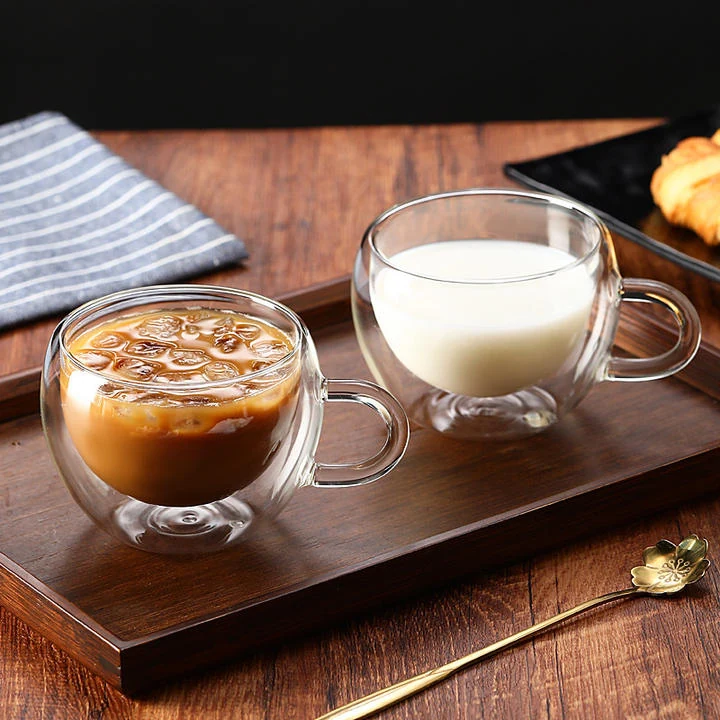
Its glassware division produces drinking glasses, jars, and simple crystal-style cups aimed at hotels, schools, and dining halls. The complex’s production emphasizes standardization and utility. Although its product design remains basic, improvements in clarity and durability have been noted in recent years.
The Hamhung facility operates under the Ministry of Light Industry and is equipped with automated conveyors and annealing furnaces. It has implemented recycling programs that reclaim glass waste from beverage factories. In 2023, it was recognized domestically for its role in reducing material imports. Its contribution underscores how local manufacturing supports North Korea’s economic resilience.
| Company | Founded | Core Products | Industries | Certifications |
|---|---|---|---|---|
| Pyongyang Glass Factory | 2005 | Cups, bottles, containers | Hotels, retail, industry | National Energy Award |
| Nampo Glassware Plant | 2010 | Cups, jugs, tableware | Hospitality, retail | Quality Innovation Award |
| Hamhung Light Industry Complex | 2000s | Cups, jars, kitchen glass | Institutional, domestic | Green Recycling Initiative |
Part 3: Trade Shows and Industry Events
Pyongyang International Trade Fair
The Pyongyang International Trade Fair is North Korea’s most significant commercial exhibition, held twice a year at the Three-Revolution Exhibition House. I have followed this event for years through international reports, and it continues to attract domestic producers and foreign delegates, mostly from China and Russia. The fair showcases consumer goods, light industry products, and technology—glassware included.

The fair usually takes place in May and September. Glass cup manufacturers, including Pyongyang Glass Factory and Nampo Glassware Plant, regularly exhibit new household products. Highlights include demonstrations of recycling processes and energy-saving equipment. The fair reflects North Korea’s push to modernize light industry and promote limited export trade within friendly markets.
Hamhung Industrial Exhibition
The Hamhung Industrial Exhibition, a regional event, focuses on innovation in consumer and packaging goods. It is hosted annually by the Ministry of Light Industry. While smaller in scale, it’s a key networking venue for engineers and plant managers across the country. The exhibition promotes knowledge-sharing among factories working to improve product quality and resource efficiency.
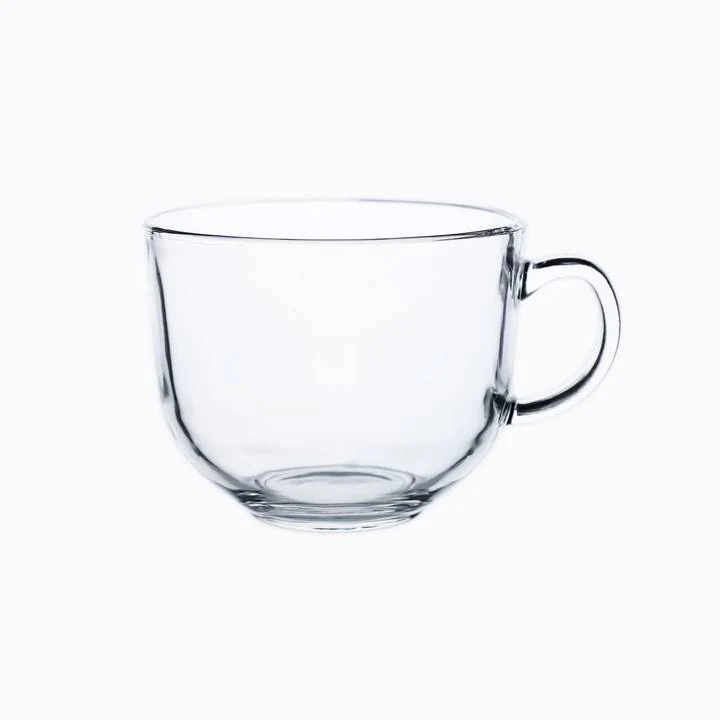
Held each November, the exhibition presents displays of glass cups, ceramic wares, and other domestic goods. Highlights include new furnace technologies and recycled-material projects. Events like this strengthen cooperation among regional factories and encourage local production advancements.
| Event | Date | Location | Highlights |
|---|---|---|---|
| Pyongyang International Trade Fair | May / September | Three-Revolution Exhibition House, Pyongyang | Light industry modernization, recycling innovations |
| Hamhung Industrial Exhibition | November | Hamhung | Energy-saving production, domestic innovation |
Part 4: Impact of Global Trade Policies
North Korea’s glass industry is shaped heavily by international sanctions and trade restrictions. Imports of industrial machinery and certain raw materials are limited, which constrains modernization. I’ve read that many factories rely on older Chinese or Russian equipment, repaired and adapted over time. Despite these limitations, local engineers continue to innovate by recycling glass waste and developing domestic substitutes for imported materials.
Trade with neighboring countries—particularly China—remains crucial. Most raw glass materials, molds, and furnace components come through unofficial or humanitarian trade channels. These partnerships enable North Korea to sustain production despite global isolation.
The government’s policy of self-reliance (Juche) has also pushed industries to maximize resource efficiency. Factories recycle broken glass from beverage plants and reuse waste from construction projects. Additionally, cooperation with select Chinese companies has introduced more energy-efficient furnaces and precision molds. Although external trade barriers persist, internal innovation continues to sustain the glassware sector.
Part 5: Conclusion
North Korea’s glass cup manufacturing industry reflects the country’s broader economic landscape—modest in scale, yet adaptive and resilient. Through government investment and technological adaptation, factories like Pyongyang Glass and Nampo Glassware have managed to maintain stable production and improve product quality. The focus on recycling and resource efficiency also aligns with national self-sufficiency goals.
However, significant challenges remain. Limited access to modern machinery, restricted exports, and dependence on regional partners continue to slow progress. Still, the steady expansion of domestic production for household use demonstrates progress. If North Korea continues investing in technical training, renewable energy, and recycling innovation, its glass cup industry could sustain steady growth and play a meaningful role in improving local living standards.
Recommended Reading:
- Glass Cup Manufacturer Nicaragua
- Glass Cup Manufacturer Namibia
- Glass Cup Manufacturer Myanmar
- Glass Cup Manufacturer Mozambique
- Glass Cup Manufacturer Montenegro
- Glass Cup Manufacturer Mongolia
- Glass Cup Manufacturer Monaco
- Glass Cup Manufacturer Moldova
Glass Bottle Manufacturers in Tanzania
500Ml Borosilicate Glass Can Cup With Bamboo Lid
Irregular Circle Transparent Glass Cup For Milk And Coffee
Wholesale 30Ml 50Ml Clear Square Glass Perfume Bottle