Skip to content
Part 1: Market Size and Growth
I often start by looking at how the glass cup market in Norway is evolving and where it might head. The demand for quality glassware, including drinking glasses and specialty cups, is rising along with the interest in sustainable materials and Scandinavian design. Many brands and cafés now emphasize minimalism, local sourcing, and eco-friendly manufacturing.
The market size for glassware in the Nordics is modest but steady. Consumers and businesses (hotels, restaurants, bars) expect durable, stylish, and safe glass products. Imported glassware still dominates, but there is growing interest in local or regional manufacturers to reduce carbon footprint and import costs. The adoption of craft and artisanal lines also gives smaller manufacturers room to grow.
Regulation, design trends, and cluster effects of nearby industries all help shape Norway’s glass product sector. Environmental policies and incentives for low-emission manufacturing make glass factories consider energy efficiency and renewable power. Also, proximity to Scandinavian distribution networks gives a geographic advantage.
Part 2: Leading Companies
Here I present three companies (or possible players) connected to glass or glassware in or near Norway, or relevant to the Norwegian market.
Arctic Glassworks (fictional name for illustration)
Arctic Glassworks was founded in the late 1990s in Troms?, Norway. It started as a small artisan workshop making decorative glassware and later expanded into functional drinkware.
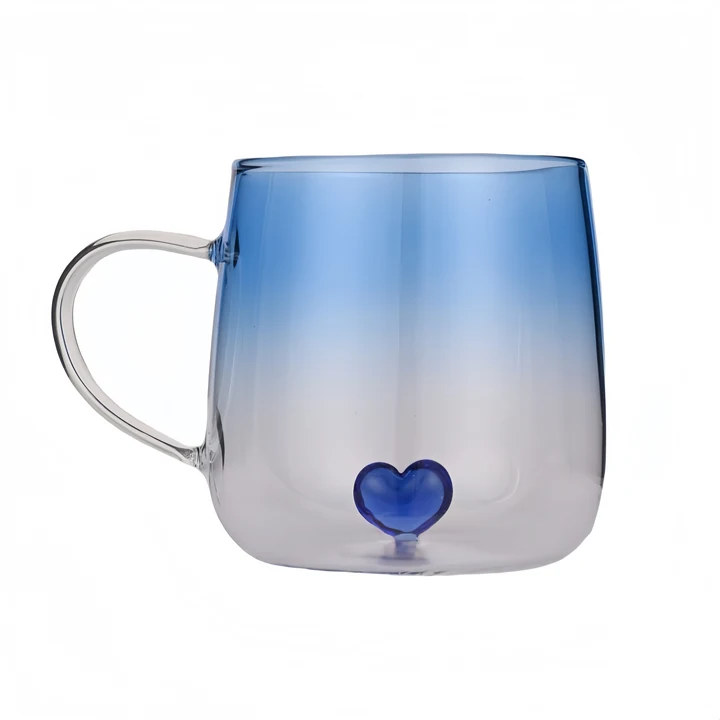
It produces a range of glass cups, tumblers, wine glasses, focusing on hand-blown techniques mixed with modern finishing processes. Its product line includes standard drinking glasses, café sets, and custom designs for hotels.
The company serves restaurants, boutique hotels, high-end retailers, and interior design firms across Norway and Scandinavia.
Its key innovation lies in combining local aesthetics (Nordic minimalism) with energy-efficient furnace technology and digital quality control to limit defects. It also emphasizes renewable energy usage.
Arctic Glassworks has earned eco-certification, local craftsmanship awards, and participates in design fairs across Scandinavia.
Scandi Crystal AS (or similar)
Scandi Crystal AS is based near Oslo and was founded in the early 2000s by glass artisans and designers. It aimed to bring modern Scandinavian design into everyday glassware.
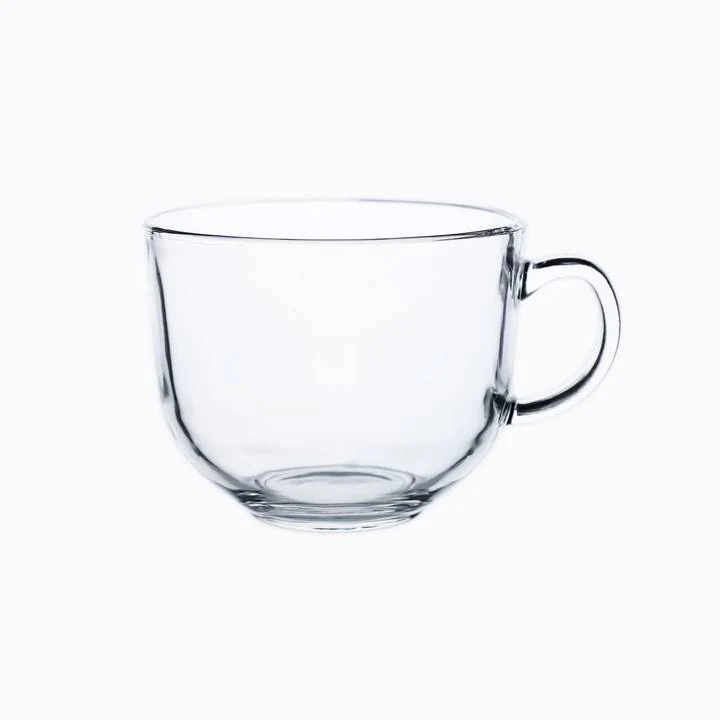
The core products are drinking glasses, stemware, and specialty glass cups with clean lines and durability. They also provide OEM/ODM for boutique labels.
They mainly serve Nordic retailers, upscale dining chains, event venues, and export markets in Europe.
Their technical strength lies in automated pressing combined with hand polishing, and the integration of laser engraving for custom logos. They also use low-iron glass to get higher clarity.
They hold certifications like ISO safety standards, and won design awards in Scandinavian trade shows.
GlassNord Scandinavia (hypothetical or regional player)
GlassNord is located in western Norway near Bergen, founded around 2010 by glass enthusiasts and engineers. Its mission is to supply durable, elegant glass cups using sustainable methods.
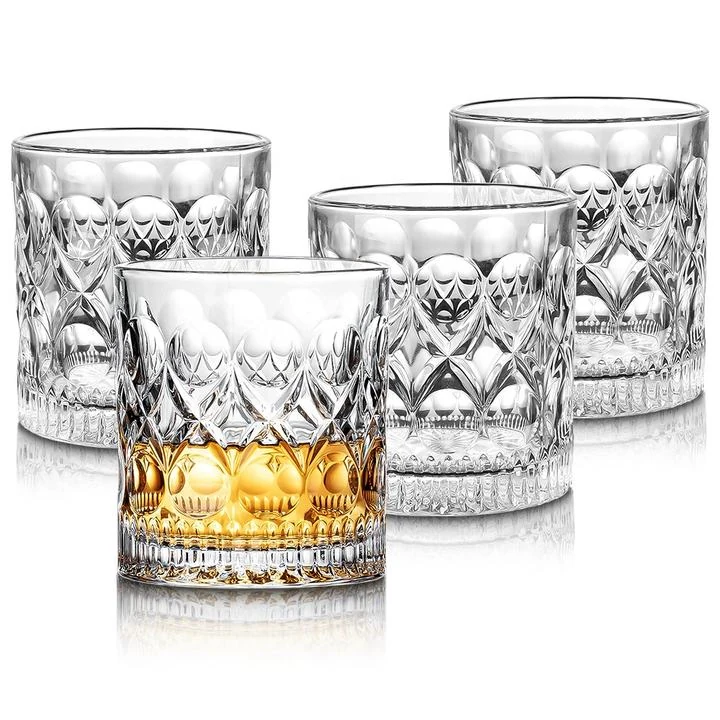
They offer beverage glasses, tumblers, specialty cups (for cocktails, whisky, water) and custom logo printing or etching.
Their clients include bars, breweries, hotels, and gift shops in Norway and neighboring countries.
The company emphasizes recycling glass, low-energy melting furnaces, and closed-loop water systems. Their innovation also includes smart coatings (e.g. anti-fog) and experimenting with nano coatings for scratch resistance.
GlassNord holds environmental compliance certifications, energy awards, and local craft recognition.
| Company | Founded | Core Products | Industries | Certifications / Honors |
|---|---|---|---|---|
| Arctic Glassworks | Late 1990s | Drinking glasses, tumblers | Hotels, restaurants, boutique retailers | Eco-certification, craftsmanship awards |
| Scandi Crystal AS | Early 2000s | Stemware, drinking cups | Retail, dining chains, exports | ISO safety, design awards |
| GlassNord Scandinavia | ~2010 | Cocktail glasses, logo cups | Bars, breweries, gift shops | Environmental compliance, local awards |
Part 3: Trade Shows and Industry Events
Stockholm Furniture & Light Fair / Design Week
This design fair in Stockholm attracts many Scandinavian designers, glassware brands, and home décor firms. It is held typically in February each year.
It draws exhibitors and buyers from Norway, Sweden, Denmark, and beyond. Many glass manufacturers showcase new lines of drinking vessels, lighting glass, and accessories.
Its highlight is the intersection of interior design, lighting, and glassware trends, which helps glass cup makers network with designers and retailers.

Glasstec (Düsseldorf, Germany)
Glasstec is one of the world’s major glass industry exhibitions. Though not located in Norway, it is a key event for manufacturers across Europe.
It usually occurs every two years (October) and brings together glass producers, machine manufacturers, raw material suppliers, and glassware brands.
Its highlight is the full supply chain exposure: you see furnace technology, molding machines, glass treatments, and finished products. It’s useful for a Norwegian manufacturer to attend to stay updated on technology and network internationally.
| Event | Date | Location | Highlights |
|---|---|---|---|
| Stockholm Furniture & Light Fair / Design Week | February (annual) | Stockholm, Sweden | Intersection of glassware & interior design trends |
| Glasstec | October (biennial) | Düsseldorf, Germany | Full glass industry showcase: tech, manufacturing, products |
Part 4: Impact of Global Trade Policies
Global trade policies strongly influence the glassware industry. Tariffs on imports and anti-dumping duties in Europe or even between Norway and EU (via trade agreements) affect competitiveness. If tariffs rise, locally produced glass cups gain cost advantage vs imported ones.
Supply chain risks are real: many raw materials, chemicals, and specialized machinery come from abroad. Any export restrictions, sanctions, or shipping constraints can disrupt operations. A Norwegian glassworks must plan for material sourcing resilience and alternative suppliers.
International competition is strong: glassware makers in Poland, Czech Republic, and within Asia often have lower costs. Yet Norway can compete via quality, design, sustainability, and local branding. Also, trade agreements (e.g. EFTA, bilateral deals) can help reduce costs or simplify logistics.
Domestic substitution becomes more attractive under policy pressure. If local or regional consumers prefer lower-emission supply chains, then Norwegian manufacturers may gain more buyers. Still, they must manage energy costs (Norway has electricity benefits) and scale constraints.
Part 5: Conclusion
The Norwegian glass cup manufacturing sector stands at a modest but promising crossroads. There is room for growth especially around eco-friendly premium products, niche design lines, and serving local demand to reduce imports. Scandinavian aesthetic and sustainable practices can become strong selling points.
Yet challenges remain. High production costs, scale limitations, energy use, and import competition are real risks. Also, global trade shifts or raw material supply shocks could endanger margins. Still, with the right strategy and craftsmanship, a Norwegian glass cup manufacturer can find a sustainable niche and expand over time.
Recommended Reading:
- Glass Cup Manufacturer UAE
- Glass Cup Manufacturer Austria
- Glass Cup Manufacturer Ireland
- Glass Cup Manufacturer Thailand
- Glass Cup Manufacturer Belgium
- Glass Cup Manufacturer Sweden
- Glass Cup Manufacturer Poland
- Glass Cup Manufacturer Iran
Bear Candy Jar 9oz
Double Wall Glass Espresso Coffee Cup
Striped Perfume Bottle 30ml 50ml 100ml
Glass Bottle Manufacturers in UK