Skip to content
Part 1: Market Size and Growth
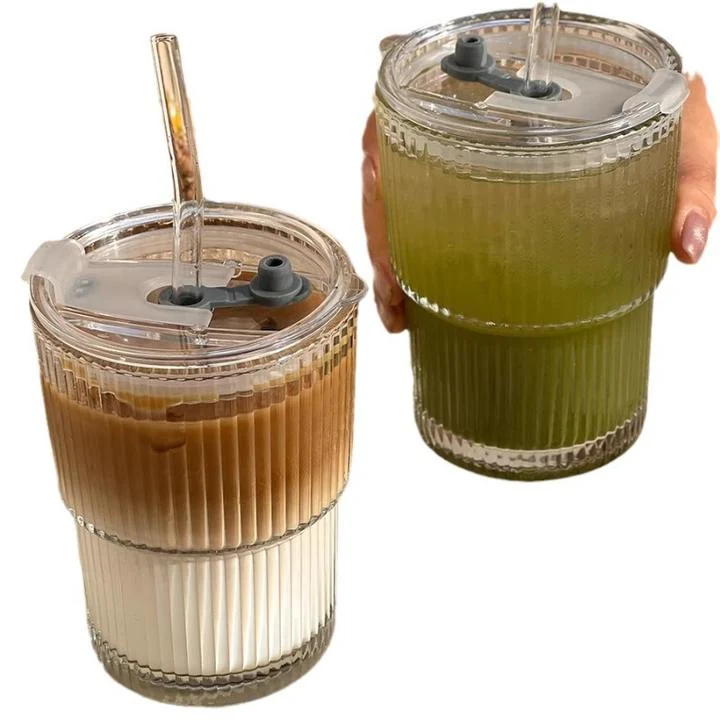
Pakistan’s glass manufacturing industry is a key contributor to the country’s industrial landscape, serving both domestic and export markets. The demand for glass cups, tumblers, and household glassware has risen steadily, fueled by population growth, urbanization, and expanding hospitality and retail sectors. As more cafés, hotels, and restaurants open across major cities like Karachi, Lahore, and Islamabad, the market for durable and affordable glass cups continues to expand.
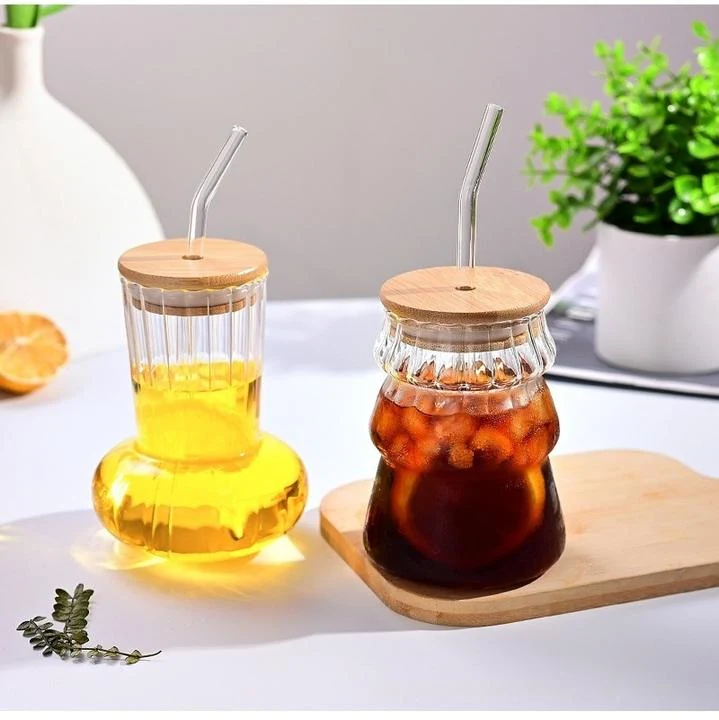
The industry benefits from Pakistan’s access to abundant raw materials such as silica sand, limestone, and soda ash—essential for glass production. Local manufacturers are using these advantages to modernize production lines and improve quality standards. Consumers are also shifting toward reusable and eco-friendly glassware, increasing demand for high-quality glass cups that combine functionality with aesthetics.
Government initiatives under Pakistan Vision 2025 encourage industrial diversification and export-oriented growth. The introduction of energy efficiency programs and manufacturing incentives has supported investments in the glass sector. These policies aim to strengthen local production capabilities, reduce import dependency, and enhance competitiveness in global markets.
Part 2: Leading Companies
Tariq Glass Industries Ltd.
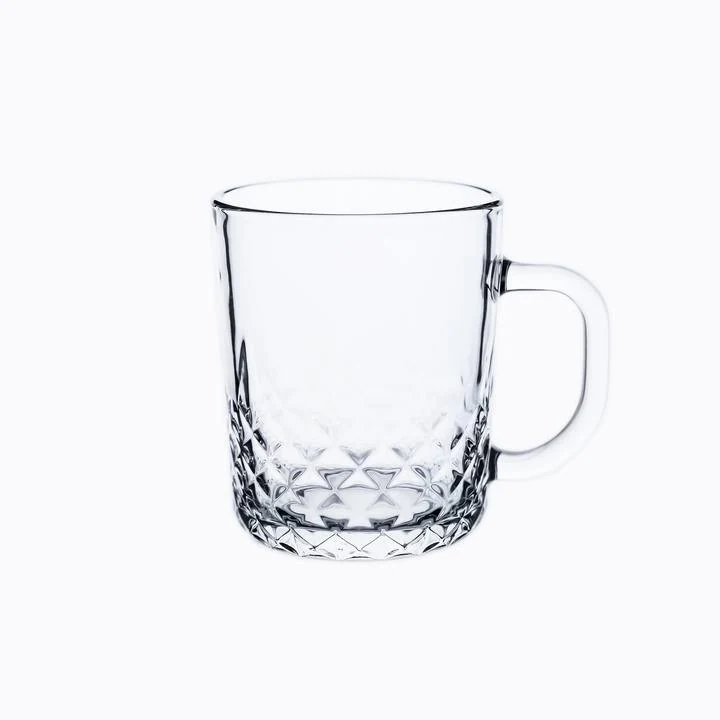
Tariq Glass Industries Ltd., established in 1978, is Pakistan’s largest and most well-known glass manufacturer. The company produces a wide range of products, including glass cups, tumblers, bottles, and tableware under the brands Toyo Nasic, Omroc, and Nova. It operates advanced facilities in Sheikhupura with cutting-edge production and quality control systems.
Tariq Glass serves the hospitality, beverage, and retail industries. Its glass cups are known for clarity, strength, and stylish design, catering to both domestic and export markets. The company exports to more than 40 countries, including the Middle East, Africa, and Europe.
Technological highlights include fully automated forming machines, precision annealing furnaces, and eco-friendly production systems. Tariq Glass is ISO 9001 and ISO 14001 certified, demonstrating its commitment to quality and environmental responsibility.
Ghani Glass Limited
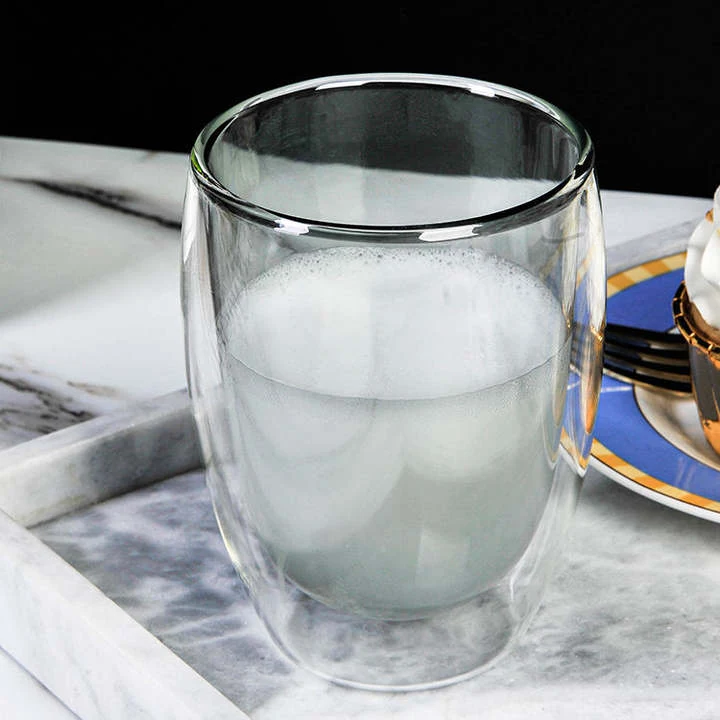
Ghani Glass Limited, founded in 1992, is another leading glass manufacturer in Pakistan, specializing in float glass, tableware, and drinkware. The company operates large-scale production facilities in Lahore and Haripur. Its glass cups are recognized for durability, fine finishing, and competitive pricing.
Ghani Glass serves the food and beverage, hospitality, and retail sectors, offering products for both mass-market and premium consumers. The company’s tableware division has expanded its portfolio to include customized glass cups and jars designed for international clients.
Technological strengths include state-of-the-art glass melting furnaces and advanced inspection systems. Ghani Glass is ISO 9001 certified and adheres to sustainable manufacturing standards. It has received several awards for excellence in industrial innovation and export growth.
Kiran Glass Industries
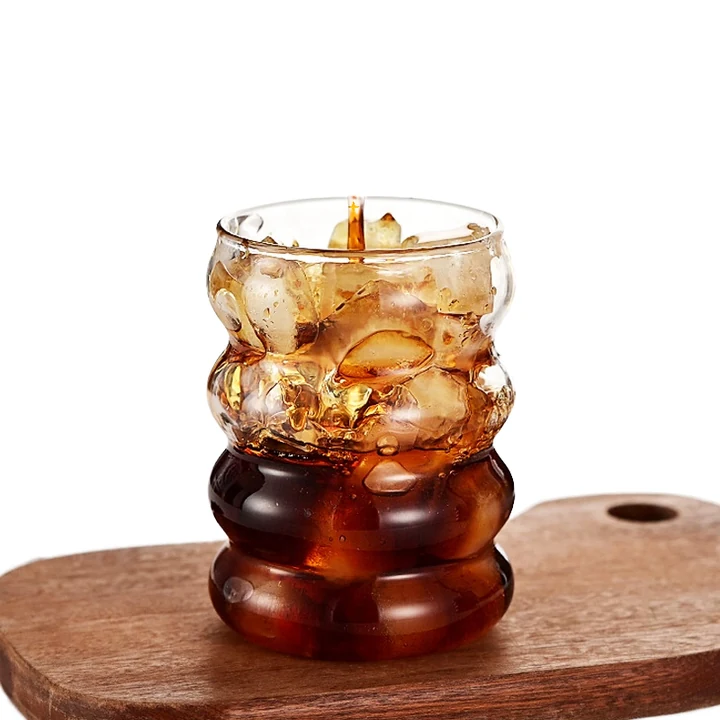
Kiran Glass Industries, based in Karachi and founded in 1985, focuses on artisanal and decorative glassware, including hand-crafted glass cups and tumblers. The company blends traditional glassblowing techniques with modern aesthetics to serve boutique retailers, restaurants, and interior designers. Its products highlight craftsmanship and cultural design influences.
Kiran Glass serves both local and international markets, exporting small-batch collections to the Middle East and South Asia. Its signature collections often feature engraved, colored, or textured glass cups designed for premium home and hospitality segments.
Technological highlights include semi-automated furnaces, recycled material usage, and design customization. The company has been recognized by the Trade Development Authority of Pakistan (TDAP) for promoting artisanal exports.
| Company | Founded | Core Products | Industries | Certifications |
|---|---|---|---|---|
| Tariq Glass Industries Ltd. | 1978 | Cups, Bottles, Tableware | Hospitality, Beverage | ISO 9001, ISO 14001 |
| Ghani Glass Limited | 1992 | Cups, Tableware, Float Glass | Retail, Food & Beverage | ISO 9001 |
| Kiran Glass Industries | 1985 | Handcrafted Glass Cups | Artisanal, Retail | TDAP Recognition |
Part 3: Trade Shows and Industry Events
Pakistan Industrial & Engineering Trade Fair (IETF)
The Pakistan Industrial & Engineering Trade Fair (IETF), held annually in Karachi, is one of the country’s largest exhibitions for manufacturing and industrial goods. Glass cup producers participate to showcase new technologies, energy-efficient systems, and design innovations.
The event attracts local and international exhibitors from various industries, including glass, ceramics, and packaging. Manufacturers use IETF as a platform to meet suppliers, distributors, and foreign buyers. The fair also features seminars on sustainability and digital transformation in manufacturing.
Pakistan Home Expo
The Pakistan Home Expo focuses on interior design, home décor, and lifestyle products. Glass cup manufacturers use this event to display collections for household and hospitality buyers, highlighting modern aesthetics and eco-friendly materials.

Held annually in Lahore, the expo attracts architects, retailers, and international importers. Exhibitors benefit from direct interactions with procurement managers from hotels, restaurants, and retail chains. The event emphasizes local craftsmanship, product innovation, and export opportunities for Pakistan’s design industry.
| Event | Date | Location | Highlights |
|---|---|---|---|
| Industrial & Engineering Trade Fair (IETF) | November (Annual) | Karachi | Industrial Innovation, Export Networking |
| Pakistan Home Expo | March (Annual) | Lahore | Design, Homeware, Eco Materials |
Part 4: Impact of Global Trade Policies
Pakistan’s glass manufacturing industry operates within a complex global trade framework that offers both opportunities and challenges. The country benefits from trade agreements with the European Union (GSP Plus), China, and several South Asian nations under SAFTA (South Asian Free Trade Area). These agreements provide tariff reductions and easier market access for Pakistani glass exports.
However, energy costs and supply chain fluctuations remain key challenges for the sector. Glass production is energy-intensive, and Pakistan’s periodic power shortages and fuel price volatility can disrupt operations. To mitigate this, manufacturers are investing in solar and hybrid energy systems to maintain stable production and reduce carbon footprints.
Environmental regulations and sustainability trends are also influencing production strategies. Many importers, particularly in Europe, now require suppliers to demonstrate eco-friendly practices. Pakistani glass companies have started adopting recycling programs, efficient furnaces, and waste management systems to meet international standards and improve brand image.
The Trade Development Authority of Pakistan (TDAP) and the Engineering Development Board (EDB) provide support through export grants, skill development programs, and incentives for technology upgrades. These initiatives are helping companies improve productivity, quality, and compliance with global requirements.
Global competition, especially from low-cost producers in China and Southeast Asia, continues to pressure local manufacturers. To remain competitive, Pakistani companies are focusing on value addition through design innovation, branding, and niche marketing—such as eco-friendly or handcrafted glass cups aimed at premium customers.
Pakistan’s strategic location also enhances its export potential. With access to ports in Karachi and Gwadar, the country can efficiently ship products to the Middle East, Africa, and Europe. Combined with government-backed industrial reforms, these advantages make Pakistan an emerging player in global glassware supply chains.
Part 5: Conclusion
Pakistan’s glass cup manufacturing industry reflects a blend of industrial strength, artisanal heritage, and sustainable ambition. From large-scale producers like Tariq Glass and Ghani Glass to creative studios such as Kiran Glass, the sector showcases diversity in design, production methods, and market focus.
The future of the industry depends on continued investment in modernization, renewable energy, and skilled labor. Manufacturers embracing automation, recycling, and eco-friendly materials will strengthen their competitiveness in both domestic and international markets. As global consumers favor durable and ethically produced goods, Pakistan’s glass industry has a clear path toward sustainable growth.
Despite challenges such as energy costs and competition, the country’s industrial base, resource availability, and export potential remain strong. Supported by government initiatives and private innovation, Pakistan’s glass cup manufacturers are well-positioned to become regional leaders, supplying the world with products that combine quality, craftsmanship, and sustainability.
As the demand for stylish, reusable glassware continues to grow worldwide, Pakistan’s industry stands ready to respond—with glass cups that reflect transparency, resilience, and a clear vision for a sustainable future.
Recommended Reading:
- Glass Cup Manufacturer Egypt
- Glass Cup Manufacturer Denmark
- Glass Cup Manufacturer Colombia
- Glass Cup Manufacturer Hong Kong
- Glass Cup Manufacturer Malaysia
- Glass Cup Manufacturer Philippines
- Glass Cup Manufacturer Bangladesh
- Glass Cup Manufacturer South Africa
Glass Bottle Manufacturers in Costa Rica
Glass Bottle Manufacturers in Tajikistan
What Are Yankee Candles and Why Are They So Expensive?
17Oz Leakproof Glass Coffee Cup With Straw And Lid