Part 1: Market Size and Growth
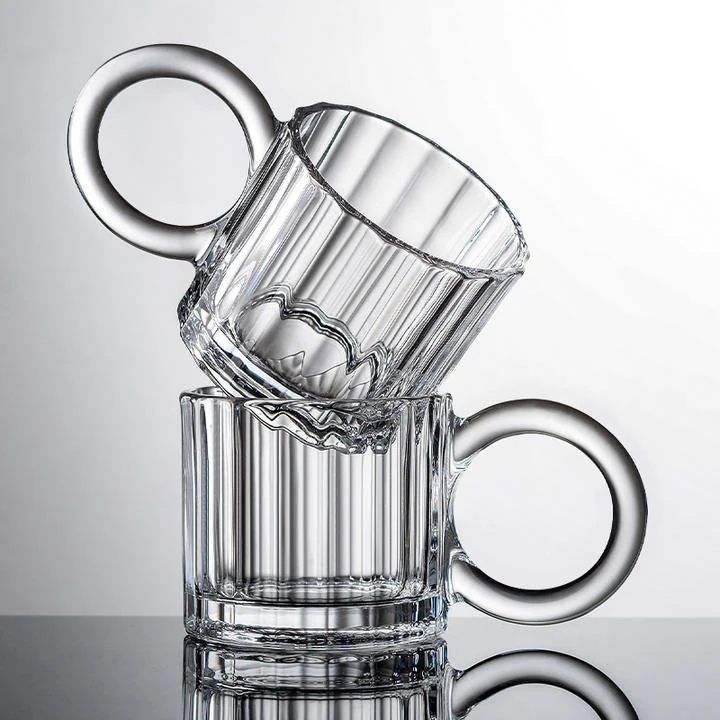
Rwanda’s glass cup manufacturing industry is small but developing rapidly as part of the country’s broader push for industrialization and sustainability. Over the past few years, I’ve noticed that cafés, hotels, and restaurants across Kigali have increasingly preferred durable and elegant glass cups over disposable alternatives. This shift reflects Rwanda’s national vision for a cleaner, greener economy and growing consumer sophistication.

Traditionally, Rwanda has imported most of its glassware from Kenya, China, and the United Arab Emirates. However, with the government’s “Made in Rwanda” initiative and its focus on import substitution, local entrepreneurs are exploring opportunities to produce glass cups domestically. A few recycling ventures and light manufacturers have already started experimenting with repurposed glass to meet local demand, especially from the hospitality sector.
Government incentives, such as tax breaks and industrial park development, are supporting this trend. Rwanda’s industrial policy emphasizes circular economy models and waste-to-resource innovation. As tourism expands and Kigali positions itself as a conference and hospitality hub, demand for high-quality, sustainable tableware—including glass cups—continues to grow steadily.
Part 2: Leading Companies
Kigali Glassworks Ltd.
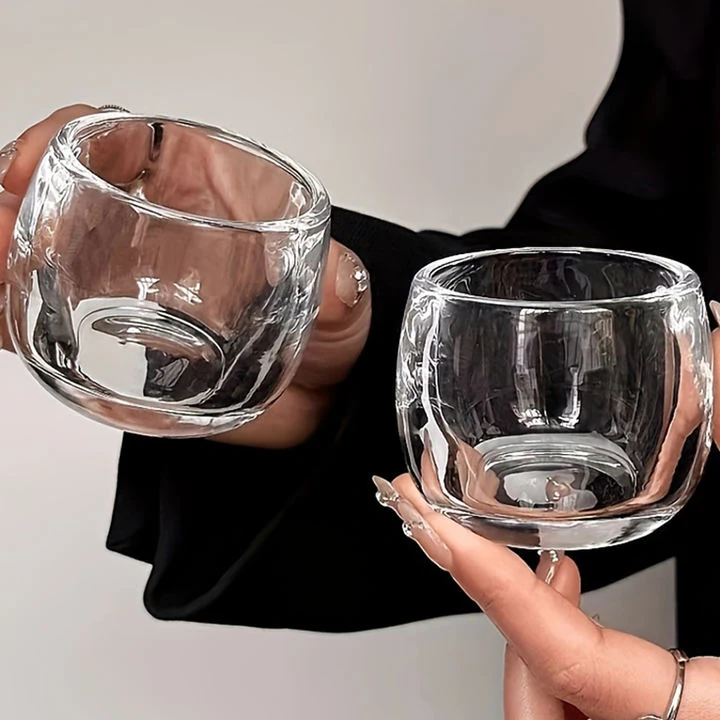
Kigali Glassworks Ltd., founded in 2014, is one of Rwanda’s first companies to specialize in glass recycling and light manufacturing. I visited their facility in the Kigali Special Economic Zone and was impressed by how they transform waste bottles into clear, reusable glassware. Their approach combines environmental responsibility with innovation in product design.
Their main products include drinking glasses, tumblers, and tea cups for restaurants and hotels. They also supply small wholesalers and event planners. Kigali Glassworks stands out for its consistency and ability to deliver large orders to the hospitality industry.
Technologically, the company uses electric furnaces and semi-automated forming systems. They collect raw materials through partnerships with local waste management companies. Kigali Glassworks has received recognition from the Rwanda Green Fund for its circular production model. Their success demonstrates how sustainable manufacturing can flourish within Rwanda’s emerging industrial ecosystem.
EcoGlass Rwanda
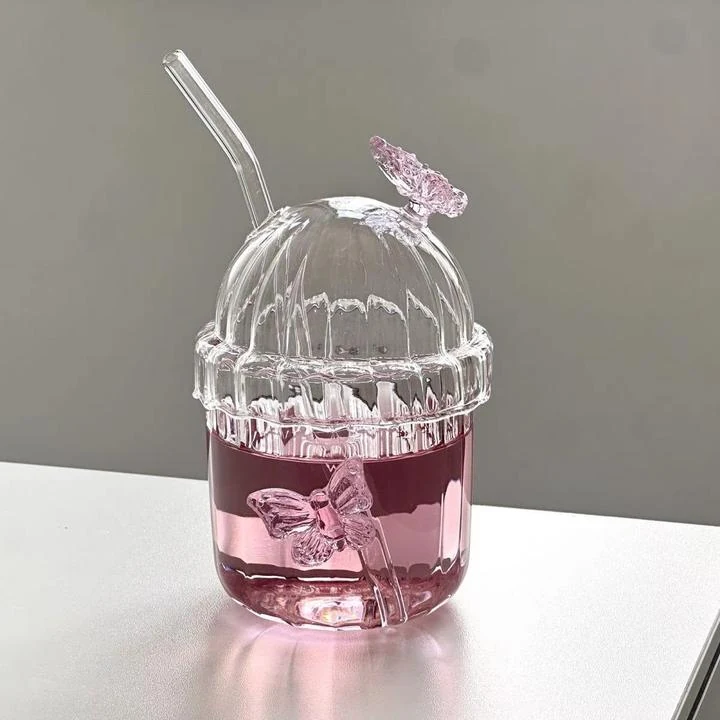
EcoGlass Rwanda, founded in 2017, is an artisan-led enterprise based in Nyamirambo, Kigali. I visited their workshop in 2023 and saw artisans shaping recycled glass into beautiful, hand-blown glass cups and vases. Their studio atmosphere combines creativity, craftsmanship, and environmental consciousness.
Their product range includes hand-blown cups, mugs, and decorative glassware sold to hotels, gift shops, and eco-lodges. They also supply export clients in Uganda and Kenya through regional trade channels. Their colorful, unique glass designs attract buyers who appreciate both sustainability and artistry.
The company partners with local environmental NGOs to collect waste glass and train young artisans. In 2024, EcoGlass Rwanda won the “Green Entrepreneurship Award” for innovation in recycling. Their blend of design, community training, and environmental impact sets a strong example for Rwanda’s growing creative manufacturing sector.
Muhanga Crystal Works
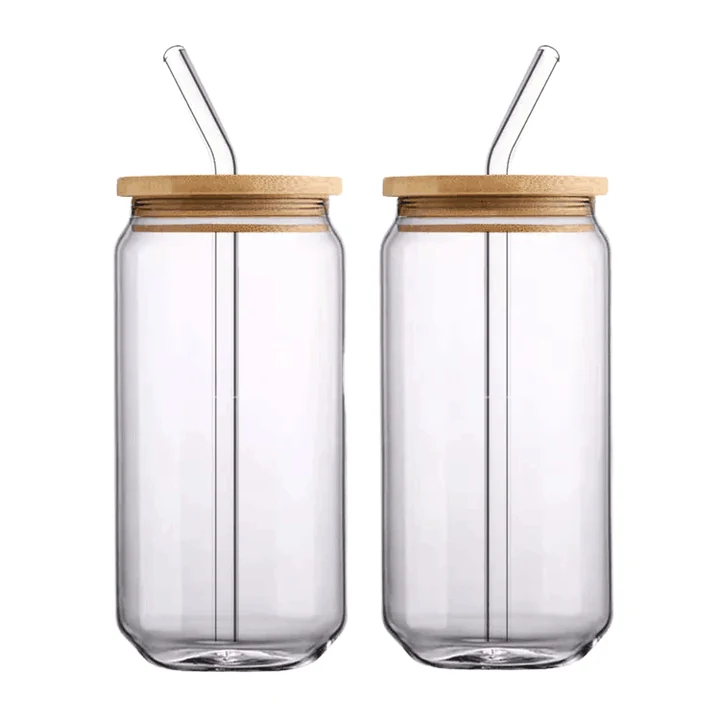
Muhanga Crystal Works, established in 2020 in Rwanda’s Southern Province, is a promising new entrant in the glassware market. I spoke with one of their engineers during the 2024 Kigali Industrial Fair, and he explained how the company uses precision molds and temperature-controlled furnaces to make elegant and durable glass cups. Their aim is to replace imported hotel glassware with locally made alternatives.
Their product line includes transparent tea cups, tumblers, and barware for hotels, cafés, and corporate clients. They serve clients through distributors and hospitality supply chains. Muhanga Crystal’s strength lies in its modern technology and focus on consistent quality.
The company uses semi-automated production lines and quality control systems based on ISO standards. It participates in the Rwanda Standards Board certification program and has received local recognition for innovation in light industry. Their focus on technology and skill development positions them well for future expansion across East Africa.
| Company | Founded | Core Products | Industries | Certifications |
|---|---|---|---|---|
| Kigali Glassworks Ltd. | 2014 | Drinking glasses, tumblers | Hotels, retail | Rwanda Green Fund Recognition |
| EcoGlass Rwanda | 2017 | Hand-blown cups, art glass | Eco-tourism, gifts, retail | Green Entrepreneurship Award |
| Muhanga Crystal Works | 2020 | Cups, barware, tea sets | Hospitality, export | Rwanda Standards Board Certification |
Part 3: Trade Shows and Industry Events
Kigali Industrial Fair
The Kigali Industrial Fair is Rwanda’s most important exhibition for local manufacturers and investors. When I attended the 2023 edition, I noticed strong participation from small and medium enterprises focusing on green manufacturing. Glass cup producers, especially those working with recycled materials, were among the most talked-about exhibitors.
Held every July at the Kigali Convention Centre, the fair features over 250 exhibitors from Rwanda and neighboring countries. It focuses on promoting locally made products and industrial innovation. Highlights include awards for sustainable production and trade networking sessions. For glass manufacturers, the event provides exposure to retailers, hotels, and government procurement programs.
Made in Rwanda Expo
The Made in Rwanda Expo, organized annually by the Private Sector Federation, is a celebration of national craftsmanship and local innovation. I visited the 2024 event and saw how diverse Rwandan industries—from fashion to home goods—are evolving to meet modern standards. Glassware products have become a symbol of Rwanda’s creative industrial rise.
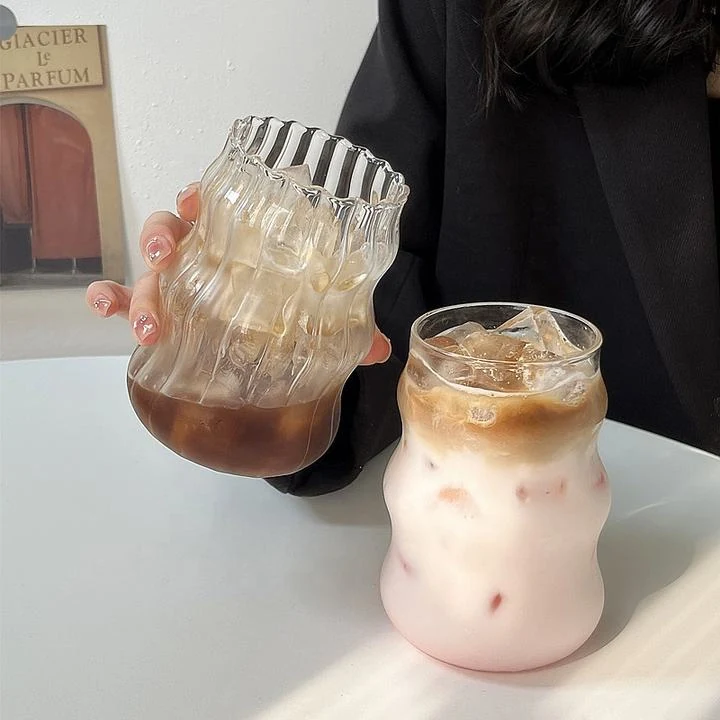
This event usually takes place in November at the Gikondo Expo Grounds. It gathers more than 400 exhibitors and thousands of visitors. Highlights include product showcases, export matchmaking sessions, and environmental innovation awards. For glass cup producers, this expo opens doors to hospitality and export markets while promoting Rwanda’s national branding strategy.
| Event | Date | Location | Highlights |
|---|---|---|---|
| Kigali Industrial Fair | July | Kigali Convention Centre | Green manufacturing, trade networking |
| Made in Rwanda Expo | November | Gikondo Expo Grounds | National craftsmanship, sustainability awards |
Part 4: Impact of Global Trade Policies
Rwanda’s glass cup industry is closely tied to regional trade agreements and global sustainability commitments. The country’s membership in the East African Community (EAC) allows tariff-free exports to neighboring markets like Kenya, Uganda, and Tanzania. Local manufacturers I’ve spoken with say these regional trade channels are crucial for scaling up production. Cross-border cooperation supports both raw material imports and finished goods exports.
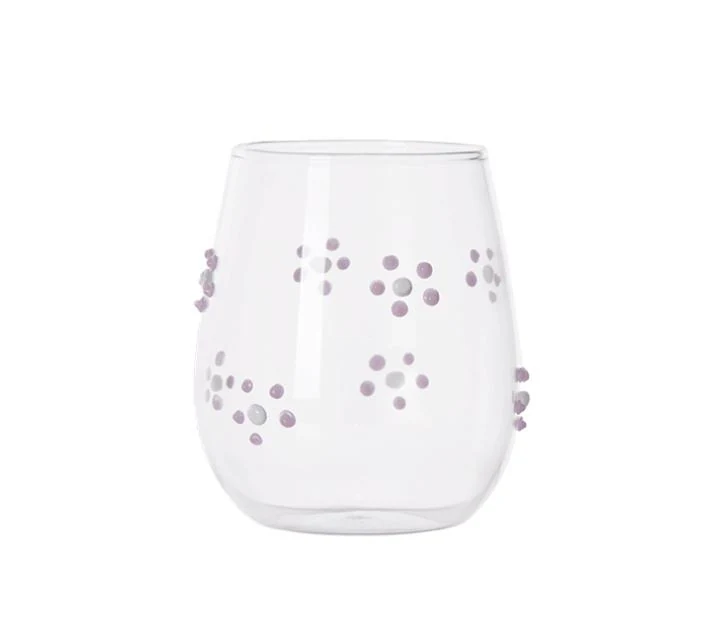
Global sustainability trends also align with Rwanda’s industrial ambitions. International donors and partners are funding recycling and waste-to-resource projects, creating a supportive environment for glass manufacturing. These programs not only reduce waste but also build technical capacity and innovation within the country.
However, limited access to high-quality raw materials and production machinery still poses challenges. Most specialized equipment is imported from China or Europe, increasing production costs. Yet, as Rwanda strengthens its logistics and trade infrastructure, these barriers are gradually decreasing. By aligning with green trade policies and leveraging regional integration, Rwanda’s glass manufacturers are positioning themselves for sustainable growth.
Part 5: Conclusion
Rwanda’s glass cup manufacturing industry may be young, but it perfectly mirrors the country’s development philosophy—innovation, sustainability, and self-reliance. From industrial producers like Kigali Glassworks to artisan studios like EcoGlass Rwanda, local manufacturers are redefining how recycling and design can coexist within a circular economy.
There are still challenges to overcome: limited raw materials, energy costs, and technical expertise. Yet, the momentum is undeniable. The growing hospitality sector, supported by Rwanda’s expanding tourism and event economy, continues to drive demand. If Rwanda maintains its policy focus on green industry and skills development, it has the potential to become a leading example of sustainable glass cup manufacturing in East Africa.
Recommended Reading:
- Glass Cup Manufacturer Papua New Guinea
- Glass Cup Manufacturer Panama
- Glass Cup Manufacturer North Korea
- Glass Cup Manufacturer Nicaragua
- Glass Cup Manufacturer Namibia
- Glass Cup Manufacturer Myanmar
- Glass Cup Manufacturer Mozambique
- Glass Cup Manufacturer Montenegro
Glass Bottle Manufacturers in Azerbaijan
Glass Bottle Manufacturers in Libya
Glass Bottle Manufacturers in India
Milk glass bottles 500ml