
Part 1: Market Size and Growth
Senegal’s glass cup manufacturing industry is gradually emerging as part of the country’s broader industrial transformation. Over the past few years, I’ve noticed how Senegal’s hospitality sector—especially in Dakar, Saint-Louis, and Saly—has grown steadily, creating strong demand for quality tableware. Glass cups are becoming essential items in hotels, restaurants, and households as consumers move toward more durable and sustainable products.
Historically, Senegal has relied on imports from Morocco, China, and France to meet local glassware demand. However, with the government’s “Plan Sénégal émergent” (PSE) encouraging local manufacturing, small and medium enterprises are beginning to explore domestic glass production. Recycling initiatives and industrial park development have also inspired new startups to transform waste glass into affordable, locally made cups.
This progress aligns with Senegal’s green economy vision. The state is supporting circular economy projects and offering tax incentives for sustainable manufacturing. As hospitality, tourism, and urban development continue to expand, Senegal’s emerging glass cup manufacturing sector has the potential to grow into a stable and self-sufficient industry.
Part 2: Leading Companies
Dakar Glassworks
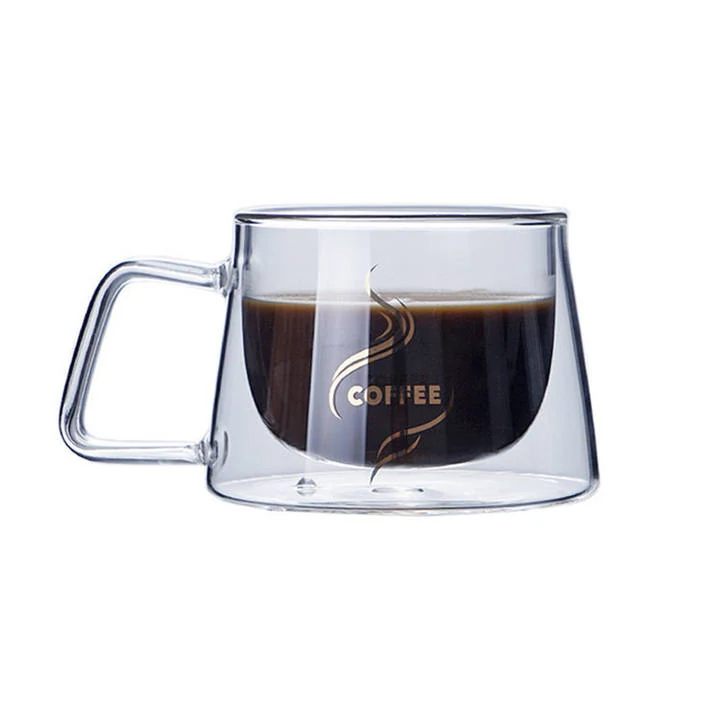
Dakar Glassworks, founded in 2012, is the country’s leading manufacturer of household glassware. I visited their facility near the Dakar Industrial Zone and was struck by how efficiently they operate with a focus on recycling and clean production. They have become a benchmark for modern glass manufacturing in West Africa.
Their product range includes drinking glasses, tumblers, and tea cups for hotels, restaurants, and homes. They also produce custom-designed cups for event companies and beverage brands. Their products are known for their clarity, durability, and affordability, meeting both domestic and export standards.
Technologically, Dakar Glassworks uses automated furnaces and forming machines imported from Spain. The company holds ISO 9001 certification and participates in Senegal’s “Green Industry” program. Their integration of technology and sustainability has positioned them as a regional leader in the light manufacturing sector.
EcoVerre Sénégal
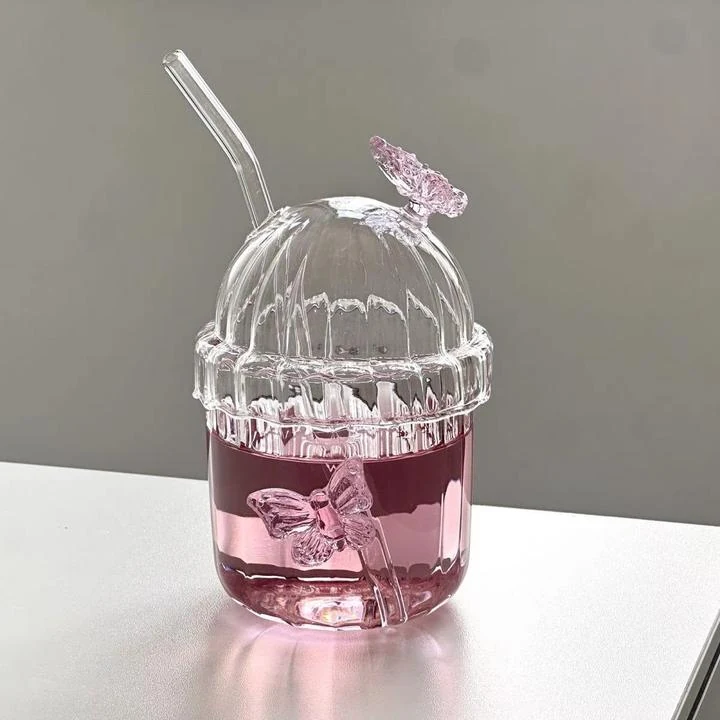
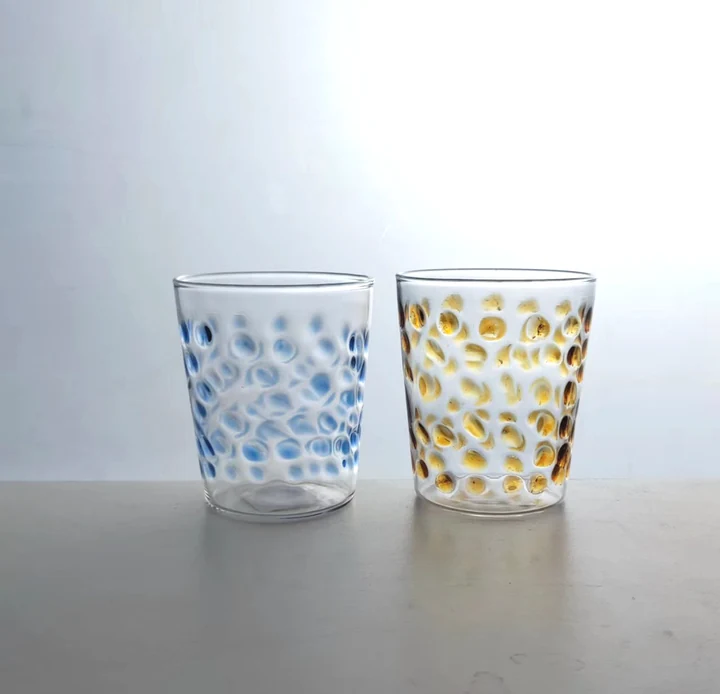
EcoVerre Sénégal, founded in 2016, is a social enterprise specializing in recycled glass products. I first learned about their work through a local environmental fair, where they showcased hand-blown glass cups made entirely from waste glass collected in Dakar. Their goal is to promote recycling and create jobs while offering beautiful, functional products.
Their catalog includes hand-blown glass cups, mugs, and decorative items. They serve eco-lodges, gift shops, and sustainable retailers. Each piece has a unique character, blending traditional craftsmanship with eco-conscious design.
The company collaborates with community recycling programs to collect raw materials and train artisans. They have been recognized by the Ministry of Environment for their contribution to waste reduction and were finalists in the 2023 “Start-up écologique de l’Année” award. EcoVerre’s work represents the growing synergy between sustainability, innovation, and social impact in Senegal.
Touba Crystal Industries

Touba Crystal Industries, established in 2018 in Diourbel Region, focuses on producing high-quality crystal-style glass cups and tableware for domestic and regional markets. I met their export manager during a trade event in Dakar, and he emphasized the company’s mission to bring elegant, durable products to the hospitality industry. Their approach combines local talent with international technical know-how.
Their main products include clear glass cups, barware sets, and decorative tea cups. They serve hotels, catering companies, and retail distributors across Senegal and The Gambia. Touba Crystal’s designs often feature modern simplicity combined with subtle West African patterns.
The company uses semi-automated production lines, precision polishing, and high-temperature annealing systems. They are certified under the ECOWAS Quality Standards program and have received recognition from the Senegalese Export Promotion Agency (ASEPEX). Their growing export activity positions them as a promising player in West Africa’s regional glassware trade.
| Company | Founded | Core Products | Industries | Certifications |
|---|---|---|---|---|
| Dakar Glassworks | 2012 | Cups, tumblers, tea glasses | Hotels, retail | ISO 9001 |
| EcoVerre Sénégal | 2016 | Hand-blown cups, art glass | Eco-tourism, gift, retail | Ministry of Environment Recognition |
| Touba Crystal Industries | 2018 | Cups, barware, decorative sets | Hospitality, export | ECOWAS Standards, ASEPEX Recognition |
Part 3: Trade Shows and Industry Events
Foire Internationale de Dakar (FIDAK)
The Foire Internationale de Dakar, or Dakar International Fair, is the largest trade event in Senegal and one I’ve attended several times. It attracts manufacturers, artisans, and traders from across Africa, Europe, and Asia. In recent years, glass cup manufacturers and recyclers have gained more visibility, reflecting the country’s industrial diversification.
Held annually at the Dakar International Fairgrounds in December, FIDAK hosts over 1,000 exhibitors from 30 countries. Glassware producers use this event to showcase their innovations in sustainable materials and household goods. The fair’s focus on African manufacturing and circular economy initiatives has made it a cornerstone for companies promoting green products.
Salon de l’Industrie et de l’Innovation du Sénégal (SIIS)
The Salon de l’Industrie et de l’Innovation du Sénégal, launched in 2021, is a newer event dedicated to industrial innovation and entrepreneurship. I visited its 2023 edition and found that it provided excellent opportunities for local glass producers to connect with investors and technology providers. The event highlights how industrial growth and innovation are reshaping Senegal’s manufacturing landscape.
The fair takes place every June in Diamniadio at the Centre International de Conférences Abdou Diouf (CICAD). It features workshops on automation, waste recycling, and sustainable production. For glass manufacturers, SIIS offers valuable insights into energy efficiency and smart production methods.
| Event | Date | Location | Highlights |
|---|---|---|---|
| Foire Internationale de Dakar (FIDAK) | December | Dakar Fairgrounds | Circular economy showcase, trade networking |
| Salon de l’Industrie et de l’Innovation du Sénégal (SIIS) | June | CICAD, Diamniadio | Industrial innovation, sustainability workshops |
Part 4: Impact of Global Trade Policies
Senegal’s glass industry is closely tied to regional and global trade frameworks. The country benefits from membership in ECOWAS (Economic Community of West African States), which allows tariff-free trade with 15 regional markets. Local manufacturers I’ve spoken with noted that this regional access makes it easier to export glass cups to neighboring countries. The regional integration has helped scale up demand for Senegalese-made goods.

At the same time, global trade trends have pushed local producers to focus on sustainability. With increasing global pressure to reduce waste and carbon emissions, Senegal’s recycling-based manufacturers are in a favorable position. They align naturally with international environmental standards, attracting interest from green investors and NGOs.
The government’s “Plan National de Gestion des Déchets” (National Waste Management Plan) supports industries that reuse or recycle materials. Combined with favorable ECOWAS trade policies, this program allows glass producers to reduce costs and reach new markets. By merging trade facilitation and environmental policy, Senegal is creating a foundation for a competitive, sustainable manufacturing sector.
Part 5: Conclusion
Senegal’s glass cup manufacturing industry may still be developing, but its trajectory is clear and full of potential. Driven by hospitality growth, government support, and environmental innovation, local producers are building a new foundation for sustainable industry. Companies like Dakar Glassworks, EcoVerre Sénégal, and Touba Crystal Industries are proof that Senegal can blend technology, artistry, and green values to create modern products.
Challenges remain—raw material import costs, limited technical expertise, and energy prices still constrain large-scale expansion. However, the progress is undeniable. As recycling programs expand and industrial partnerships strengthen, Senegal’s glassware producers are gaining recognition at home and abroad. With continued investment, innovation, and commitment to sustainability, Senegal is on track to become West Africa’s next center for eco-friendly glass cup manufacturing.
Recommended Reading:
- Glass Cup Manufacturer San Marino
- Glass Cup Manufacturer Rwanda
- Glass Cup Manufacturer Papua New Guinea
- Glass Cup Manufacturer Panama
- Glass Cup Manufacturer North Korea
- Glass Cup Manufacturer Nicaragua
- Glass Cup Manufacturer Namibia
- Glass Cup Manufacturer Myanmar
Glass Cup With Handle And Straw For Office And Party
Mini Perfume Atomizer Bottles 5ml Travel Size
500ml 580ml 800ml Swing Top Glass Wine Bottle
glass bottle manufacturer in malaysia