Part 1: Market Size and Growth
The Solomon Islands’ glass cup manufacturing industry is still in its early stages, but its potential is increasingly evident. In recent years, I have seen the country’s growing hospitality sector—driven by tourism, hotels, and resorts—create new demand for durable, eco-friendly tableware. Glass cups have become an essential part of the shift toward sustainability and modern lifestyle products.

Historically, almost all glassware in the Solomon Islands was imported from Australia, China, and Southeast Asia. However, rising import costs and the government’s focus on local production have inspired small entrepreneurs to explore domestic manufacturing. Several small-scale workshops and recycling initiatives now produce handmade glass cups, giving new life to waste bottles and local creativity.
The government’s “Sustainable Solomon” economic policy and regional partnerships through the Pacific Islands Forum are helping local industries diversify. Supported by aid programs and private investment, the glassware sector is gradually evolving. With increasing tourism, environmental awareness, and entrepreneurial energy, the Solomon Islands are taking early but important steps toward building a local glass cup manufacturing base.
Part 2: Leading Companies
Honiara Glassworks
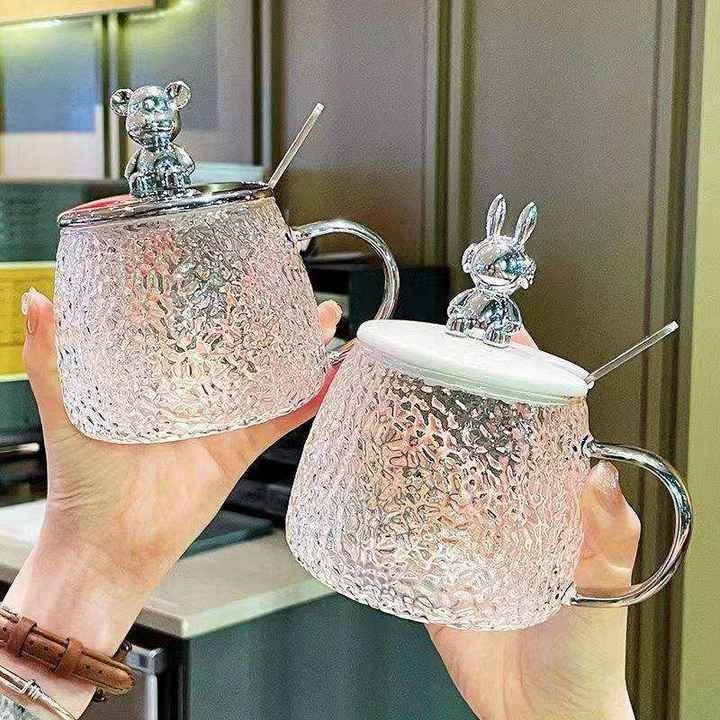
Honiara Glassworks, founded in 2015, is one of the first small enterprises in the Solomon Islands to recycle glass into new products. I visited their modest workshop in Honiara’s Ranadi Industrial Area, where artisans were transforming used beverage bottles into beautifully crafted glass cups. Their mission is to turn waste into value through sustainable craftsmanship.
Their product range includes drinking glasses, tumblers, and small vases made from locally collected glass. They supply restaurants, hotels, and craft markets across Guadalcanal and Western Province. Each product has a unique design, reflecting the blend of island creativity and eco-conscious innovation.
Honiara Glassworks partners with local waste collectors and NGOs to source materials. They use hand-cutting, polishing, and kiln-melting techniques powered partly by solar energy. The company has received recognition from the Ministry of Commerce for contributing to recycling and job creation. Their work highlights how creativity and sustainability can thrive even in small island economies.
Pacific EcoGlass Solomon Ltd.
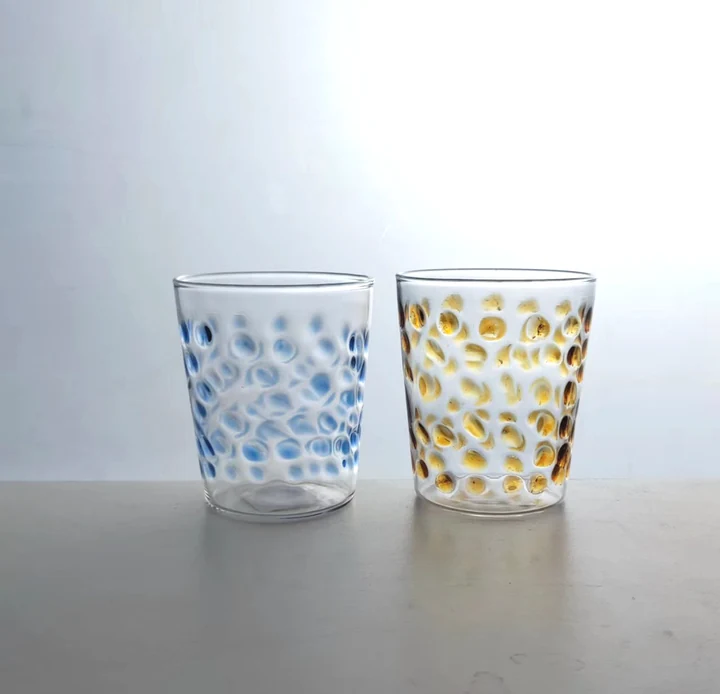
Pacific EcoGlass Solomon Ltd., founded in 2018, represents a new wave of green entrepreneurship. I met their founder during a Pacific sustainability forum in Honiara, where he explained how they aim to replace imported glassware with locally made, environmentally friendly alternatives. Their focus is on recycling, community employment, and quality production.
Their catalog includes glass cups, mugs, and jars designed for resorts, cafés, and household use. They also offer custom printing and branding for local hospitality clients. Their products combine practicality with a clean, modern design aesthetic.
The company operates from a small facility equipped with modern furnaces and molding equipment imported from Australia. It partners with the Solomon Islands Chamber of Commerce to promote sustainable industry practices. Pacific EcoGlass has been supported by the Australian-funded “Strongim Bisnis” program for its role in developing circular economy models. Their approach demonstrates how innovation and sustainability can create new economic opportunities in island nations.
Gizo Island Glass Collective
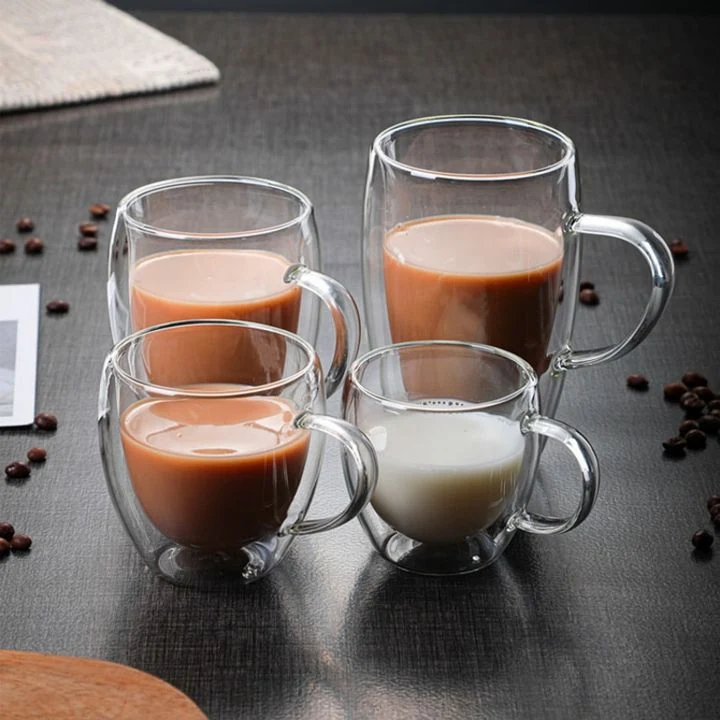
Gizo Island Glass Collective, founded in 2020, is a community-based workshop located in the Western Province. I first encountered their products during a local craft market in 2023, and I was fascinated by how they combined traditional island art with modern glassmaking. Their work captures the natural beauty of the Solomon Islands while promoting environmental awareness.
Their main products include hand-blown glass cups, decorative tumblers, and souvenir glass sets. They sell mainly to eco-resorts, cruise visitors, and local retailers. Their pieces are characterized by bright colors and organic shapes inspired by the ocean and coral reefs.
The collective operates under a cooperative model, employing local artisans and youth trainees. They receive technical assistance from New Zealand’s Pacific Business Trust and have been featured in regional exhibitions on sustainable art. Their work shows how small communities can turn creative talent into both income and environmental action.
| Company | Founded | Core Products | Industries | Certifications |
|---|---|---|---|---|
| Honiara Glassworks | 2015 | Cups, tumblers, vases | Hotels, retail, recycling | Ministry of Commerce Recognition |
| Pacific EcoGlass Solomon Ltd. | 2018 | Glass cups, mugs, jars | Hospitality, export | Strongim Bisnis Support |
| Gizo Island Glass Collective | 2020 | Hand-blown cups, art glass | Eco-tourism, crafts | Pacific Business Trust Partnership |
Part 3: Trade Shows and Industry Events
Solomon Islands Trade and Investment Expo
The Solomon Islands Trade and Investment Expo is the country’s most important annual event for promoting local industries and entrepreneurship. When I attended in 2024, I noticed a growing number of small manufacturers showcasing eco-friendly products. Glass cup producers stood out for their creativity and commitment to sustainability.
The expo is held every August at the Solomon Islands National University grounds in Honiara. It attracts exhibitors from sectors such as handicrafts, tourism, food processing, and manufacturing. For glassmakers, it provides valuable exposure to hotels, retailers, and development agencies. The event encourages networking between local businesses and foreign investors.
Pacific Islands Sustainability Fair
The Pacific Islands Sustainability Fair, launched in 2022, is a regional event that rotates among Pacific island nations. When it was hosted in Honiara in 2023, I saw first-hand how it promoted innovation in waste management and green manufacturing. For Solomon Islands’ glass producers, it was an opportunity to showcase recycled glass products to an international audience.
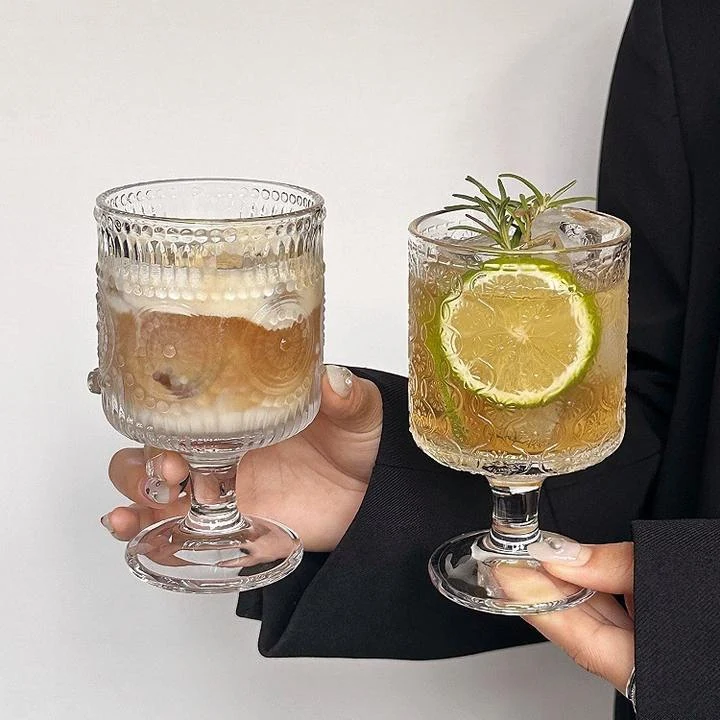
The fair focuses on environmental innovation, sustainable tourism, and renewable energy. Highlights include panel discussions, exhibitions, and artisan demonstrations. Glass cup manufacturers benefit from sharing ideas with regional peers and learning new recycling technologies.
| Event | Date | Location | Highlights |
|---|---|---|---|
| Solomon Islands Trade and Investment Expo | August | Honiara | Local manufacturing, investor networking |
| Pacific Islands Sustainability Fair | Rotating | Honiara (2023) | Green innovation, recycling collaboration |
Part 4: Impact of Global Trade Policies
The Solomon Islands’ glass manufacturing sector is shaped by regional and global trade policies that emphasize sustainable development. As a member of the Pacific Islands Forum and the Pacific Agreement on Closer Economic Relations (PACER Plus), the country benefits from improved trade access to Australia, New Zealand, and neighboring nations. These partnerships help reduce tariffs and encourage knowledge-sharing across industries.
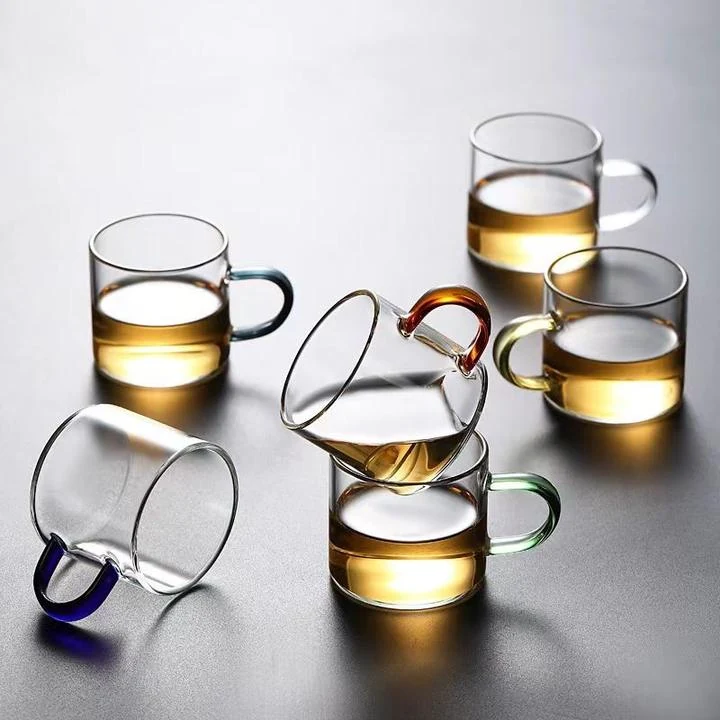
At the same time, the Solomon Islands faces challenges related to shipping costs and material imports. Most specialized glass-making equipment and raw materials are sourced from abroad. However, donor-funded programs such as the World Bank’s “Productive Partnerships in the Pacific” have provided grants and technical training for sustainable manufacturing.
Global environmental policies also play a key role. The growing demand for eco-friendly and recycled products aligns perfectly with the Solomon Islands’ sustainability goals. Local producers are adapting to international quality and environmental standards to attract export opportunities. By combining global policy alignment with local innovation, the country is building a foundation for a greener manufacturing economy.
Part 5: Conclusion
The Solomon Islands’ glass cup manufacturing industry is still young but full of promise. Driven by sustainability, tourism growth, and creative entrepreneurship, local producers are transforming waste into valuable products. From pioneers like Honiara Glassworks to community innovators like Gizo Island Glass Collective, these businesses show how small-scale industries can thrive in an island setting.
Challenges such as limited machinery, high logistics costs, and energy constraints remain, but progress is steady. International partnerships and donor support continue to nurture growth and skill development. If the Solomon Islands maintain their focus on green innovation and regional collaboration, they could soon become a Pacific model for sustainable glass cup manufacturing—where craftsmanship, community, and conservation work hand in hand.
Recommended Reading:
- Glass Cup Manufacturer Slovenia
- Glass Cup Manufacturer Seychelles
- Glass Cup Manufacturer Senegal
- Glass Cup Manufacturer San Marino
- Glass Cup Manufacturer Rwanda
- Glass Cup Manufacturer Papua New Guinea
- Glass Cup Manufacturer Panama
- Glass Cup Manufacturer North Korea
Flip Top Glass Bottles 1 Liter
230ml 530ml Flat Round Liquor Bottles
Glass Salt and Pepper Grinders with Handle 10 oz