Skip to content
Part 1: Market Size and Growth
Somalia’s glass cup manufacturing industry is still emerging but has begun to capture attention as the country rebuilds its industrial base. Over the past decade, I have observed steady progress in small-scale production and recycling initiatives aimed at replacing imported goods. Glass cups have become symbolic of Somalia’s gradual shift toward domestic production and sustainable consumption.

Historically, Somalia has relied heavily on imports of glassware from China, the United Arab Emirates, and Turkey. However, increasing import costs, along with a renewed focus on self-sufficiency, have opened opportunities for local manufacturers. Small enterprises and recycling ventures in Mogadishu, Hargeisa, and Bosaso are now experimenting with glass production using locally collected materials.
The government’s industrial development strategy, supported by international organizations, is also encouraging investment in manufacturing. With urbanization and hospitality growth, demand for glass cups in cafés, restaurants, and homes is increasing. This combination of policy, entrepreneurship, and market demand marks the early but promising stage of Somalia’s glass cup manufacturing journey.
Part 2: Leading Companies
Mogadishu Glass Industries
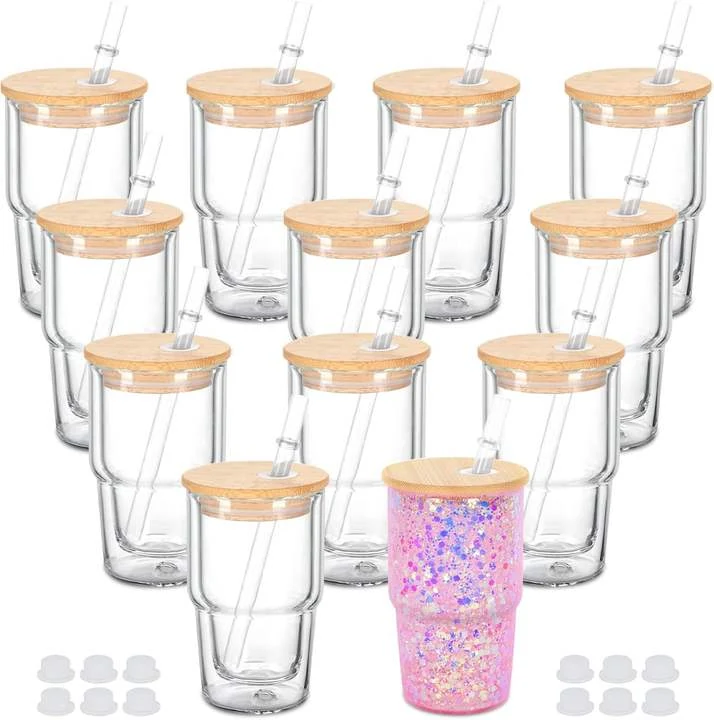
Mogadishu Glass Industries, founded in 2015, is one of Somalia’s first companies to focus on recycled glass manufacturing. When I visited their small plant near the Wadajir district, I saw how they had converted an old warehouse into a functional recycling facility. Their mission is to reduce waste while providing affordable glassware for local businesses.
Their main products include drinking glasses, tumblers, and jars made from recycled bottles. They supply cafés, hotels, and household retailers throughout Mogadishu and the Lower Shabelle region. Their designs are simple yet sturdy, emphasizing practicality and sustainability.
The company collects raw materials through urban recycling programs and uses low-energy furnaces powered partly by solar energy. They received recognition from the Ministry of Commerce in 2022 for their innovation in sustainable manufacturing. Mogadishu Glass Industries demonstrates how local initiative and green thinking can create value from waste.
Hargeisa EcoGlass
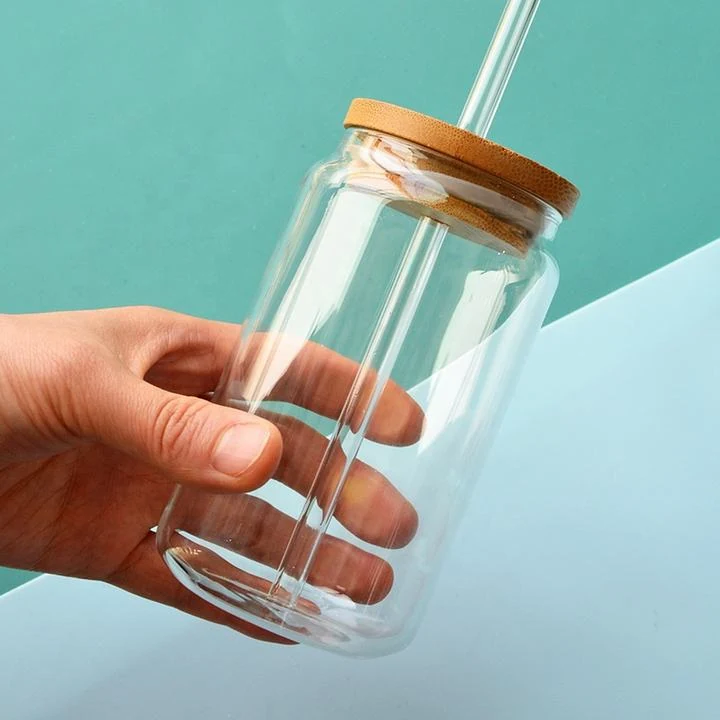
Hargeisa EcoGlass, founded in 2017, operates in Somaliland and represents the northern region’s push for local production. I first heard about them at the Hargeisa Business Forum, where they showcased their hand-cut and hand-polished glass cups made from discarded bottles. Their products combine artisanal craftsmanship with environmental responsibility.
Their catalog includes glass cups, mugs, and small decorative pieces sold to hotels, restaurants, and souvenir shops. They also create custom-branded glassware for corporate clients. Their products are well-known for their smooth finishes and creative use of color gradients.
Hargeisa EcoGlass works with local waste collectors and youth cooperatives to source materials. They have received technical support from international NGOs focused on circular economy development. Their integration of community-based recycling and craftsmanship illustrates how small enterprises can promote sustainability and employment.
Bosaso Crystal Works

Bosaso Crystal Works, founded in 2019, is based in Puntland and aims to produce durable, hotel-grade glass cups. I spoke with one of their engineers at a regional trade fair, who described how they use semi-automated machinery to form and anneal glass. Their goal is to become the first industrial-scale glass manufacturer in northern Somalia.
Their product range includes drinking glasses, tea cups, and bar tumblers for hotels, restaurants, and wholesalers. They are expanding their distribution to markets across Puntland and into Ethiopia. Their focus on consistency and volume production gives them an advantage in meeting hospitality sector demand.
Bosaso Crystal Works uses a hybrid power system combining electricity and liquefied gas, reducing energy costs. The company participates in Puntland’s Investment Promotion Program and received ISO 9001 pre-certification support in 2023. Their modern approach and export-oriented vision make them a pioneer in industrial glass manufacturing in the Horn of Africa.
| Company | Founded | Core Products | Industries | Certifications |
|---|---|---|---|---|
| Mogadishu Glass Industries | 2015 | Cups, tumblers, jars | Hotels, retail, recycling | Ministry of Commerce Recognition |
| Hargeisa EcoGlass | 2017 | Hand-cut cups, art glass | Eco-tourism, retail | NGO Circular Economy Support |
| Bosaso Crystal Works | 2019 | Cups, tumblers, barware | Hospitality, export | ISO 9001 (Pre-Certification) |
Part 3: Trade Shows and Industry Events
Somalia Trade and Investment Forum
The Somalia Trade and Investment Forum is the country’s leading business networking event, held annually in Mogadishu. When I attended the 2023 forum, I saw local manufacturers—especially those involved in recycling and green products—receiving strong attention. Glass cup producers were featured as part of Somalia’s move toward industrial renewal and sustainable entrepreneurship.
The event takes place in March at the Decale Hotel Conference Center near Aden Adde International Airport. It gathers domestic investors, foreign partners, and government agencies. For glass manufacturers, it offers exposure to hotel chains, construction companies, and distributors. The event promotes investment, capacity building, and cross-sector collaboration.
Hargeisa Business Forum
The Hargeisa Business Forum, organized by the Somaliland Chamber of Commerce, serves as a regional platform for entrepreneurs and small manufacturers. I attended its 2024 edition and was impressed by the growing participation of sustainable product makers. Local artisans and recyclers showcased innovative ways to repurpose materials into market-ready goods.
Held every September at the Mansoor Hotel Conference Hall, the forum attracts SMEs, investors, and NGOs. It includes workshops on product design, business growth, and access to finance. For glass cup producers like Hargeisa EcoGlass, it provides a critical opportunity to build partnerships and gain visibility.
| Event | Date | Location | Highlights |
|---|---|---|---|
| Somalia Trade and Investment Forum | March | Mogadishu | Investment networking, industrial innovation |
| Hargeisa Business Forum | September | Hargeisa | SME development, sustainable manufacturing |
Part 4: Impact of Global Trade Policies
Somalia’s glass cup industry operates in a challenging yet evolving trade environment. The country is part of the Intergovernmental Authority on Development (IGAD) and benefits from trade facilitation with regional partners like Kenya and Ethiopia. These relationships help local manufacturers access raw materials, machinery, and training opportunities.
At the same time, Somalia’s limited infrastructure and fluctuating import costs remain obstacles. Most specialized glassmaking equipment and high-quality sand are imported, mainly through the Port of Mogadishu. Despite these hurdles, trade liberalization and foreign aid have improved access to technology and capital.
Global trends toward sustainability and recycling align well with Somalia’s resource-based economy. International NGOs and donor agencies, including UNIDO and USAID, are promoting circular economy models that support small-scale glass producers. These initiatives not only reduce waste but also empower communities through training and business development.
Part 5: Conclusion
Somalia’s glass cup manufacturing industry is still young but filled with determination and innovation. From small recyclers in Mogadishu to emerging factories in Puntland, local entrepreneurs are proving that sustainable manufacturing is possible even in a rebuilding economy. Their efforts are laying the foundation for a future where Somalia produces its own household and hospitality glassware.
Challenges persist, including access to energy, machinery, and skilled labor. However, the growing emphasis on recycling, environmental responsibility, and local investment offers hope. With regional cooperation and continued donor support, Somalia’s glass cup sector is poised to grow stronger. In the years ahead, it could become a shining example of how creativity, resilience, and sustainability can drive industrial renewal in the Horn of Africa.
Recommended Reading: