Skip to content
Part 1: Market Size and Growth
South Africa’s glass manufacturing industry stands as one of the most advanced in Africa, supported by a robust industrial base and skilled craftsmanship. The market for glass cups and tableware has seen strong growth, driven by expanding hospitality, retail, and export activities. With more hotels, restaurants, and cafés opening across the country, the demand for durable and stylish glass cups continues to rise.
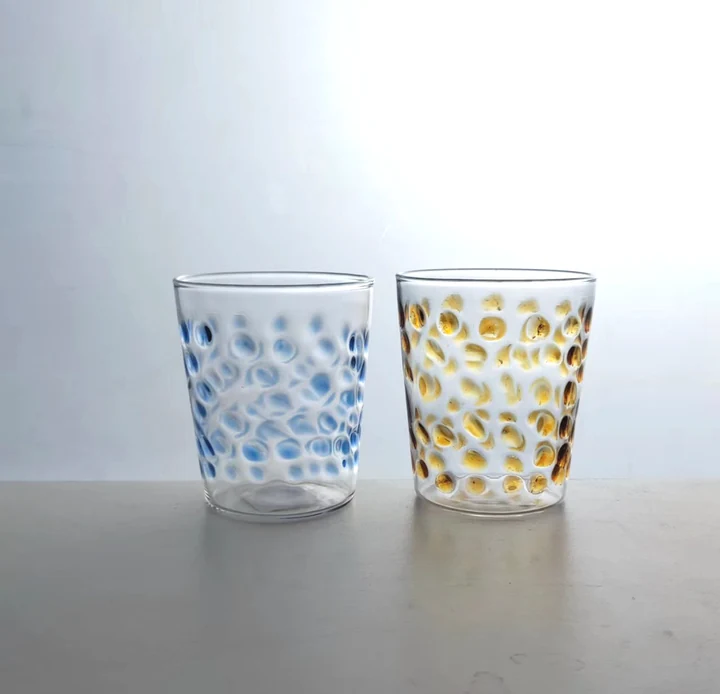
Domestic consumption has been boosted by lifestyle shifts and increased urbanization. Consumers now prefer reusable, elegant, and eco-friendly glass products over single-use plastics. As sustainability becomes a key buying factor, local manufacturers are adapting by offering recyclable, lead-free, and energy-efficient glassware.
Government initiatives promoting local manufacturing and reduced imports have further supported the glass industry. Through programs like “Buy Local, Support Local,” producers receive incentives to enhance productivity and improve quality standards. Combined with the country’s strong export networks, South Africa has become a strategic hub for glass cup production and distribution across the African continent.
Part 2: Leading Companies
Consol Glass (Pty) Ltd.
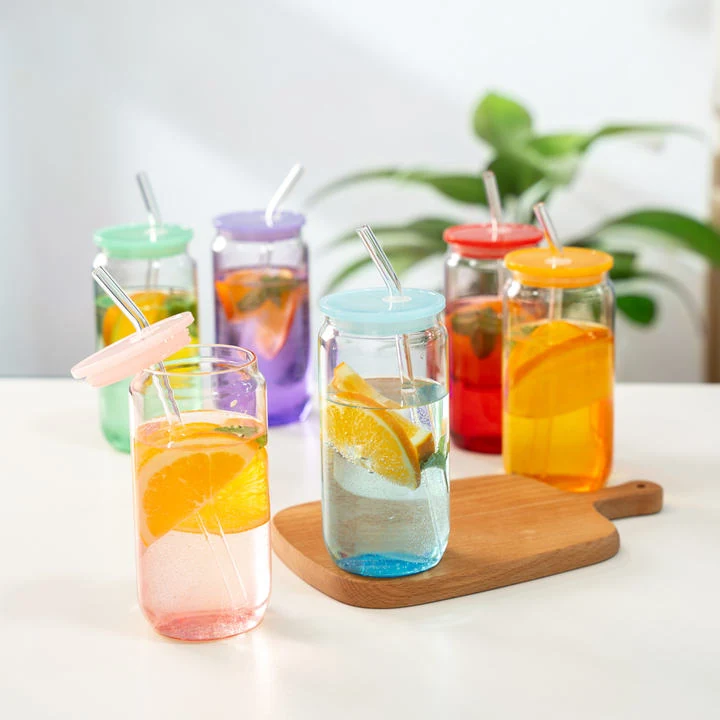
Consol Glass, founded in 1944 and headquartered in Johannesburg, is South Africa’s largest and most established glass manufacturer. The company produces a broad range of glass products including bottles, jars, tumblers, and drinking cups. Its products are known for strength, clarity, and sustainable design, making it a leader in the African glass market.
Consol serves a variety of industries such as beverages, hospitality, and retail. Its glass cups and tumblers are widely used by hotels, restaurants, and homes across South Africa. The company emphasizes quality and innovation, offering both standard and customized designs to meet local and export demands.
Technological advancements include fully automated production lines and advanced furnace systems that recycle up to 80% of glass waste. Consol Glass holds ISO 9001 and ISO 14001 certifications and is recognized for its commitment to environmental responsibility and innovation in glass packaging and tableware.
Nampak Glass (Now Ardagh Glass Packaging South Africa)
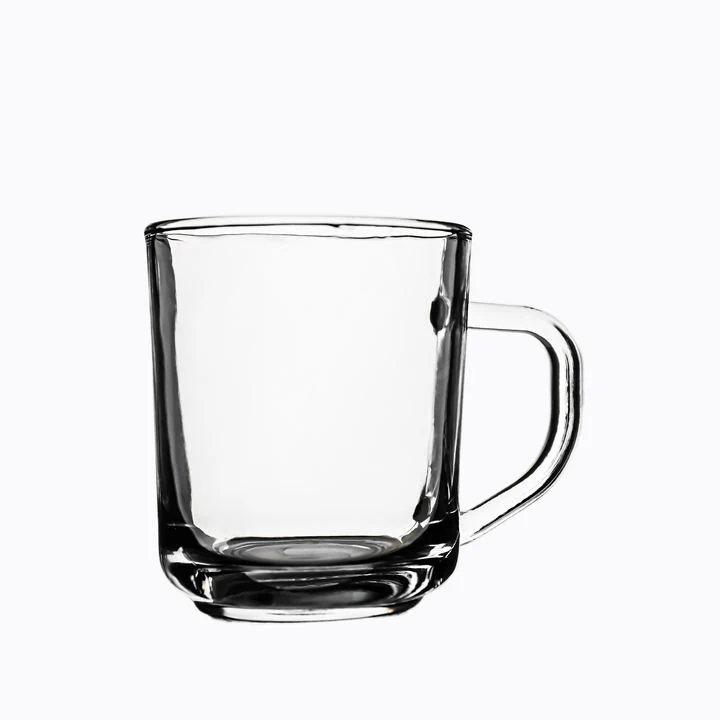
Formerly known as Nampak Glass, this company became part of the Ardagh Group, a global leader in sustainable packaging. The South African division focuses on glass container production but has also expanded into drinkware and hospitality-grade glass cups. It combines local manufacturing expertise with global standards in technology and quality control.
Ardagh Glass South Africa serves beverage companies, restaurants, and retail distributors. It provides innovative solutions for branded glassware, offering flexibility in shape, size, and decoration. The company’s production capacity allows it to meet large-scale demand across Southern Africa and export to other regions.
The factory features energy-efficient furnaces, automated inspection systems, and closed-loop recycling facilities. It holds ISO 9001 and ISO 45001 certifications, demonstrating a commitment to workplace safety, product quality, and environmental stewardship.
Ngwenya Glass
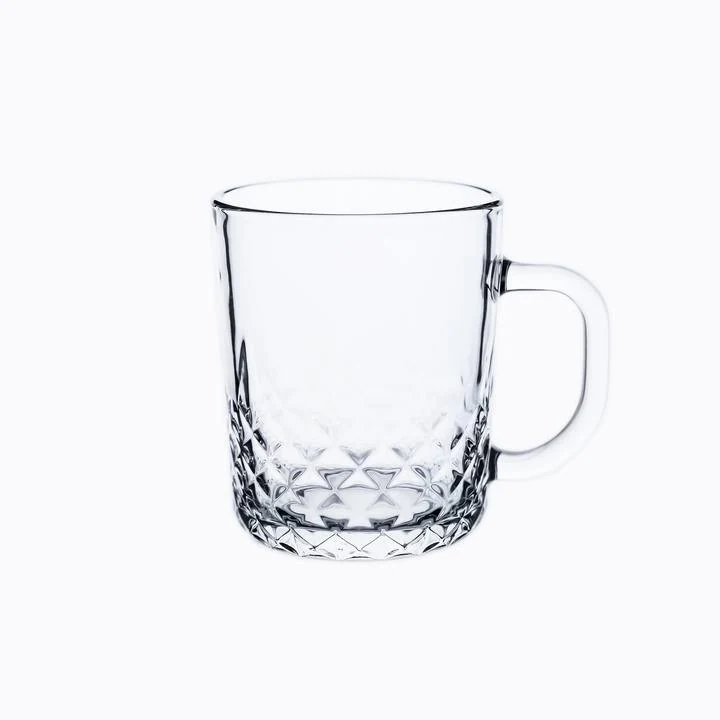
Ngwenya Glass, based in Eswatini (formerly Swaziland) but exporting extensively to South Africa, is a renowned hand-blown glass manufacturer. Established in 1987, it produces eco-friendly, artisan glassware made entirely from recycled glass. Its products—especially glass cups, tumblers, and goblets—are admired for their artistic designs and sustainable production.
Ngwenya serves premium hospitality, retail, and gift markets. Its glass cups often feature organic shapes and subtle imperfections that highlight their handmade nature. The company is a favorite among hotels and eco-lodges that value sustainability and local craftsmanship.
Ngwenya’s production process relies on 100% recycled glass collected from local communities. It operates one of the few fully sustainable glass factories in Africa and has earned numerous eco-awards. Its commitment to craftsmanship and environmental awareness makes it a model for sustainable manufacturing in the region.
| Company | Founded | Core Products | Industries | Certifications |
|---|---|---|---|---|
| Consol Glass (Pty) Ltd. | 1944 | Tumblers, Cups, Bottles | Hospitality, Beverage, Retail | ISO 9001, ISO 14001 |
| Ardagh Glass Packaging SA | 1984 | Cups, Containers, Bottles | Beverage, Hospitality | ISO 9001, ISO 45001 |
| Ngwenya Glass | 1987 | Hand-blown Glass Cups | Artisanal, Eco, Hospitality | Eco-Awards, Local Certifications |
Part 3: Trade Shows and Industry Events
Hostex South Africa
Hostex is the leading hospitality, food, and beverage trade show in South Africa. Held in Johannesburg, it attracts thousands of buyers, suppliers, and industry professionals. Glass cup manufacturers use this platform to launch new designs, display sustainable collections, and connect with hotels, restaurants, and cafés.
The event takes place annually, typically in May. Exhibitors showcase products across categories including kitchenware, tableware, and catering equipment. The event highlights innovation in design, eco-friendly production, and premium presentation. It is an essential networking opportunity for manufacturers seeking to expand across Africa’s hospitality market.
Decorex Cape Town
Decorex Cape Town is one of Africa’s top interior design and lifestyle exhibitions, focusing on décor, furniture, and homeware. Glass cup manufacturers present their latest home collections, artisanal products, and luxury designs tailored to modern households.

The exhibition occurs annually in June and brings together designers, architects, retailers, and manufacturers. Highlights include trend showcases, sustainability panels, and product demonstrations. Many South African glass brands use this event to collaborate with interior designers and promote local craftsmanship to international buyers.
| Event | Date | Location | Highlights |
|---|---|---|---|
| Hostex South Africa | May (Annual) | Johannesburg | Hospitality, Tableware, Design Innovation |
| Decorex Cape Town | June (Annual) | Cape Town | Home Décor, Sustainability, Craftsmanship |
Part 4: Impact of Global Trade Policies
South Africa’s glass manufacturing industry operates within a strong framework of trade agreements and environmental regulations. The country’s participation in the Southern African Development Community (SADC) and the African Continental Free Trade Area (AfCFTA) facilitates export opportunities across the continent. These trade pacts help reduce tariffs and improve logistics for glass cup exports to neighboring countries.
However, global economic shifts and rising energy costs affect production expenses. Since glassmaking is energy-intensive, fluctuations in fuel prices and electricity supply remain major challenges. Local companies are investing in renewable energy systems and recycling to lower operating costs and maintain competitiveness.
Environmental policies are also playing a crucial role. South Africa’s government promotes circular economy principles, encouraging manufacturers to recycle glass waste and reduce emissions. Many glass producers now operate closed-loop systems that reuse cullet, saving both energy and raw materials.
Trade relations with Europe and Asia have also influenced quality standards and innovation. Export-oriented manufacturers are adapting to global sustainability requirements, gaining international certifications, and adopting cleaner technologies. This alignment helps South African products meet export market expectations and compete effectively on a global scale.
Additionally, the government’s focus on local industrialization under the “Master Plan for the Manufacturing Sector” provides incentives for companies that adopt sustainable practices or create employment. These policies enhance industrial resilience while strengthening South Africa’s reputation as a reliable glass supplier in the region.
Part 5: Conclusion
South Africa’s glass cup manufacturing industry represents a powerful blend of technology, tradition, and sustainability. From industrial giants like Consol and Ardagh to eco-driven artisans like Ngwenya, the sector showcases the diversity and innovation of African manufacturing. Local expertise, combined with strong trade networks, has made South Africa a leading hub for glassware production.
Despite challenges such as high energy costs and import competition, the industry continues to evolve. Manufacturers are embracing renewable energy, recycling, and digital production systems to stay competitive and environmentally responsible. With the right balance of craftsmanship and efficiency, South Africa’s glass industry is setting new benchmarks for quality and sustainability in Africa.
Looking ahead, opportunities abound in both domestic and export markets. The rise of eco-conscious consumers, regional trade integration, and design-driven demand will continue to shape the market. South African glass cup manufacturers are poised to lead this transformation—offering products that reflect not only elegance and functionality but also the values of sustainability and innovation.
Recommended Reading:
- Glass Cup Manufacturer Nigeria
- Glass Cup Manufacturer Argentina
- Glass Cup Manufacturer Israel
- Glass Cup Manufacturer Norway
- Glass Cup Manufacturer UAE
- Glass Cup Manufacturer Austria
- Glass Cup Manufacturer Ireland
- Glass Cup Manufacturer Thailand
Perfume Bottle Wooden Cap
Mini Double Wall Cartoon Glass Coffee Cup
16oz swing top beer bottles
How to Get Perfume Out of the Bottle?