Skip to content
Part 1: Market Size and Growth
South Sudan’s glassware industry is still in its early stage, but it shows strong potential for growth. As the country continues to stabilize and rebuild its economy, demand for household goods such as glass cups, bottles, and kitchenware is increasing. Local restaurants, cafes, and hotels are also expanding, driving higher consumption of dining glassware. Importers have become key players, connecting global manufacturers with emerging local markets.
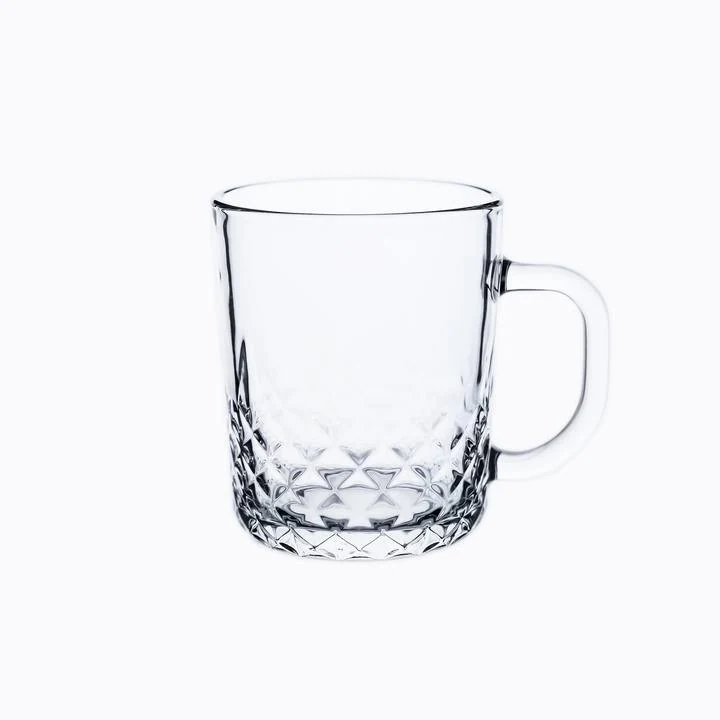
At the same time, the African continent has been witnessing a rapid rise in industrialization and infrastructure development. South Sudan, though smaller in manufacturing scale, benefits from its proximity to East African trade routes such as Kenya and Uganda. More traders are importing glass cups in bulk for resale, which creates opportunities for partnerships between local distributors and international glass manufacturers. Glassware is no longer just a household necessity—it’s becoming a sign of lifestyle quality.
Government policy and investment in industrial zones are also shaping the direction of this sector. The push for local processing industries and import substitution could soon lead to small-scale glass production or packaging facilities in Juba. With supportive trade policies and regional partnerships under the East African Community (EAC), the glassware market in South Sudan is expected to expand further. This presents an opening for global brands looking to establish early presence and brand loyalty.
Part 2: Leading Companies
Deli Glass Group

Deli Glass Group is a well-known Chinese manufacturer founded in 1996. The company produces a wide range of glass cups, mugs, jugs, and decorative glassware. Its long experience in glass production has helped it become one of the largest suppliers in Asia. The factory covers more than 130,000 square meters and operates over 80 production lines.
Its main products include wine glasses, teacups, beer mugs, and custom OEM/ODM designs. Deli Glass emphasizes high transparency, durability, and elegant design. It offers both mass-market items and premium handmade series. The company’s services cater to wholesalers, restaurants, hotels, and brand retailers worldwide.
Deli Glass serves many industries, including hospitality, kitchenware retail, and promotional gift markets. Its innovations focus on eco-friendly glass materials and automated production lines to ensure quality consistency. The company has earned several quality certifications, including ISO and SGS product testing approvals. These strengths make it a strong potential partner for South Sudan’s importers seeking reliable glass suppliers.
Arc International
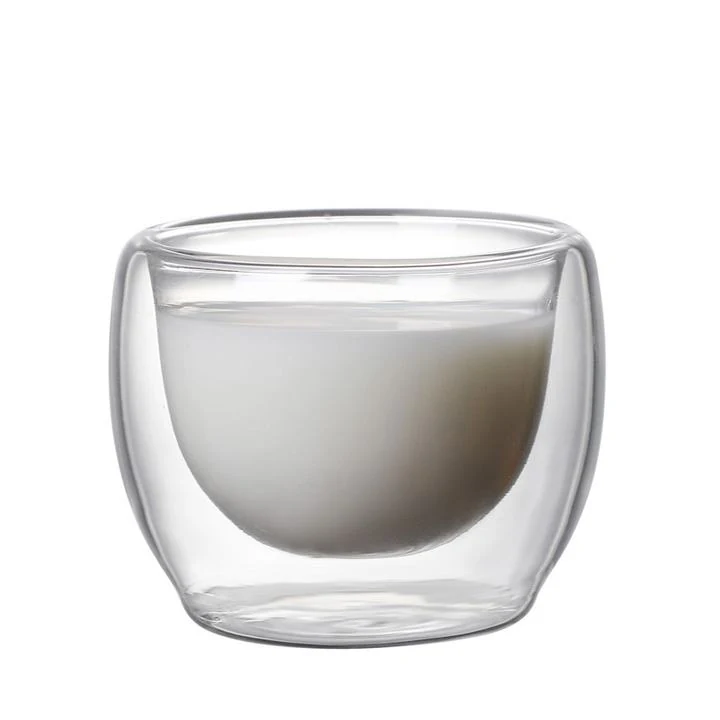
Arc International, based in France, is one of the largest global players in the glass manufacturing industry. Founded in 1825, Arc has a long legacy of producing glass tableware, drinkware, and home décor. The company’s brands, such as Luminarc and Cristal d’Arques, are recognized worldwide for their elegant yet durable glassware.
Arc’s core products include tempered glass cups, tumblers, and luxury crystal drinkware. The brand is well-known in African markets through regional distributors. In countries like Kenya and Ethiopia, its products are used in hotels, restaurants, and household stores. For South Sudan, Arc represents the high-end choice for glassware imports, offering both design appeal and durability.
Arc International’s technology focuses on eco-sustainable production and recycling processes. The company is ISO 14001 certified and continuously innovates in lightweight glass technology. Its combination of French craftsmanship and large-scale production allows it to remain competitive in developing markets like South Sudan.
Libbey Inc.
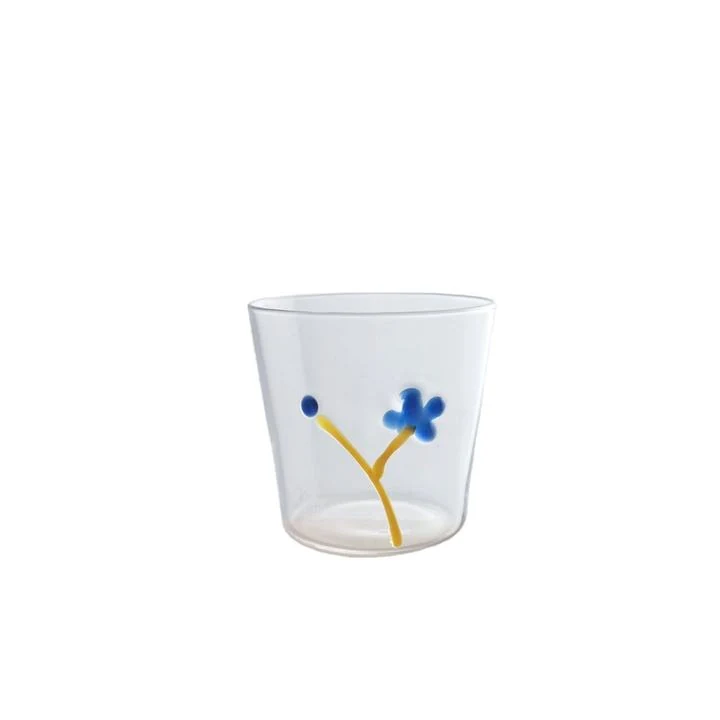
Libbey Inc., an American brand established in 1818, is another global leader in the glassware market. Known for its timeless designs and reliable production, Libbey supplies glass cups, barware, and tableware to restaurants, hotels, and retailers across the world. The company operates multiple manufacturing sites, including facilities in the United States, Mexico, and the Netherlands.
Libbey’s products are designed for both functionality and visual appeal. Its glass cups are durable, dishwasher-safe, and suitable for professional food service use. The brand’s innovation centers on forming techniques and chemical strengthening that enhance the product’s longevity. Libbey also offers customization services for corporate and promotional uses.
In Africa, Libbey products are typically distributed through importers in Nairobi and Kampala, which serve regional customers, including South Sudanese retailers. The company holds several safety and quality certifications, including NSF and ISO standards. Its broad product line and strong logistics make it an ideal choice for businesses seeking dependable glassware imports.
| Company | Founded | Core Products | Industries | Certifications |
|---|---|---|---|---|
| Deli Glass Group | 1996 | Glass cups, mugs, jugs | Hospitality, retail | ISO, SGS |
| Arc International | 1825 | Drinkware, crystal glass | Hotels, homes, dining | ISO 14001 |
| Libbey Inc. | 1818 | Barware, tableware | Restaurants, retail | NSF, ISO |
Part 3: Trade Shows and Industry Events
China Import and Export Fair (Canton Fair)
The Canton Fair in Guangzhou, China, is one of the largest trade events for manufacturers and global buyers. It includes a full section dedicated to kitchenware and glass products, attracting importers from Africa, including South Sudan. Many African businesspeople attend to source glass cups, drinkware, and packaging containers directly from factories.
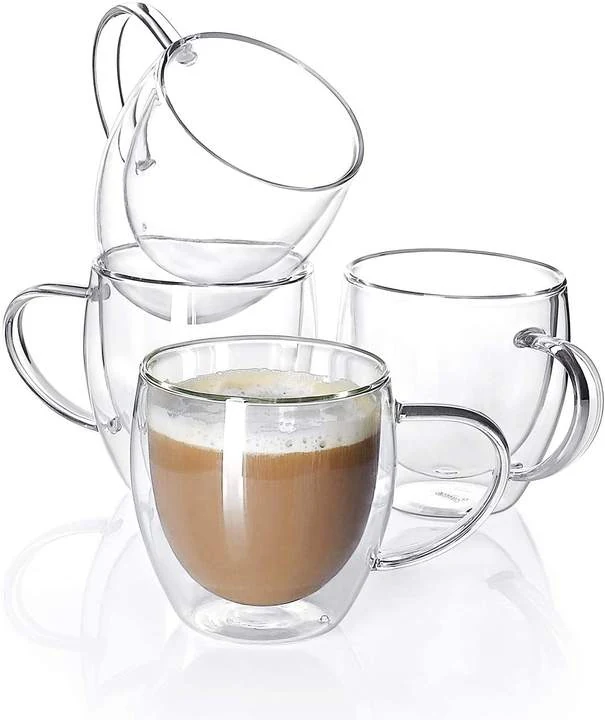
The fair takes place twice a year, in April and October. Exhibitors include top glassware producers from China and other countries. For buyers from South Sudan, it’s an opportunity to compare product quality, negotiate prices, and secure OEM/ODM partnerships. The event’s highlight is the live demonstration of automated glass production lines, helping importers understand new technologies in real time.
Kenya International Trade Exhibition (KITE)
The Kenya International Trade Exhibition (KITE) in Nairobi is another important event for the East African market. It attracts regional importers and distributors from Uganda, Tanzania, and South Sudan. The exhibition features suppliers of glass cups, ceramic ware, and kitchen utensils. South Sudanese businesses often visit this fair to find regional suppliers who can deliver quickly across borders.

Held annually in July, KITE provides a platform to network with African and Asian suppliers. It focuses on durable consumer goods and household products. The event’s highlight is the regional trade networking area, which promotes collaboration between East African businesses. For companies aiming to enter South Sudan, KITE is a gateway to meet potential distributors and understand market demand firsthand.
| Event | Date | Location | Highlights |
|---|---|---|---|
| Canton Fair | April & October | Guangzhou, China | Global sourcing, OEM deals, product demos |
| Kenya International Trade Exhibition (KITE) | July | Nairobi, Kenya | East African networking, household goods showcase |
Part 4: Impact of Global Trade Policies
Global trade policies have a strong influence on how glass cup suppliers interact with South Sudan’s market. Import duties, logistics costs, and exchange rates can affect pricing and supply consistency. South Sudan imports most of its glassware through Kenya and Uganda, making regional trade policies critical for the industry. When tariffs are reduced, importers gain better access to competitive products from Asia and Europe.

However, global challenges such as supply chain disruptions and increased freight costs also impact the market. The COVID-19 pandemic and subsequent shipping delays revealed how fragile international logistics can be. To mitigate risks, some African importers are now encouraging local assembly or regional warehousing for glass products. These strategies could help maintain steady supply even when international trade slows down.
At the same time, trade agreements such as the African Continental Free Trade Area (AfCFTA) are opening new paths for regional manufacturing cooperation. If South Sudan can attract investment into small-scale glass packaging or cutting facilities, it may start producing locally in the next few years. International manufacturers who establish early partnerships can benefit from reduced import dependence and faster distribution within the region.
Part 5: Conclusion
The glass cup manufacturing market in South Sudan is still young, but it holds promising opportunities. As the country’s economy stabilizes and consumer culture develops, demand for durable, stylish, and affordable glassware will keep growing. With increasing hospitality businesses and trade connections, the market can evolve from simple imports to semi-local production supported by foreign investment.
However, challenges remain in logistics, infrastructure, and market awareness. High shipping costs and limited retail channels can slow down growth. Importers and manufacturers need to collaborate closely to build reliable supply chains and adapt designs to local preferences. If these barriers are addressed, South Sudan could soon emerge as one of East Africa’s new hubs for glassware distribution and regional trade.
Recommended Reading: