Skip to content
Part 1: Market Size and Growth
Sudan’s glassware market is at a critical turning point. As the country experiences gradual industrial recovery and economic reform, demand for essential household products like glass cups, bottles, and tableware is steadily increasing. This shift is driven by urbanization, growth in hospitality, and expanding retail networks across major cities such as Khartoum and Omdurman. Many local businesses rely on imported glass products, creating opportunities for strong B2B relationships with global manufacturers.
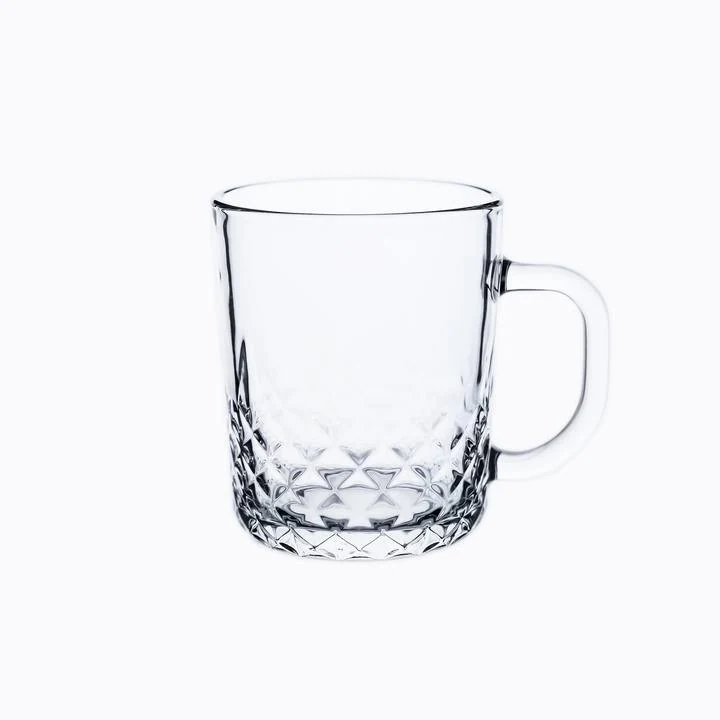
The consumer lifestyle in Sudan is also changing. Cafés, tea houses, and restaurants are becoming more popular, and they often prefer high-quality, durable glass cups for daily service. Imports mainly come from China, Turkey, and Egypt, where manufacturers can supply both low-cost and premium-grade glassware. This diverse sourcing pattern reflects a growing middle-class demand for better design and reliable quality. As a result, the Sudanese glassware market is slowly maturing and diversifying.
Government policies supporting trade liberalization and private investment further boost the industry. As Sudan strengthens its trade ties with neighboring countries, import and distribution channels are improving. There is also an increasing call for local assembly or finishing facilities to reduce dependency on imports. With the right partnerships and investments, Sudan could gradually develop its own glass production sector and become an important hub in Northeast Africa’s consumer goods market.
Part 2: Leading Companies
Deli Glass Group

Deli Glass Group, established in 1996 in China, is a globally recognized glass manufacturer. The company operates over 80 production lines and produces more than one million pieces of glassware per day. Its 130,000-square-meter factory integrates research, production, and packaging, allowing for large-scale, efficient output. Deli’s portfolio includes glass cups, mugs, pitchers, decanters, and customized gift sets.
Deli’s expertise lies in its ability to combine design flexibility with mass production. It offers both ready-to-ship and custom OEM/ODM services, making it an ideal partner for importers in Sudan seeking flexibility in order sizes. Its transparent glass material is highly durable and designed for both household and professional use. The company serves hotels, restaurants, wholesalers, and retailers globally.
Deli Glass Group’s innovations include energy-efficient furnaces, automated forming machines, and strict quality control systems. It holds multiple certifications such as ISO and SGS, proving its international manufacturing standards. These advantages position Deli Glass as a strategic supplier for Sudanese importers looking for reliability, scale, and quality assurance in glass cup sourcing.
Pasabahce (?i?ecam Group)

Pasabahce, a division of the Turkish ?i?ecam Group, is one of the world’s largest glassware producers. Founded in 1935, the company has a strong presence in the Middle East and Africa, including Sudan. Its products range from basic drinkware and kitchen glasses to high-end hospitality lines for hotels and cafes. Pasabahce’s glass cups are known for their clarity, elegant design, and resistance to temperature change.
The company’s main markets in Africa include Egypt, Sudan, and Ethiopia. Pasabahce’s distribution strategy focuses on regional partnerships and local wholesalers. Many Sudanese importers prefer Turkish suppliers because of geographic proximity and cultural familiarity. Pasabahce’s advanced technology in tempered glass and eco-friendly production processes adds more appeal for B2B buyers.
Pasabahce’s parent company, ?i?ecam, operates under international standards, including ISO 9001 and ISO 14001. It emphasizes sustainability, waste reduction, and renewable energy use. These certifications and consistent product quality make Pasabahce a trusted name in glassware supply, especially for developing markets looking for long-term reliability and diverse product ranges.
Arc International

Arc International, founded in France in 1825, is a global leader in glass tableware. The company’s brands—Luminarc, Arcoroc, and Cristal d’Arques—are widely recognized for combining design and functionality. Arc’s production technology allows for mass output of both standard and customized glass cups, catering to household and hospitality markets worldwide.
In Sudan, Arc’s products are commonly imported through regional distributors based in Egypt or the United Arab Emirates. Its glass cups and drinkware sets are popular among restaurants and hotels that value European aesthetics and high durability. The company’s tempered glass technology and focus on lightweight materials reduce breakage during transportation, which is essential for long-distance trade to Sudan.
Arc International also leads in sustainable glass production, recycling, and energy-efficient operations. It has earned ISO 14001 and OHSAS 18001 certifications for environmental and workplace standards. This makes Arc a top choice for Sudanese distributors seeking to represent a reputable international brand in their product catalog.
| Company | Founded | Core Products | Industries | Certifications |
|---|---|---|---|---|
| Deli Glass Group | 1996 | Glass cups, mugs, jugs | Hospitality, retail | ISO, SGS |
| Pasabahce (?i?ecam Group) | 1935 | Drinkware, kitchenware | Hotels, homes | ISO 9001, ISO 14001 |
| Arc International | 1825 | Tableware, crystal glass | Hospitality, dining | ISO 14001, OHSAS 18001 |
Part 3: Trade Shows and Industry Events
Sudan International Trade Fair (Khartoum Fair)
The Sudan International Trade Fair is the country’s largest exhibition, held annually in Khartoum. It attracts importers, manufacturers, and investors from multiple sectors, including consumer goods, food, and household items. For glassware importers, this event is an important platform to showcase new designs and build partnerships with wholesalers, hotel chains, and retail stores.
The fair usually takes place in January or February at the Khartoum International Fairgrounds. Exhibitors come from China, Turkey, India, and Egypt. The highlight of the fair is its cross-border B2B networking sessions, where Sudanese traders can meet international suppliers directly. For glass cup manufacturers, this fair provides exposure to a market that’s still developing but full of potential.
Canton Fair (China Import and Export Fair)
The Canton Fair in Guangzhou, China, remains one of the world’s largest sourcing events for household and industrial goods. Many African buyers, including those from Sudan, attend the fair to find new suppliers and negotiate OEM agreements. The event’s glassware section features thousands of manufacturers specializing in drinkware, tableware, and packaging glass.

The fair runs twice each year, in April and October, and is divided into three phases. For Sudanese buyers, it provides direct access to factory pricing and a wide variety of glass designs. The Canton Fair’s biggest advantage is that it allows importers to compare suppliers face-to-face and place orders with confidence. The growing number of African visitors at this fair highlights how important Asia has become as a supply base for consumer goods.
| Event | Date | Location | Highlights |
|---|---|---|---|
| Sudan International Trade Fair | January–February | Khartoum, Sudan | B2B networking, regional trade, consumer goods |
| Canton Fair | April & October | Guangzhou, China | Global sourcing, OEM partnerships, product demos |
Part 4: Impact of Global Trade Policies
Sudan’s trade policies are deeply connected to regional and global dynamics. The government has been working to improve its trade framework after years of sanctions and economic isolation. Import regulations have gradually eased, allowing more consumer goods, including glass cups and tableware, to enter the market. However, currency instability and customs duties still pose challenges for importers and distributors.
Global shipping costs and geopolitical tensions have also impacted Sudan’s glassware supply. With major suppliers located in Asia and Europe, transportation disruptions can lead to price fluctuations and delays. As a result, many Sudanese importers rely on neighboring countries like Egypt or the UAE to handle logistics and warehousing. This regional cooperation helps maintain consistent product flow even when international routes face challenges.
At the same time, Sudan’s integration with African trade frameworks like the AfCFTA (African Continental Free Trade Area) offers promising opportunities. Lower tariffs within Africa could encourage joint ventures in glass packaging and small-scale manufacturing. Over time, Sudan could attract investment in localized production facilities that reduce dependency on imports and create jobs. For now, the focus remains on building reliable supply chains and stable import partnerships with global manufacturers.
Part 5: Conclusion
The glass cup manufacturing and import industry in Sudan is still developing, but it is full of opportunities. As consumer preferences evolve and hospitality businesses expand, demand for well-made, affordable, and elegant glassware will continue to rise. With growing access to regional and global suppliers, Sudan is set to experience steady growth in its glassware market over the next decade.
Still, several challenges remain. Import costs, shipping constraints, and foreign exchange issues can limit business scalability. To overcome these, Sudanese importers and global manufacturers must collaborate closely, ensuring flexible supply terms and localized distribution. If this balance is achieved, Sudan could soon become a key glassware import and distribution center in Northeast Africa, linking global producers with emerging local markets.
Recommended Reading: