

Part 1: Market Size and Growth
Suriname’s glassware industry may not yet be large, but it is becoming increasingly important. The country’s growing hospitality, tourism, and retail sectors are driving steady demand for durable and visually appealing glass cups. Restaurants, hotels, and cafés in Paramaribo and other major towns are expanding their service offerings, which naturally boosts the consumption of glass drinkware and tableware. Importers and wholesalers play a crucial role by connecting global manufacturers with local retailers and businesses.

Most glass cups in Suriname are imported from China, Brazil, and the United States. The easy access to Caribbean trade routes allows local distributors to import in small to medium batches, making it an efficient market for B2B partnerships with overseas manufacturers. Consumers are becoming more conscious about design, durability, and sustainability, favoring reusable glass over plastic alternatives. As environmental awareness grows, glassware becomes not only a practical necessity but also a reflection of lifestyle and sustainability values.
Government policies in Suriname support the import and distribution of household goods by maintaining relatively open trade practices. The country’s participation in the Caribbean Community (CARICOM) also promotes easier regional trade. With the continued expansion of tourism and dining culture, the glass cup market in Suriname will likely grow at a healthy pace, creating space for both affordable and premium glassware brands to flourish.
Part 2: Leading Companies
Deli Glass Group

Founded in 1996, Deli Glass Group is one of China’s most established glassware manufacturers. The company has over 80 production lines and a daily output of more than one million glass pieces. Its product catalog includes glass cups, mugs, pitchers, and decorative glass products. Deli Glass’s factory covers more than 130,000 square meters, integrating research, production, and packaging in one facility.
Deli Glass specializes in OEM and ODM customization, offering flexible solutions for global importers, including small-batch production and private labeling. Its glass cups are known for clarity, strength, and elegant shape, making them suitable for restaurants, hotels, and home use. The company’s modern equipment ensures consistency and high productivity, allowing it to serve customers across more than 50 countries.
Deli’s major strengths lie in its focus on quality control and sustainable manufacturing. It holds multiple certifications, including ISO and SGS standards. These achievements reflect its commitment to safety and global trade compliance, making Deli Glass a strong potential partner for Suriname’s importers looking for stable supply and consistent quality.
Libbey Inc.

Libbey Inc., established in 1818 in the United States, is one of the world’s leading glass manufacturers. The brand is widely recognized for its durable, practical, and stylish glass cups, tableware, and barware. Libbey serves restaurants, hotels, and home retailers across the Americas, including the Caribbean region, making it a strong fit for Suriname’s growing hospitality sector.
The company’s wide product line includes drinkware for coffee, tea, beer, and cocktails. Libbey emphasizes design innovation, easy maintenance, and long-term durability, which is highly valued in hot, humid climates like Suriname’s. The brand’s products are often featured in restaurants and resorts, where quality presentation plays an important role in customer experience.
Libbey also leads in sustainable production. Its factories use energy-efficient systems and recycled materials. The company holds ISO and NSF certifications, ensuring international safety and quality standards. As Suriname’s dining and entertainment industries expand, Libbey offers a premium option for glass cup sourcing with strong regional availability.
Nadir Figueiredo

Nadir Figueiredo, founded in 1912 in Brazil, is Latin America’s largest glassware producer. With over a century of expertise, Nadir supplies a wide range of glass cups, plates, jars, and kitchenware to both residential and commercial customers. Its geographic proximity and regional logistics networks make it an attractive supplier for Caribbean and South American markets, including Suriname.
Nadir’s glass cups are known for durability, elegant design, and affordability. The company exports to more than 120 countries and provides OEM services for private labels. It works closely with hospitality clients, from small cafés to luxury hotels, to deliver customized glassware that meets both aesthetic and functional needs. Suriname’s importers benefit from Nadir’s efficient shipping routes through northern Brazil.
The company adheres to international production standards and holds ISO certifications. Nadir’s environmental commitment is another key strength—it invests in glass recycling and energy recovery systems. Its combination of reliability, quality, and environmental responsibility aligns well with Suriname’s increasing focus on sustainable consumption.
| Company | Founded | Core Products | Industries | Certifications |
|---|---|---|---|---|
| Deli Glass Group | 1996 | Glass cups, mugs, jugs | Hospitality, retail | ISO, SGS |
| Libbey Inc. | 1818 | Drinkware, barware, tableware | Hotels, restaurants | ISO, NSF |
| Nadir Figueiredo | 1912 | Glass cups, plates, kitchenware | Hospitality, retail | ISO certified |
Part 3: Trade Shows and Industry Events
Canton Fair (China Import and Export Fair)
The Canton Fair, held twice a year in Guangzhou, China, is one of the largest sourcing events for global buyers. It attracts importers from the Caribbean and South America, including Suriname. The fair’s kitchenware and glassware sections feature hundreds of suppliers, including leading brands such as Deli Glass Group. Attending the Canton Fair helps importers discover new designs, compare quality, and build direct relationships with manufacturers.

The fair takes place every April and October, covering all product categories from home goods to industrial supplies. Visitors can meet producers face-to-face and negotiate pricing or customization. For Surinamese importers, this fair offers access to competitive prices, flexible MOQ (minimum order quantity), and the latest glass manufacturing trends. It also provides valuable insights into packaging and eco-friendly product developments.
Expo Aladi (Latin American Integration Association Fair)
Expo Aladi is a major trade fair organized by the Latin American Integration Association (ALADI), bringing together countries from South and Central America, as well as the Caribbean. Suriname, as a member state, often participates in this event to strengthen trade ties and explore regional sourcing. The fair includes household goods, glassware, and industrial materials, offering opportunities for B2B networking and cooperation.

The event typically takes place in Montevideo, Uruguay, or other rotating host countries. Its highlight is the B2B matchmaking sessions that connect buyers and exporters from across Latin America. For Surinamese importers, Expo Aladi is a great opportunity to meet Brazilian glass manufacturers like Nadir Figueiredo, as well as other regional suppliers who can provide quick delivery and lower logistics costs.
| Event | Date | Location | Highlights |
|---|---|---|---|
| Canton Fair | April & October | Guangzhou, China | Global sourcing, OEM customization, live demos |
| Expo Aladi | Annually (rotating) | Latin America | Regional trade, B2B networking, household goods |
Part 4: Impact of Global Trade Policies
Suriname’s glassware trade is shaped by its open-market policies and participation in CARICOM. The country benefits from reduced tariffs and simplified customs procedures for imports from member countries. This regional integration has made it easier for local distributors to source glass products from Brazil, Trinidad, and the Dominican Republic. These advantages keep prices competitive and ensure consistent product availability.
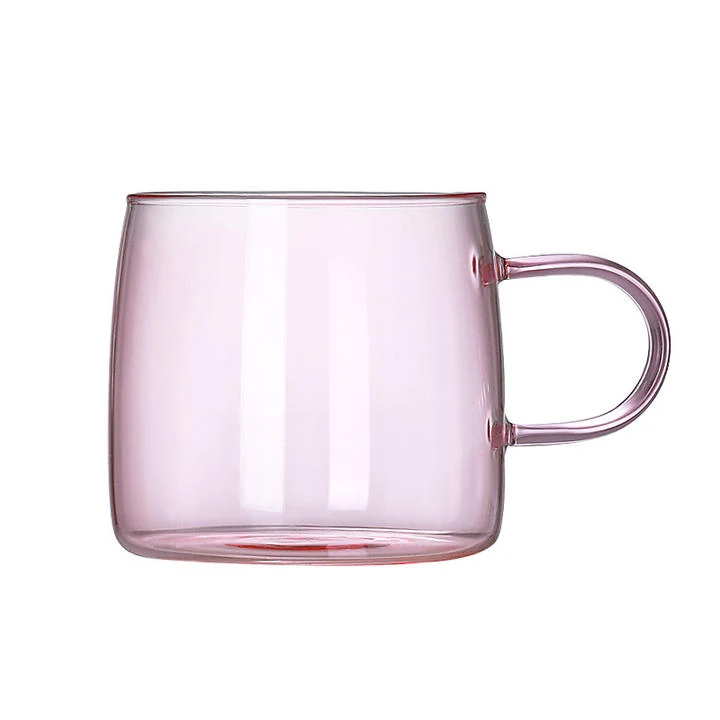
However, global shipping challenges and fuel price fluctuations can affect import costs. Most glass cups are bulky and fragile, requiring careful packaging and container handling. Rising logistics fees in recent years have led importers to seek closer suppliers within Latin America. Suriname’s port infrastructure, especially in Paramaribo, is improving, which should help stabilize trade routes and reduce delays.
Global trade agreements also encourage manufacturers to invest in sustainable production. Eco-friendly packaging, recyclable glass, and reduced carbon emissions are becoming important in buyer decisions. As Suriname’s consumers and businesses become more environmentally aware, importers are expected to prioritize manufacturers with sustainability certifications. In the long term, regional cooperation under CARICOM and Latin American frameworks will continue to strengthen trade resilience and efficiency.
Part 5: Conclusion
Suriname’s glass cup market is small but full of potential. The country’s growing hospitality sector, expanding middle class, and improving logistics networks make it a fertile ground for reliable glassware imports. Partnerships with established manufacturers such as Deli Glass, Libbey, and Nadir Figueiredo can bring quality, variety, and competitive pricing to local distributors and retailers.
Still, challenges like high freight costs and limited warehousing space remain. To overcome these, importers should work with regional suppliers and use collective shipping strategies. As trade routes in the Caribbean and Latin America continue to develop, Suriname could evolve into a regional distribution center for kitchenware and hospitality products. With the right balance of supply, sustainability, and customer understanding, the future of the glass cup industry in Suriname looks bright and promising.
Recommended Reading: