Part 1: Market Size and Growth
Sweden has one of the most distinguished glassmaking heritages in Europe. The art of glass production in the country dates back to the 18th century, with roots in the famous region of Sm?land, often called the “Kingdom of Crystal.” The Swedish approach to manufacturing glass cups is a blend of artistic craftsmanship, sustainability, and precision design. Over the past few decades, demand has shifted toward eco-friendly, handmade, and design-driven products, giving Swedish companies a competitive edge in niche markets.
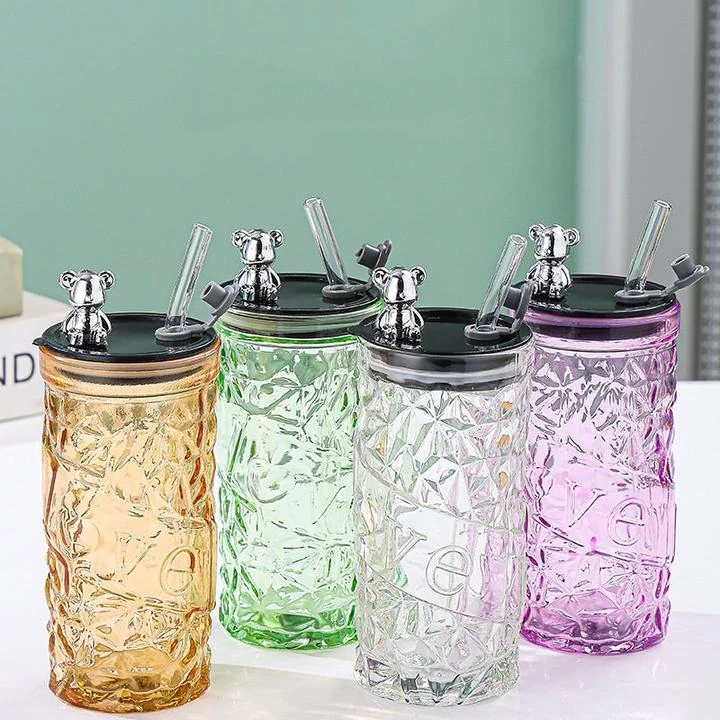
The glass cup market in Sweden is mainly driven by domestic use, hospitality, giftware, and export to nearby European countries such as Norway, Denmark, Germany, and the Netherlands. Swedish companies are less focused on mass production and more on quality, aesthetics, and brand value. The combination of clean energy, skilled artisans, and Scandinavian design makes Sweden a small but powerful force in the premium glassware segment.
Government initiatives supporting sustainable manufacturing and the use of renewable energy sources have further strengthened the glass industry. EU membership provides easier access to European markets, harmonized product standards, and research funding for innovation. These conditions make Sweden’s glass cup manufacturers both traditional and forward-looking.
Part 2: Leading Companies
The Swedish glass cup manufacturing scene is built around a few legendary brands and smaller workshops that maintain artistic craftsmanship. Below are three representative companies shaping this industry.
Kosta Boda
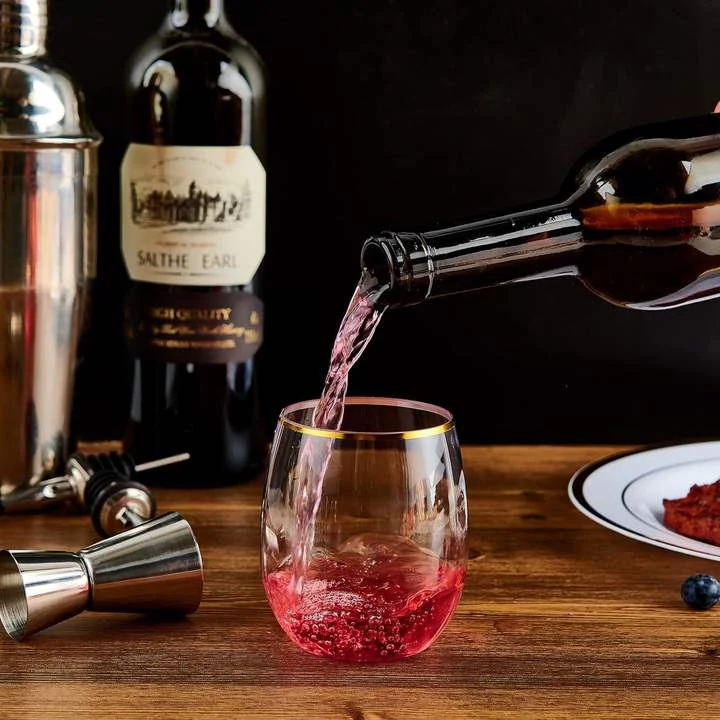
Kosta Boda was founded in 1742 in the Sm?land region and remains one of the oldest glassworks in the world. It is now part of the Orrefors Kosta Boda Group and symbolizes Swedish glass design excellence. Its philosophy combines bold color, creativity, and craftsmanship to produce artful yet functional drinkware.
Kosta Boda produces a wide range of items including drinking glasses, tumblers, vases, and decorative glass cups. Its clients include hotels, restaurants, interior designers, and high-end retail stores. Each product reflects the brand’s fusion of art and everyday utility, often featuring vibrant colors and innovative shapes.
The company’s technical strengths lie in advanced glass coloring, hand-blown precision, and collaborations with world-renowned artists. Kosta Boda has earned numerous international design awards and adheres to strict EU quality and sustainability certifications, ensuring both artistry and reliability.
Orrefors
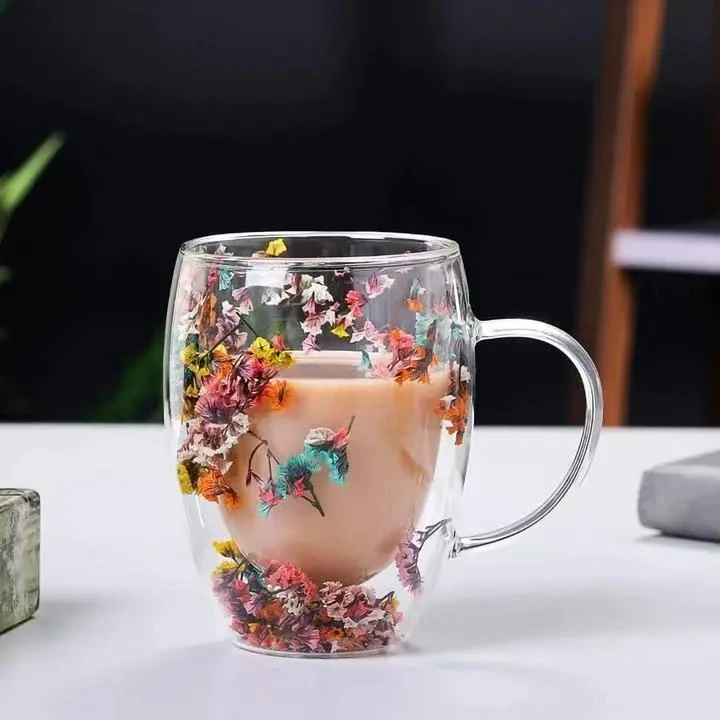
Orrefors, established in 1898, is another pillar of Swedish glass craftsmanship. Known for its classic and elegant designs, Orrefors has built a reputation for creating crystal-clear, precision-cut glassware that embodies Scandinavian simplicity and sophistication.
Its core products include wine glasses, tumblers, barware, and artistic decorative pieces. The company serves the luxury hospitality industry, home décor stores, and collectors who appreciate design and quality. Many of Orrefors’ collections have become design icons, appearing in international exhibitions and museums.
Orrefors continues to innovate by combining modern technology with handcrafted techniques. It focuses on refining glass clarity, reducing impurities, and using sustainable materials. The brand is widely recognized for its collaborations with Swedish designers and its timeless aesthetic that represents the best of Scandinavian design philosophy.
Skruf Glasbruk
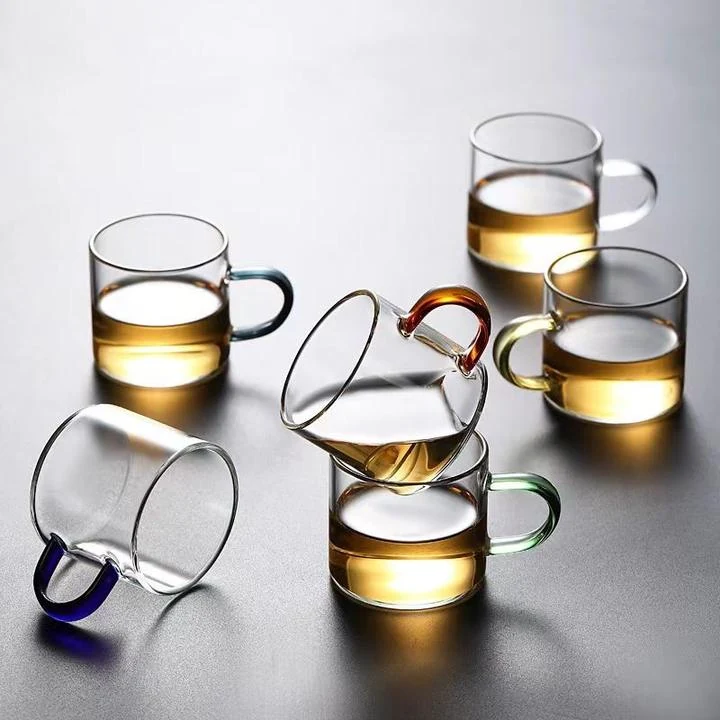
Founded in 1897, Skruf Glasbruk is a smaller yet respected Swedish glassworks located in southern Sweden. Unlike the larger factories, Skruf emphasizes limited production and handcrafted perfection. Its artisans specialize in creating minimalist, functional, and aesthetically pure glass cups that fit seamlessly into Scandinavian interiors.
The company produces glass cups, carafes, and tableware, serving both local retailers and design-oriented export markets. Skruf’s collaboration with contemporary designers results in collections that highlight simplicity, transparency, and fine craftsmanship.
The brand’s technical advantage lies in combining traditional glassblowing with innovative finishing techniques. Skruf is certified for sustainable manufacturing practices and participates in national programs promoting eco-conscious production. Its small-batch model ensures unique, collectible pieces that appeal to discerning buyers worldwide.
Company Comparison Table
| Company | Founded | Core Products | Industries Served | Certifications / Highlights |
|---|---|---|---|---|
| Kosta Boda | 1742 | Drinking glasses, vases, art glass | Hotels, retail, design | EU quality, design awards, sustainability |
| Orrefors | 1898 | Crystal glasses, barware, décor | Luxury hospitality, collectors | ISO, eco-friendly production, museum recognition |
| Skruf Glasbruk | 1897 | Handcrafted glass cups, tableware | Home décor, boutique export | Eco-certified, limited production, design collaborations |
Part 3: Trade Shows and Industry Events
Kingdom of Crystal Events (Glasriket)
Every year, the Kingdom of Crystal (Glasriket) in Sm?land becomes the center of Swedish glass celebrations. This region hosts multiple events that connect artisans, designers, and buyers.
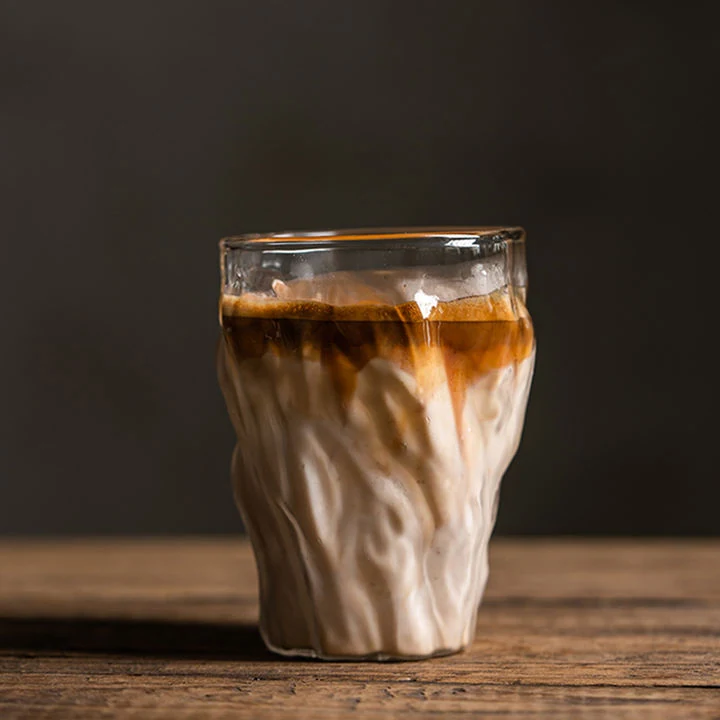
The events typically occur in summer and include factory open days, live glassblowing shows, design exhibitions, and workshops. Visitors can see artists crafting glass cups, sculptures, and decorative pieces on-site. These gatherings not only showcase Sweden’s creative glass culture but also drive tourism and export opportunities.
Highlights include master glassblower demonstrations, collaborative art installations, and sustainability-focused talks. Many local producers use these events to launch new designs or limited-edition collections.
Stockholm Furniture & Light Fair
Although it primarily focuses on furniture and interior design, the Stockholm Furniture & Light Fair also serves as a platform for Swedish glass manufacturers to display their tableware and design glassware.
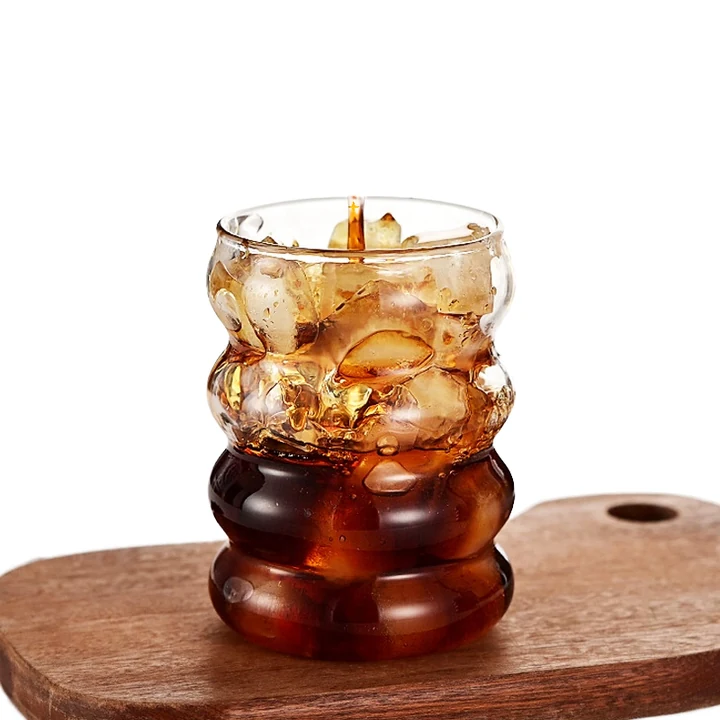
Held every February in Stockholm, the event attracts thousands of designers, retailers, and brand representatives from across the world. Swedish glassmakers present collections that blend utility and aesthetics, often integrated with furniture and lighting concepts.
Highlights include trend showcases, Scandinavian design awards, and industry networking sessions. For many glass cup manufacturers, this fair is a gateway to new distribution channels and brand collaborations in the broader European design market.
Event Summary Table
| Event | Date (Typical) | Location | Highlights |
|---|---|---|---|
| Kingdom of Crystal / Glasriket Events | Summer | Sm?land | Live demos, exhibitions, cultural heritage |
| Stockholm Furniture & Light Fair | February | Stockholm | Design showcases, international networking |
Part 4: Impact of Global Trade Policies
As part of the European Union, Sweden’s glass industry enjoys open access to EU markets and benefits from harmonized standards. However, compliance with strict environmental and safety regulations increases production costs. Swedish manufacturers must meet directives on recycling, chemical usage, and carbon emissions, all of which shape how glass factories operate.
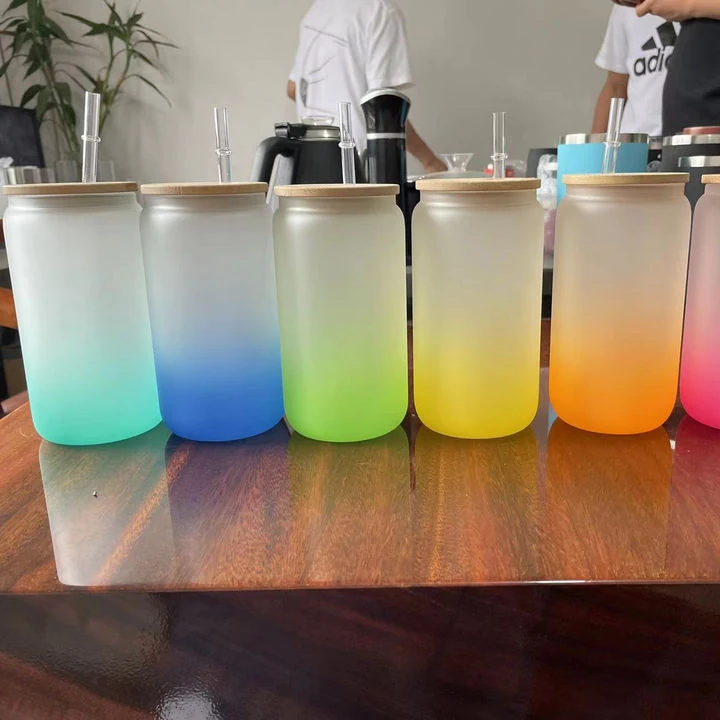
Global economic shifts and energy costs have a strong impact on glassmaking, a highly energy-intensive industry. Sweden’s reliance on renewable energy helps mitigate some risks, but rising costs for raw materials and transport remain challenges. Producers respond by optimizing energy use and investing in cleaner furnace technology.
On the global stage, competition from low-cost producers in Asia pressures Swedish firms to focus on quality and brand differentiation. Their competitive strength lies not in price but in design innovation, sustainable manufacturing, and artistic heritage. With EU trade agreements expanding access to markets like Japan, the US, and Canada, Swedish glass cup producers can reach design-conscious consumers worldwide.
Part 5: Conclusion
Sweden’s glass cup manufacturing industry stands as a symbol of the nation’s balance between tradition, sustainability, and modern design. Companies like Kosta Boda, Orrefors, and Skruf Glasbruk continue to blend centuries-old craftsmanship with contemporary aesthetics. Their focus on limited production, transparency, and cultural storytelling gives Swedish glass a distinctive identity in the global market.
However, the industry faces notable challenges: high production costs, strict environmental requirements, and increasing competition from mass manufacturers abroad. The path forward lies in investing in green technologies, digital marketing, and collaborations with designers to maintain Sweden’s reputation as a hub for quality and creativity. If these companies continue to innovate responsibly, Swedish glassware will remain admired for generations to come.
Recommended Reading:
- Glass Cup Manufacturer Poland
- Glass Cup Manufacturer Iran
- Glass Cup Manufacturer Taiwan
- Glass Cup Manufacturer Switzerland
- Glass Cup Manufacturer Saudi Arabia
- Glass Cup Manufacturer Netherlands
- Glass Cup Manufacturer Turkey
- Glass Cup Manufacturer Indonesia
Glass Bottle Manufacturers in Belize
25ml Borosilicate Child Resistant Glass Pre Roll Tube with Screw Top
50Ml Clear Crystal Glass Perfume Bottle For Men And Women
Custom Round Perfume Bottle Crimp Mouth Portable 30ml 50ml 100ml