
Part 1: Market Size and Growth
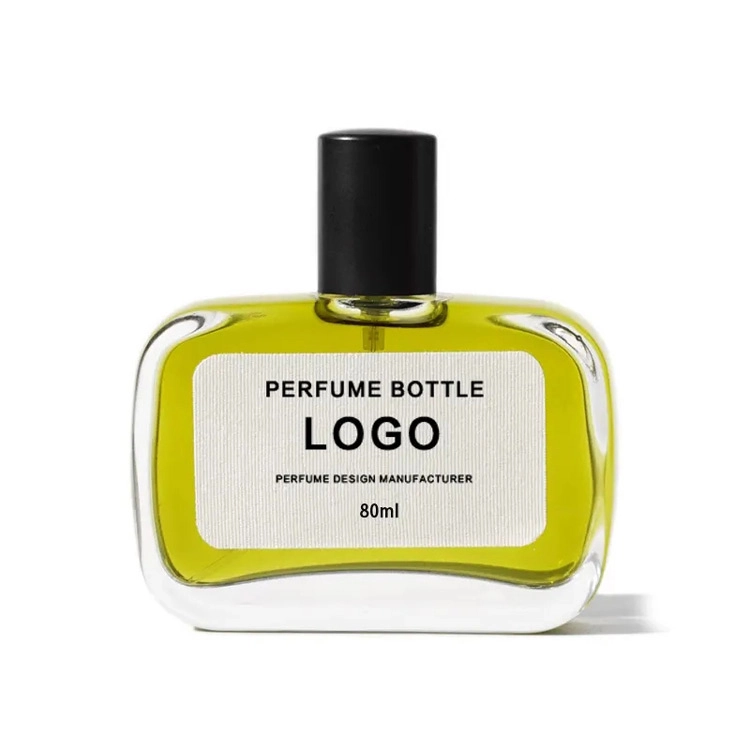
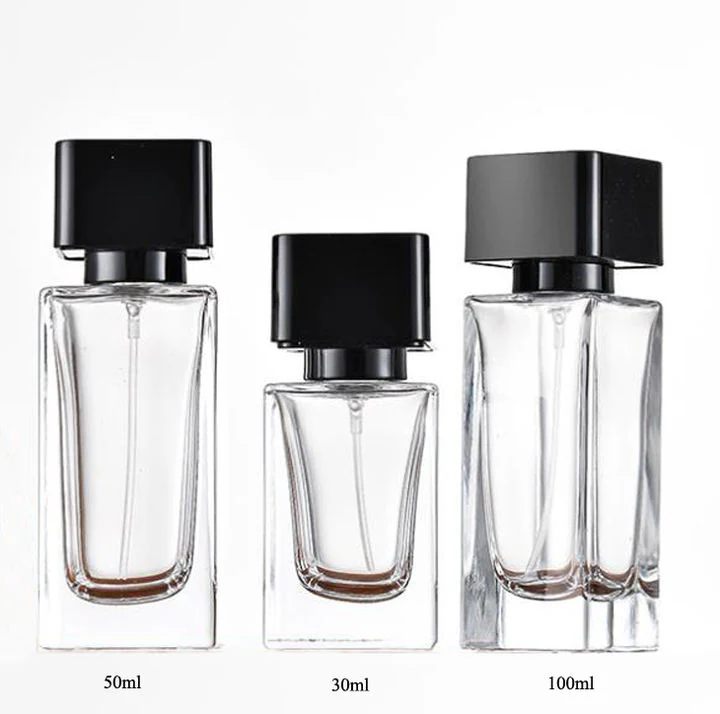
Bolivia’s glassware industry may be smaller than those in neighboring countries, but it plays a vital role in supporting the nation’s growing consumer and hospitality sectors. From household items to decorative pieces, Bolivian manufacturers focus on producing durable, affordable, and environmentally responsible glassware. The market has gradually evolved from basic bottle production to include tableware, drinkware, and artistic glass crafts.
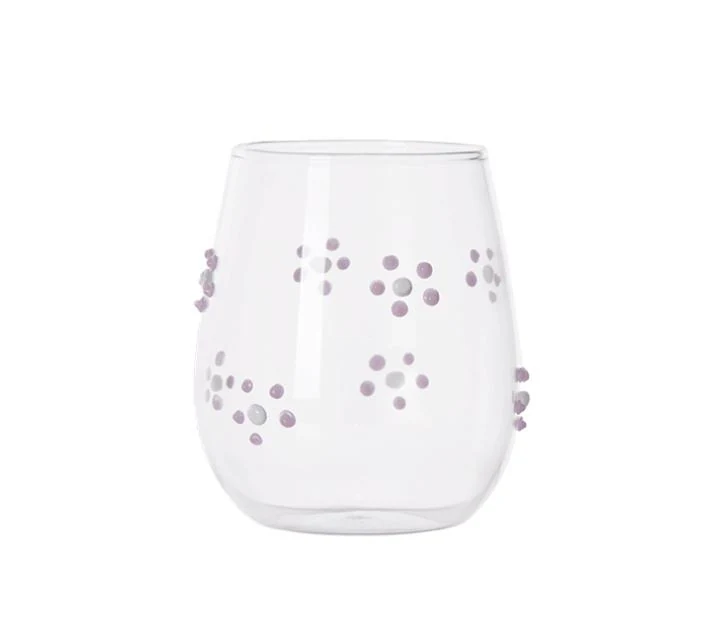
Local demand is driven by urban growth, tourism, and the expansion of restaurants and hotels in cities like La Paz, Cochabamba, and Santa Cruz. Consumers increasingly prefer locally produced glass goods due to their price competitiveness and support for domestic industries. Meanwhile, small enterprises are blending traditional craftsmanship with new technologies to attract export buyers from Peru, Argentina, and Chile. As sustainability gains importance, many Bolivian factories now prioritize recycling and resource efficiency in their operations.
Government initiatives promoting local manufacturing and environmental responsibility have also encouraged investment in the glass sector. Programs focused on circular economy principles have led to partnerships between recyclers and producers, helping reduce waste and production costs. With the right balance of heritage, innovation, and eco-consciousness, Bolivia’s glassware industry is poised to expand further, especially in niche markets that value handmade or recycled glass products.
Part 2: Leading Companies
VidrioLux S.R.L.
Founded in 1988 in Cochabamba, VidrioLux S.R.L. is one of Bolivia’s leading glass manufacturers. The company began as a small workshop making window glass and bottles but later diversified into tableware, drinkware, and custom decorative glass. Over the decades, it has become a trusted supplier for hotels, restaurants, and retailers across the country.
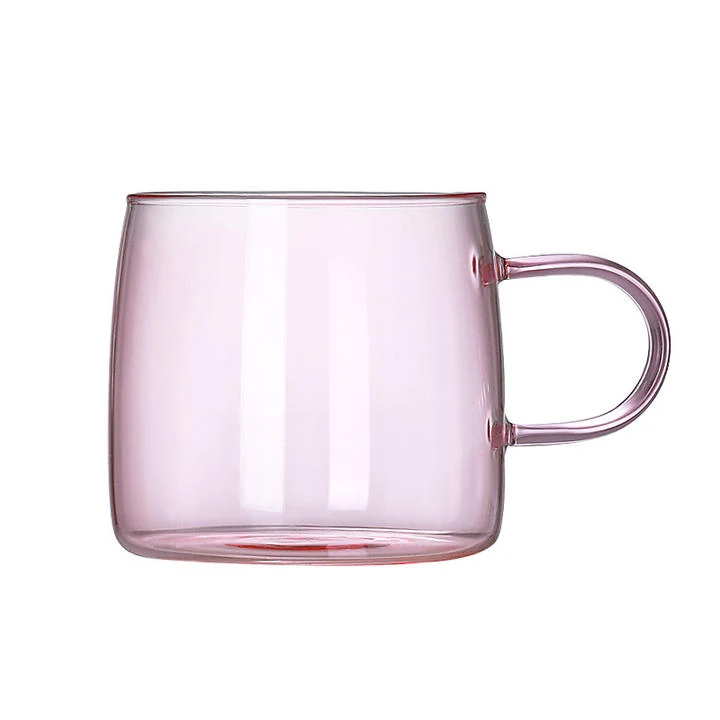
VidrioLux produces glass cups, tumblers, vases, and jars, focusing on both clarity and durability. Its product line caters to both functional and aesthetic uses, balancing practicality with style. The company serves multiple industries, including food service, retail, and home décor. Technologically, VidrioLux stands out for its energy-efficient furnaces and recycled glass input, reducing its environmental footprint. It has received national recognition for sustainable manufacturing and workplace safety standards.
Cristalería Andina
Cristalería Andina, based in La Paz, is a pioneer in the production of artisanal and decorative glassware in Bolivia. Established in 1994, the company was founded by local artisans who sought to preserve traditional Andean craftsmanship while adapting it to contemporary markets.

The firm produces hand-blown glass, colorful ornaments, candle holders, and custom gift sets. Its customers include tourist shops, hotels, and design boutiques in Bolivia and abroad. Cristalería Andina’s designs often incorporate indigenous patterns and natural color tones, reflecting Bolivian culture. The company emphasizes sustainable sourcing, using up to 70% recycled materials. Its workshops have been featured in cultural fairs and design expos across South America, showcasing the artistic side of Bolivian glassmaking.
Envibol (Envases de Vidrio de Bolivia)
Envibol is the country’s largest industrial glass producer, headquartered in Zuda?ez, Chuquisaca. Established in 2017 by the Bolivian government, it plays a crucial role in providing bottles, jars, and containers for the beverage and food industries. Envibol represents Bolivia’s efforts to strengthen domestic production and reduce dependence on imports.

The company manufactures glass packaging for water, beer, soft drinks, and other products, serving brands across the nation. It also produces promotional glassware for events and restaurants. Envibol integrates modern European production lines, ensuring precision, hygiene, and energy efficiency. It operates under ISO quality standards and supports the local economy through job creation. The firm’s focus on circular production and recycling aligns with Bolivia’s broader sustainability goals.
| Company | Founded | Core Products | Industries | Certifications |
|---|---|---|---|---|
| VidrioLux S.R.L. | 1988 | Drinkware, tableware | Hospitality, Retail | Sustainable Manufacturing |
| Cristalería Andina | 1994 | Decorative glass, ornaments | Tourism, Design | Cultural Heritage |
| Envibol | 2017 | Bottles, jars, containers | Beverage, Packaging | ISO Quality Standards |
Part 3: Trade Shows and Industry Events
Expoindustria Bolivia
Expoindustria Bolivia is one of the country’s major trade fairs focusing on manufacturing, technology, and industrial innovation. Held annually in Santa Cruz, it brings together manufacturers, suppliers, and distributors from various sectors, including glass, ceramics, and packaging.

The event typically takes place in August and serves as a platform for networking, product showcases, and technology exchange. For glassware companies, it’s an opportunity to highlight advancements in recycling, automation, and design trends. Workshops during the fair often focus on sustainable production, energy efficiency, and export strategies, helping local companies connect with regional markets in Latin America.
Feria Internacional de La Paz
Held every July, the Feria Internacional de La Paz (FILP) is a vibrant event featuring consumer goods, home décor, crafts, and food industries. Local glass producers and artisans participate to display their latest collections of decorative and household glassware.

This fair attracts thousands of visitors, including importers, retailers, and design enthusiasts. The exhibition highlights the diversity of Bolivian creativity, combining industry professionalism with cultural flair. One of its popular sections is the “Eco-Innovation Pavilion,” where companies demonstrate environmentally friendly manufacturing techniques. Many partnerships between Bolivian artisans and foreign distributors begin at this event.
| Event | Date | Location | Highlights |
|---|---|---|---|
| Expoindustria Bolivia | August (annual) | Santa Cruz | Industrial innovation, sustainability |
| Feria Internacional de La Paz | July (annual) | La Paz | Crafts, design, eco-innovation |
Part 4: Impact of Global Trade Policies
Bolivia’s glassware industry has been shaped by global trade trends and regional economic policies. While international competition remains strong, domestic policies encourage local production and import substitution, reducing dependency on foreign glass products.

Trade partnerships with neighboring countries-especially Brazil, Argentina, and Chile-have opened limited export opportunities for Bolivian glassware, particularly in the decorative and artisanal segments. However, import tariffs and transportation challenges continue to limit large-scale expansion. The government’s emphasis on sustainability has led to increased recycling incentives and collaboration between private companies and environmental organizations.
Global shifts toward eco-friendly and handmade products also benefit Bolivian manufacturers. Buyers seeking unique, sustainable, and culturally inspired items are increasingly drawn to Bolivian glassware, which blends authenticity with functionality. Yet, challenges remain, including access to advanced machinery, fluctuating raw material prices, and logistics across mountainous regions. Overcoming these barriers requires ongoing collaboration between public institutions and private enterprises to build stronger production and export frameworks.
Part 5: Conclusion
Bolivia’s glassware industry tells a story of resilience, innovation, and cultural pride. From the handcrafted beauty of Cristalería Andina to the industrial strength of Envibol, Bolivian manufacturers have found ways to blend artistry with modern efficiency. As sustainability and local craftsmanship gain importance globally, Bolivia is well-positioned to showcase its unique approach to glass production-rooted in tradition yet forward-looking in spirit.
Still, the sector faces hurdles. Infrastructure limitations, high logistics costs, and competition from mass producers in other countries remain real challenges. But the continued support from government programs, trade fairs, and regional partnerships suggests a promising future. With creativity, sustainability, and dedication, Bolivia’s glassware manufacturers are shaping an industry that not only reflects their culture but also connects them to the world.
Recommended Reading:
- Glassware Manufacturers in Kosovo
- Glassware Manufacturers in Zimbabwe
- Glassware Manufacturers in Serbia
- Glassware Manufacturers in Oman
- Glassware Manufacturers in Palestine
- Glassware Manufacturers in Zambia
- Glassware Manufacturers in Yemen
- Glassware Manufacturers in Venezuela
Glass Cup Manufacturer Burundi
Glass Bottle Manufacturers in Mozambique
Round Glass Honey Jars with Tin Lid 5 oz 10 oz
Glassware Manufacturers in Mozambique