Skip to content
Part 1: Market Size and Growth
The glassware industry in Brazil has grown into a vital part of the country’s manufacturing and export economy. Known for its balance between mass production and creative design, Brazil’s glass sector serves both domestic demand and global markets across South America, North America, and Europe. The country’s rich supply of raw materials and expanding middle class have made it one of Latin America’s strongest glass producers.
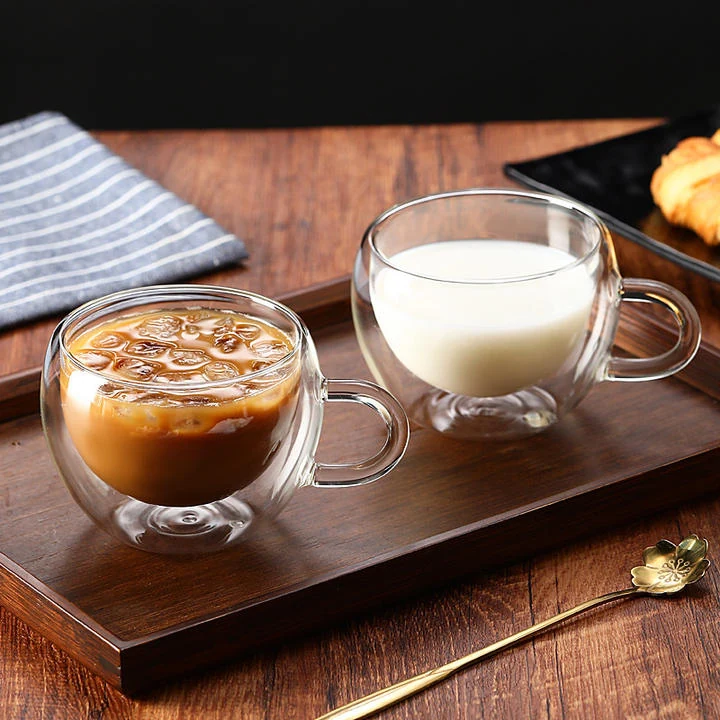
Brazil’s glassware market includes tableware, packaging glass, crystal glass, and decorative glass. In recent years, it has seen steady growth due to rising hospitality demand, booming home décor trends, and export diversification. The rise of restaurants, hotels, and home design e-commerce platforms has driven an appetite for both practical and artistic glass products.
The government’s investment incentives for manufacturing and environmental policies supporting recycled materials and energy efficiency have also played a key role. Industrial hubs in S?o Paulo, Santa Catarina, and Rio Grande do Sul host the majority of Brazil’s glass production. These regions combine traditional know-how with advanced technology, allowing local producers to compete globally while emphasizing sustainability and style.
Part 2: Leading Companies
Nadir Figueiredo S/A
Founded in 1912, Nadir Figueiredo is Brazil’s largest and oldest glassware manufacturer, with over a century of expertise in producing household and professional glass products. Headquartered in S?o Paulo, the company is known for its innovation, high production capacity, and diverse product portfolio.

Nadir Figueiredo manufactures drinking glasses, storage containers, cookware, and customized promotional items. Its flagship brands, such as Nadir and Marinex, are household names in Latin America. The company’s strength lies in blending durability with affordability while maintaining consistent quality standards.
It serves retail, food service, and export industries, distributing to more than 120 countries. Nadir Figueiredo operates advanced manufacturing lines that recycle glass waste and use natural gas furnaces to reduce emissions. The company holds multiple ISO certifications and has received design awards for its commitment to sustainable and functional glassware design.
Wheaton Brasil Vidros
Wheaton Brasil, located in S?o Bernardo do Campo, S?o Paulo, was founded in 1952 and has become a leader in decorative and packaging glass manufacturing. Originally a branch of the U.S. Wheaton Industries, the Brazilian operation evolved into an independent company focused on design-driven innovation.

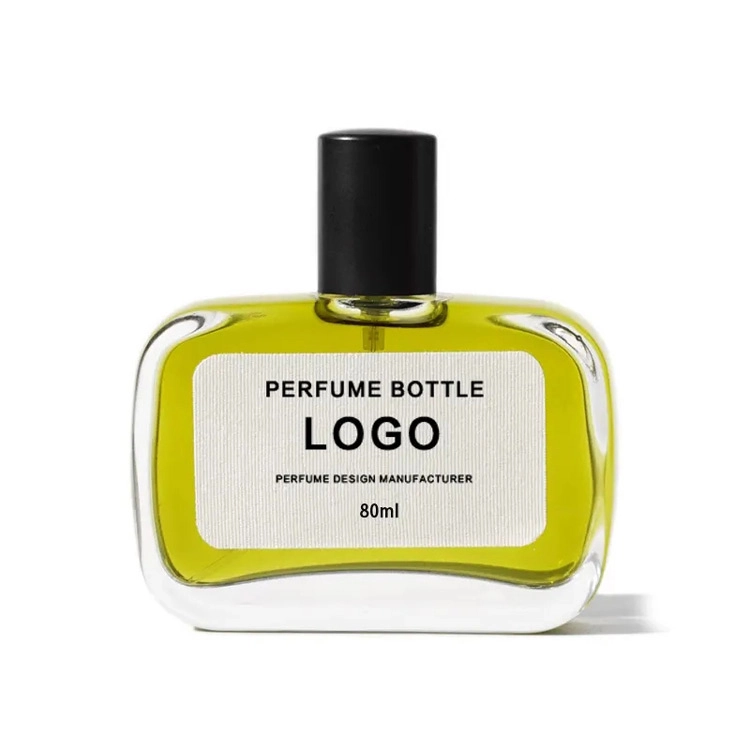
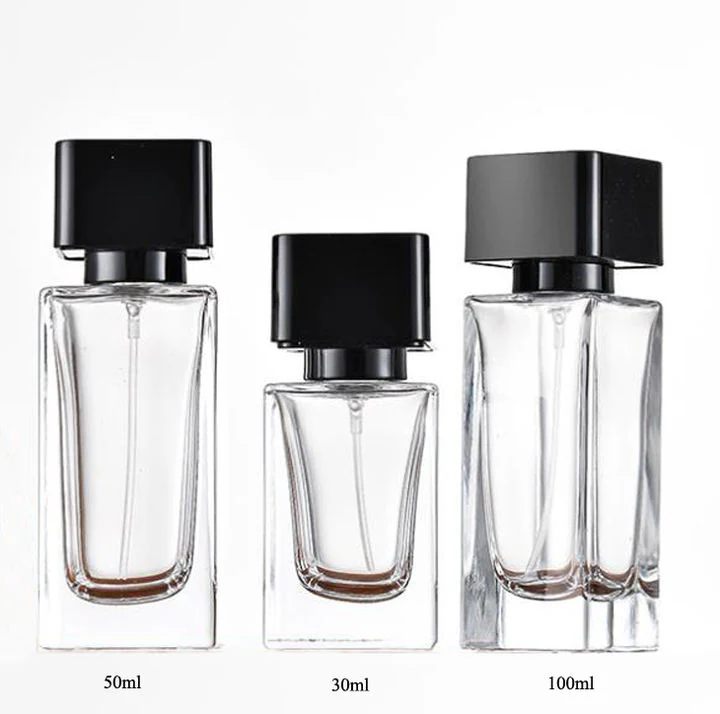
The company produces perfume bottles, food jars, beverage containers, and glass art décor. It combines aesthetic creativity with cutting-edge industrial technology, serving both domestic and international brands in cosmetics, beverages, and luxury goods sectors.
Wheaton Brasil serves beauty, food, and spirits industries, offering design, decoration, and customization services. Its advanced printing and finishing processes set global standards in premium packaging. The company is ISO 9001 and ISO 14001 certified, emphasizing environmental management, and has received several awards for innovation and design excellence in Latin America.
Schmidt Vidros
Schmidt Vidros, founded in the 1970s in Santa Catarina, is a family-owned company known for decorative and table glass production. Combining artisanal craftsmanship with modern design, it caters to Brazil’s hospitality and home décor markets.

The company specializes in tableware, decorative bowls, candle holders, and custom-designed pieces. Each product reflects a blend of local culture and contemporary design trends. Schmidt Vidros focuses heavily on quality finishing, exporting to neighboring South American countries and select European clients.
Schmidt Vidros serves hospitality, retail, and interior design markets, emphasizing handmade and small-batch production. The brand has been recognized for its eco-friendly approach, using recycled materials and solar-assisted production systems. It has received design awards for sustainability and craftsmanship within the Brazilian design community.
| Company | Founded | Core Products | Industries | Certifications |
|---|---|---|---|---|
| Nadir Figueiredo | 1912 | Tableware, cookware, storage glass | Retail, Food Service, Export | ISO Certified |
| Wheaton Brasil | 1952 | Perfume bottles, packaging glass | Cosmetics, Food, Beverage | ISO 9001, ISO 14001 |
| Schmidt Vidros | 1970s | Tableware, decorative glass | Hospitality, Retail, Interiors | Design & Sustainability Awards |
Part 3: Trade Shows and Industry Events
Fispal Tecnologia
Fispal Tecnologia, held annually in S?o Paulo, is one of the largest trade shows for food, beverage, and packaging industries in Latin America. It brings together suppliers of machinery, packaging, and glass containers, serving as a key platform for glass manufacturers like Wheaton Brasil to present their innovations.

The exhibition attracts thousands of visitors from across Latin America, including buyers from major beverage and food companies. Highlights include live demonstrations of packaging technology, sustainability discussions, and export networking sessions. For glass producers, it’s an essential event to connect with brands seeking eco-friendly and aesthetic packaging solutions.
House & Gift Fair South America
The House & Gift Fair, held biannually in S?o Paulo, is Latin America’s largest home and décor exhibition. It features a wide range of products, including tableware, home accessories, and handmade glass décor from Brazilian and international brands.

This event gathers importers, distributors, and retailers looking for high-quality lifestyle products. It offers valuable insight into consumer trends and showcases Brazil’s creative potential in glass design. Manufacturers such as Nadir Figueiredo and Schmidt Vidros regularly participate to launch new collections and secure distribution partnerships.
| Event | Date | Location | Highlights |
|---|---|---|---|
| Fispal Tecnologia | June (annual) | S?o Paulo | Packaging innovation, B2B networking, sustainability focus |
| House & Gift Fair | February & August | S?o Paulo | Home décor, tableware trends, export opportunities |
Part 4: Impact of Global Trade Policies
Brazil’s glassware industry operates within a complex global trade environment, influenced by tariff policies, export regulations, and environmental standards. As part of Mercosur, Brazil enjoys preferential trade terms within South America, allowing glassware exports to reach markets such as Argentina, Chile, and Uruguay more easily.
However, global competition and energy costs present ongoing challenges. Imports from Asia, particularly China, have increased pressure on local producers. To remain competitive, Brazilian manufacturers emphasize quality, design innovation, and sustainability, offering unique value beyond price competition.
Government policies promoting recycling and renewable energy have accelerated modernization within the industry. Companies are investing in electric and hybrid furnaces, improving efficiency while cutting carbon emissions. Brazil’s National Solid Waste Policy has further encouraged manufacturers to incorporate recycled materials into production, aligning local operations with international sustainability standards.
Trade partnerships with Europe and North America continue to expand, especially in luxury and decorative glass segments. These relationships are supported by Brazil’s reputation for creative design, raw material quality, and competitive manufacturing. As global consumers shift toward sustainable and ethically made products, Brazilian glassmakers are finding new opportunities in both mainstream and niche markets.
Part 5: Conclusion
The glassware manufacturing industry in Brazil stands out for its balance of scale, design, and sustainability. From the industrial strength of Nadir Figueiredo and Wheaton Brasil to the artisanal creativity of Schmidt Vidros, the country’s manufacturers represent the best of Latin American craftsmanship and innovation. Their adaptability and emphasis on eco-conscious production position them well in today’s global market.
Nevertheless, the sector faces challenges - energy costs, import competition, and logistics constraints remain pressing issues. Success in the coming years will depend on how effectively companies can integrate green technologies, digital manufacturing, and design-driven strategies. With its strong cultural heritage and modern production capabilities, Brazil is poised to remain a vital player in the global glassware landscape, merging artistry with sustainability in every piece it creates.
Recommended Reading:
- Glassware Manufacturers in Italy
- Glass Cup Manufacturer Honduras
- Glass Cup Manufacturer Ethiopia
- Glass Cup Manufacturer Libya
- Glass Cup Manufacturer Bolivia
- Glass Cup Manufacturer Kosovo
- Glass Cup Manufacturer Serbia
- Glass Cup Manufacturer Oman
Double Wall Borosilicate Glass Espresso Cup Set
Volcano bottom Perfume Bottle 30ml 50ml 100ml
9.5Oz Vintage Embossed Whiskey Glass Tumbler
400ml Glass Mason Canning Jar with Tinplate Lid