Skip to content

Part 1: Market Size and Growth
Colombia’s glassware industry has developed rapidly in the past two decades, evolving from basic bottle production into a diverse ecosystem of household, industrial, and decorative glass manufacturers. When I first explored Colombia’s industrial landscape, I was struck by how modern and competitive its glass plants have become — combining traditional craftsmanship with innovative technology.
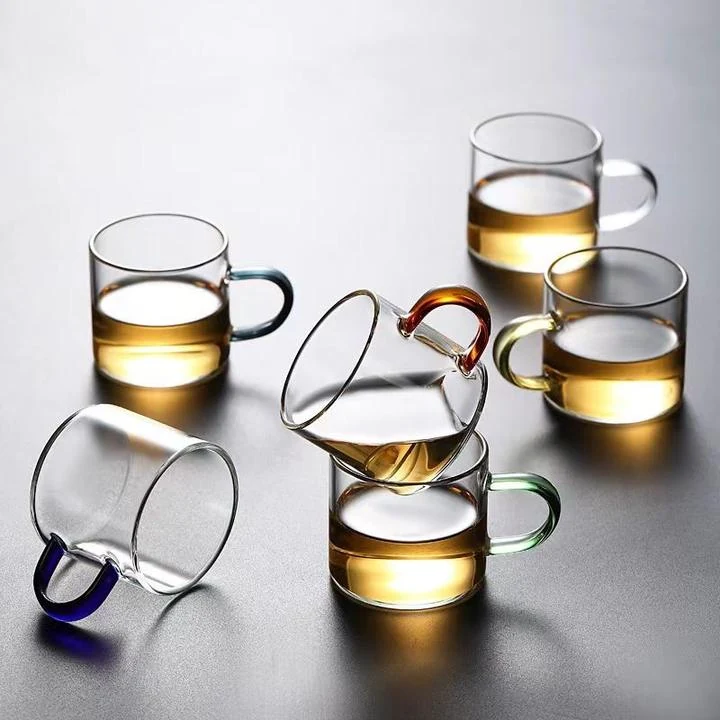
The growth of the hospitality, restaurant, and beverage sectors has driven local demand for tableware, drinkware, and packaging glass. Colombia’s expanding middle class and tourism industry have also created a steady market for stylish home and hotel glass products. Local producers are responding by introducing new designs and materials that meet both local and export standards.
Government support for industrial innovation and foreign investment has strengthened this progress. Colombia’s free trade agreements with the U.S., the EU, and neighboring Latin American countries make it an attractive hub for manufacturing and export. As energy efficiency and sustainability gain importance, glassware companies here are adapting through recycling systems and cleaner production methods, setting the stage for long-term growth.
Part 2: Leading Companies
Peldar S.A. (O-I Colombia)
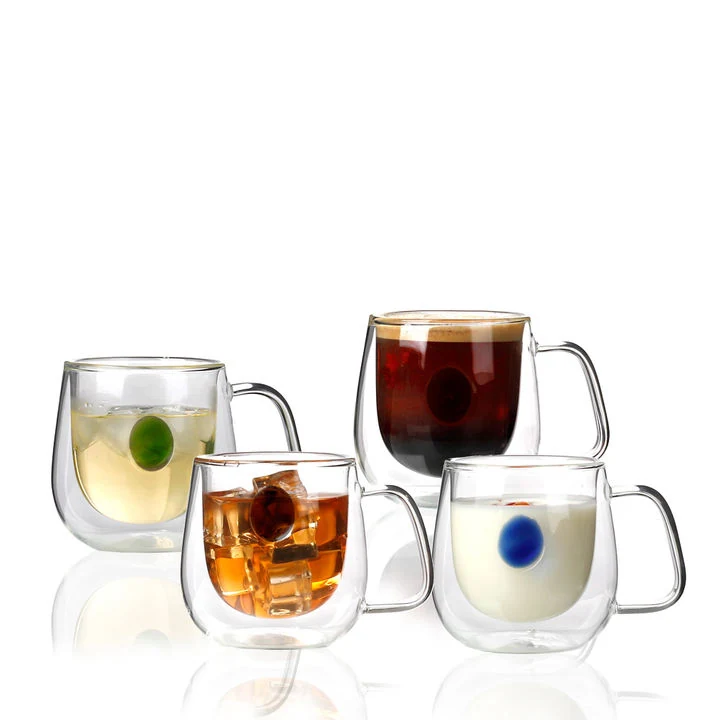
Peldar S.A., part of the global O-I (Owens-Illinois) group, is Colombia’s largest glass manufacturer and one of the most respected in Latin America. Founded in 1944, it produces glass bottles, jars, and tableware for domestic and international markets. Peldar’s manufacturing plant in Medellín is known for its scale, quality control, and commitment to sustainability.
The company supplies glass containers to the beverage, food, and pharmaceutical industries while also supporting custom designs for premium drinkware and promotional glassware. Peldar emphasizes circular economy practices — over 50% of its glass production comes from recycled cullet. This approach reduces energy consumption and environmental impact.
Peldar’s advanced technology and international certifications make it a reliable partner for global brands. It has also played a key role in developing Colombia’s glass recycling infrastructure, working with local communities and partners to improve collection systems.
Cristar S.A.S.

Cristar S.A.S. is one of the best-known tableware and home glassware manufacturers in Colombia. Established in 1982 in Buga, Valle del Cauca, the company specializes in producing drinkware, bowls, plates, jugs, and decorative glass items. It serves both local retailers and international markets, including the United States, Mexico, and several European countries.
Cristar’s strength lies in its design innovation and product quality. The company invests in continuous research to create durable, elegant, and practical glassware collections. It collaborates with designers and hospitality brands to produce OEM and private-label glassware for hotels and restaurants.
Sustainability is also central to Cristar’s operations. The company uses energy-efficient furnaces, recycles cullet, and follows strict environmental regulations. With its focus on quality and style, Cristar represents the creative and modern face of Colombia’s glassware industry.
Vidrio Andino S.A.
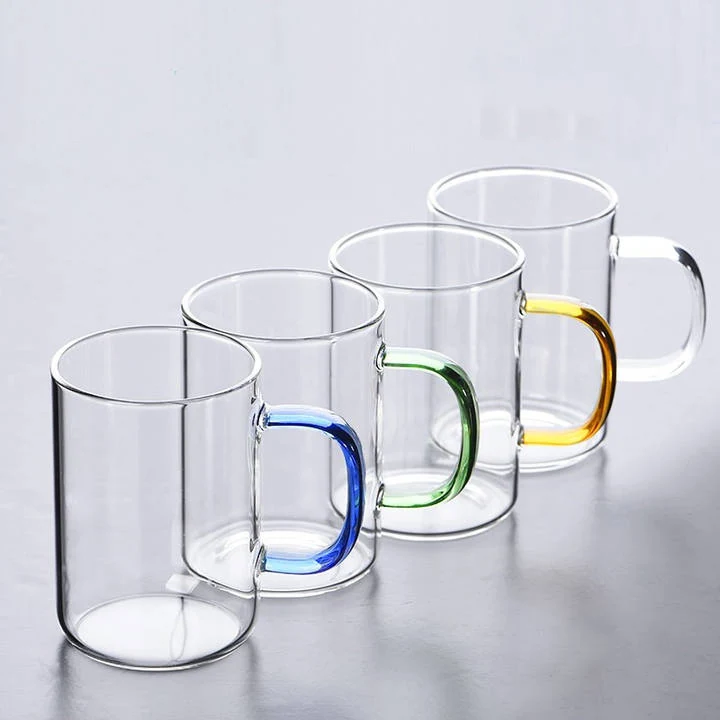
Vidrio Andino S.A. is a joint venture between Saint-Gobain (France) and Tecnoglass (Colombia). Founded in 1997, it primarily produces flat and architectural glass, but it has expanded into decorative and specialty glass products used in both construction and home décor. While not a traditional tableware manufacturer, its technology and production standards influence the entire Colombian glass sector.
Its advanced float glass plant in Soacha, Cundinamarca, provides materials for mirrors, interior partitions, and custom glass projects. Many local decorative glassware companies source their raw materials from Vidrio Andino due to its consistent quality and modern coating technologies. The company’s sustainable practices and recycling systems set industry benchmarks for glass production in Colombia.
Vidrio Andino’s commitment to innovation has helped elevate Colombia’s glass industry reputation in Latin America. Its export reach spans Peru, Ecuador, and Chile, making it a key player in regional supply chains.
Artiglass Colombia

Artiglass Colombia represents the artisan side of the industry. Based in Bogotá, it specializes in handmade glassware, decorative pieces, and personalized designs. Established in 2005, the company focuses on blending traditional techniques with modern aesthetics. Its product range includes wine glasses, bowls, vases, and custom gift sets, often featuring engraved or hand-painted details.
The company serves boutique hotels, restaurants, event organizers, and interior designers seeking unique and creative glass products. Artiglass places strong emphasis on craftsmanship and sustainability, using recycled glass and natural pigments. Each piece is produced in small batches, ensuring individuality and quality.
Artiglass is also active in export markets, especially in North America and Europe, where handmade Colombian glassware is increasingly valued for its authenticity and artistry. This segment complements the country’s large-scale industrial production with a human and artistic touch.
| Company | Founded | Core Products | Industries | Certifications |
|---|---|---|---|---|
| Peldar S.A. (O-I Colombia) | 1944 | Bottles, jars, drinkware | Beverage, food, pharma | ISO, sustainability standards |
| Cristar S.A.S. | 1982 | Tableware, drinkware, décor | Hospitality, retail | Environmental compliance |
| Vidrio Andino S.A. | 1997 | Flat, decorative, and coated glass | Construction, décor | Saint-Gobain quality certification |
| Artiglass Colombia | 2005 | Handmade glassware, décor | Boutique retail, hotels | Artisan certification (Bogotá Chamber of Commerce) |
Part 3: Trade Shows and Industry Events
The most significant platform for glassware producers in Colombia is the Feria del Hogar (Home Fair), held annually in Bogotá. This event gathers manufacturers, artisans, and distributors of household goods, including glassware, ceramics, and home décor. Glass companies showcase their latest tableware collections, handmade designs, and sustainable packaging concepts.

The fair attracts over 200,000 visitors every year, making it a vital networking event for both domestic and international buyers. Companies like Cristar and Artiglass use the event to debut new product lines and connect with export partners.
Another important event is ExpoCamacol, Latin America’s largest construction and design fair, held in Medellín. Although it primarily focuses on architecture and materials, companies like Vidrio Andino participate to display their latest innovations in decorative and flat glass. The event promotes collaboration among architects, designers, and glass producers, supporting innovation in both functional and decorative applications.
| Event | Date | Location | Highlights |
|---|---|---|---|
| Feria del Hogar | September (Annual) | Bogotá | Home goods, tableware, handcrafted glassware |
| ExpoCamacol | August (Biennial) | Medellín | Construction glass, design innovation |
Part 4: Impact of Global Trade Policies
Global trade policies play a crucial role in Colombia’s glassware industry. Free trade agreements (FTAs) with the United States, the European Union, and Mexico have opened new export markets and lowered tariffs on machinery and raw materials. These agreements allow Colombian manufacturers to access high-quality technology and expand their distribution networks abroad.

However, the global shift toward sustainability and environmental responsibility has brought new challenges. Energy costs and emission standards are becoming more stringent, requiring investments in cleaner furnaces and recycling systems. Companies like Peldar and Cristar have responded by adopting closed-loop production systems, which reuse waste glass and reduce carbon emissions.
Another challenge is competition from Asian imports, particularly from China and India, where mass production costs are lower. To stay competitive, Colombian manufacturers are focusing on design, craftsmanship, and niche markets that value quality and sustainability. The country’s strong reputation for artistry and innovation helps differentiate its products globally.
Moreover, political stability and improvements in logistics infrastructure — including ports and transport routes — have made exports more efficient. As Colombia continues to strengthen trade ties with other Latin American countries, its glassware industry stands to gain from regional integration and increased demand for eco-friendly products.
Part 5: Conclusion
Colombia’s glassware manufacturing industry reflects a perfect balance of industrial strength and artisanal creativity. Large-scale producers like Peldar and Cristar lead in technology, efficiency, and exports, while smaller studios like Artiglass bring artistry and individuality to the market. Together, they make Colombia a regional leader in both commercial and decorative glass production.
With continued government support, sustainable innovation, and growing demand from the hospitality sector, Colombia is well-positioned for long-term growth. The country’s combination of skilled craftsmanship, modern infrastructure, and access to international markets makes it a promising hub for glassware manufacturing in Latin America.
Still, challenges such as energy costs and import competition require adaptation. Yet, by focusing on design, sustainability, and quality, Colombian manufacturers can continue to expand globally. For international buyers seeking authentic, well-crafted glassware, Colombia offers both industrial reliability and the charm of human creativity.
Recommended Reading:
glass bottleGlassware manufacturers in Philippines
Glassware manufacturers in Malaysia
Glassware manufacturers in Singapore
Glassware manufacturers in Hong Kong
High Heel Perfume Bottle
Glass Bottle Manufacturers in Trinidad and Tobago
Glass Bottle Manufacturers in Qatar
Amphora Glass Jars with Metal Lids 100ml 150ml 270ml 500m