Part 1: Market Size and Growth
Finland’s glassware industry is a story of artistry, innovation, and sustainability. When I first explored the design studios in Helsinki and the glass villages of Nuutajärvi, I discovered that Finnish glassmaking is more than a craft — it’s a cultural heritage deeply tied to the country’s identity. From everyday glassware to iconic art pieces, Finnish manufacturers combine timeless design with ecological consciousness.
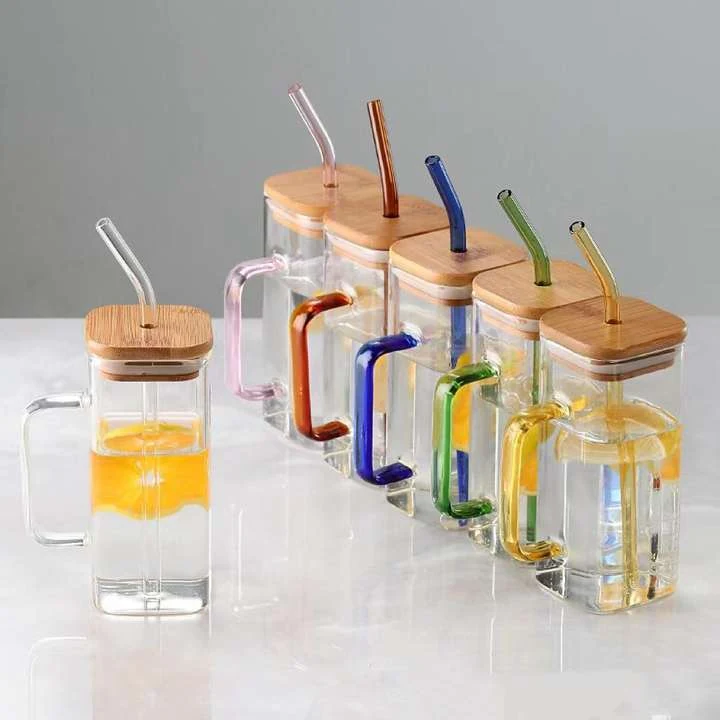
Over the past century, Finland has developed a reputation for producing some of the world’s most recognizable glass designs. The industry focuses on high-quality, design-led, and sustainable glass products, ranging from tableware and home décor to fine art glass. Local demand is supported by Finland’s strong design culture, while exports flourish in markets like Japan, Germany, and the United States.
Government support for creative industries, alongside initiatives promoting circular economy and renewable energy, has helped modernize Finland’s glass sector. Many factories now use electric furnaces powered by wind and hydro energy. This harmony between design, technology, and sustainability continues to define Finnish glassware as both functional and artistic.
Part 2: Leading Companies
Iittala (Fiskars Group)
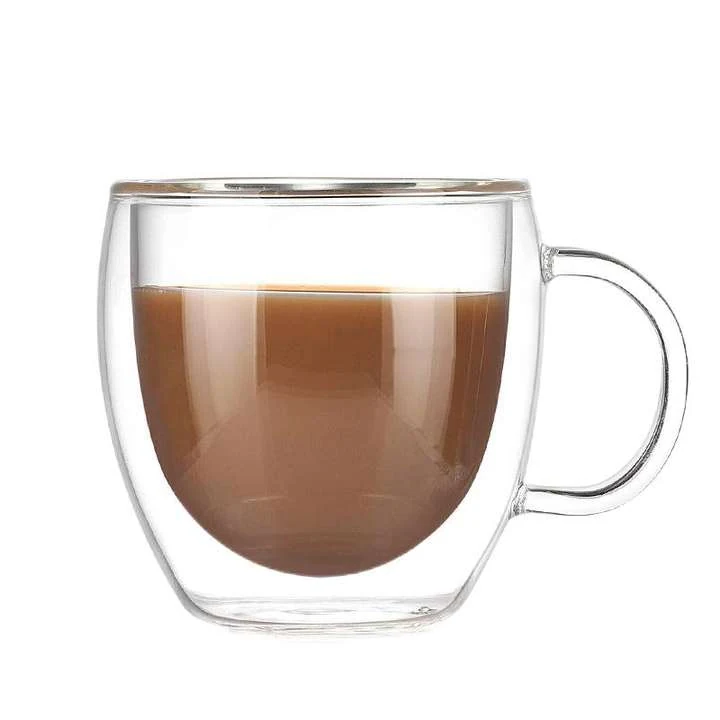
Iittala is the crown jewel of Finnish glass design. Founded in 1881 in the small village of Iittala, it began as a glass factory and has since grown into an internationally acclaimed brand under the Fiskars Group. Iittala’s products — from tableware and vases to iconic art glass — are synonymous with Nordic minimalism and modern design.
Its most famous collections include Aino Aalto, Kastehelmi, and the Alvar Aalto Vase, each reflecting simplicity and elegance. The brand collaborates with leading designers like Oiva Toikka and Kaj Franck, whose work shaped the very identity of Scandinavian glass design.
Iittala maintains a strong commitment to sustainability, using recycled glass and renewable energy in production. Its products are designed to last a lifetime, emphasizing quality over quantity — a philosophy deeply rooted in Finnish culture.
Nuutajärvi Glass Village (Nuutajärven Lasikylä)
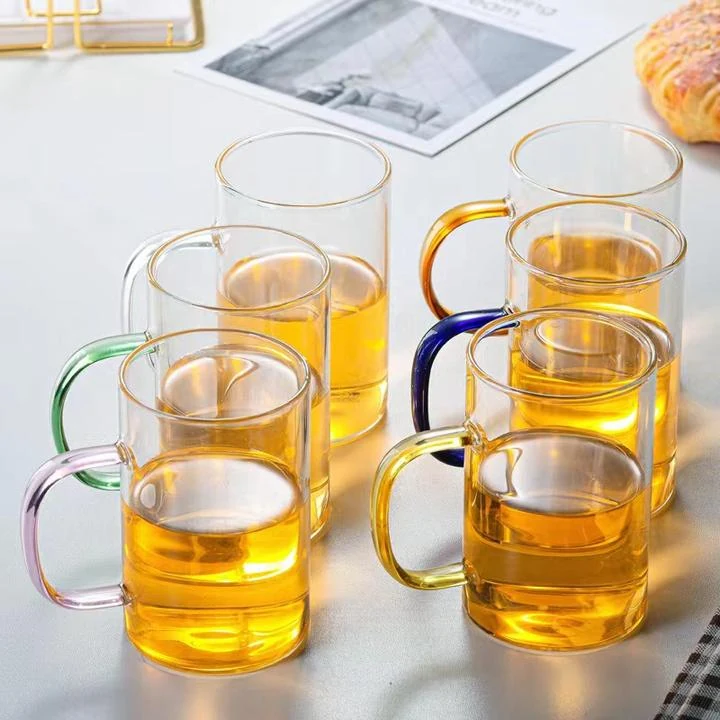
Nuutajärvi Glass Village, founded in 1793, is Finland’s oldest glassmaking center and a living symbol of the country’s glass heritage. Although the original industrial production has ceased, the site is now home to a community of independent glass artists, designers, and small-scale manufacturers who continue the centuries-old tradition of hand-blown glass.
Each workshop within the village produces unique decorative, functional, and collectible glass pieces. These creations often combine modern forms with traditional techniques, emphasizing craftsmanship and local identity.
Visitors can watch artisans at work, experience glassblowing first-hand, and purchase custom-made glassware. Nuutajärvi embodies the heart of Finnish design philosophy — where history, creativity, and sustainability coexist beautifully.
Lasisepät M. Lassila Oy
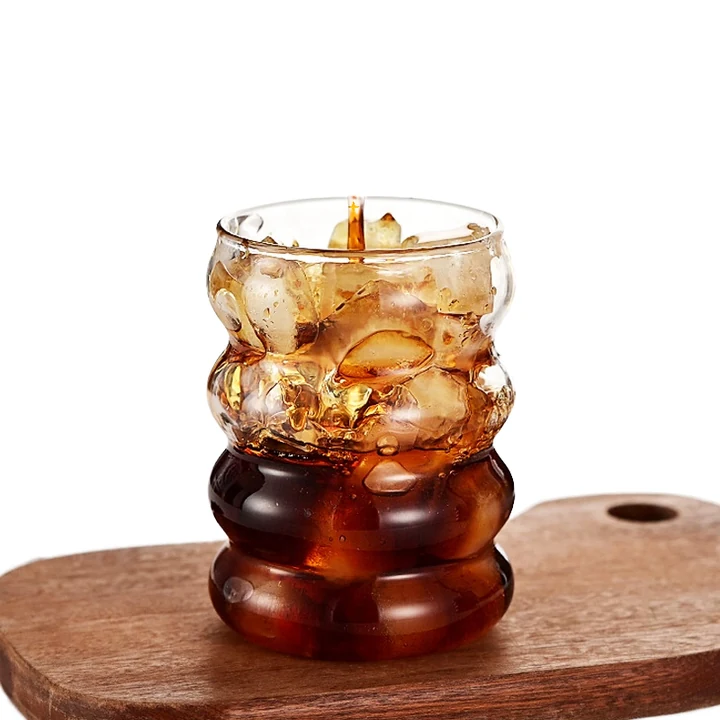
Lasisepät M. Lassila Oy is a family-owned company based in Riihimäki, known for its custom hand-blown and decorative glass products. Established in the 1970s, the company specializes in vases, bowls, trophies, and lighting glass components, blending traditional craftsmanship with modern design aesthetics.
The workshop emphasizes artisanal production and often collaborates with interior designers and event organizers. Each product is handcrafted using local materials, ensuring quality and individuality. Lasisepät also supports eco-friendly practices by recycling glass waste and using low-emission furnaces.
Their glassware often features organic shapes and soft transparency, characteristic of Finnish design. The company represents the strong link between family-owned craftsmanship and Finland’s sustainable manufacturing ethos.
Mafka & Alakoski
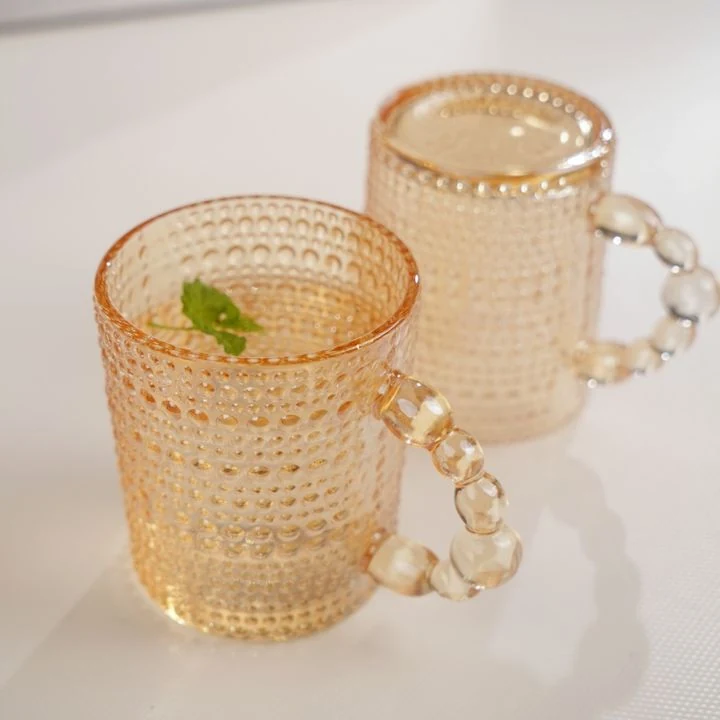
Mafka & Alakoski is a contemporary Finnish glass studio founded by artists Marja Hepo-Aho and Kari Alakoski. Based in Riihimäki, it has earned international acclaim for its artistic glass sculptures, functional glassware, and experimental designs. Each creation merges fine art with usability, capturing Finland’s connection to nature and light.
Their pieces are handmade using advanced glassblowing techniques and often incorporate bold colors, reflections, and textures. Mafka & Alakoski exemplifies the new generation of Finnish glassmakers, who push boundaries between art and design while maintaining deep respect for the material and the environment.
The studio regularly participates in design exhibitions worldwide, representing Finland in major fairs such as Milan Design Week and Formex Stockholm. Their commitment to innovation and sustainable production continues to inspire the next wave of Nordic glass artists.
| Company | Founded | Core Products | Industries | Certifications |
|---|---|---|---|---|
| Iittala (Fiskars Group) | 1881 | Tableware, decorative glass, art glass | Home, retail, design | ISO, eco-certified production |
| Nuutajärvi Glass Village | 1793 | Hand-blown glass art and décor | Art, tourism, retail | Cultural heritage site |
| Lasisepät M. Lassila Oy | 1970s | Vases, trophies, custom glass | Hospitality, décor | Local artisan certification |
| Mafka & Alakoski | 2010 | Artistic and functional glassware | Art, interior design | Sustainable workshop practices |
Part 3: Trade Shows and Industry Events
Finland’s design calendar includes several events that showcase the country’s exceptional glassware and craftsmanship. The Habitare Design Fair, held annually in Helsinki, is Finland’s largest interior and design exhibition. It features major brands like Iittala and emerging glass artists from across the country. This event celebrates Nordic lifestyle and design innovation, offering a platform for collaboration between manufacturers, designers, and buyers.
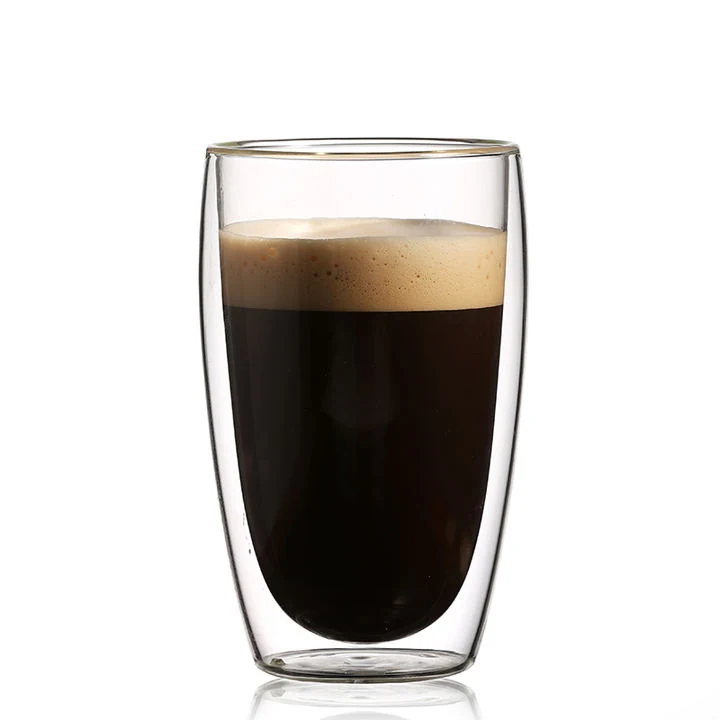
Another major event is the LUX Helsinki Light Festival, which transforms the city into an open-air art exhibition. Many Finnish glass artists, including Mafka & Alakoski, use this opportunity to present illuminated glass installations that blend art and architecture. The festival attracts visitors from all over Europe, highlighting Finland’s unique fusion of nature, light, and design.
The Fiskars Village Art & Design Biennale also plays a key role in promoting Finnish craftsmanship. It gathers artisans, glassmakers, and designers to explore the intersection of tradition and modern creativity. Together, these events reinforce Finland’s position as a global leader in sustainable and artistic glass design.
| Event | Date | Location | Highlights |
|---|---|---|---|
| Habitare Design Fair | September (Annual) | Helsinki | Nordic design, interior glass products |
| LUX Helsinki Light Festival | January (Annual) | Helsinki | Illuminated glass art, light installations |
| Fiskars Village Art & Design Biennale | June (Biennial) | Fiskars | Craftsmanship, modern art, glass design |
Part 4: Impact of Global Trade Policies
As a member of the European Union, Finland benefits from EU trade agreements and sustainability frameworks that enhance export competitiveness and environmental accountability. Finnish glassware manufacturers have leveraged these policies to strengthen their global presence while adhering to strict ecological standards.
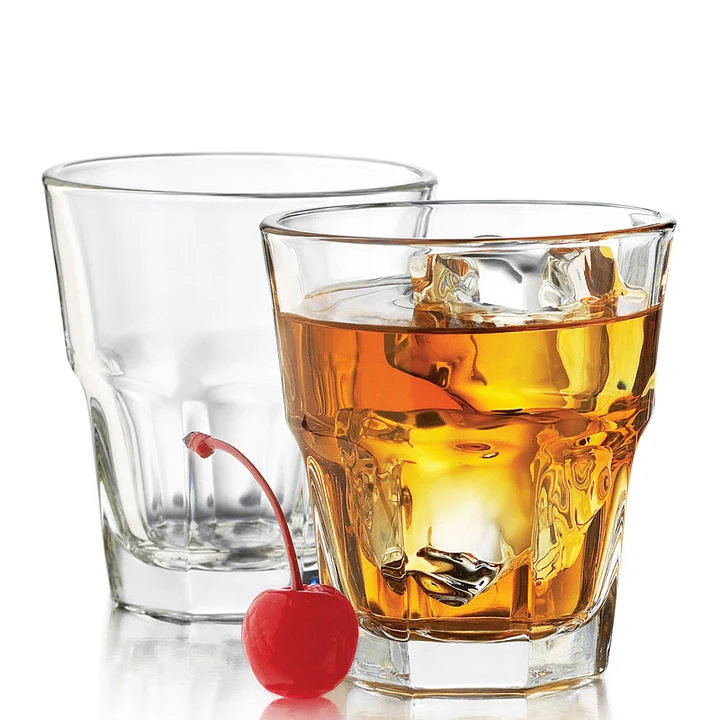
The EU’s circular economy goals have influenced Finland’s glass industry profoundly. Companies now prioritize recycled glass use, energy efficiency, and product longevity. Iittala, for instance, has committed to using 100% recycled glass in some of its collections, significantly reducing waste and emissions.
Free trade agreements with key markets — such as Japan, the U.S., and the U.K. — allow Finnish glassware to access premium consumers who value design and sustainability. However, high production costs and energy prices remain ongoing challenges. To mitigate this, many producers rely on renewable energy sources and government incentives for green manufacturing.
Global consumers increasingly associate “Made in Finland” with quality, design integrity, and eco-consciousness. This reputation continues to drive export growth and reinforces Finland’s role as a pioneer in sustainable design-driven glass manufacturing.
Part 5: Conclusion
Finland’s glassware manufacturing industry beautifully combines heritage, design, and environmental innovation. From Iittala’s timeless collections to Mafka & Alakoski’s artistic masterpieces, Finnish glassmakers showcase how creativity can align with sustainability.
The nation’s strength lies in its design philosophy — simplicity, functionality, and respect for nature. This approach has earned Finland global recognition in both the homeware and art glass markets. Whether it’s the centuries-old craftsmanship of Nuutajärvi or the contemporary artistry of modern studios, every piece of Finnish glass carries a story of light, precision, and care.
Challenges such as energy costs and small production scale remain, yet Finland’s commitment to sustainable innovation ensures long-term resilience. As global consumers seek authenticity and eco-friendly design, Finland’s glassware manufacturers stand out as true ambassadors of Scandinavian excellence, where art, design, and responsibility are perfectly intertwined.
Recommended Reading:
Glassware manufacturers in Malaysia
Glassware manufacturers in Singapore
Glassware manufacturers in Hong Kong
Glassware manufacturers in Colombia
Glassware manufacturers in Denmark
Glassware manufacturers in Egypt
Glassware manufacturers in Pakistan
Glassware manufacturers in Chile
Double Wall Borosilicate Glass Espresso Cup Set
Volcano bottom Perfume Bottle 30ml 50ml 100ml
9.5Oz Vintage Embossed Whiskey Glass Tumbler
400ml Glass Mason Canning Jar with Tinplate Lid