Part 1: Market Size and Growth
Germany’s glassware industry has a long and proud tradition that dates back centuries, rooted in craftsmanship and engineering precision. From handcrafted crystal to advanced industrial glass, German glassware represents a blend of artistry and technology. The sector has evolved beyond luxury goods to include high-performance materials for home, laboratory, and architectural applications.
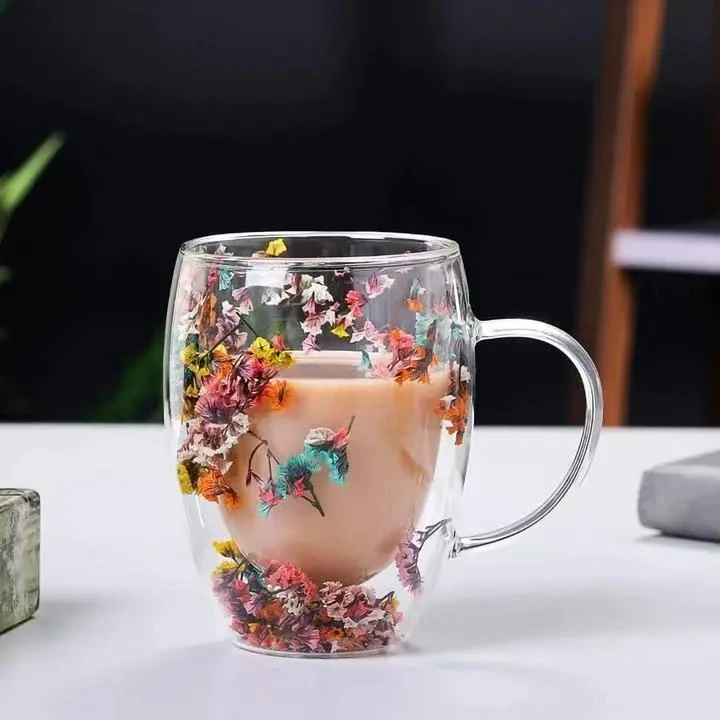
Driven by domestic demand and strong exports, the German glassware market continues to expand steadily. Consumers value durability, design, and sustainability, encouraging manufacturers to innovate in both form and function. With lifestyle trends favoring premium dining experiences, glassware for wine, beer, and cocktails has gained remarkable attention in both the retail and hospitality sectors.
Government policies supporting energy efficiency and recycling have accelerated modernization across the industry. Investments in eco-friendly furnaces and green raw materials are reshaping production lines. Regional clusters in Bavaria, Thuringia, and North Rhine-Westphalia remain the backbone of the industry, hosting both established brands and innovative startups that export worldwide.
Part 2: Leading Companies
Schott AG
Founded in 1884 by Otto Schott in Jena, Schott AG is one of the world’s leading manufacturers of specialty glass and glass ceramics. With over a century of innovation, the company plays a crucial role in both consumer and industrial applications.

Schott produces glassware ranging from household cookware and laboratory glass to advanced optical components. Its product range includes the popular CERAN® glass-ceramic cooktops found in millions of homes worldwide. Schott’s expertise in material science has enabled it to develop ultra-clear, heat-resistant, and eco-friendly glass products.
The company serves industries including home appliances, optics, pharmaceuticals, and architecture. Its key technological strength lies in high-precision melting and forming processes, as well as low-carbon manufacturing. Schott is a global leader in sustainable innovation, maintaining strict environmental standards.
The firm holds ISO certifications and numerous sustainability awards. Its consistent commitment to research and innovation has positioned it as a benchmark for modern German manufacturing excellence.
Zwiesel Glas
Zwiesel Glas, established in 1872 in the Bavarian Forest, is known worldwide for its premium crystal glassware. The company has combined traditional craftsmanship with advanced production methods to become a top supplier to hotels, restaurants, and households across the globe.

Zwiesel specializes in high-end wine glasses, barware, and decorative glass. Its brands — Zwiesel Glas and Schott Zwiesel — are synonymous with design precision and sound quality, known for the distinctive “Zwiesel note” when glasses touch. The company places a strong emphasis on elegant shapes and practical durability.
Its main industries include hospitality, catering, and home lifestyle. Technological innovations such as Tritan® crystal glass technology provide exceptional brilliance and break resistance. The glass is also lead-free and environmentally friendly, aligning with the company’s sustainability mission.
Zwiesel Glas holds certifications for environmental and quality management and has received numerous design awards. Its reputation for timeless elegance and precision has made it one of Germany’s most iconic glassware brands.
Ritzenhoff AG
Ritzenhoff AG, founded in 1990 in Marsberg, North Rhine-Westphalia, represents a modern take on German glassmaking. It combines creative design with advanced glass production, producing unique drinkware collections that blend functionality with art.
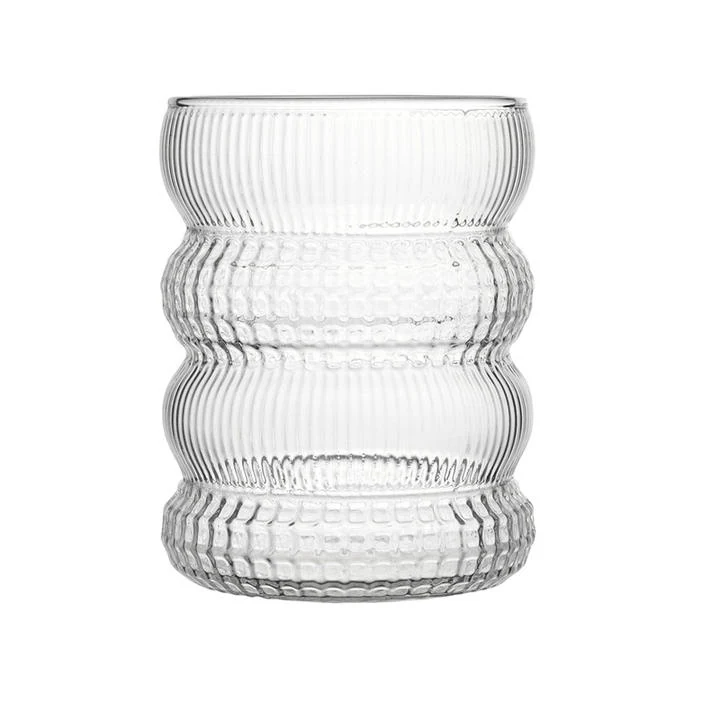
Ritzenhoff’s products include beer glasses, wine glasses, and collectible gift items featuring designs from international artists. The company is recognized for turning glassware into creative storytelling objects, appealing to design lovers and collectors alike.
Industries served include retail, gifting, and hospitality. Ritzenhoff’s technology integrates digital printing, color coating, and surface finishing, allowing for complex artistic patterns with high precision. Its focus on customization gives it a strong advantage in niche markets.
The company holds ISO certifications and several German design awards. Ritzenhoff’s unique blend of creativity and quality manufacturing makes it a distinctive player in the European glassware landscape.
| Company | Founded | Core Products | Industries | Certifications |
|---|---|---|---|---|
| Schott AG | 1884 | Specialty Glass, Ceramics | Optics, Appliances | ISO, Sustainability Awards |
| Zwiesel Glas | 1872 | Crystal Glassware | Hospitality, Lifestyle | Design & Environmental Awards |
| Ritzenhoff AG | 1990 | Artistic Drinkware | Retail, Gifting | ISO, German Design Awards |
Part 3: Trade Shows and Industry Events
Ambiente Frankfurt
Ambiente Frankfurt is Europe’s largest consumer goods fair, held every February at Messe Frankfurt. It covers dining, living, and giving sectors, making it a central event for glassware manufacturers and buyers.
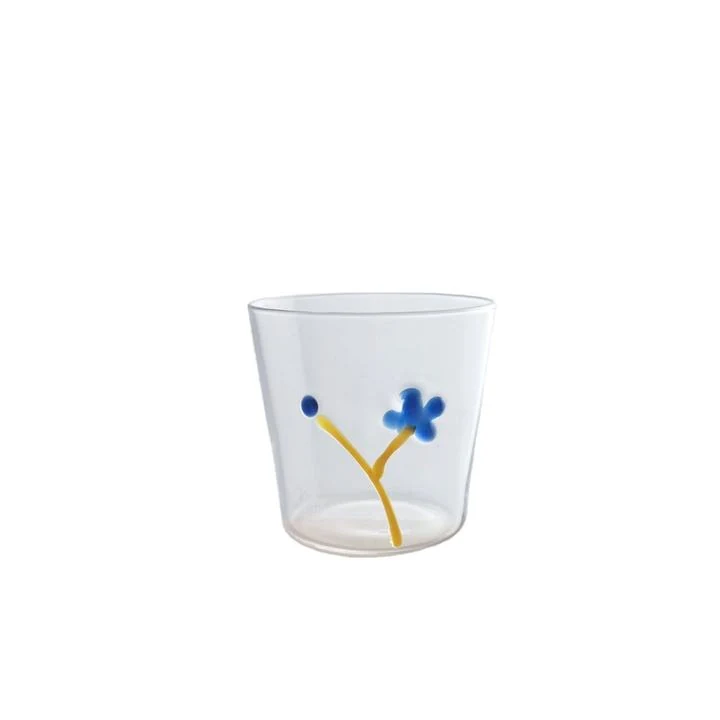
The fair attracts thousands of international exhibitors, including top German glassware brands like Zwiesel and Ritzenhoff. It serves as a platform for showcasing innovations in design, sustainability, and lifestyle trends. Attendees explore everything from tableware collections to smart kitchen solutions.
Ambiente’s highlight lies in its ability to connect traditional craftsmanship with future design directions. It provides valuable insights into how consumer preferences shape the glassware market, influencing global product development strategies.
Glasstec Düsseldorf
Glasstec, held biennially in Düsseldorf, is the world’s leading trade fair for the glass industry. It covers the entire supply chain — from glass production and processing to finishing and applications.

While heavily focused on industrial glass, Glasstec also features sections dedicated to tableware, design glass, and new technologies for eco-efficient production. German and international companies use this event to debut innovations in manufacturing and sustainability.
The highlight of Glasstec is its Glass Technology Live exhibition, which showcases research-driven innovations and prototypes. The event connects engineers, designers, and manufacturers in an environment that promotes collaboration and innovation.
| Event | Date | Location | Highlights |
|---|---|---|---|
| Ambiente Frankfurt | February (Annual) | Frankfurt | Consumer Goods, Design Trends |
| Glasstec Düsseldorf | Biennial | Düsseldorf | Industrial & Design Glass, Innovation |
Part 4: Impact of Global Trade Policies
The German glassware industry operates within a highly globalized framework, making it sensitive to international trade regulations and environmental policies. Over the past few years, European Green Deal initiatives and global sustainability goals have influenced production standards across Germany’s glass sector.
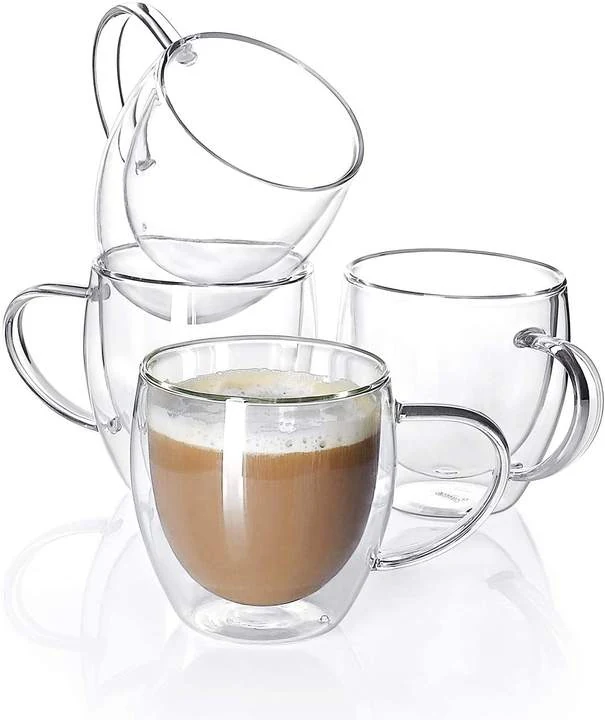
Strict EU emissions and recycling policies have pushed companies to adopt closed-loop systems. This has driven major investments in energy-efficient furnaces and renewable energy sources. As a result, many German manufacturers now lead in carbon-neutral glass production, setting examples for global peers.
Trade relations with the EU, the U.S., and Asia remain strong. German glassware is often seen as a premium import in markets like Japan, China, and the U.S. However, rising energy costs and geopolitical uncertainty have affected export competitiveness. Some manufacturers have responded by digitizing their operations and optimizing logistics networks.
Meanwhile, Brexit and post-pandemic trade adjustments have changed European distribution dynamics. Manufacturers now prioritize flexibility, shorter supply chains, and closer regional partnerships to reduce risk and maintain stability in international trade.
Part 5: Conclusion
Germany’s glassware manufacturing industry stands at the crossroads of tradition and innovation. With a foundation built on centuries of craftsmanship, German glass producers continue to redefine quality, sustainability, and design leadership. Their ability to merge artistic heritage with modern engineering keeps them at the forefront of global glassmaking.
The future outlook remains promising. As consumer demand for sustainable, locally produced, and aesthetically refined glassware grows, German brands are well positioned to lead. However, challenges such as high production costs and energy transitions will test the industry’s adaptability. Those who embrace digitalization, circular economy practices, and global collaboration will ensure that Germany remains synonymous with excellence in glassware manufacturing.
Recommended Reading:
glass bottle
Glassware manufacturers in Usa
Glassware manufacturers in China
50ml 100ml 350ml Glass Bottle Cannabis Wholesale
Mini Whisky Shot Glass For Bar Drinkware
150ml 350ml 500ml Glass Honey Canning Jars with Tin Lid
Glass Bottle Manufacturers in Syria