
Part 1: Market Size and Growth
Nigeria’s glassware industry is a growing segment within the broader manufacturing landscape. Traditionally focused on imports, the country is now witnessing a steady rise in local production, driven by population growth, urbanization, and rising demand for consumer goods. From domestic tableware to industrial glass packaging, Nigeria’s potential as a glass manufacturing hub is expanding rapidly, supported by government incentives and local entrepreneurship.
The Nigerian market for glass products includes tableware, beverage bottles, lighting glass, and building materials. A growing middle class, increased hospitality investment, and the rise of local beverage brands have all contributed to higher demand for glassware. The trend toward “Made in Nigeria” products is gaining traction, encouraging investors to establish factories and reduce dependency on imports from China and Europe. The local market now combines artisanal craft production with modern industrial capabilities.
Policy reforms under Nigeria’s industrialization agenda are encouraging local value chains. Investments in gas infrastructure and renewable energy have also made it easier for manufacturers to operate furnaces efficiently. Partnerships with foreign technical experts are introducing modern equipment and training. These developments are positioning Nigeria as West Africa’s emerging center for glass production, creating jobs and improving trade balances across related industries.
Part 2: Leading Companies
Beta Glass Plc
Beta Glass Plc is Nigeria’s largest and most established glass manufacturer. Founded in 1974, the company operates major production facilities in Agbara (Ogun State) and Ughelli (Delta State). It specializes in producing bottles and jars for the beverage, pharmaceutical, and cosmetics industries. As a subsidiary of Frigoglass Industries, Beta Glass combines international expertise with local operations.

The company’s product range includes beer bottles, soft drink bottles, spirit bottles, and jars for sauces and food products. It serves major beverage clients such as Coca-Cola, Guinness Nigeria, and Nigerian Breweries. Beta Glass also exports to neighboring West African countries, enhancing regional trade integration. Its operations rely heavily on advanced glass-forming technology and quality control systems.
Sustainability is a core part of Beta Glass’s strategy. The company runs large-scale glass recycling initiatives and continuously upgrades its furnaces to reduce energy consumption. It has achieved ISO 9001 certification for quality management. Through its investment in local sourcing and training programs, Beta Glass contributes significantly to Nigeria’s industrial development and skill-building in the manufacturing sector.
Frigoglass Industries Nigeria Ltd.
Frigoglass Industries Nigeria Ltd., the parent company of Beta Glass, plays a broader role in manufacturing and distributing cooling and glass packaging solutions. Established in 1979, Frigoglass operates across Africa, Europe, and Asia. In Nigeria, it serves as a major player in the beverage supply chain, supporting global brands with locally produced glass packaging.

The company’s glass division produces millions of containers annually, using recycled glass and locally sourced materials. Frigoglass has invested heavily in furnace modernization and digital production systems to improve energy efficiency. It also offers design and mold customization services for clients seeking unique branding solutions. The company’s Nigerian base serves as its largest manufacturing hub in Africa.
Frigoglass emphasizes sustainability through continuous process optimization and waste reduction. It partners with recycling organizations and community programs to promote circular economy practices. The company’s alignment with global quality standards ensures consistent product excellence, helping Nigeria maintain its status as a reliable supplier within West Africa’s beverage industry.
West Africa Glass Industry Ltd. (WAGIL)
West Africa Glass Industry Ltd. (WAGIL) is one of Nigeria’s newer but fast-rising glass manufacturers. Based in Aba, Abia State, it focuses on producing tableware and household glass products such as tumblers, jars, and storage containers. WAGIL’s mission is to replace imported table glass with high-quality, locally made alternatives.
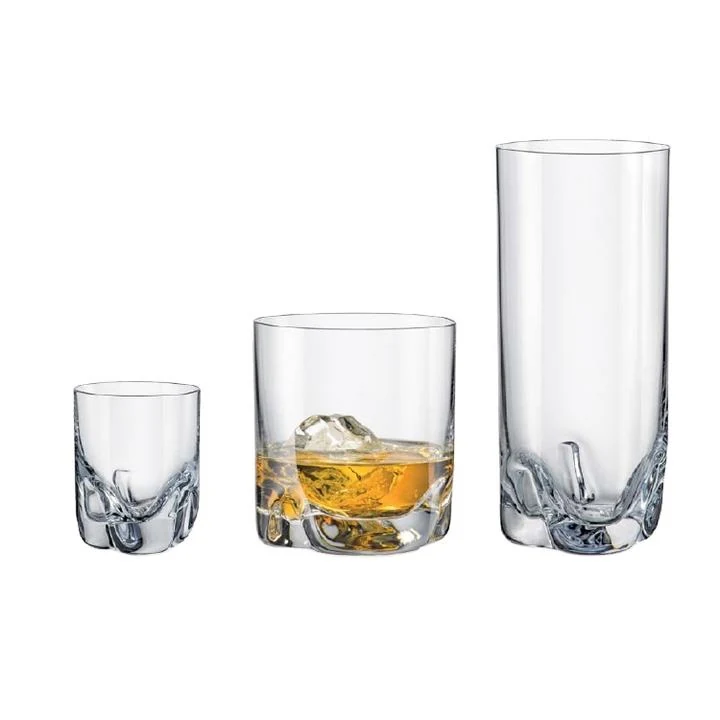
The company integrates modern glass melting and molding technology with Nigerian craftsmanship. Its products cater to local hospitality businesses, retailers, and distributors. WAGIL has gained recognition for providing affordable yet durable tableware that competes with imported brands. It also supplies customized glass packaging for SMEs in the food and beverage sector.
WAGIL actively collaborates with technical consultants from India and China to enhance production capacity. The company is committed to eco-friendly practices, using recycled materials and adopting efficient furnaces. Through innovation and affordability, WAGIL is helping to transform Nigeria’s domestic glass market and promote local manufacturing self-reliance.
| Company | Founded | Core Products | Industries | Certifications |
|---|---|---|---|---|
| Beta Glass Plc | 1974 | Bottles, jars | Beverage, cosmetics, pharmaceuticals | ISO 9001 |
| Frigoglass Industries Nigeria Ltd. | 1979 | Glass packaging, refrigeration | Beverage, industrial | Global Quality Standards |
| West Africa Glass Industry Ltd. | 2010s | Tableware, household glass | Retail, hospitality | Local Quality Certifications |
Part 3: Trade Shows and Industry Events
Lagos International Trade Fair
The Lagos International Trade Fair is Nigeria’s largest and most diverse exhibition event. Organized annually by the Lagos Chamber of Commerce and Industry (LCCI), it attracts companies from manufacturing, construction, food, and packaging sectors. For glassware manufacturers, the fair provides a valuable platform to meet buyers, distributors, and investors.

Glass producers like Beta Glass and WAGIL use the fair to showcase new products, from wine bottles to decorative glass items. The fair’s scale—drawing thousands of visitors from across Africa—makes it ideal for business-to-business networking. Exhibitors also participate in sustainability panels and workshops on local sourcing strategies.
In recent years, the event has emphasized “Made in Nigeria” themes, encouraging local manufacturers to highlight their innovations. The fair plays a crucial role in promoting industrial growth, export opportunities, and technology transfer within Nigeria’s manufacturing ecosystem.
Nigeria Manufacturing Expo (NME)
The Nigeria Manufacturing Expo, held annually in Lagos, focuses on industrial innovation, supply chain development, and machinery. It brings together engineers, producers, and investors from multiple industries, including glass manufacturing. For Nigeria’s glass sector, the expo is a major platform to explore new equipment, energy systems, and automation technologies.
The event showcases machinery for glass forming, recycling, and packaging. Technical seminars cover topics like energy efficiency, waste reduction, and process control. Companies such as Frigoglass often present their modernization projects and discuss trends in sustainable production.
NME fosters collaboration between local manufacturers and international technology providers. It also provides access to financing options through partnerships with development banks and investment agencies. The expo reflects Nigeria’s ongoing shift toward industrial modernization and environmental responsibility, driving innovation across the glass industry.
| Event | Date | Location | Highlights |
|---|---|---|---|
| Lagos International Trade Fair | Annual (November) | Lagos | B2B networking, local industry showcase |
| Nigeria Manufacturing Expo (NME) | Annual (March) | Lagos | Industrial machinery, energy efficiency, innovation |
Part 4: Impact of Global Trade Policies
Global trade and policy shifts have both challenged and empowered Nigeria’s glassware industry. The government’s import substitution policies have been key to encouraging local production, reducing dependence on foreign goods, and strengthening the naira. Tariff barriers on imported glass products have created room for domestic manufacturers to grow, though raw material costs and logistics remain hurdles.

Nigeria benefits from trade partnerships within the Economic Community of West African States (ECOWAS), which allow easier export movement to regional markets. However, global energy price fluctuations directly affect production costs, since glassmaking is energy-intensive. Manufacturers are mitigating this risk by investing in natural gas systems and renewable energy sources.
The global sustainability movement is also influencing Nigeria’s glass industry. International clients increasingly require eco-friendly packaging, pushing local manufacturers toward recycling and emission control. By aligning with global environmental standards, Nigerian glass producers are enhancing their export credibility. At the same time, competition from Asian imports continues to pressure local pricing, encouraging innovation and efficiency upgrades.
Government initiatives like the Nigeria Industrial Revolution Plan (NIRP) and the African Continental Free Trade Area (AfCFTA) further support export expansion. These frameworks aim to create a level playing field across Africa, opening opportunities for Nigeria’s glass producers to reach new markets. As policies evolve, adaptability remains key to the sector’s long-term competitiveness.
Part 5: Conclusion
Nigeria’s glassware industry is transitioning from a dependency model to a production powerhouse. Companies like Beta Glass, Frigoglass, and WAGIL are proving that local manufacturing can meet global quality standards while driving national growth. The combination of abundant natural resources, skilled labor, and policy support creates a strong foundation for the sector’s expansion. With increasing focus on sustainability and technology, Nigeria is poised to become a major glass production hub in Africa.
Yet challenges remain. Rising energy costs, logistics issues, and infrastructure gaps demand strategic solutions. Manufacturers must continue investing in renewable energy, recycling programs, and digital production systems to remain competitive. The future of Nigeria’s glassware industry depends on its ability to balance growth with sustainability, turning local potential into global recognition.
Recommended Reading:
Glassware manufacturers in Germany
Glassware manufacturers in Japan
Glassware manufacturers in India
Glassware manufacturers in UK
Glassware manufacturers in France
Glassware manufacturers in Norway
Glassware manufacturers in Israel
Glassware manufacturers in Argentina
Glass Bottle Manufacturers in Iraq
Food Grade 230ml Whiskey Bottle with Bird-Shapped Stopper
Glass Bottle Manufacturers in Belarus
Glass Beehive Honey Jar with Tinplate Lid