Part 1: Market Size and Growth
The glassware industry in Norway has a long history rooted in craftsmanship and sustainable design. In recent years, the market has shifted toward eco-friendly and locally sourced materials, reflecting Norway’s national emphasis on environmental protection and circular economy. From artisanal glass workshops in Oslo to industrial producers in Telemark, glassware continues to combine tradition with technology. Demand from hospitality, retail, and architecture has created a stable yet dynamic domestic market.

Norwegian glassware manufacturers have positioned themselves between premium artistry and functional production. The market includes small studios specializing in handmade art glass as well as larger factories producing tableware and packaging glass. The growing influence of Scandinavian minimalism has inspired export opportunities, particularly in design-conscious markets such as Germany and Japan. As home décor trends expand globally, Norwegian-made glassware is gaining recognition for its clean design and sustainable sourcing.
The government’s focus on green manufacturing and investment in energy-efficient technologies continues to influence the industry’s direction. Tax incentives for recycling glass and using renewable energy have strengthened Norway’s competitive edge in the European market. Clusters around regions like Hadeland and Tinn showcase collaboration between glass artists, universities, and technology institutes. Together, these efforts are shaping a modern and resilient glass industry that balances innovation with cultural heritage.
Part 2: Leading Companies
Hadeland Glassverk
Hadeland Glassverk is one of the oldest and most iconic glass manufacturers in Norway, founded in 1762 near Jevnaker. It began as a small glass factory producing simple household glass and has since evolved into a modern design brand. The company blends centuries-old glassblowing techniques with contemporary design thinking, attracting both tourists and global buyers.
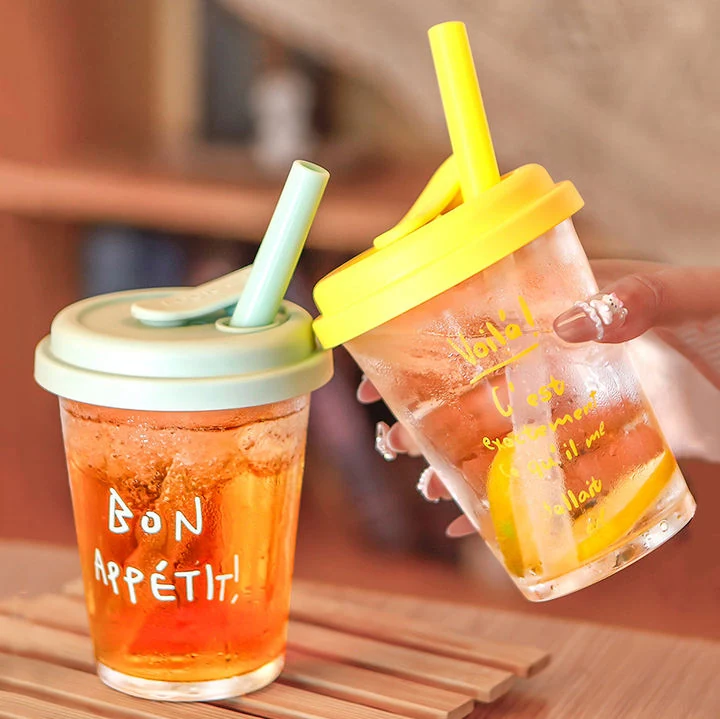
Its product range includes hand-blown drinking glasses, vases, bowls, and custom glass installations for hotels and restaurants. The firm also collaborates with Scandinavian designers to create limited-edition collections. Hadeland’s products are known for their precision, light refraction, and timeless aesthetic, embodying Norwegian simplicity and quality. The company primarily serves the home décor, hospitality, and architecture sectors.
Hadeland Glassverk stands out for its strong focus on sustainability. It uses hydro-powered furnaces and recycled glass materials. The company has earned multiple design and sustainability awards, including recognition from the Norwegian Design Council. Its visitor center and museum attract thousands each year, making it both a producer and a cultural institution.
Magnor Glassverk
Magnor Glassverk was established in 1896 in Hedmark County, near the Swedish border. With over 125 years of experience, Magnor combines craftsmanship and modern aesthetics to produce elegant glassware for home, hospitality, and collectible markets. It is one of Norway’s few remaining manufacturers that still creates glass entirely by hand.

The company’s catalog includes wine glasses, bowls, candle holders, and designer collaborations. Magnor has worked with famous Norwegian designers such as Halvor Bakke and Finn Schjøll to create glassware lines that appeal to design-conscious consumers. The brand is known for its ability to merge art and functionality while maintaining premium quality standards.
Magnor serves both domestic and export clients, focusing on the Nordic, German, and Japanese markets. Its dedication to craftsmanship has earned international awards for design excellence. The company also emphasizes ethical production, recycling, and the use of local raw materials. Magnor’s innovation lies in its artistic partnerships that keep Norwegian glass design relevant in the global market.
Sagaform Norway (Orrefors & Kosta Boda Distributor)
Sagaform Norway represents a key player in distributing and co-developing premium Scandinavian glassware. Though not a producer in the traditional sense, Sagaform collaborates with factories in Sweden and Norway to offer a broad range of glass products. Its focus is on bringing modern Scandinavian design into functional lifestyle products, bridging the gap between art glass and mass-market utility.
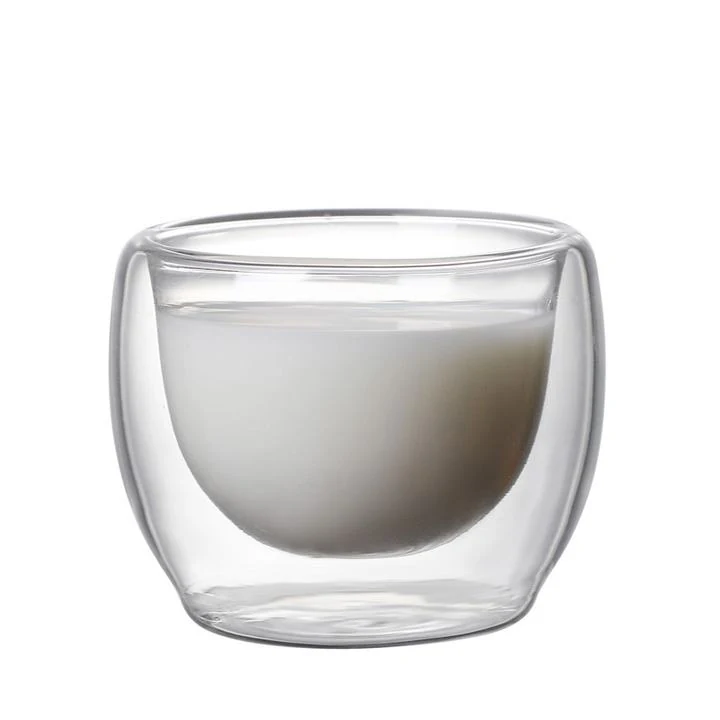
Sagaform’s offerings include table glass, serving items, and branded corporate gifts. Its Norwegian branch curates collections tailored to local tastes and hospitality needs. Through close partnerships with Orrefors and Kosta Boda, Sagaform maintains a consistent quality and design ethos, ensuring that Norwegian consumers have access to the region’s best glass artistry.
While it operates mainly as a distributor, Sagaform contributes to design innovation by co-developing seasonal collections and eco-friendly packaging. The company has earned multiple retail design awards across Scandinavia and remains a popular choice among corporate clients and gift suppliers. Its hybrid model of design, distribution, and collaboration supports Norway’s creative glass ecosystem.
| Company | Founded | Core Products | Industries | Certifications |
|---|---|---|---|---|
| Hadeland Glassverk | 1762 | Hand-blown tableware, decorative glass | Home décor, hospitality, architecture | Norwegian Design Council Award |
| Magnor Glassverk | 1896 | Designer glassware, collectible art glass | Retail, export, lifestyle | Eco-production certification |
| Sagaform Norway | 1990s | Table glass, gifts, serving ware | Corporate gifting, retail | Nordic Design Awards |
Part 3: Trade Shows and Industry Events
Oslo Design Fair
The Oslo Design Fair is Norway’s most influential event for interior and lifestyle products, including glassware and ceramics. It brings together designers, manufacturers, and retailers from across the Nordic region. For glassware producers, it serves as the prime venue to present new collections and connect with international distributors.
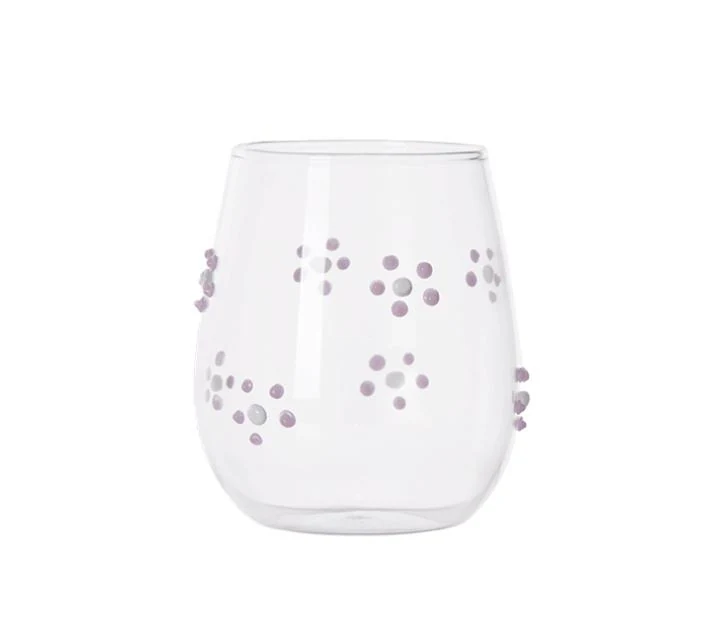
Held twice a year at NOVA Spektrum in Lillestrøm, the fair features hundreds of exhibitors and thousands of visitors. The event highlights sustainable materials, innovative production methods, and contemporary Nordic design trends. For glass manufacturers, the fair offers opportunities to showcase craftsmanship and establish export relationships.
Exhibitors such as Hadeland and Magnor often unveil new series at the fair, while workshops allow designers to demonstrate hand-blowing techniques live. The fair’s seminars also explore topics like eco-design, packaging innovation, and market expansion. It plays a critical role in maintaining Norway’s design leadership in Europe’s lifestyle sector.
Tendence Nordic (Oslo Edition)
Tendence Nordic is an annual event inspired by the German Tendence fair, focusing on home and gift products. The Oslo edition connects local Scandinavian brands with global buyers and emphasizes functional design and eco-friendly production. It’s a strategic platform for Norwegian glassware exporters aiming to reach European retail chains.

The event typically takes place every autumn and attracts participants from over 20 countries. It showcases everything from household goods to decorative glass. Norwegian exhibitors use the event to test new product lines and build relationships with importers from Germany, France, and the Netherlands. Workshops focus on material innovation and market access strategies.
Tendence Nordic’s significance lies in its international networking potential. For many small and medium-sized glass producers, this event marks their entry into global retail networks. It fosters collaboration and inspires cross-border innovation, keeping Norway visible in Europe’s evolving design marketplace.
| Event | Date | Location | Highlights |
|---|---|---|---|
| Oslo Design Fair | Biannually (Feb & Aug) | Lillestrøm | Sustainable design, live glassblowing demos |
| Tendence Nordic (Oslo Edition) | Annual (Autumn) | Oslo | Export networking, eco-friendly product showcase |
Part 4: Impact of Global Trade Policies
Global trade dynamics have had both positive and challenging effects on Norway’s glassware industry. As a member of the European Economic Area (EEA), Norway enjoys free trade with EU countries, which supports export growth. However, fluctuating energy costs and stricter carbon regulations have increased production expenses. Local manufacturers are adapting through renewable energy use and process optimization.
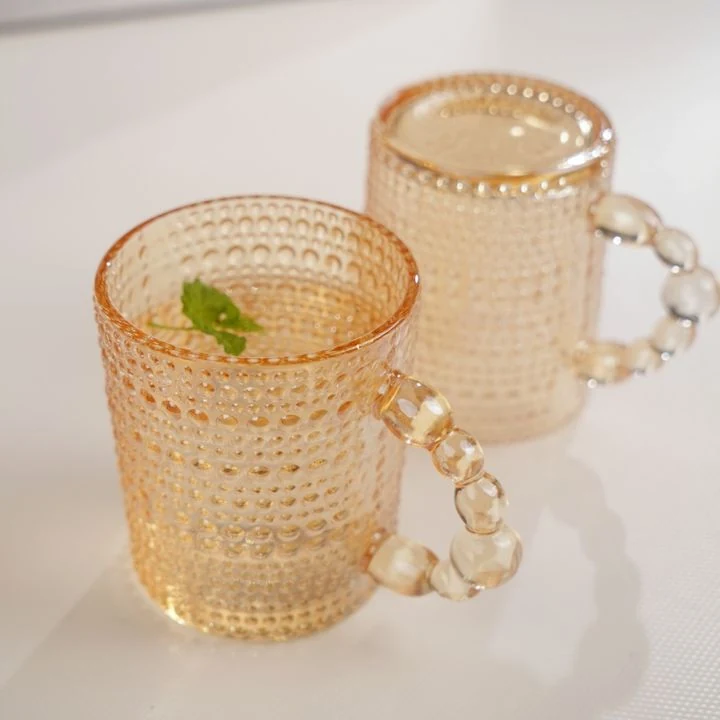
The growing global focus on sustainability aligns well with Norway’s domestic policies. Exporters benefit from the “green image” associated with Norwegian products. However, sanctions and supply disruptions—especially for raw materials like soda ash and specialty sands—can affect production continuity. This has led many manufacturers to develop regional sourcing strategies and invest in recycling infrastructure to reduce dependency on imports.
Norwegian glass producers also face increasing competition from cheaper imports from Asia and Eastern Europe. To counter this, they emphasize quality, authenticity, and eco-certifications. The rise of online retail has opened new export opportunities, especially in markets that value design transparency and ethical manufacturing. Trade agreements with the UK and Japan have further supported expansion, offering Norwegian glassware brands new ways to grow in premium segments.
Part 5: Conclusion
The Norwegian glassware industry represents a balance of heritage and innovation. Companies like Hadeland and Magnor continue to prove that craftsmanship can thrive in a modern, sustainable economy. With the help of local policy support and growing export demand, the industry’s future looks promising. The focus on minimalism, renewable energy, and collaborative design ensures continued relevance in a global marketplace that values authenticity.
However, challenges remain. Rising energy prices, raw material shortages, and competition from low-cost regions test the resilience of local producers. To maintain their position, Norwegian glass manufacturers must keep investing in sustainable technology, creative partnerships, and brand storytelling. The path forward lies in uniting traditional artistry with digital innovation, ensuring that Norwegian glassware continues to shine on the world stage.
Recommended Reading:
Glassware manufacturers in Usa
Glassware manufacturers in China
Glassware manufacturers in Germany
Glassware manufacturers in Japan
Glassware manufacturers in India
Glassware manufacturers in UK
Glassware manufacturers in France
Glass Bottle Manufacturers in Brazil
Glass Bottle Manufacturers in Algeria
12 oz Glass Hexagonal Honey Jar with Lid
80Ml-500Ml Double Wall Glass Coffee Cup Set