Part 1: Market Size and Growth
The glassware industry in Palestine represents a rich combination of ancient craftsmanship and modern entrepreneurship. For centuries, Palestinian glassmakers have been known for their skill in hand-blown and decorative glass, especially in cities like Hebron. Today, this traditional craft continues to coexist with small and medium-sized manufacturers who focus on practical, everyday glassware for local and export markets.

The domestic market is small but resilient. Despite challenges in logistics and materials importation, demand for glassware remains steady across household, hospitality, and gift sectors. Local producers offer everything from drinking glasses and tableware to handmade ornaments and religious items. Growing tourism and international interest in Palestinian crafts have also contributed to the visibility of local glass brands, especially in Europe and the Middle East.
Governmental support and NGO-led initiatives have encouraged artisans to modernize their workshops and adopt sustainable practices. Investments in eco-friendly production methods and recycling have become a focus for new-generation manufacturers, aiming to balance traditional techniques with global market expectations. As export restrictions ease through cooperation with international trade partners, Palestinian glassmakers are finding new opportunities to bring their art and products to wider audiences.
Part 2: Leading Companies
Hebron Glass & Ceramic Factory
Hebron Glass & Ceramic Factory is one of Palestine’s most iconic glass producers, located in the historic city of Hebron, a hub of glassmaking for centuries. Founded in 1962, the factory continues the traditional hand-blown technique passed down through generations. Each product reflects a mix of cultural heritage, craftsmanship, and artistic design.

The company produces a wide range of items, including drinking glasses, bowls, vases, ornaments, and decorative lamps. It primarily serves the souvenir, hospitality, and retail industries. Hebron Glass emphasizes the use of recycled glass and natural dyes, reducing environmental impact. It has gained international recognition for its handmade quality and cultural authenticity, exporting to markets in Europe, Japan, and the United States. The company has received multiple heritage craft awards from cultural preservation organizations.
Holy Land Handicraft Cooperative Society
Based in Beit Sahour near Bethlehem, the Holy Land Handicraft Cooperative Society was established in 1981 to support local artisans and promote Palestinian craftsmanship globally. The cooperative includes workshops specializing in glass, ceramics, olive wood, and mother-of-pearl crafts.

Its glass division produces ornamental glassware, religious gifts, and decorative bottles, often featuring colorful designs inspired by traditional Palestinian motifs. The cooperative mainly serves export markets, working with fair-trade organizations in Europe and North America. The society promotes ethical trade, environmental responsibility, and artisan welfare. Its products have earned international certifications for fair-trade and sustainable production, reflecting a deep social and ecological commitment.
Al-Tahhan Glass Industries
Al-Tahhan Glass Industries, located in Nablus, was founded in 1998 and is considered one of the most advanced commercial glass producers in Palestine. Unlike traditional workshops, it focuses on industrial glassware and functional products, including cups, jars, and storage containers.
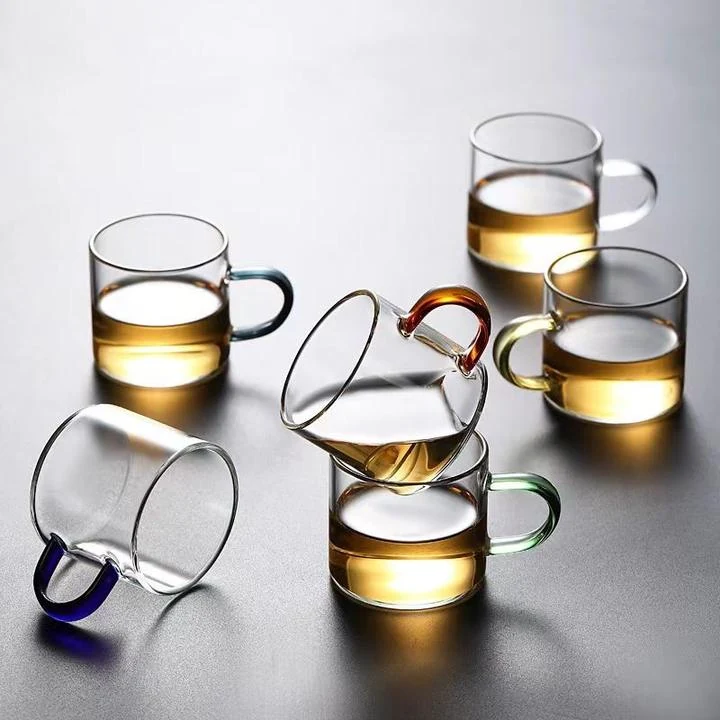
Its clients include local restaurants, hotels, and distributors across the West Bank and Jordan. The company has invested in semi-automated production lines to ensure uniformity and durability while maintaining cost efficiency. Al-Tahhan is known for developing customized glass packaging solutions for local food and beverage brands. It holds quality certifications for safety and hygiene compliance, enabling it to compete with imported products in regional markets.
| Company | Founded | Core Products | Industries | Certifications |
|---|---|---|---|---|
| Hebron Glass & Ceramic Factory | 1962 | Hand-blown glass, ornaments | Artisanal, Tourism, Retail | Heritage Craft Awards |
| Holy Land Handicraft Cooperative Society | 1981 | Decorative glassware, gifts | Fair-trade, Retail | Fair-Trade Certified |
| Al-Tahhan Glass Industries | 1998 | Cups, jars, containers | Food, Hospitality | Quality & Safety Standards |
Part 3: Trade Shows and Industry Events
Palestine International Handicrafts Exhibition
The Palestine International Handicrafts Exhibition is one of the most important events promoting Palestinian-made products. Hosted annually in Bethlehem, the fair gathers artisans, manufacturers, and exporters under one roof. It showcases traditional crafts, modern glassware, and handmade art that represent the country’s cultural richness.
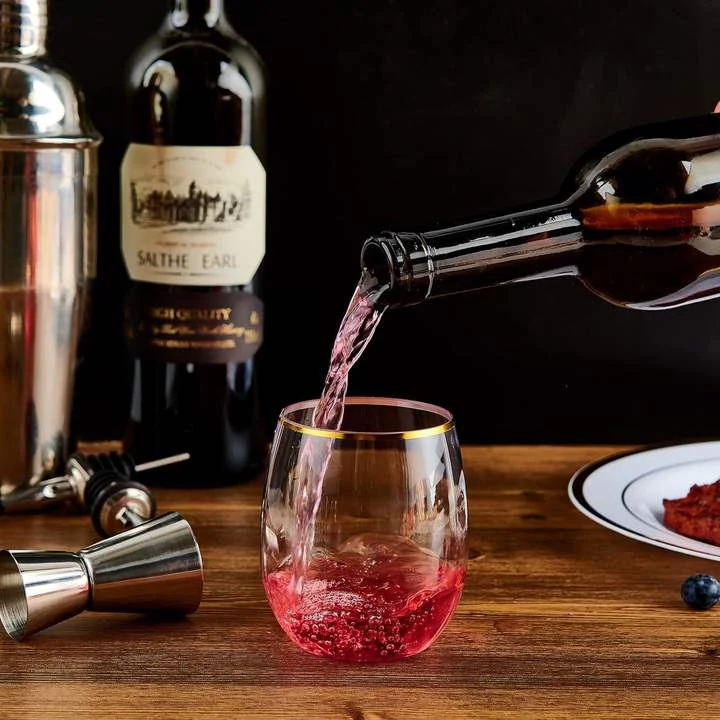
The event typically takes place in December and attracts buyers from Europe, Asia, and the Arab world. For glassmakers, it’s a vital opportunity to build brand exposure and create export partnerships. The exhibition includes live glass-blowing demonstrations, design competitions, and sustainability forums. Its highlight is the “Crafts of Peace” award, celebrating artisans who contribute to cultural preservation and fair-trade development.
Made in Palestine Fair
This trade fair, held in Ramallah every two years, focuses on industrial and commercial goods, including glassware, ceramics, and household items. It provides a platform for Palestinian manufacturers to present their products to importers, distributors, and regional investors.
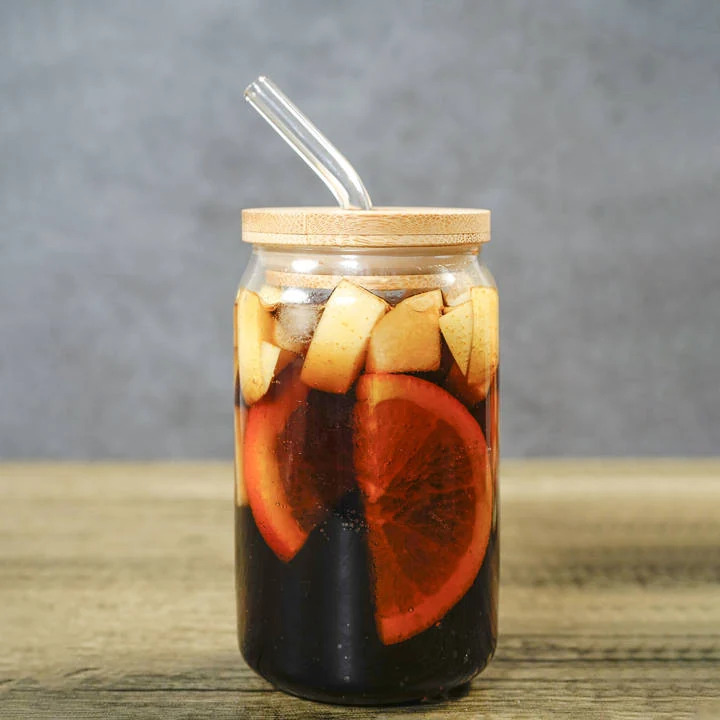
The fair usually occurs in May and is organized by the Palestinian Federation of Industries. Exhibitors come from various sectors, showcasing innovation, quality, and export potential. For the glassware industry, it’s a chance to highlight modern production techniques and new designs that meet global standards. The event has become a cornerstone for local producers seeking visibility in Middle Eastern and European markets.
| Event | Date | Location | Highlights |
|---|---|---|---|
| Palestine International Handicrafts Exhibition | December (annual) | Bethlehem | Live demos, cultural crafts, fair-trade |
| Made in Palestine Fair | May (biennial) | Ramallah | Industrial goods, export promotion, innovation |
Part 4: Impact of Global Trade Policies
The global trade environment plays a crucial role in shaping the Palestinian glassware sector. Trade restrictions and border controls often limit access to raw materials, equipment, and export routes, forcing companies to rely on local recycling and manual labor. Despite these difficulties, such challenges have also strengthened the culture of sustainability and innovation among Palestinian glassmakers.
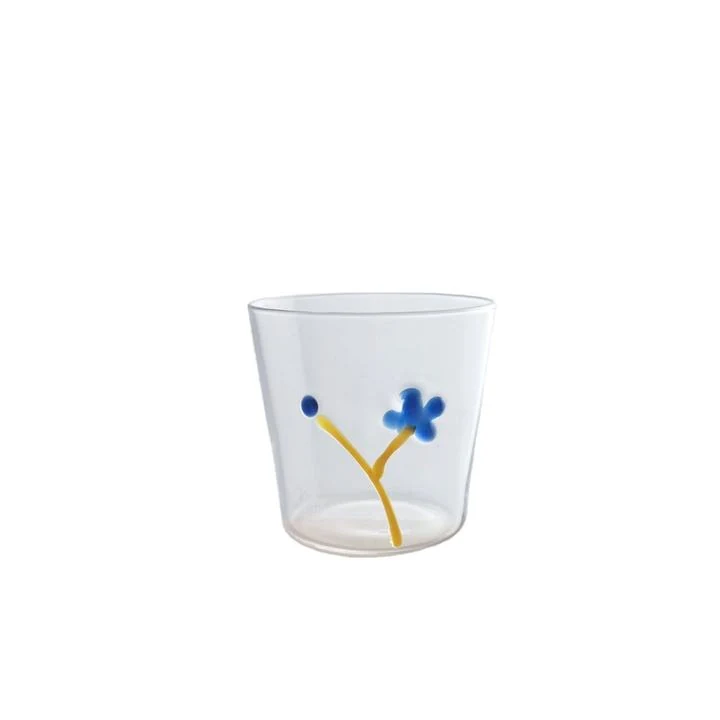
International fair-trade agreements have opened doors for handmade glass products to reach ethical consumer markets abroad. Partnerships with NGOs and European buyers have helped improve packaging standards and export logistics. This has allowed smaller manufacturers to enter niche markets focused on handmade and environmentally friendly products, rather than competing with mass-produced glassware from Asia. The emphasis on cultural heritage has also made Palestinian glassware desirable among collectors and design retailers.
However, the dependency on political stability and trade permissions continues to create uncertainty. Currency fluctuations and transportation costs make exports more expensive. Still, many businesses have responded with creative strategies such as online sales, international collaborations, and limited-edition craft collections. The resilience of this industry demonstrates that with the right support and access to fair markets, Palestinian glassware can thrive even in a complex trade environment.
Part 5: Conclusion
The glassware industry in Palestine embodies a blend of artistry, resilience, and cultural pride. From Hebron’s hand-blown treasures to modern production in Nablus, Palestinian manufacturers continue to carry forward a craft that connects tradition with innovation. With global consumers increasingly valuing handmade and sustainable goods, this sector stands at the intersection of heritage and opportunity. The growth of fair-trade channels and tourism also offers hope for greater international recognition and market expansion.
Yet, challenges persist. Restrictions on trade, limited infrastructure, and economic instability remain significant hurdles. Still, the persistence of Palestinian artisans-supported by cooperative models and global partnerships-shows that creativity can transcend borders. By combining ancient glassmaking techniques with modern business strategies, Palestine’s glassware manufacturers are writing a new chapter in their long and proud history.
Recommended Reading:
- Glassware Manufacturers in Zambia
- Glassware Manufacturers in Yemen
- Glassware Manufacturers in Venezuela
- Glassware Manufacturers in Vatican City
- Glassware Manufacturers in Tunisia
- Glassware Manufacturers in Uganda
- Glassware Manufacturers in Turkmenistan
- Glassware Manufacturers in Uzbekistan
Flip Top Glass Bottles 1 Liter
230ml 530ml Flat Round Liquor Bottles
Glass Salt and Pepper Grinders with Handle 10 oz
Glass Bottle Manufacturers in Czechia