Part 1: Market Size and Growth
Spain has a long and proud tradition in glass manufacturing. The industry dates back centuries, blending craftsmanship and modern industrial techniques. In recent years, Spanish glassware has gained strong demand worldwide, driven by design innovation, sustainability, and the hospitality boom across Europe. Many local producers combine handmade artistry with advanced automation to meet both small-batch luxury and high-volume export needs.

The market is diverse, spanning tableware, decorative glass, lighting, packaging, and architectural applications. Spain’s glassware industry is particularly known for its strong export orientation, especially to France, Italy, Germany, and the UK. The domestic market also benefits from the country’s vibrant restaurant and tourism sectors, which constantly seek high-quality and stylish drinkware. According to trade insights, the glassware segment continues to expand by around 5-7% annually, supported by the growing European dining culture and the demand for sustainable materials.
Government incentives, EU green regulations, and industrial clusters like those in Valencia and Catalonia play a big role. Public and private investment has helped modernize manufacturing, leading to cleaner production and energy efficiency. Many firms have upgraded furnaces, adopted recycled glass, and applied digital control systems to enhance precision and reduce waste. These changes align Spain’s industry with global trends in eco-friendly production.
Part 2: Leading Companies
La Mediterránea
La Mediterránea was founded in 1975 in Valencia, Spain, and has become one of the country’s most recognized glassware brands. It’s famous for its colorful and eco-conscious designs that reflect Mediterranean lifestyle and culture. The company produces tableware, vases, and decorative glass objects, with a focus on handcrafted and sustainable methods.
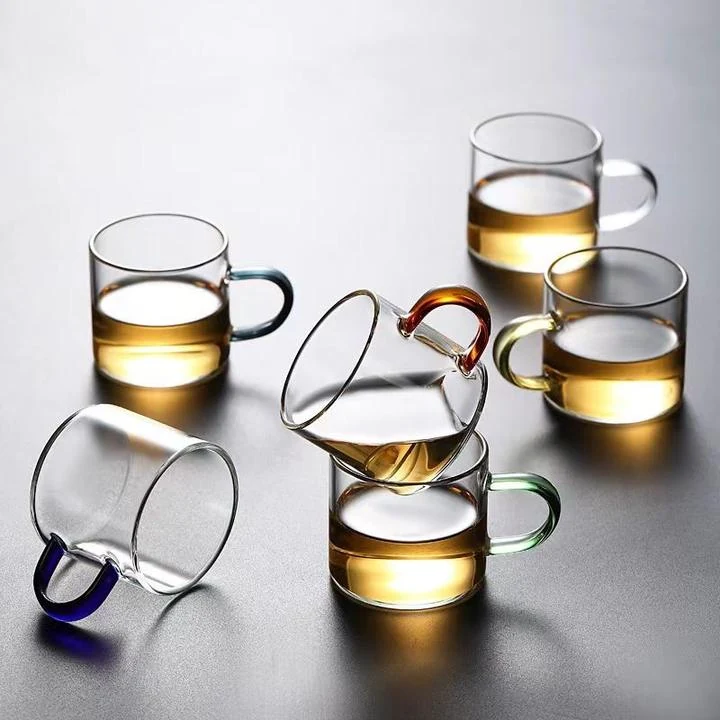
Their products are made from 100% recycled glass, giving each piece a unique tone and texture. The main customers include hotels, restaurants, and home décor retailers. La Mediterránea also offers OEM customization for global clients, exporting to over 40 countries. The firm’s creative direction emphasizes transparency, light, and color, staying true to Spanish aesthetics. Their certification portfolio includes ISO 9001 and environmental compliance under UNE-EN standards.
Vidrios San Miguel
Vidrios San Miguel, based in Málaga, has over 60 years of history in glass production. Originally a recycling company, it evolved into one of Europe’s pioneers in eco-friendly glass manufacturing. It operates a large-scale facility dedicated to tableware and packaging glass, and all of its products are made from post-consumer recycled materials.
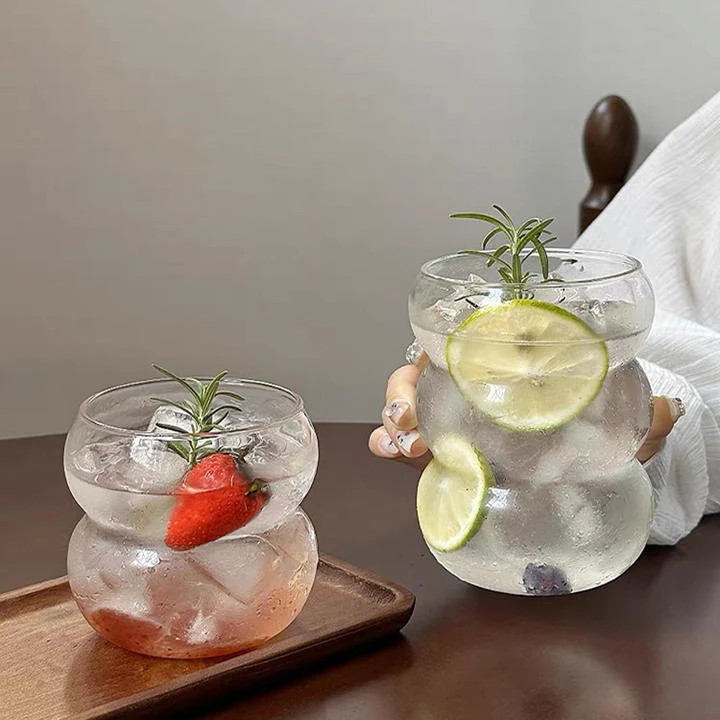
The company’s product range includes jars, bottles, drinking glasses, and home accessories. Their designs are simple, elegant, and deeply tied to sustainability principles. Vidrios San Miguel supplies major European retail chains and hospitality distributors, ensuring consistent quality and supply. Its technical edge lies in closed-loop production, which recycles every piece of scrap glass in-house. The brand has earned multiple awards for sustainability and circular economy innovation.
Bormioli Rocco Iberia
While originally Italian, Bormioli Rocco has established a strong Iberian presence through its Spanish subsidiary. The firm operates major facilities serving the Iberian Peninsula, producing glass tableware and packaging for food and beverage brands. Its Spanish branch integrates the Italian design flair with local production efficiency, making it a key player in Spain’s glassware market.

The company offers a full product portfolio-from crystal wine glasses and tumblers to jars and decorative glassware. Its main clients include supermarkets, hotels, and restaurant supply chains. Bormioli Rocco is also known for advanced tempering technology that enhances glass durability. The brand holds several international certifications, including ISO 22000 and BRC for food contact safety. In Spain, it focuses on combining heritage craftsmanship with industrial scalability.
| Company | Founded | Core Products | Industries | Certifications |
|---|---|---|---|---|
| La Mediterránea | 1975 | Tableware, décor glass | Hospitality, retail | ISO 9001, UNE-EN |
| Vidrios San Miguel | 1950s | Bottles, jars, drinkware | Retail, packaging | Eco-labels, sustainability awards |
| Bormioli Rocco Iberia | 1825 (HQ), Spain subsidiary | Tableware, jars, bottles | Hospitality, FMCG | ISO 22000, BRC |
Part 3: Trade Shows and Industry Events
HostMilano
HostMilano, held in Milan but widely attended by Spanish manufacturers, is a major global event for hospitality and tableware. It attracts thousands of exhibitors and buyers from over 150 countries. Many Spanish glass producers, including La Mediterránea and Vidrios San Miguel, use this platform to showcase their new designs and meet distributors.
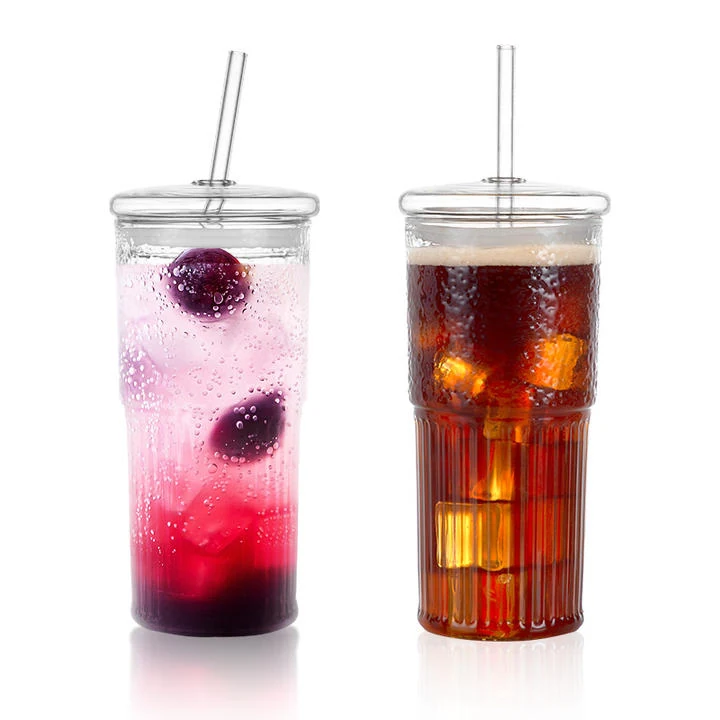
The exhibition takes place every two years, featuring trends in hotelware, restaurant design, and kitchen innovation. Spanish brands stand out with eco-themed glass collections and handmade series. The event provides opportunities for partnerships with global buyers and helps boost exports across Europe and Asia.
Feria Hábitat Valencia
Feria Hábitat Valencia is one of Spain’s leading design and lifestyle fairs. It gathers hundreds of exhibitors from home décor, furniture, and glassware sectors. The event highlights Spanish creativity and craftsmanship, offering a strong stage for both large manufacturers and boutique studios.
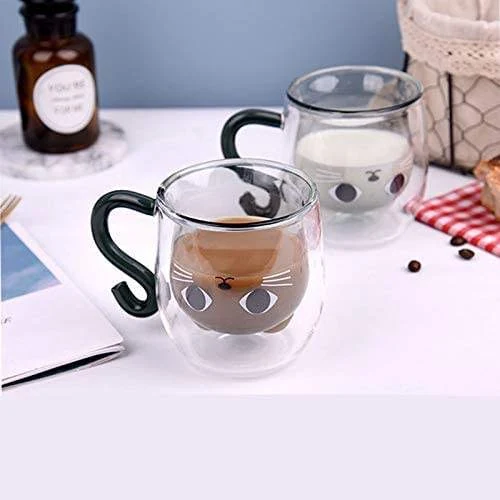
The annual fair attracts international retailers, interior designers, and distributors. Spanish glassware companies often present new sustainable product lines here. Highlights include design awards, innovation showcases, and live glassblowing demos. The event reflects Spain’s growing importance in global interior design and home living trends.
| Event | Date | Location | Highlights |
|---|---|---|---|
| HostMilano | October (biennial) | Milan, Italy | Global hospitality and tableware showcase |
| Feria Hábitat Valencia | September (annual) | Valencia, Spain | Spanish design, décor, and sustainable materials |
Part 4: Impact of Global Trade Policies
Spain’s glassware exports are deeply influenced by EU trade agreements and environmental regulations. The European Union’s circular economy strategy pushes manufacturers toward green production standards, emphasizing recycled materials and low emissions. These policies benefit Spanish firms that already invest in sustainable technology.

However, global trade tensions and supply chain disruptions have created challenges. Rising energy costs, especially from natural gas used in furnaces, have forced many producers to optimize their energy systems. Spanish manufacturers have responded by installing solar panels and switching to electric melting technologies. The EU Carbon Border Adjustment Mechanism (CBAM) also impacts exporters, encouraging them to maintain transparent emission data.
At the same time, Spain has opportunities through free trade agreements with Latin America and Asia-Pacific. Many companies leverage these connections to expand exports to Mexico, Chile, and Japan. Domestic substitution also plays a role: Spanish glass producers have gained market share within Europe due to rising import costs from Asia. As global buyers focus more on sustainability and European quality, Spain’s position in the international market continues to strengthen.
Part 5: Conclusion
The Spanish glassware industry stands as a balance between art and technology. With its deep cultural roots, skilled artisans, and eco-focused production, Spain has become a strong competitor in the global market. Its firms successfully combine handcrafted beauty with industrial reliability, offering everything from bespoke tableware to mass-market drinkware. The rise of sustainable dining and décor gives these producers even more opportunities to grow.
Yet, challenges remain. High energy prices, raw material shortages, and increasing regulatory pressure continue to test the industry’s resilience. Exporters must adapt to new trade frameworks and digitalize their supply chains to stay competitive. But overall, the Spanish glassware sector shows solid potential, guided by its commitment to quality, design, and sustainability.
Recommended Reading:
- Glassware Manufacturers in Canada
- Glassware Manufacturers in Brazil
- Glassware Manufacturers in Italy
- Glass Cup Manufacturer Honduras
- Glass Cup Manufacturer Ethiopia
- Glass Cup Manufacturer Libya
- Glass Cup Manufacturer Bolivia
- Glass Cup Manufacturer Kosovo
mini jam jars bulk 100ml 250ml
6 oz Glass Salad Dressing Cruet for Vinegar Oil with Screw Lid
450ml 650ml Tennessee Whiskey Bottles with Machine Sealing Aluminum Lid
300ml 750ml White Color Round Glass Liquor Bottle with Cork