Skip to content
Part 1: Market Size and Growth
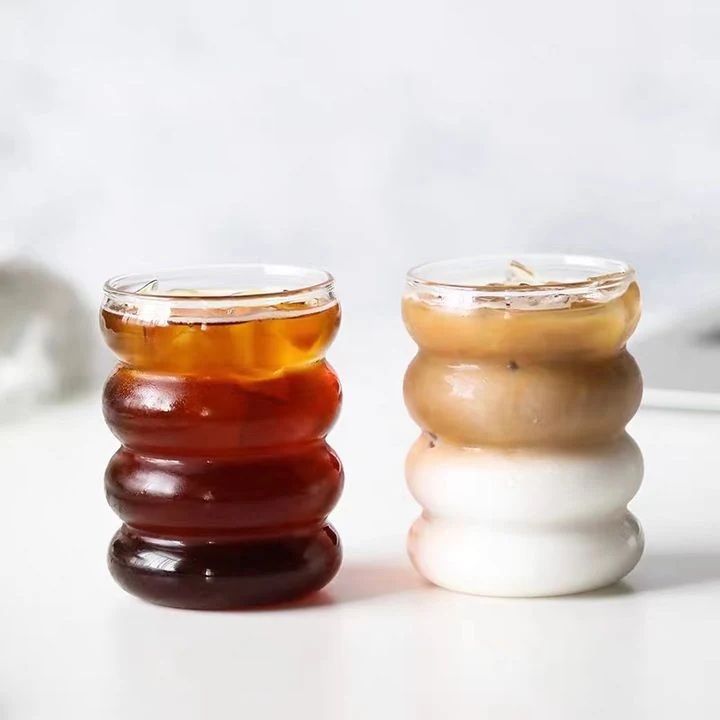
Switzerland is often recognized for precision engineering, luxury watches, and chocolate. Yet, behind this reputation lies another quiet strength - its advanced glassware manufacturing industry. The country’s glass sector blends traditional craftsmanship with modern technology, supporting both luxury consumer goods and high-end industrial applications. From scientific laboratories to boutique tableware, Swiss glassmakers have built a global reputation for clarity, durability, and precision.
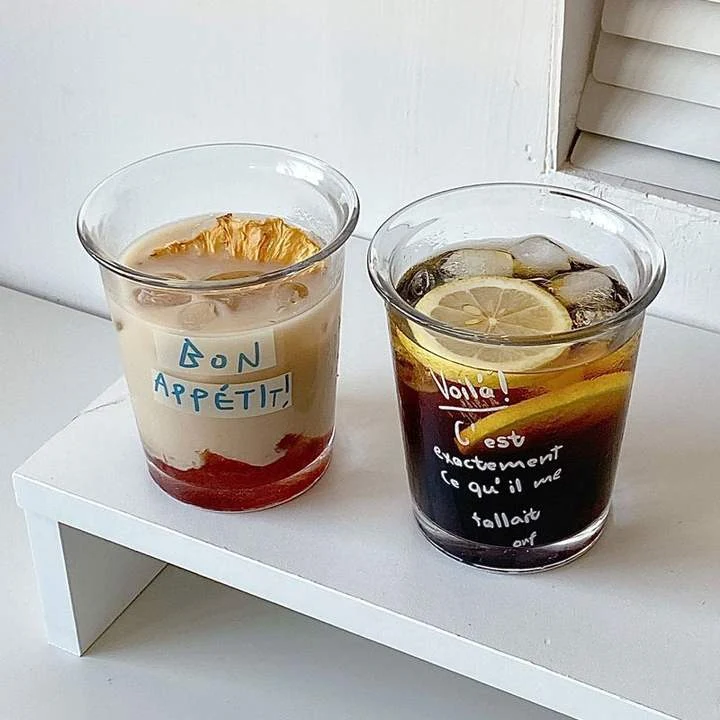
The market has shown steady growth, driven by rising demand for premium homeware and laboratory glass. Swiss consumers value durability and aesthetics, creating strong local demand. On the global stage, Swiss-made glassware competes in luxury and scientific segments, especially in Europe and Asia. The country’s focus on quality, sustainability, and design innovation positions it as a niche player rather than a mass producer.
Government policies and sustainable development goals also play a role. Green manufacturing initiatives and recycling incentives encourage the use of eco-friendly glass production. Additionally, Switzerland’s central European location and efficient logistics network make it a preferred export hub for glass products. The sector benefits from partnerships with academic institutions and design schools, reinforcing a culture of continuous innovation.
Part 2: Leading Companies
Glasi Hergiswil
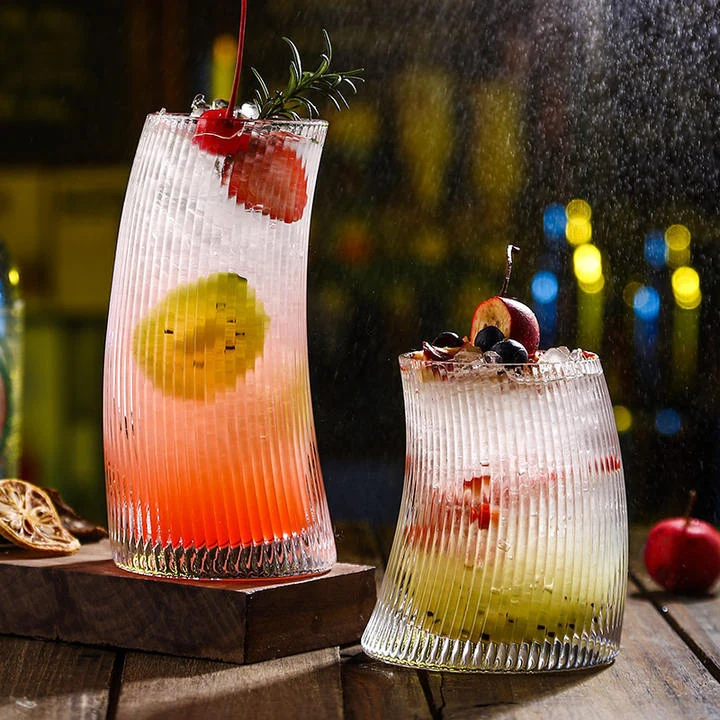
Founded in 1817, Glasi Hergiswil is one of Switzerland’s most iconic glass manufacturers. Located in Hergiswil, near Lake Lucerne, the company has a long history of blending tradition and craftsmanship. It is known for handmade glassware that carries both cultural and aesthetic value. Every piece is produced manually, maintaining a connection between maker and material.
The company produces a wide range of products, including tableware, decorative items, lighting glass, and architectural glass panels. Their transparent, fluid designs reflect Swiss minimalism and attention to detail. The factory also operates as a museum and visitor center, allowing people to observe live glass-blowing demonstrations. This approach strengthens both the brand and local tourism.
Glasi Hergiswil primarily serves hospitality, architecture, and premium consumer markets. Its innovation lies in maintaining artisanal production while integrating energy-efficient furnaces and recycling systems. The company has received several cultural heritage awards and sustainability recognitions for preserving traditional techniques in a modern context.
Sigg Switzerland AG
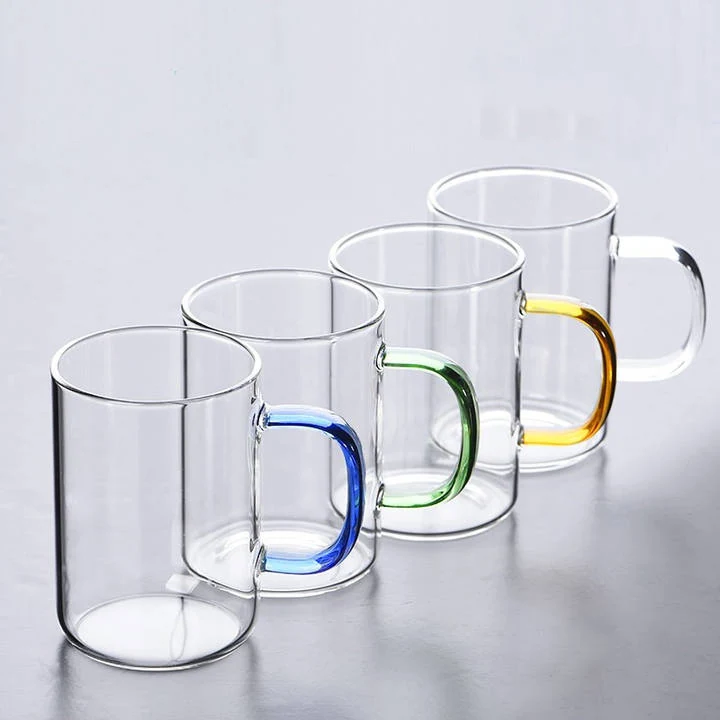
While Sigg is globally known for aluminum bottles, its innovation in reusable glass and hybrid materials has made it a significant player in modern glassware. Based in Frauenfeld, the brand promotes sustainable hydration products. Its expansion into borosilicate glass bottles reflects the growing trend toward eco-conscious, reusable drinkware.
Sigg’s glass line includes high-strength bottles, tumblers, and customized beverage containers designed for both retail and corporate markets. These products combine Swiss precision with functional aesthetics, often using bamboo lids or silicone sleeves for protection. The company targets industries focused on wellness, outdoor sports, and green living.
Sigg’s strength lies in innovation and certification. Its products meet European environmental standards and have earned multiple design awards. Its move into glassware demonstrates Switzerland’s ability to merge engineering with lifestyle design, offering global consumers a practical yet premium alternative to disposable products.
Duran Group Switzerland (Part of DWK Life Sciences)
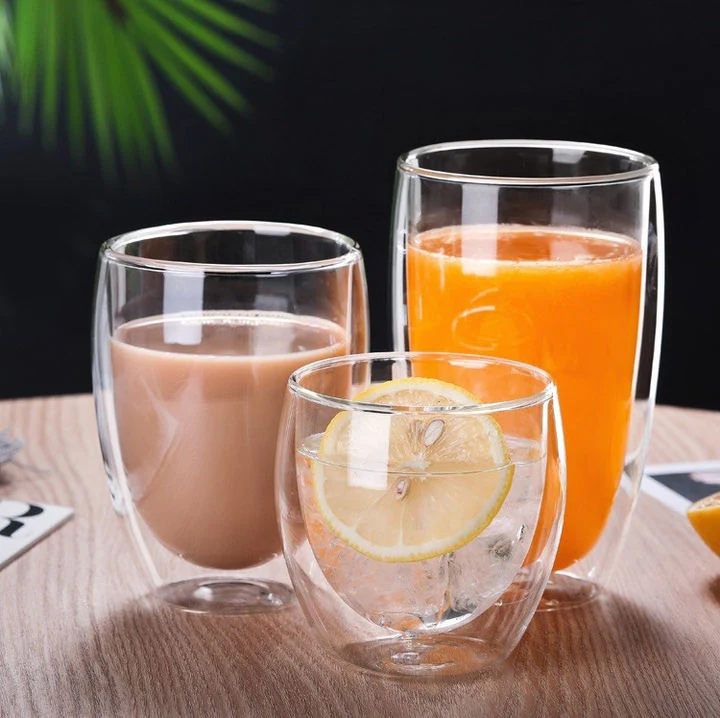
Duran Group Switzerland, part of DWK Life Sciences, represents the scientific and industrial side of the Swiss glass industry. It focuses on laboratory and high-performance technical glassware. The company operates advanced production facilities that support global pharmaceutical, chemical, and research institutions.
Its core products include laboratory bottles, beakers, measuring cylinders, and precision-engineered components used in laboratories. The company’s borosilicate glass technology ensures superior thermal resistance and chemical stability. This allows Duran glassware to be used in demanding research and production environments.
Duran Group serves the pharmaceutical, biotech, and chemical research sectors. Its innovations include digital traceability through laser markings and improved sealing systems. Certified under ISO and other international standards, Duran represents Swiss reliability and scientific precision, offering products trusted by laboratories worldwide.
| Company | Founded | Core Products | Industries | Certifications |
|---|---|---|---|---|
| Glasi Hergiswil | 1817 | Handmade tableware, decorative glass | Hospitality, design, architecture | Cultural Heritage Awards |
| Sigg Switzerland AG | 1908 | Reusable glass bottles, tumblers | Consumer goods, sustainability | Design & Environmental Certifications |
| Duran Group Switzerland | 1893 | Laboratory glassware, borosilicate products | Pharma, research, biotech | ISO, Quality Certifications |
Part 3: Trade Shows and Industry Events
Swissbau Basel
Swissbau is one of the largest construction and design trade fairs in Switzerland, held every two years in Basel. It includes a dedicated section for glass and fa?ade innovations, attracting manufacturers, architects, and design firms. The event serves as a networking platform for companies like Glasi Hergiswil and Duran Group to present new products.
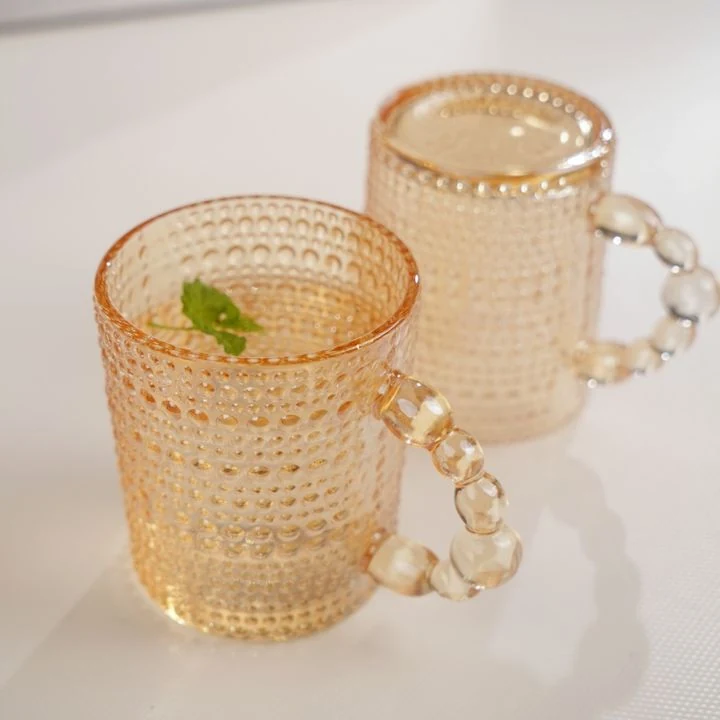
The exhibition typically takes place in January, gathering over 100,000 visitors. It showcases innovations in sustainable materials, smart design, and energy-efficient glass applications. Swissbau’s focus on environmental construction trends aligns closely with Switzerland’s push for green manufacturing and architectural transparency.
Ambiente Frankfurt (Swiss Exhibitors Section)
Although held in Germany, Ambiente Frankfurt hosts a strong Swiss presence. It is one of Europe’s leading consumer goods fairs, covering tableware, kitchen products, and home décor. Swiss glassware brands use this platform to showcase craftsmanship and connect with international distributors.
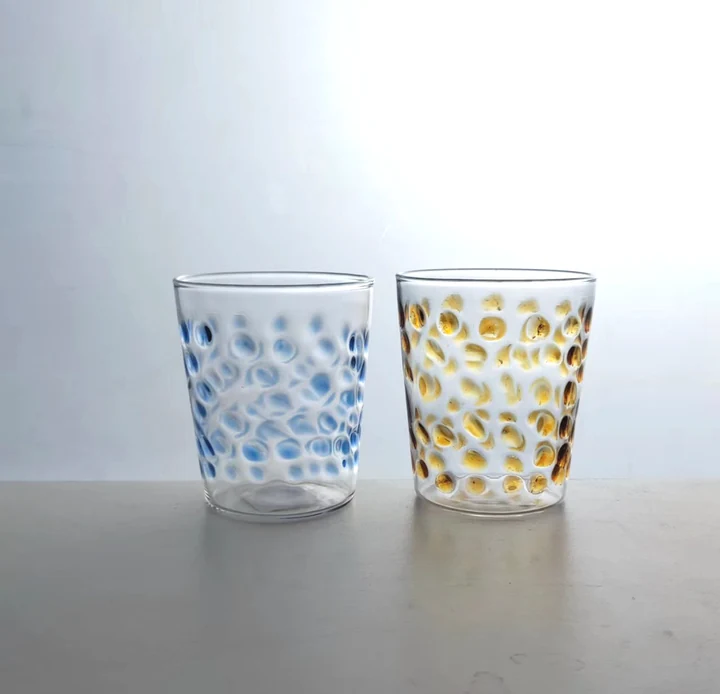
The event happens annually in February and welcomes thousands of buyers and designers. Highlights include new product showcases, material innovation talks, and design competitions. For Swiss companies, Ambiente is a key opportunity to position their glassware within the global lifestyle market.
| Event | Date | Location | Highlights |
|---|---|---|---|
| Swissbau Basel | January (biennial) | Basel, Switzerland | Sustainable glass architecture, design trends |
| Ambiente Frankfurt | February (annual) | Frankfurt, Germany | Global tableware showcase, product innovation |
Part 4: Impact of Global Trade Policies
Switzerland’s glass industry operates in a complex international environment. Trade agreements with the EU, EFTA, and other regions support easy export of high-end glass products. The industry benefits from low tariffs and stable trade relationships, especially with neighboring European countries. However, fluctuations in global energy prices and raw material costs affect production margins.
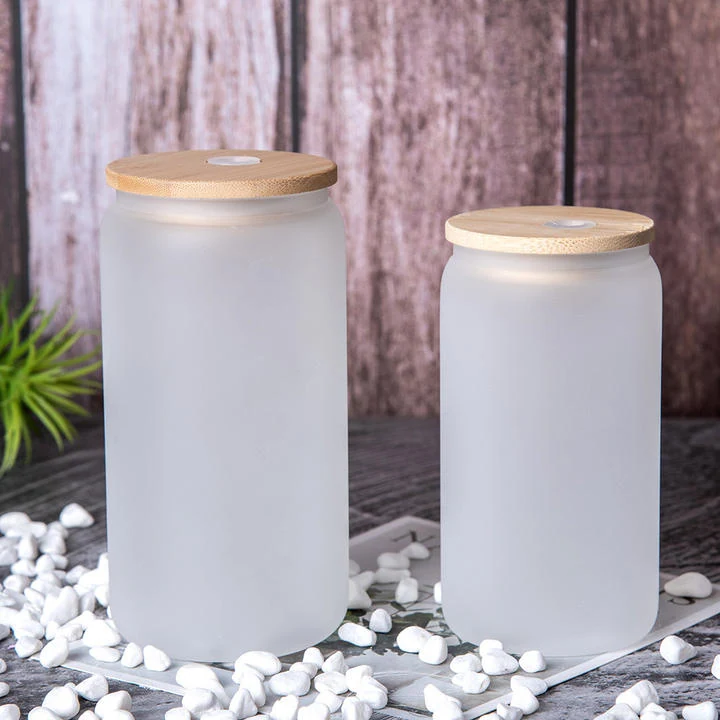
The country’s neutrality and strong currency have both advantages and challenges. On one hand, Swiss-made products are perceived as premium and reliable. On the other hand, the strong Swiss franc makes exports more expensive compared to European competitors. This pushes companies toward niche segments where quality outweighs price sensitivity.
Global sustainability regulations also influence production. The EU’s environmental directives encourage Swiss manufacturers to adopt recyclable packaging and energy-efficient furnaces. At the same time, global supply chain risks - such as energy shortages or raw material delays - motivate local sourcing and innovation. Swiss glassmakers have responded by developing circular economy models, focusing on recycling cullet and minimizing waste.
International competition, especially from lower-cost producers in Asia and Eastern Europe, remains a challenge. Yet, Swiss glass companies maintain an edge through precision, heritage, and sustainability leadership. Many firms now collaborate with design universities and research centers to create new composite materials and smart glass technologies, reinforcing Switzerland’s global standing in the field.
Part 5: Conclusion
Switzerland’s glassware industry illustrates how a small, high-cost country can excel through craftsmanship and innovation. The blend of tradition, design, and technology continues to drive growth in both consumer and industrial markets. Swiss brands are admired for their precision and responsible production, making them key players in the European glass ecosystem.
Looking ahead, the industry faces challenges such as energy costs, labor shortages, and currency fluctuations. However, sustainability, customization, and digitalization offer new paths for growth. As global demand for premium, eco-friendly glassware rises, Swiss manufacturers are well-positioned to maintain their legacy of quality and creativity in a changing world.
Recommended Reading:
- Glassware Manufacturers in Saudi Arabia
- Glassware Manufacturers in the Netherlands
- Glassware Manufacturers in Turkey
- Glassware Manufacturers in Indonesia
- Glassware Manufacturers in Mexico
- Glassware Manufacturers in Australia
- Glassware Manufacturers in Spain
- Glassware Manufacturers in Canada
Wholesale 30Ml Flat Glass Perfume Bottle With Pump 100Ml
Wave Shaped Borosilicate Glass Cup For Coffee And Tea
45ml Bird Nest Glass Jar with Metal Screw Cap
Glass Bottle Manufacturers in Solomon Islands